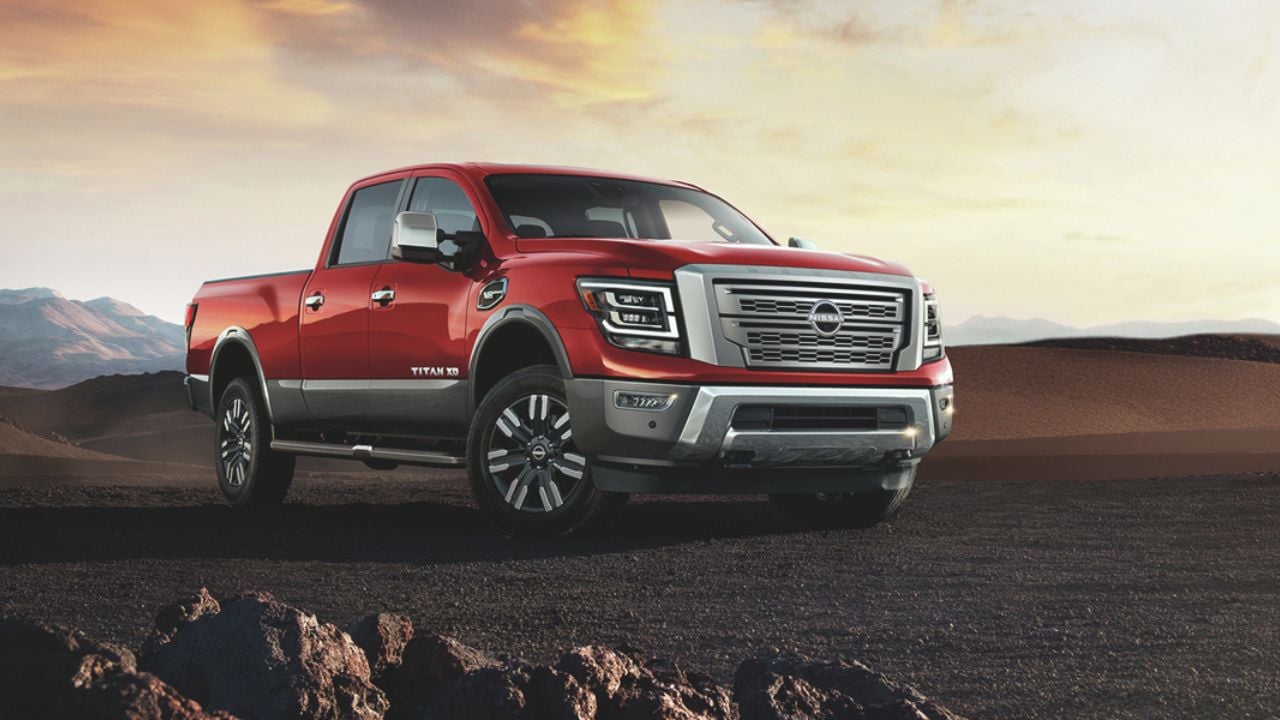
Nissan was once one of the loudest voices pushing electric cars into the mainstream. The Nissan Leaf was so early to the party, it helped define what modern EV adoption could look like. However, fast forward to 2026, and the company is now pulling back hard in one of its most important markets.
At a time when automakers are supposed to be doubling down on electrification, Nissan is doing the opposite in the United States.
Instead of expanding EV production, it’s walking away from a major investment and redirecting resources toward something far more traditional. If you’ve been paying attention to the broader industry lately, this move won’t come as a shock.
The reality is that demand isn’t lining up with the hype. EV growth has slowed, incentives have disappeared, and buyers are still flocking to trucks and SUVs. Nissan isn’t ignoring electrification entirely, but it’s clearly prioritizing what actually sells right now, and in America, that means one thing: trucks. Lots of them.
$500 Million EV Plan Axed
Nissan has officially canceled its $500 million plan to build electric vehicles at its Canton, Mississippi plant. That facility was originally set to produce multiple EV models for both Nissan and Infiniti, including electric SUVs that could have played a big role in the brand’s future lineup. Now, those plans are gone.
The Canton plant will instead focus on expanding production of body-on-frame vehicles. Think rugged SUVs and pickups rather than battery-powered crossovers. Nissan says the decision comes down to “market conditions, customer demand, and updated strategic direction,” which is corporate speak for: EV demand isn’t strong enough to justify the investment.
It’s a significant reversal, especially considering how aggressively Nissan had been pushing EV expansion just a few years ago. Back in 2021, the company laid out plans to build batteries and scale EV production in the U.S. with long-term growth targets in mind. Now, that entire strategy has been rewritten.
Trucks, SUVs, And The Return Of The Xterra
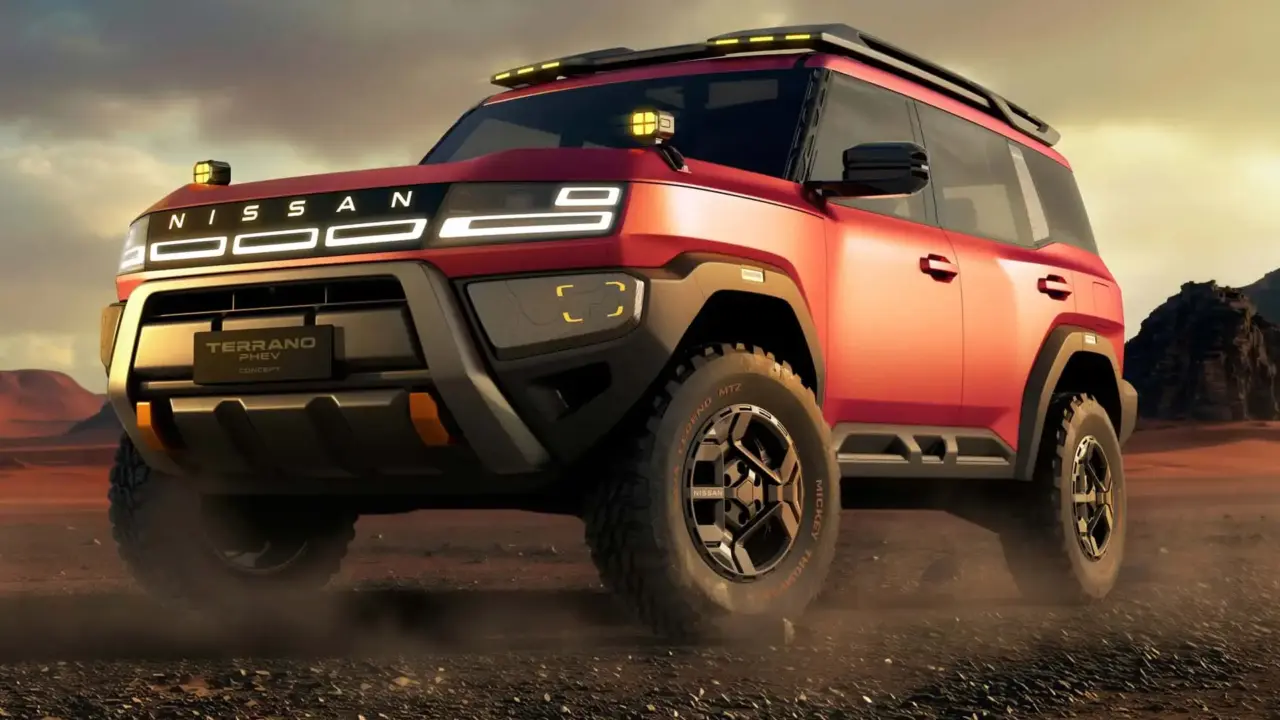
So what’s replacing those EVs? A new generation of tough, body-on-frame vehicles built for the American market.
Leading the charge is the return of the Nissan Xterra, which is expected to hit the market around 2028. Nissan is aiming to price it below $40,000, making it an accessible off-road SUV with broad appeal. It won’t be purely old-school, either, as the plan is to pair a V6 with hybrid technology to balance performance and efficiency.
The Canton plant is already well-suited for this shift. It currently builds the Nissan Frontier, and the new platform will allow multiple vehicles to share up to 70% of their components. That kind of parts commonality significantly reduces production costs and complexity, which is exactly what Nissan needs right now.
More models are expected to follow, including a new generation Frontier and possibly a larger SUV. The strategy is to build a family of rugged, high-demand vehicles using a shared architecture and scale it efficiently. It may not be flashy, but it certainly is smart business.
Nissan Is Changing Strategy, Not Completely Abandoning EVs
Despite these changes, Nissan isn’t walking away from electrification altogether. Executives have been quick to point out that EVs are still part of the long-term plan, along with hybrids and range-extended powertrains. What has changed is the timing.
Right now, Nissan is focusing on balance rather than going all-in on one technology. That includes expanding its e-Power hybrid system, continuing EV development behind the scenes, and keeping options open depending on how regulations and demand evolve.
This is also happening in a changing political and economic environment. The removal of EV tax incentives, relaxed emissions rules, and new tariffs have all made EV production in the U.S. less attractive than it was just a few years ago. In other words, the playing field has changed, and Nissan is adjusting.
Another Sign The Industry Is Recalibrating
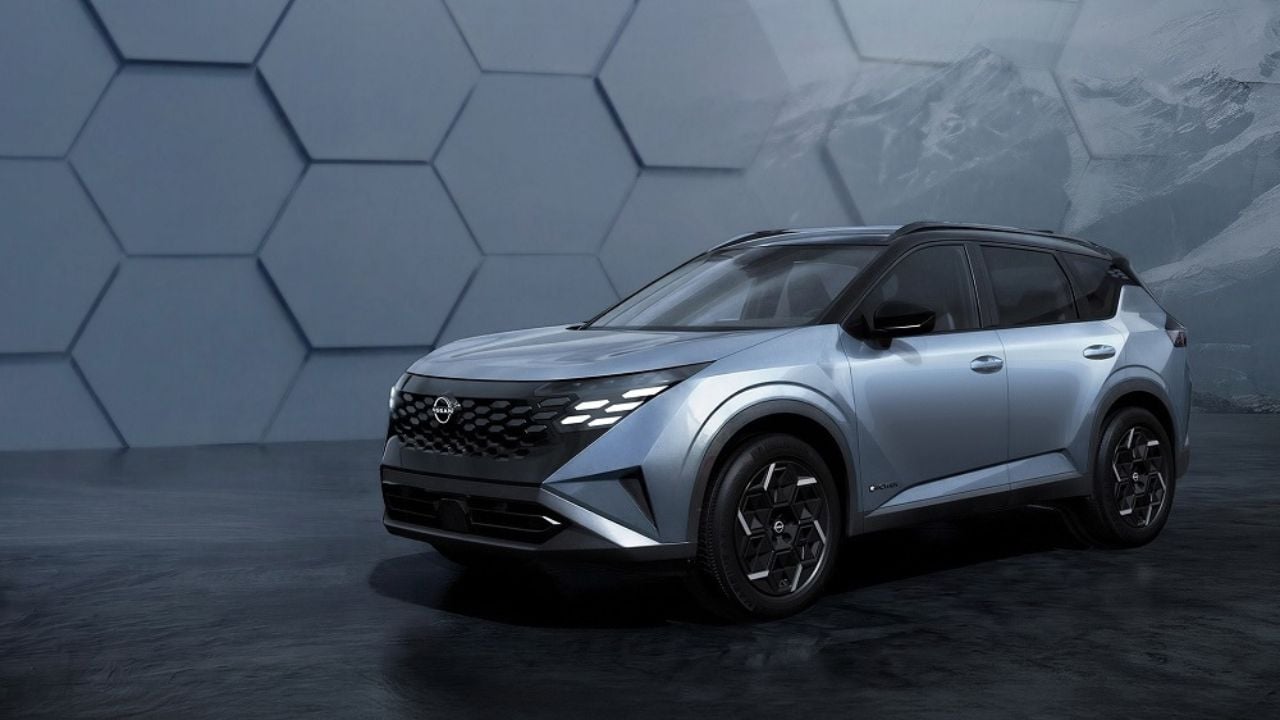
Nissan isn’t alone in hitting the brakes on EV plans. Across the industry, automakers are reassessing timelines, cutting investments, and shifting focus back to profitable segments.
The logic is hard to ignore, as trucks and SUVs still dominate the U.S. market, margins are higher, and buyers are sticking with what they know. Meanwhile, EV development remains expensive, and profitability is far from guaranteed.
For Nissan, the decision to prioritize trucks is partly about survival, but also about rebuilding momentum in a market where it has struggled in recent years. The company is targeting one million annual sales in North America by the early 2030s, and that goal won’t be achieved with slow-selling EVs alone.
So while the headlines might make it sound like a step backward, this is really a course correction. Nissan helped kickstart the EV revolution, but right now, it’s betting that gas and a bit of hybrid tech will help keep the lights on while the next phase of that revolution takes shape.