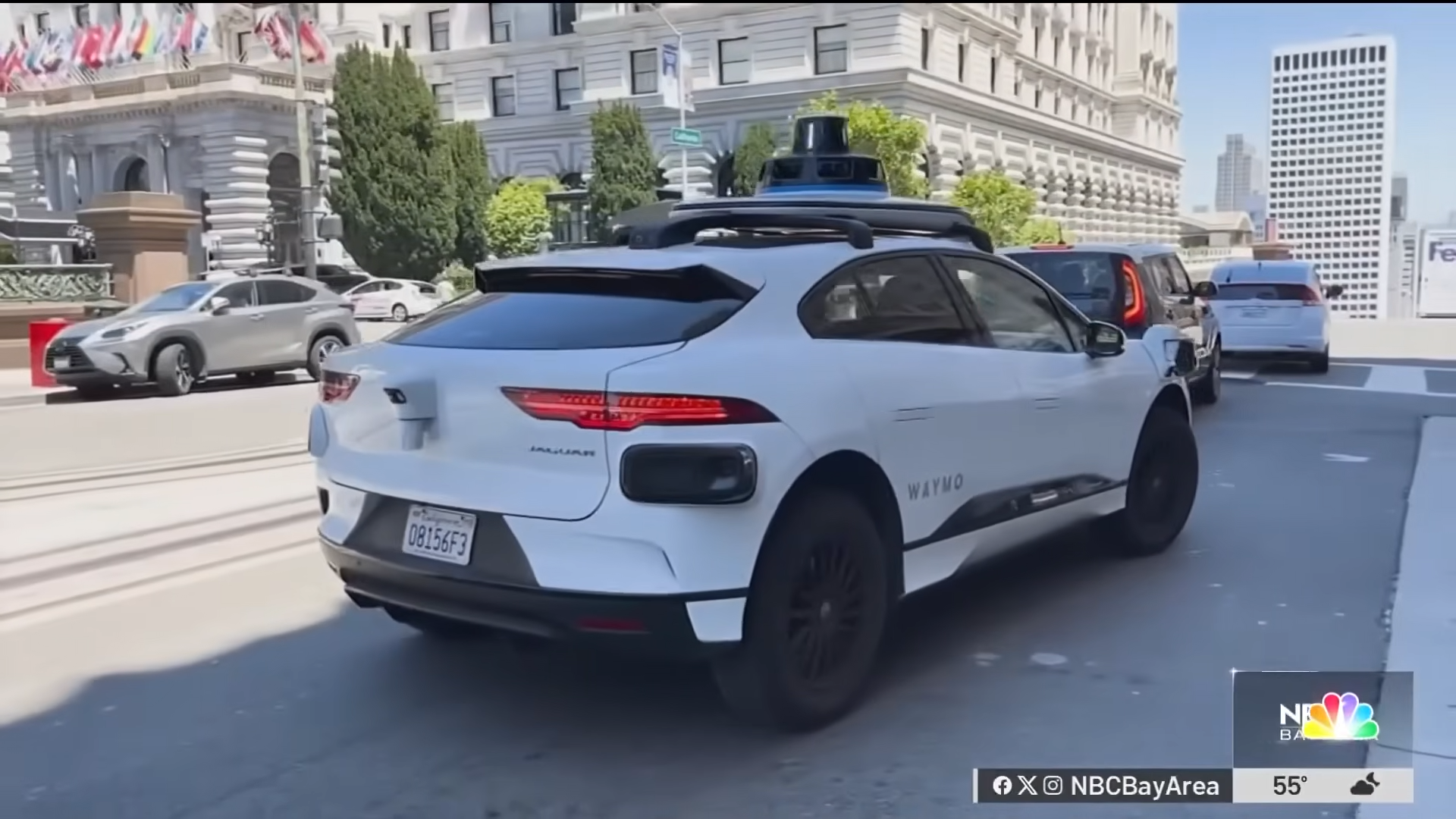
A Silicon Valley resident’s maiden voyage in a driverless taxi did not exactly end on a high note. Di Jin, a Sunnyvale man, took his very first Waymo ride on a Monday morning, heading from his home to San Jose Mineta Airport for a business trip. The ride itself, he said, went perfectly fine. It was everything that happened in the final 30 seconds that turned his smooth autonomous commute into a travel nightmare.
When Jin arrived at the airport and went to retrieve his luggage from the trunk, he pressed the release button. Nothing happened. Before he could try again, the Waymo simply drove away, his suitcase, work notes, and change of clothes still locked inside. He was left standing at the curb watching a robot car carry off his belongings without so much as a goodbye.
Jin immediately called Waymo customer service, hoping for a quick fix. Instead, he was told the vehicle was already headed back to the depot and there was no way to redirect it. So he did what any determined business traveler would do: he boarded his flight to San Diego and went on his work trip with exactly nothing he packed.
That afternoon, Waymo emailed him with the cheerful news that his luggage was “safely secured” at their local depot. Less cheerful was what came next: the company said it could not cover the cost of shipping his bag back to him, but generously offered him two complimentary Waymo rides so he could make the over-two-hour round trip to San Francisco to pick it up himself. Jin was not exactly doing a happy dance over those options.
What Waymo Says Its Policy Actually Is
Waymo’s lost and found page spells things out pretty clearly, and not entirely in the customer’s favor. According to the company’s own website, Waymo “is not responsible for items left behind in the vehicle after your trip ends” and does not provide refunds or reimbursement for lost items. Recovered belongings can be picked up at the Waymo depot seven days a week between 8 a.m. and 6 p.m.
The site also explains that the trunk can be opened by pressing the release button on the car itself, or by tapping “open trunk” in the app. It even notes that the trunk should open automatically when a passenger exits at their destination. That last detail is exactly what Jin says did not happen. He maintains the trunk never opened on its own when he got out, and the release button did not respond when he pressed it. In his mind, this was not a case of forgotten luggage. It was a malfunction.
A Pattern That Keeps Repeating Itself
This is not the first time a Waymo rider has found themselves making this particular complaint. About a year ago, NBC Bay Area reported on a San Francisco tennis coach who said a Waymo drove off with his expensive tennis equipment still in the trunk. Waymo’s response at the time was that their support team’s goal is “reuniting riders and their forgotten items.” The tennis coach, like Jin, pushed back on the word “forgotten,” insisting his items were not left behind by mistake but taken because the car did not give him a chance to retrieve them.
The San Jose Mineta Airport connection adds another layer of relevance here. Back in November, San Jose became the first commercial airport in California to welcome driverless Waymo rides for paying customers. That milestone made the service sound futuristic and exciting. Riding a robotaxi to catch your flight is genuinely cool, in theory. Watching that same robotaxi disappear down the departure lane with your work clothes is considerably less so.
What We Can Learn From This Incident
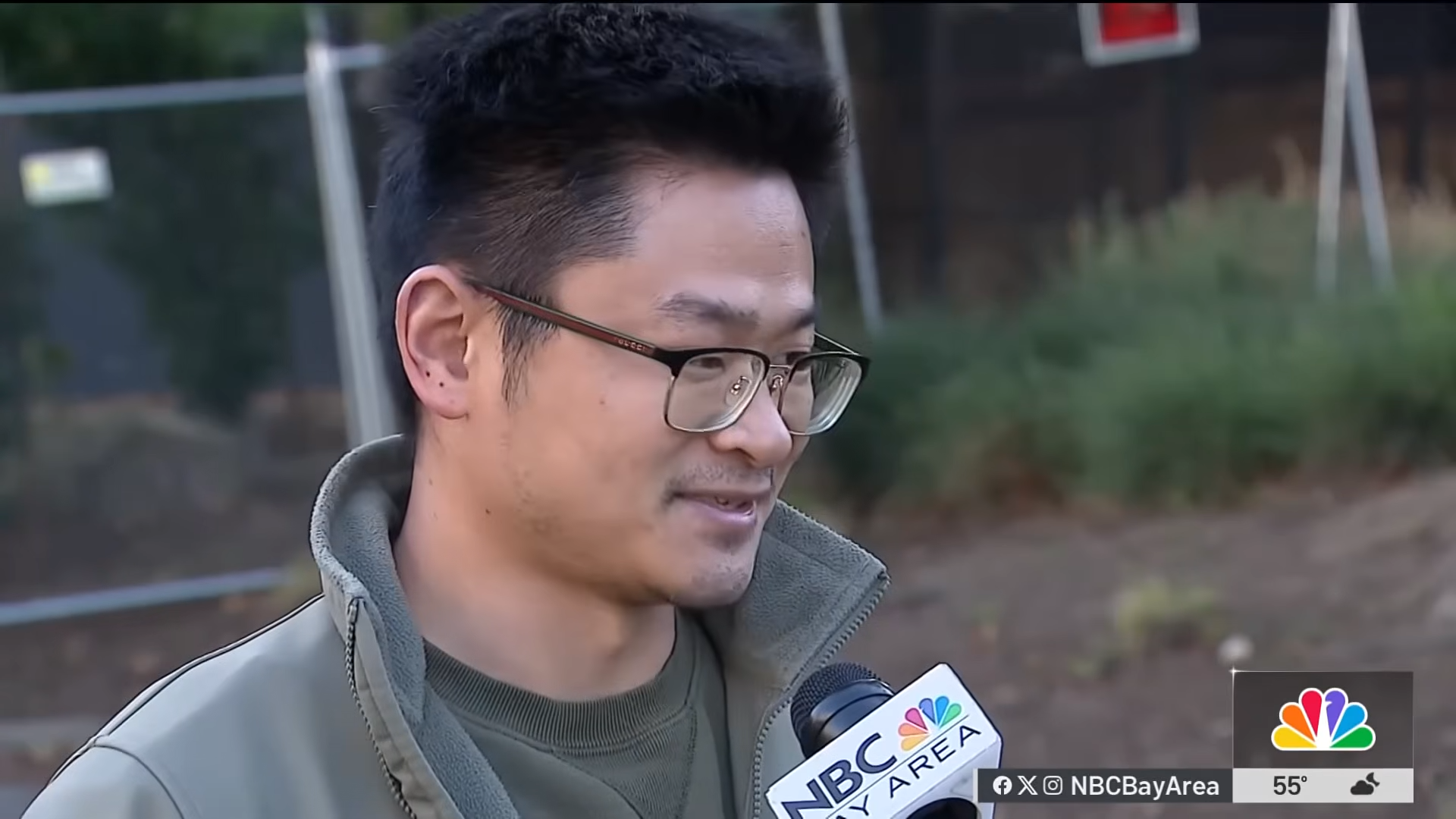
Jin’s story, frustrating as it is on a personal level, raises some worthwhile questions about what autonomous vehicle customer service should look like as this technology becomes more mainstream.
For starters, the trunk-opens-automatically feature is load-bearing. If that feature fails, there is no human driver to notice, no one to say “hey, you forgot your bag,” and no one who can be flagged down in the parking lane. The car just leaves. That gap between what the technology is supposed to do and what happens when it does not do it is something Waymo will need to address more seriously as its ridership grows.
The resolution options Waymo offered also deserve scrutiny. Telling a customer to either pay for their own return shipping or spend two-plus hours on a round trip to retrieve something that left without their consent is a tough sell, especially when the customer is arguing that a malfunction caused the problem in the first place. Whether or not Waymo’s terms of service technically cover them, the optics are rough.
For riders, the takeaway is practical: before you close that door, open the app and verify the trunk is accessible. Do not assume it will pop automatically. And if something does go wrong, document everything immediately, because the path to resolution runs squarely through customer service channels that, at least for Jin, have not exactly been a five-star experience.
Where Things Stand Now
Jin reached out to NBC Bay Area after hitting a wall with Waymo’s support team. As of the time of reporting, Waymo had not responded to the outlet’s request for comment. Jin, for his part, said he is genuinely a fan of autonomous driving technology and is not trying to be the guy who torpedoes the whole robotaxi industry over one bad experience. He just wants his stuff back, and he wants someone to acknowledge that the trunk button not working is a problem worth taking seriously.
That seems like a pretty reasonable ask. The future of transportation is supposed to be smarter, smoother, and more convenient than what came before it. A suitcase held hostage by a software glitch is a reminder that the gap between the promise and the reality still has some work to do.