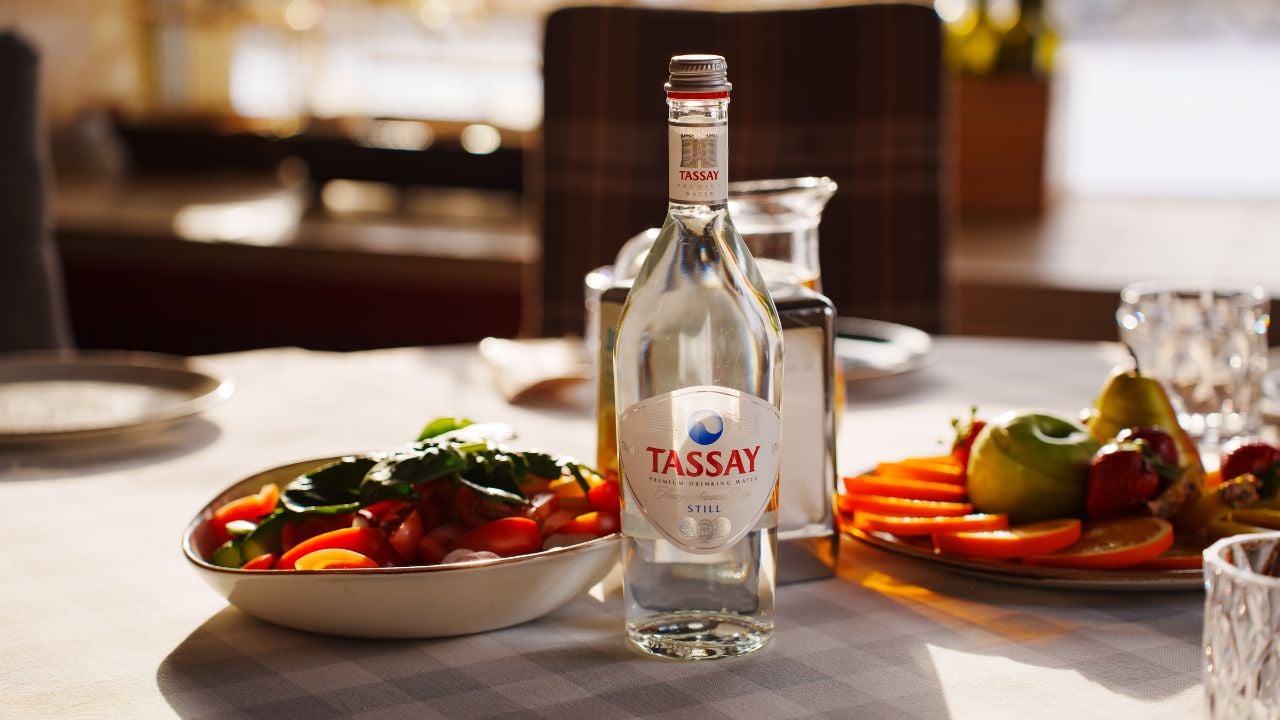
American travelers often expect restaurant water to be simple. Sit down, receive ice water, get refills, and pay nothing for it. In much of Europe, the routine can be different before the food even arrives.
A server may ask “still or sparkling,” bring bottled mineral water, or wait for the guest to request tap water directly. In many restaurants, “water” does not automatically mean a free glass from the tap.
Europe does not have one restaurant-water rule. The European Commission says EU drinking-water policy includes measures to promote tap water in public spaces and restaurants, but national laws and local customs still shape what happens at the table.
The safest habit is simple: ask clearly for tap water before a bottle is opened. In some countries it is a legal right. In others it may be a courtesy, a small service charge, or less common than Americans expect.
1. Free Water Is Not Always Automatic
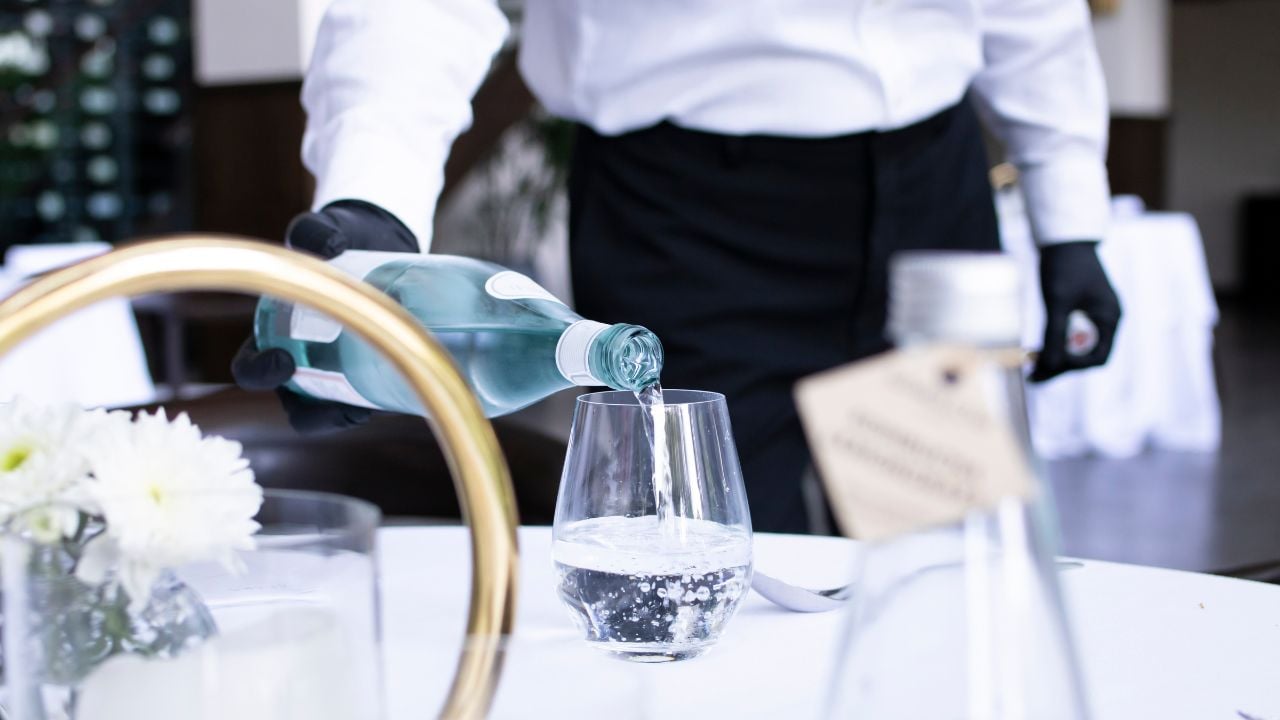
In the United States, a glass of water often appears without a request. Many European restaurants do not follow that routine. When a server asks whether guests want water, the question may refer to bottled still or sparkling water from the menu.
The bottle usually appears on the bill. A traveler who answers “still” may think they asked for plain water, while the server may understand that as still bottled mineral water.
Tap water can be perfectly safe and still not automatic at the table. The European Commission’s drinking-water policy focuses on safe water quality and better access to water for human consumption, including measures to promote tap water in restaurants and public spaces.
Restaurant service is where travelers need to be specific. Ask for tap water before the bottle is opened, and check the menu or receipt if the table receives branded mineral water.
2. France Feels Familiar, but Only If You Know What to Ask For
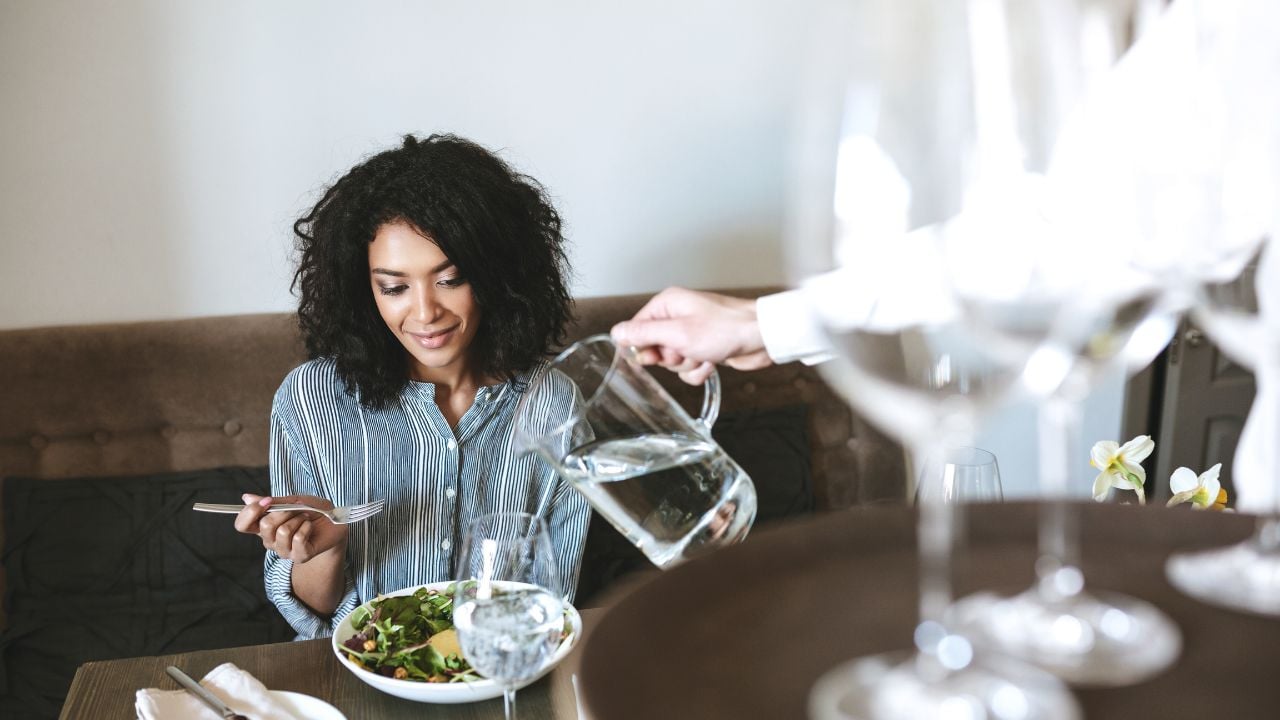
France is one of the easier countries for Americans once they know the phrase. French consumer guidance says restaurant customers can refuse mineral water or wine and ask for a free carafe of water instead.
The key wording is une carafe d’eau. France’s economy ministry says the carafe is free when the customer is consuming at the restaurant or drinking establishment.
That small phrase can change the bill. A traveler who asks for “une carafe d’eau, s’il vous plaît” is clearly asking for tap water. A traveler who answers “still” or simply accepts water may receive bottled mineral water instead.
Paris can produce two completely different experiences because of that wording. One guest gets a free carafe with the meal. Another guest gets a paid bottle and feels surprised when the check arrives.
3. Spain Has a Rule, but Tourists Still Need to Be Specific
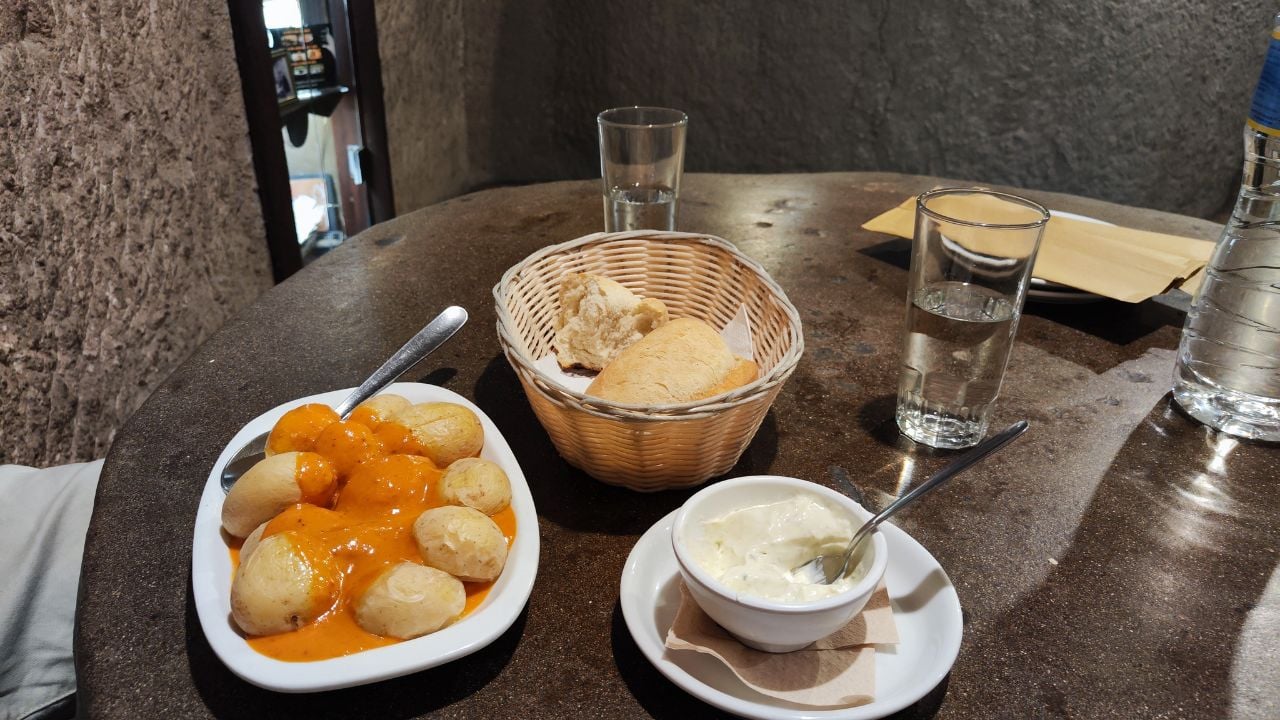
Spain gives diners strong legal protection on this issue. The country’s official drinking-water regulation says hospitality and restaurant establishments must always offer customers the possibility of consuming unpackaged water free of charge as a complement to the establishment’s offer.
The wording appears in Spain’s official state bulletin, which connects the rule to the country’s waste and circular-economy legislation. In plain terms, restaurants must make free non-bottled water available.
The table experience can still vary, especially in tourist areas where bottled water is often offered first. A visitor who asks only for “water” may receive a paid bottle because that is the default assumption in the moment.
The clearer request is “agua del grifo,” meaning tap water. It removes the ambiguity before a bottle is opened and helps avoid an awkward conversation when the check arrives.
4. The U.K. Rule Depends on Jurisdiction and the Type of Place
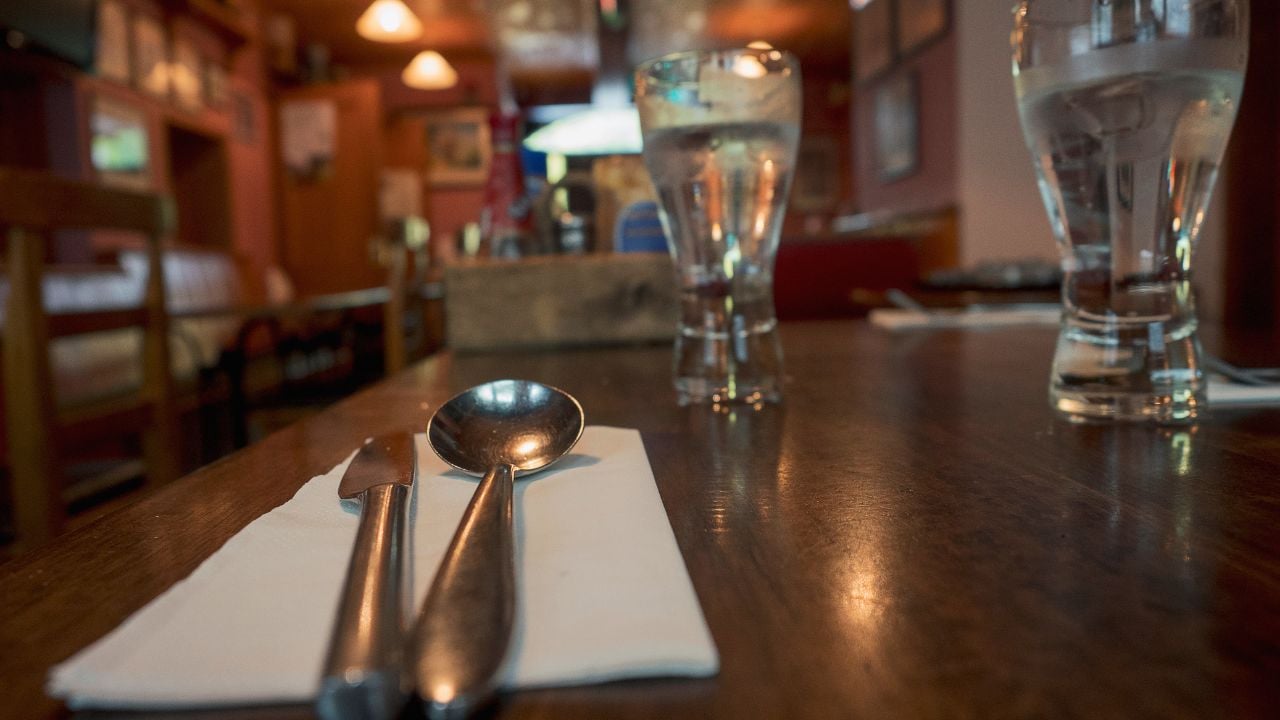
The U.K. can feel familiar to Americans, but water still may not arrive automatically. The legal rule also depends on the jurisdiction and the type of premises.
In England and Wales, mandatory licensing conditions say the responsible person must ensure that free potable water is provided on request to customers where it is reasonably available. In Scotland, the Licensing Act says tap water fit for drinking must be provided free of charge on request.
The phrase “on request” is the important part for travelers. Guests should not always expect water to land on the table without asking, especially in pubs, bars, and busy licensed restaurants.
A simple “tap water, please” usually solves the problem. Cafés, takeaway counters, food stalls, and other places may not fall under the same rules if they are not licensed premises, so asking clearly is still the safest move.
5. Germany Shows Why Safe Tap Water Does Not Mean Free Table Service
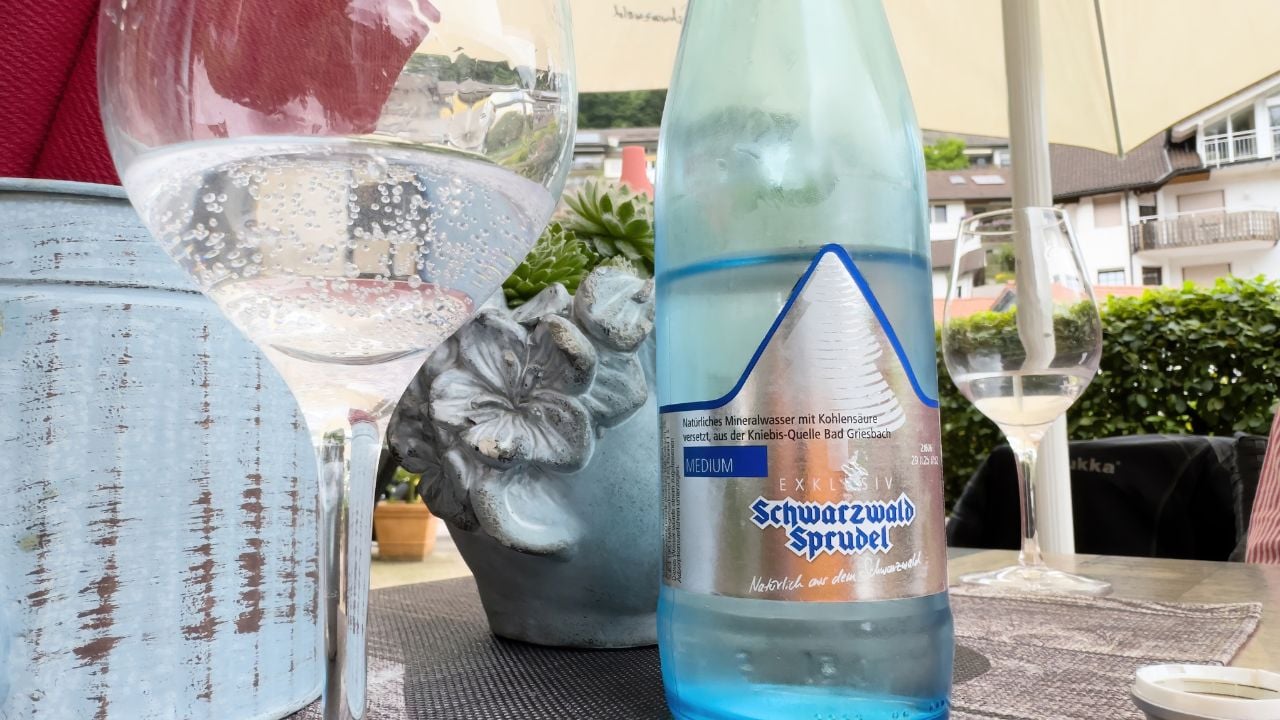
Germany is one of the places where Americans often misread the water routine. Tap water may be safe, but restaurant culture often leans toward paid bottled water, especially sparkling mineral water.
In a 2025 overview of tap-water habits in German-speaking countries, IamExpat Germany noted that German bars, cafés, and restaurants are advised to serve tap water but are not obliged to provide it free of charge.
That can lead to different outcomes from one place to another. A guest may receive a small free glass, a polite refusal, or tap water with a service charge. A bottle of mineral water is far more likely if the guest simply orders “water.”
The clearest request is “Leitungswasser, bitte,” meaning tap water, please. Travelers should also listen carefully when the server asks “still or sparkling,” because that choice often refers to paid bottled mineral water rather than free tap water.