Some trips look simple from a distance. A lake visit, beach day, mountain climb, coastal walk, or palace tour can look like something travelers can figure out after arrival.
The real visit can involve shuttle reservations, timed entry, advance fees, road closures, visitor caps, ID checks, and rules that leave little room for guessing at the gate.
These places are not bad choices. Moraine Lake, Mount Fuji, Hanauma Bay, Cinque Terre, and the Alhambra all remain major travel draws for good reason.
The safer approach is to check the official rules before booking the rest of the day. A reservation, correct ticket, early start, or backup plan can prevent a simple outing from turning into a wasted travel day.
1. Moraine Lake and Lake Louise, Canada
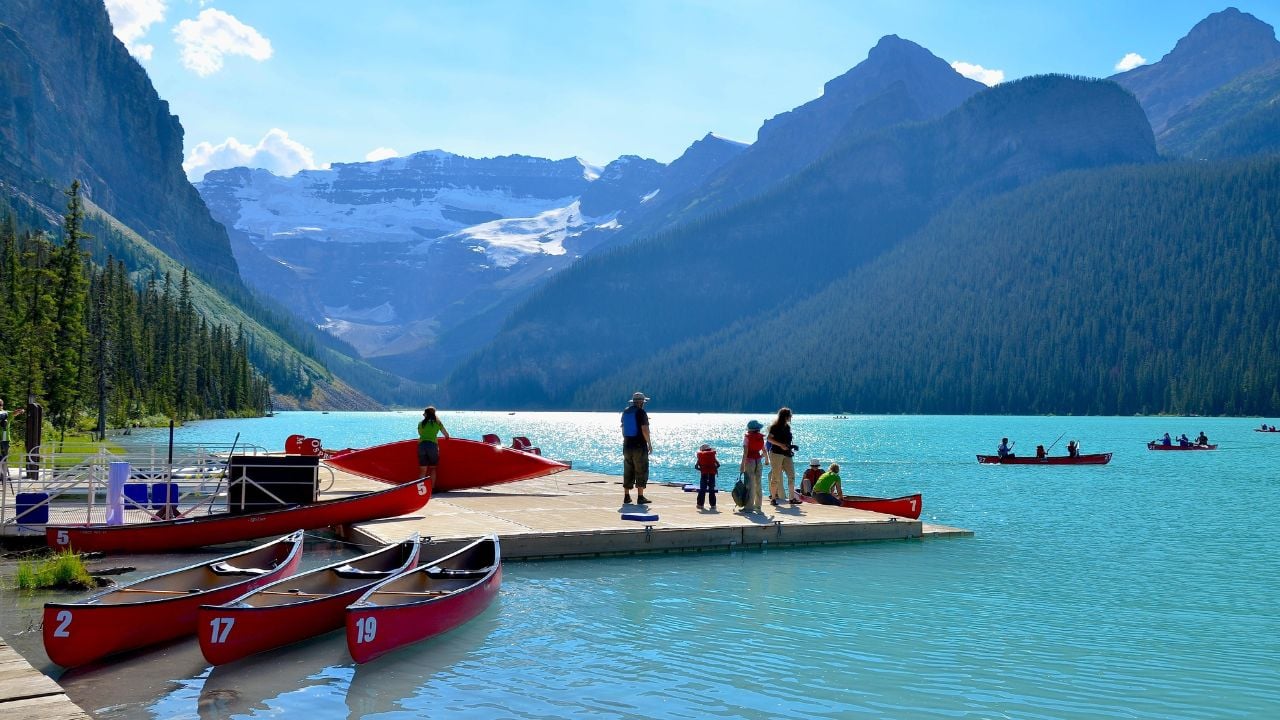
Banff’s turquoise lakes look like an easy road-trip win, especially for travelers who imagine driving up, parking, and walking straight to the viewpoint. Moraine Lake is no longer that kind of stop.
Parks Canada says Moraine Lake Road is closed to personal vehicles year-round. Access is limited to Parks Canada shuttles, licensed commercial operators with a Moraine Lake Road Licence of Occupation, and registered guests of Moraine Lake Lodge.
Shuttle reservations are required for Parks Canada shuttles. Parks Canada says the 2026 reservation launch is April 15 at 8 a.m. MDT, with more seats released two days before departure. Shuttle service is scheduled for Lake Louise Lakeshore from May 15 through October 12 and Moraine Lake from June 1 through October 12, weather permitting.
Lake Louise can create its own parking problem. Parks Canada says attempting to drive a personal vehicle to Lake Louise Lakeshore is not recommended, and that last summer about 75% of vehicles trying to access Upper Lake Louise were turned away once the limited spaces were full.
Plan the lake day around a shuttle, transit, or licensed tour rather than a parking gamble. Without a confirmed shuttle, transit, or commercial-operator reservation, Parks Canada says visitors are unlikely to find parking at Lake Louise Lakeshore during busy periods.
2. Mount Fuji, Japan

Climbing Mount Fuji may sound straightforward because the mountain is famous and well connected to Tokyo. The official climbing season now comes with fees, limits, equipment expectations, and gate restrictions.
The official Mt. Fuji climbing site says the 2026 Yoshida Trail season is scheduled from July 1 through September 10, though weather or remaining snow can delay the start. A 4,000 yen hiking fee must be paid in advance to make a reservation for passage.
Reservations close once the daily limit is reached. The official 2026 restriction notice says the Yoshida Trail has a maximum of 4,000 climbers per day, excluding people staying at mountain lodges, and a gate closing time from 2 p.m. to 3 a.m. for climbers without mountain-hut stays.
The rules are designed to reduce dangerous climbing behavior as well as crowding. The official notice tells climbers to avoid “bullet climbs,” stay on the trail, avoid taking lava or plants, avoid graffiti, carry trash back down, and prepare proper footwear, rain gear, and cold-weather clothing.
Mount Fuji should be planned like a mountain climb, not a casual sunrise scramble. Book passage or a hut early, check the trail status, bring proper gear, and leave enough time to pass the 5th station gate before restrictions begin.
3. Hanauma Bay, Hawaii
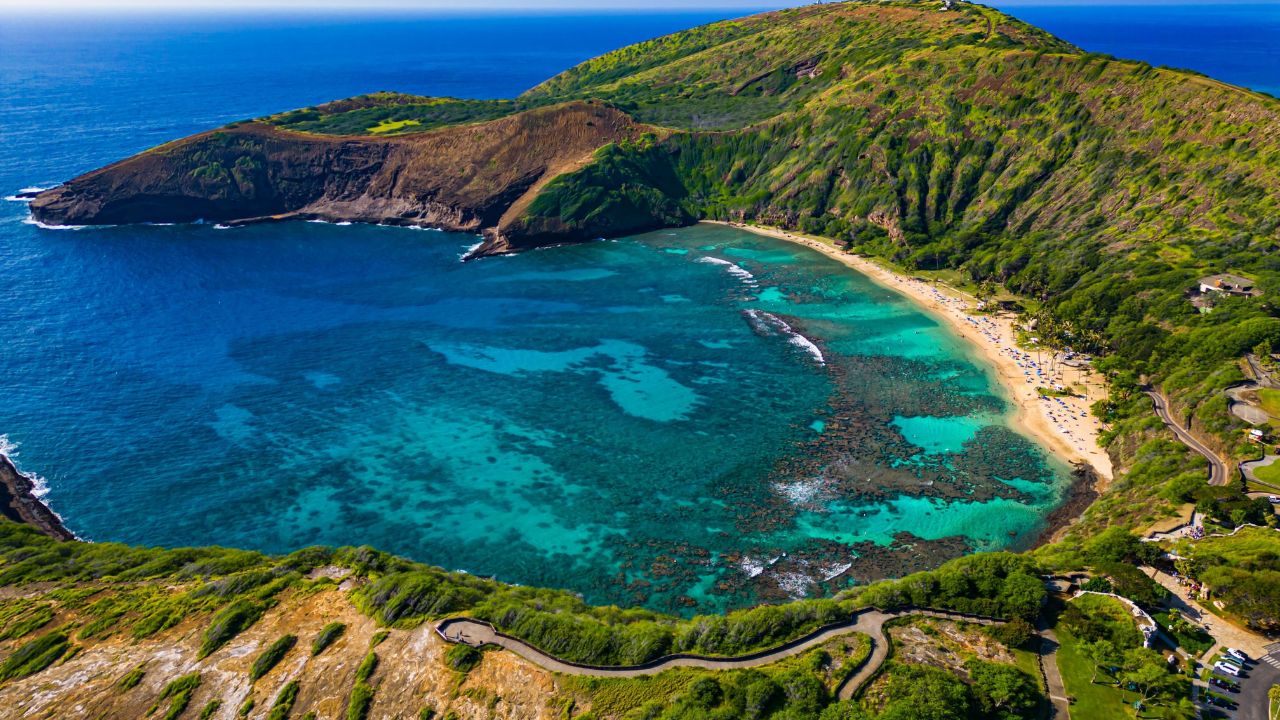
Hanauma Bay looks like a simple Oahu beach day with clear water, reef fish, and snorkeling close to Honolulu. The preserve uses a reservation and education system that visitors should understand before driving over.
Honolulu’s Department of Parks and Recreation says Hanauma Bay Nature Preserve is open Wednesday through Sunday, with entry allowed from 6:45 a.m. to 1:30 p.m. All visitors must leave by 4 p.m., and the beach is cleared at 3:30 p.m.
All visitors must watch the educational video during each visit. Previous viewing does not let visitors skip that step.
Non-Hawai‘i residents must pay to enter, and reservations are highly recommended. The city lists the nonresident entry fee at $25 plus an online fee, with a $3 parking fee for nonresidents. Parking fees are collected on-site in cash.
Standard admission-only reservations open two days ahead at 7 a.m. Hawaii Standard Time through the city’s PROS system. The city says a limited number of walk-in tickets are available, but everyone in the group must be present to receive one.
4. Cinque Terre, Italy

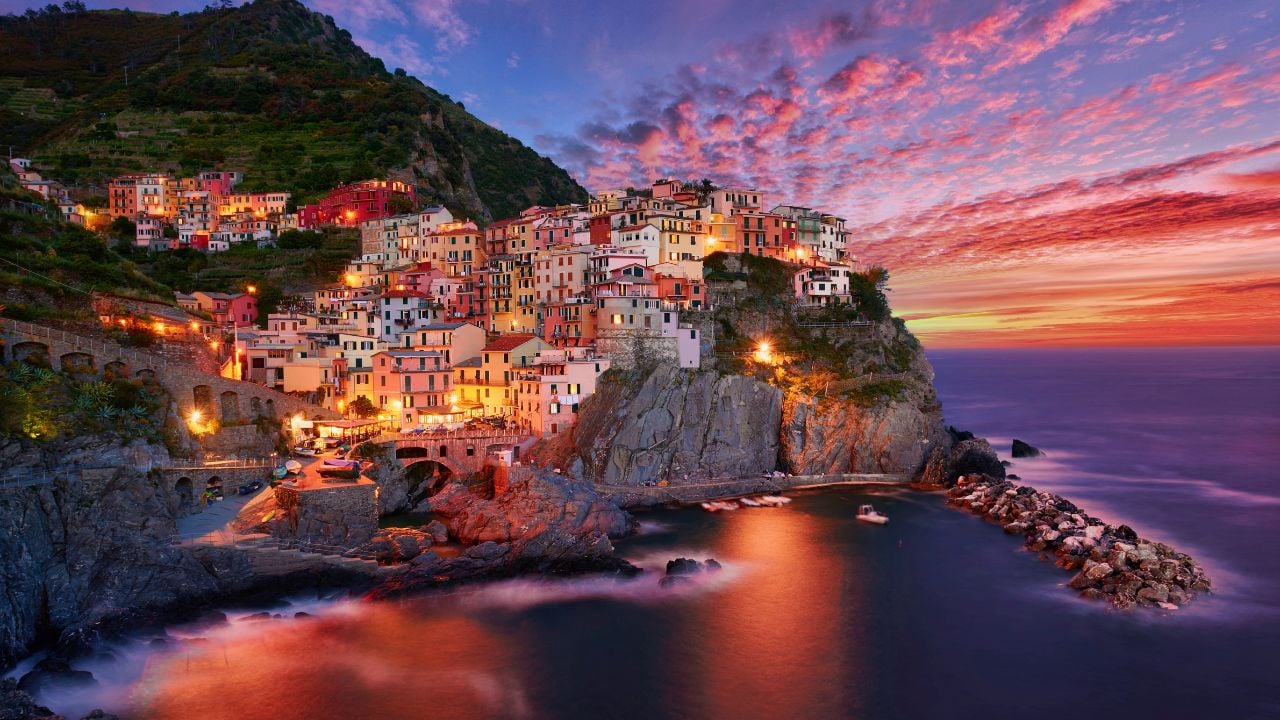
Cinque Terre looks effortless in photos: colorful villages, sea cliffs, trains, terraces, and walking paths between postcard towns. The most famous trail sections are more controlled than many first-time visitors expect.
Cinque Terre National Park says Via dell’Amore access is by reservation, with visitors selecting a 30-minute time slot and a maximum of 200 people allowed every 30 minutes.
The route is one-way for tourists, with entry from Riomaggiore and exit at Manarola. Individual tourists need a specific date and time slot, and access is allowed only during the reserved slot.
Groups face stricter requirements. The park lists a maximum group size of 30 people, reservation up to 72 hours in advance, prepayment, and access only during the reserved time slot.
Do not treat the Via dell’Amore as a casual add-on after lunch. Buy the correct Cinque Terre Card or Via dell’Amore ticket, choose the time slot, and leave enough room in the day for trains, crowds, and village stops.
5. The Alhambra, Spain

Granada’s Alhambra may look like a relaxed cultural visit from the outside, but the ticket rules are strict. A visitor who arrives without the correct document, QR ticket, or Nasrid Palaces timing can lose access to the most important part of the visit.
The official Alhambra ticket site says visitors must present an original ID card or passport to access the monumental complex. It requires punctuality for access to the Nasrid Palaces, a ticket with a QR code in physical or digital format, and a free individual ticket for children under 12.
The same ticket page says spaces included in the ticket can only be visited once. If the ticket includes the Nasrid Palaces, purchase or ticket withdrawal at the monument’s ticket offices must happen at least one hour before the assigned palace visit time.
Visitors should check the item restrictions before arrival. The official rules ban backpacks larger than 40 by 40 centimeters, selfie sticks, flash, and tripods in the Nasrid Palaces, with tripods restricted more broadly as well.
The Alhambra is best treated like a timed appointment. Keep the ID ready, arrive early enough for checks, protect the Nasrid Palaces slot, and leave the rest of Granada loose for walking after the visit.