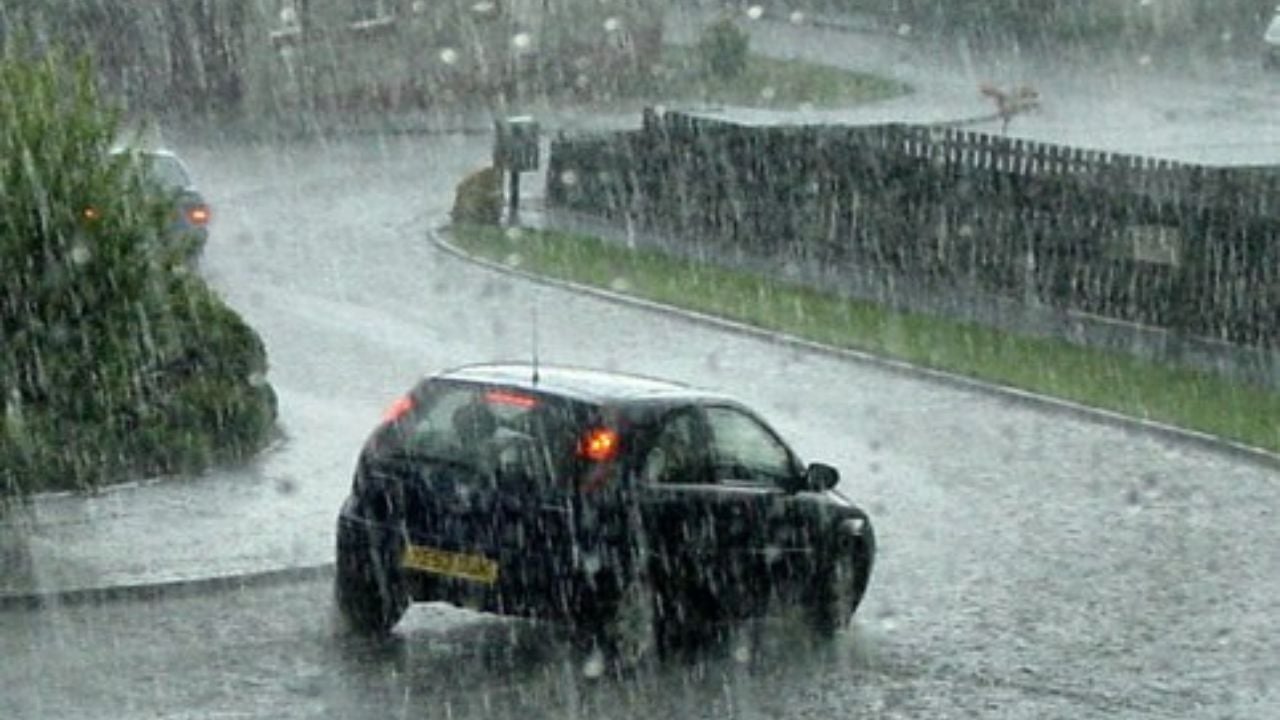

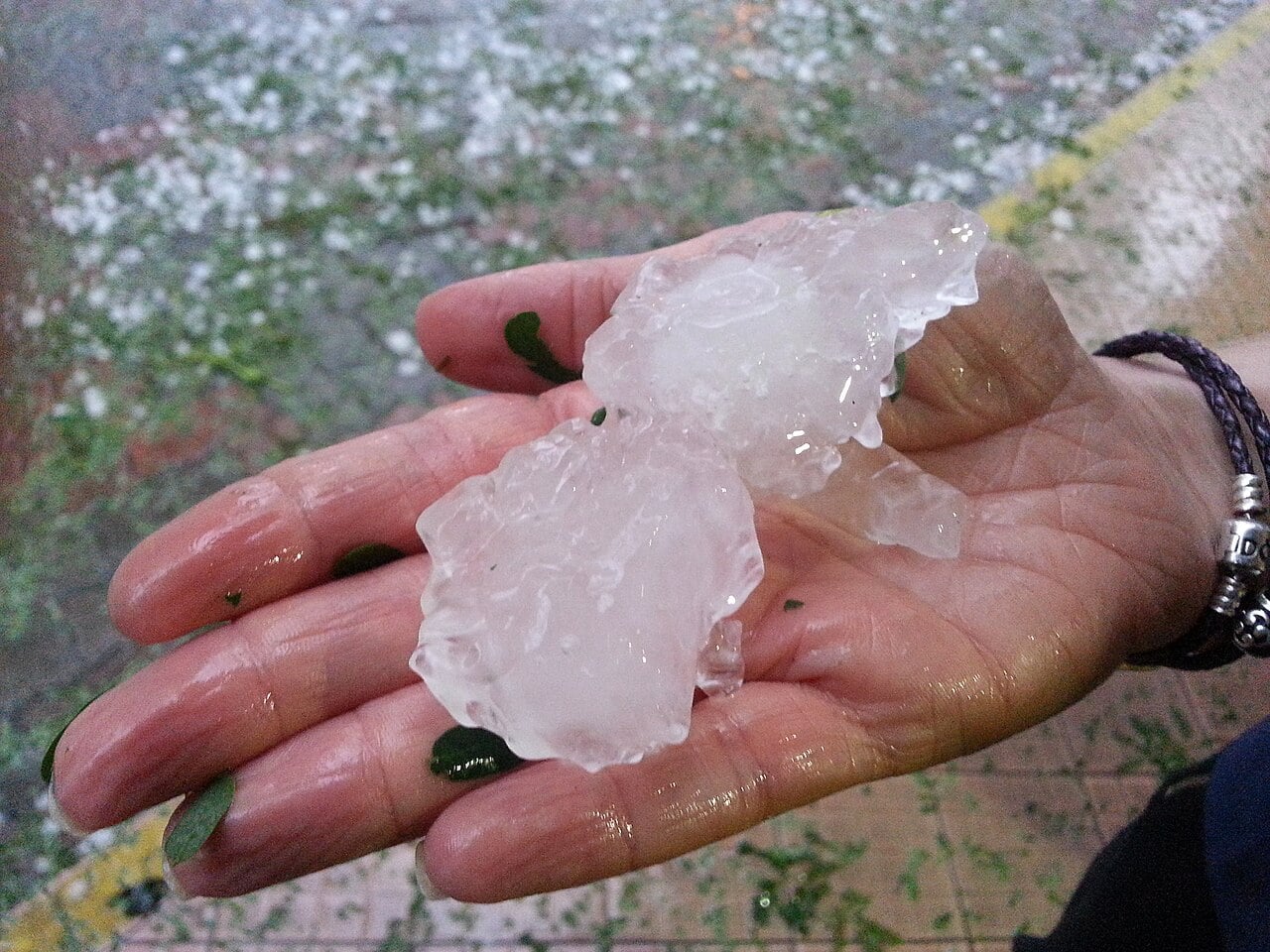
The sound hit first. A relentless barrage on the roof that made conversation impossible. On the evening of May 21, 2024, a hailstorm tore through Tulsa County, Oklahoma, dropping jagged ice stones the size of golf balls.
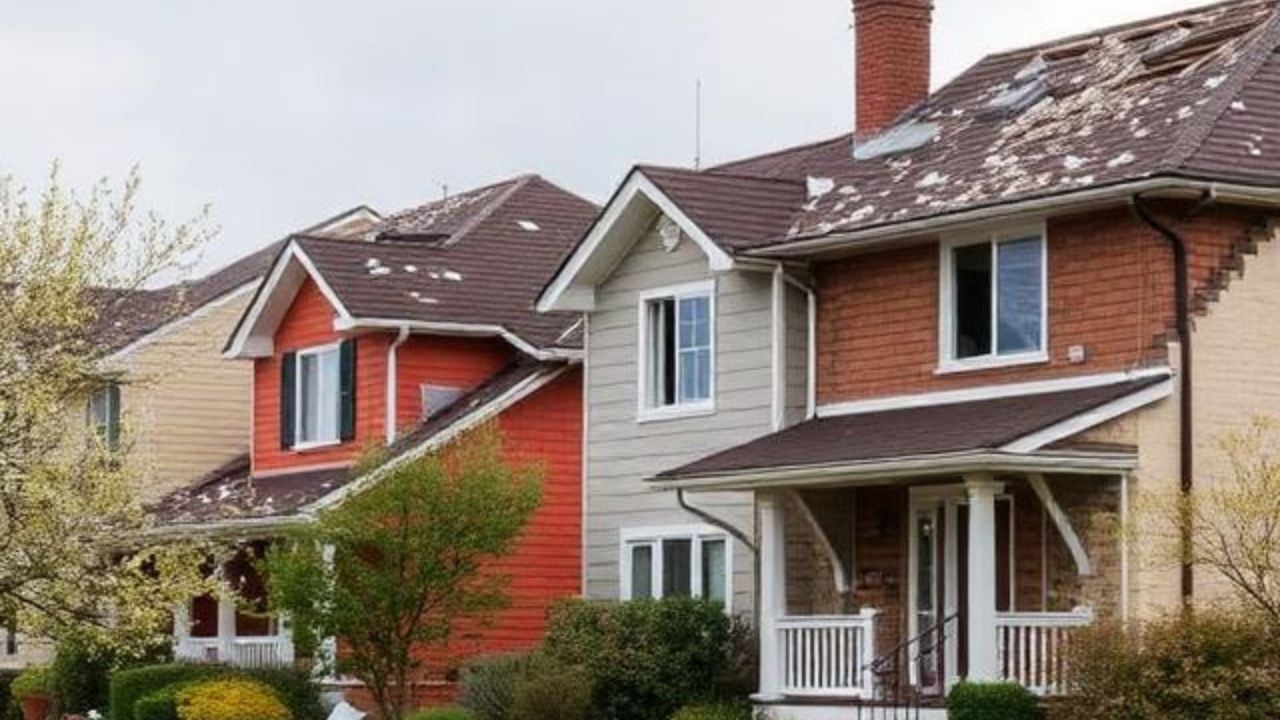
For homeowner Tim Willard, the aftermath was immediate and visible. Shingles were ripped away, and his yard was buried under a thick layer of ice. The damage was just as extensive. It was the kind of destruction homeowners trust insurance to handle.
Weeks later, Willard says an adjuster from his insurer, State Farm, inspected the damage and told him the roof should be replaced. That moment offered relief. It suggested the system was working. But later that same day, according to Willard, the decision was reversed. His claim was denied. Soon after, his policy was canceled altogether.
The Financial Fallout
The financial strain hit as hard as the hailstorm itself.

Without coverage, no insurer would take on a home with a compromised roof. Willard had little choice. He dipped into savings and borrowed money to fund a replacement; a project he estimates cost about $20,000.
Only after completing the repairs could he secure a new insurance policy. Then he took legal action, joining a growing number of homeowners accusing State Farm of failing to pay legitimate claims.
Across the United States, hundreds of similar lawsuits have been filed. Many focus on hail damage, a costly and increasingly common consequence of severe storms. In Oklahoma alone, more than 600 cases were pending as of early 2026.
The state’s attorney general has even intervened in one case, alleging that the insurer engaged in a coordinated effort to reduce payouts for wind and hail damage.
Two Alleged Strategies
The lawsuits outline two main strategies.
First, plaintiffs claim the company uses internal definitions of damage that are not written into customer policies.
For example, some homeowners say claims were denied because their roofs did not show what the company labeled as “functional damage,” such as punctures or fractures in shingles. Yet, according to court filings, these specific criteria were never disclosed in the policy terms.
Nicole Maziasz from Wisconsin encountered a similar situation after a 2023 hailstorm. Her claim was denied based on an engineering report stating her roof lacked sufficient signs of damage under the company’s internal standards.
Facing the threat of losing her coverage, she replaced the roof at a cost of about $30,000. She later sued, and the case ended in a settlement that reimbursed her expenses and legal fees.
Internal Oversight and Denials
The second alleged tactic employed by the insurer involves tighter internal oversight of claims adjusters. Former employees have testified that adjusters were not always free to make final decisions.
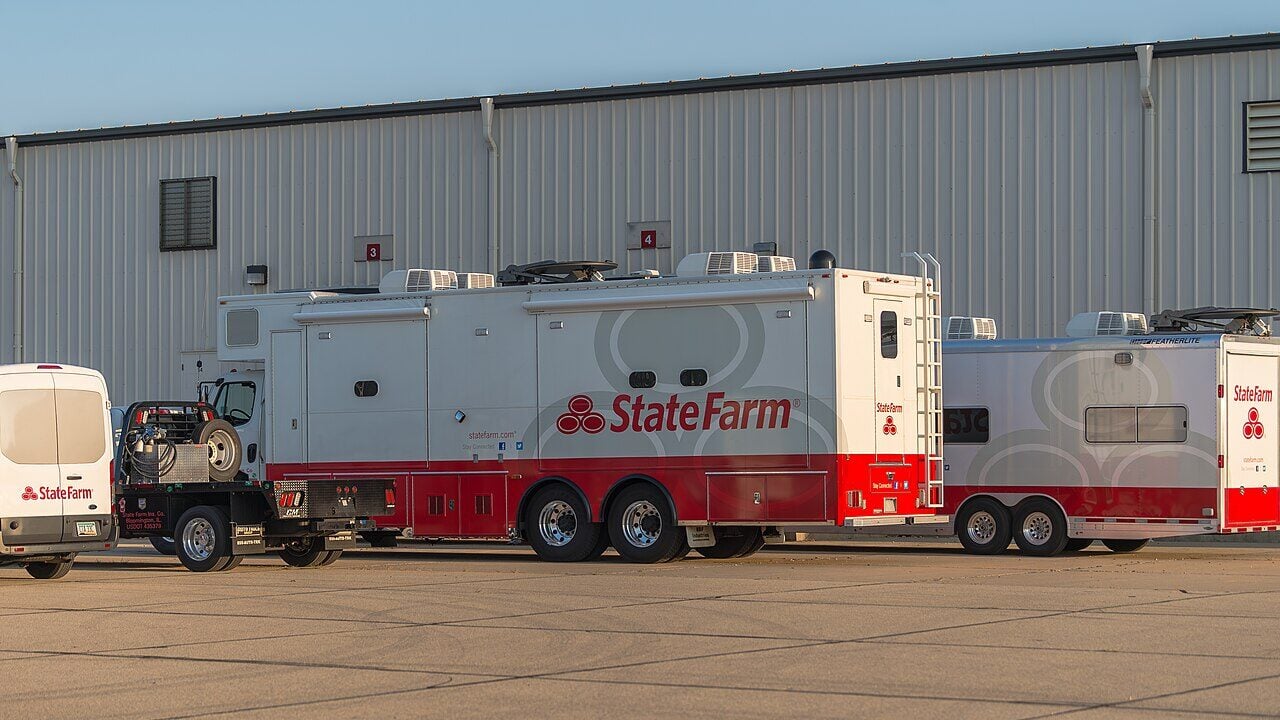
Instead, managers reviewed their findings to ensure they aligned with company guidelines.
In a 2022 deposition, a former claims specialist described being instructed to deny claims even when adjusters believed payment was justified. The experience, she said, weighed heavily on her conscience.
State Farm has denied all allegations of wrongdoing.
The company maintains that it evaluates claims based on policy terms and the facts of each case. It argues that paying for uncovered losses would drive up costs for all policyholders.
The insurer also points to the broader pressures facing the industry, including rising claims tied to extreme weather and increasing construction costs.
Those pressures are real and growing. Hail alone accounted for $51 billion in insured losses from severe storms last year, according to industry estimates. In some regions, hail claims make up as much as 80 percent of all severe weather-related filings.
At the same time, insurance premiums have surged. Since 2021, the average cost of home insurance in the United States has climbed 46 percent, far outpacing inflation.
A Broader Pattern in Home and Auto
Availability is tightening as well. Insurers are pulling back from high-risk areas, leaving more homeowners uninsured.
In states that are prone to severe weather, policy nonrenewals have spiked sharply over the past five years. The result is a fragile system where homeowners face rising costs, shrinking options, and increasing exposure to financial loss.
State Farm has faced similar accusations in its auto insurance business, including lawsuits over underpaying claims for totaled vehicles, mishandling accident settlements, and even allegations of discrimination.
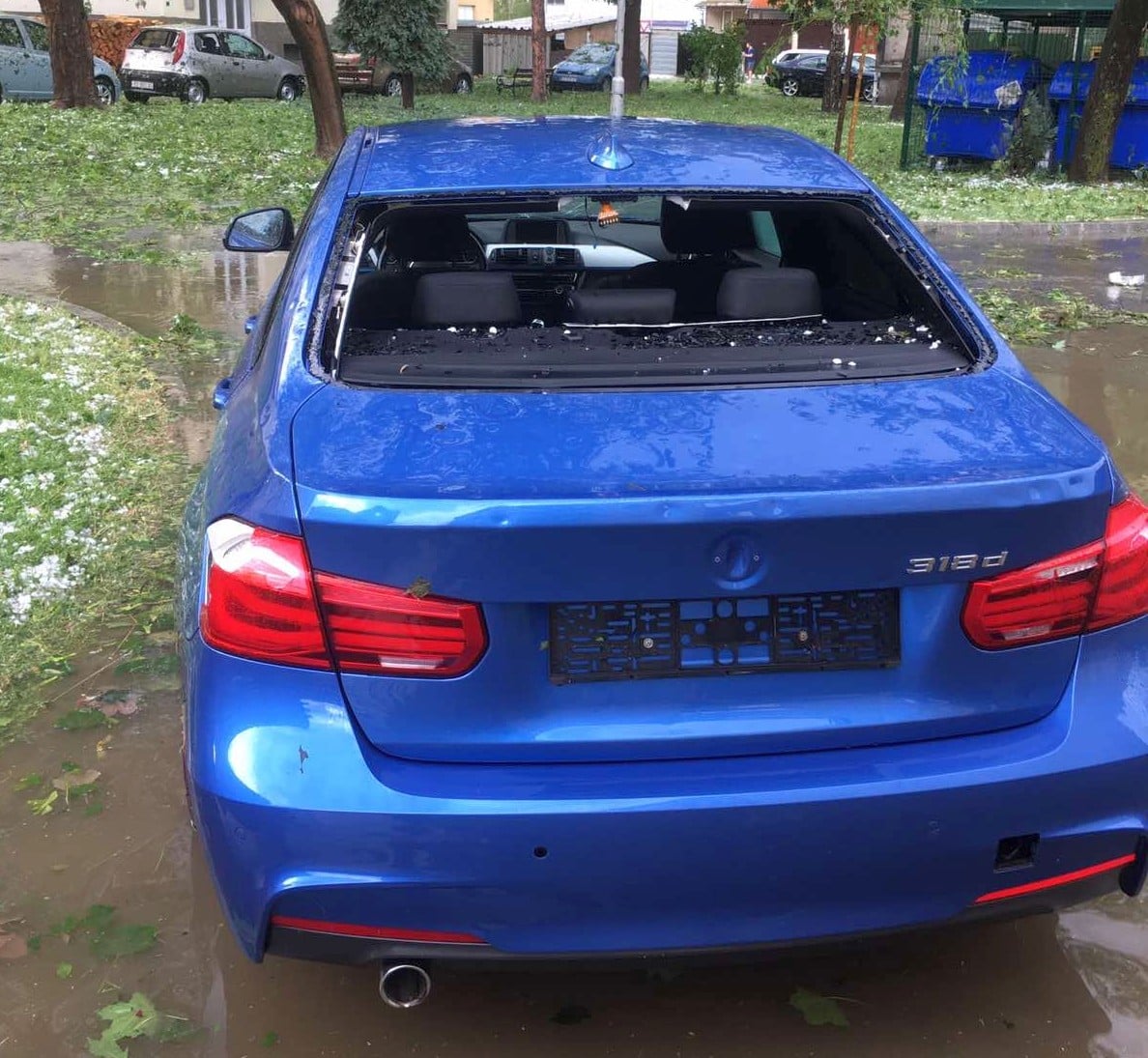
Courts have ruled against the company in several high-profile cases, resulting in multimillion-dollar penalties.
In 2025, a Washington federal court ordered State Farm to pay $54.6 million after finding that the company used “negotiation adjustments” that undervalued cars declared total losses. The court ruled this violated consumer protection laws, leaving policyholders shortchanged on replacement costs.
A 2025 lawsuit alleged State Farm mishandled an auto claim and discriminated against a black policyholder. The plaintiff claimed the insurer imposed unnecessary delays, forced him to use company-approved repair shops, and then underpaid his settlement.
Broader class actions have accused State Farm of bad faith practices, including minimizing payouts for vehicle damage and medical costs after accidents. Some lawsuits also challenge unfair premium increases without clear justification.
Summarily, both home and auto customers have accused State Farm of using internal standards not disclosed in policies, leading to denied or reduced claims.
The same themes of underpayment, opaque standards, and managerial overrides that appear in hail damage disputes also surface in auto insurance cases.
For Willard and others, the issue is not just about one storm or one claim. It is about trust in a system designed to provide stability when disaster strikes.
Sources: NPR