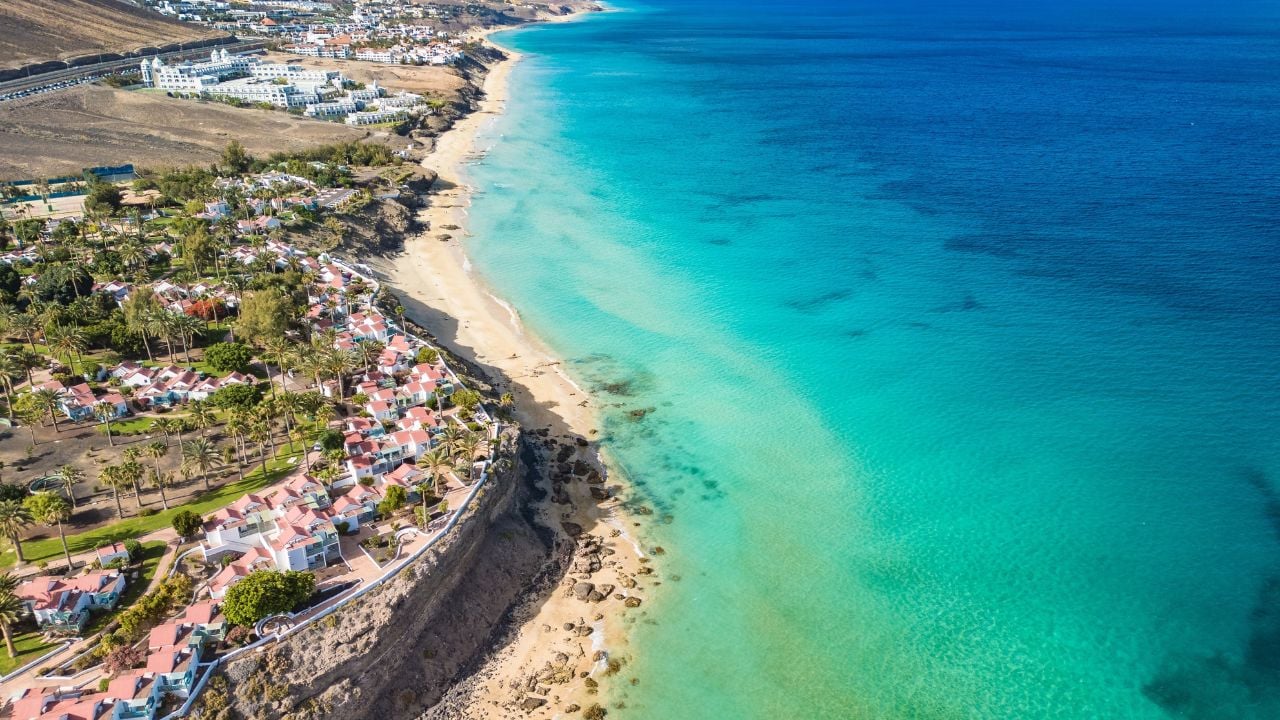
Some destinations keep drawing crowds even after the pressure becomes impossible to ignore. Travelers arrive for old streets, beaches, sunsets, temples, canals, and postcard views, while residents deal with housing strain, congestion, noise, short-term rentals, and public spaces that feel less local every year.
The pushback is now visible in concrete ways. Protests, tourist-rental restrictions, access fees, group limits, fines, and official etiquette campaigns are changing how visitors experience some of the world’s most popular places.
Travelers do not need to cancel every trip to destinations dealing with overtourism. They do need to stop treating those places as backdrops with no daily life behind them.
A better visit starts with legal lodging, longer stays, local spending, respect for posted rules, and fewer plans built around the most crowded pressure points. These five destinations remain popular, but local tolerance for careless mass tourism has clearly weakened.
1. Barcelona, Spain
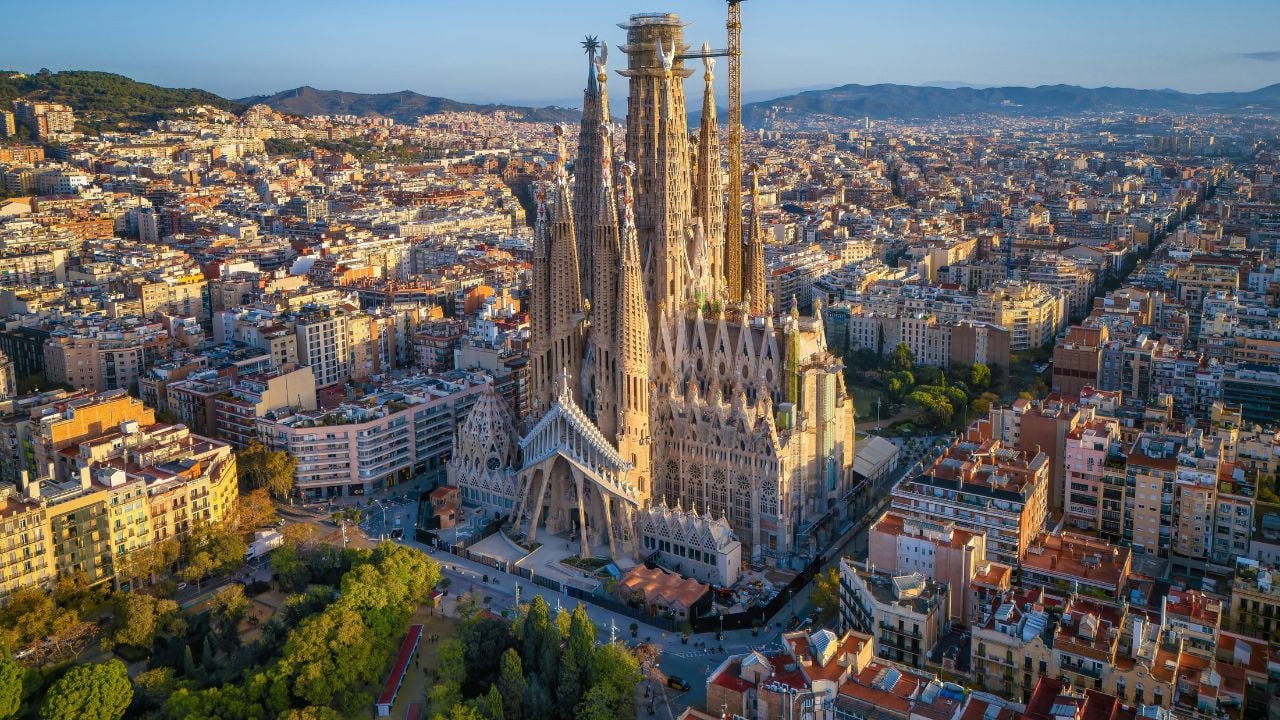
Barcelona has become one of Europe’s clearest examples of tourism backlash. The city draws travelers with Gaudí architecture, beaches, nightlife, food markets, museums, and walkable neighborhoods, but residents have repeatedly protested the pressure on housing and daily life.
A June 2025 AP account said Barcelona drew 15.5 million visitors in 2024, while demonstrators linked mass tourism to rising rents and the replacement of local businesses with tourist-focused services. The housing pressure also pushed the city toward a major rental crackdown: Reuters wrote that Barcelona plans to scrap the licenses of 10,101 apartments currently approved as short-term rentals by November 2028.
The tension became highly visible during coordinated overtourism protests in June 2025. In Reuters coverage of the demonstrations, Barcelona was described as the main protest site, with demonstrators using water pistols, smoke, protest stickers, and slogans including “Your holidays, my misery.”
Those scenes do not mean every resident dislikes visitors. They do show that tourists are entering a city where housing, public space, and neighborhood identity are already sensitive issues. Booking legal accommodation, avoiding party-heavy behavior, and spending beyond the most crowded tourist strips can make the visit less extractive.
2. Mallorca, Spain
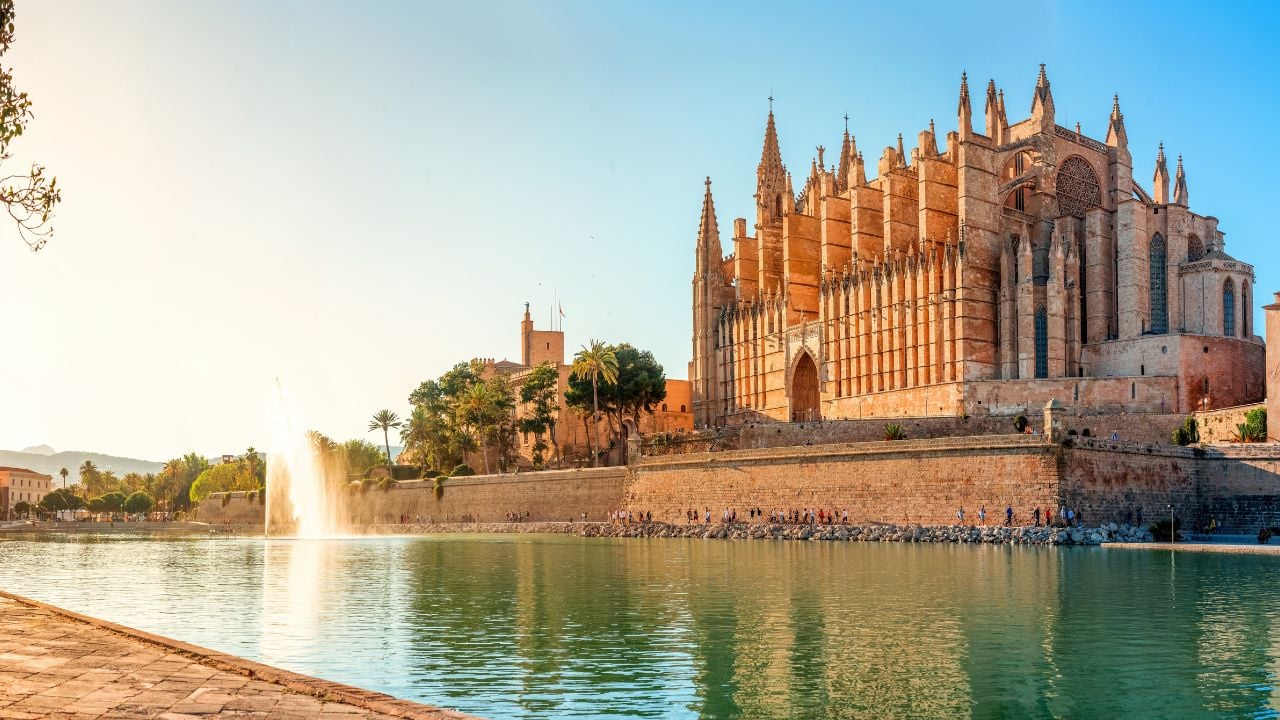
Mallorca sells the Mediterranean dream: coves, beaches, mountain roads, historic towns, sunny terraces, and easy island escapes. The same appeal has made the island a flashpoint for residents who feel squeezed by visitor demand.
The same AP story on Spain’s June 2025 protests said around 5,000 people gathered in Palma, with demonstrators blaming mass tourism for soaring housing costs. It also noted that similar demonstrations appeared in Ibiza and other Spanish destinations.
The frustration is not aimed at one visitor enjoying the beach. It comes from the scale of short stays, holiday rentals, party tourism, crowded streets, and services shaped around visitors instead of residents.
A better Mallorca trip gives the island more than a quick high-season hit. Legal lodging, quieter bases, local restaurants, off-peak timing, and respect for residential areas matter more now than they did when the island was treated as a simple sun-and-sea escape.
3. Canary Islands, Spain
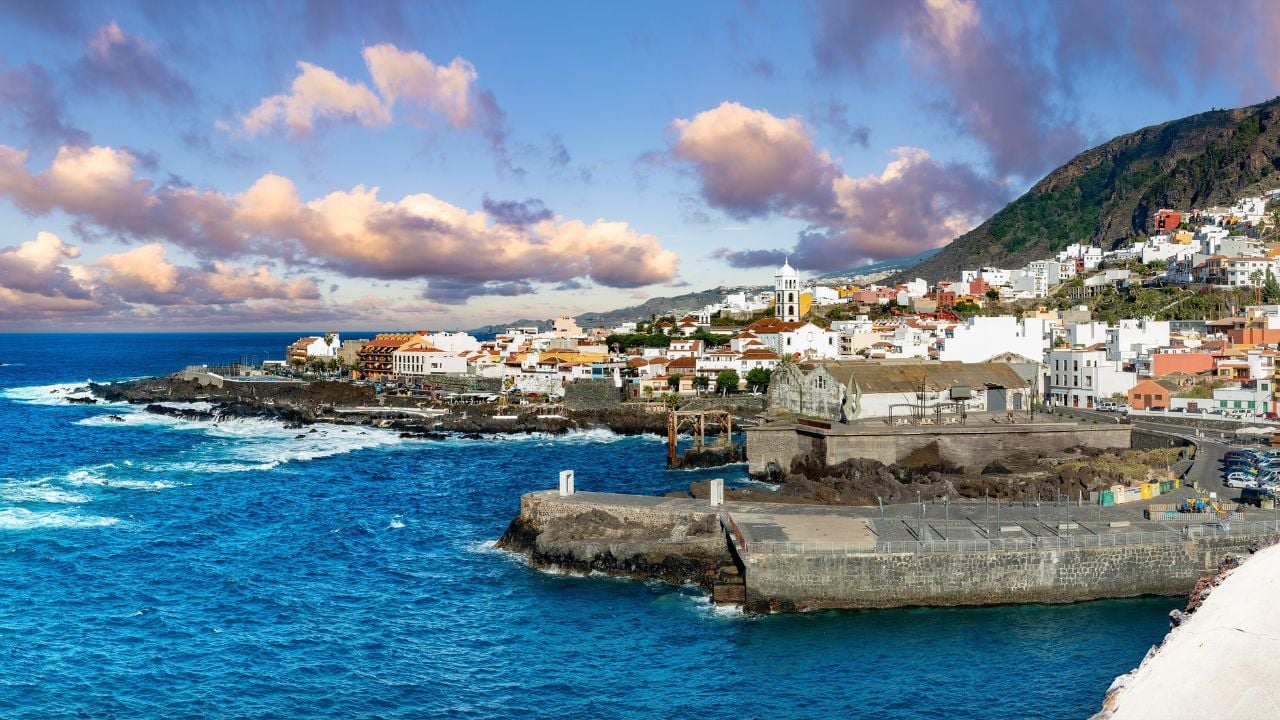
The Canary Islands remain a favorite for winter sun, volcanic scenery, beaches, hiking, resort stays, and warm-weather breaks. Local frustration has become much harder to ignore.
During May 2025 demonstrations, Reuters described thousands of protesters across the islands calling for limits on visitor numbers and warning about housing costs, traffic congestion, overburdened services, and pressure on water supplies. Demonstrators marched under the slogan “Canaries have a limit.”
Island destinations feel tourism pressure differently from large mainland cities. Land is limited, infrastructure has hard limits, water supply can become part of the debate, and rapid growth can change communities quickly.
Travelers can still visit the Canaries responsibly, but the cheapest all-inclusive version is not always the most helpful one for local communities. Staying longer, spending outside the resort, respecting natural areas, and avoiding peak-pressure behavior gives more back to the places carrying the load.
4. Venice, Italy
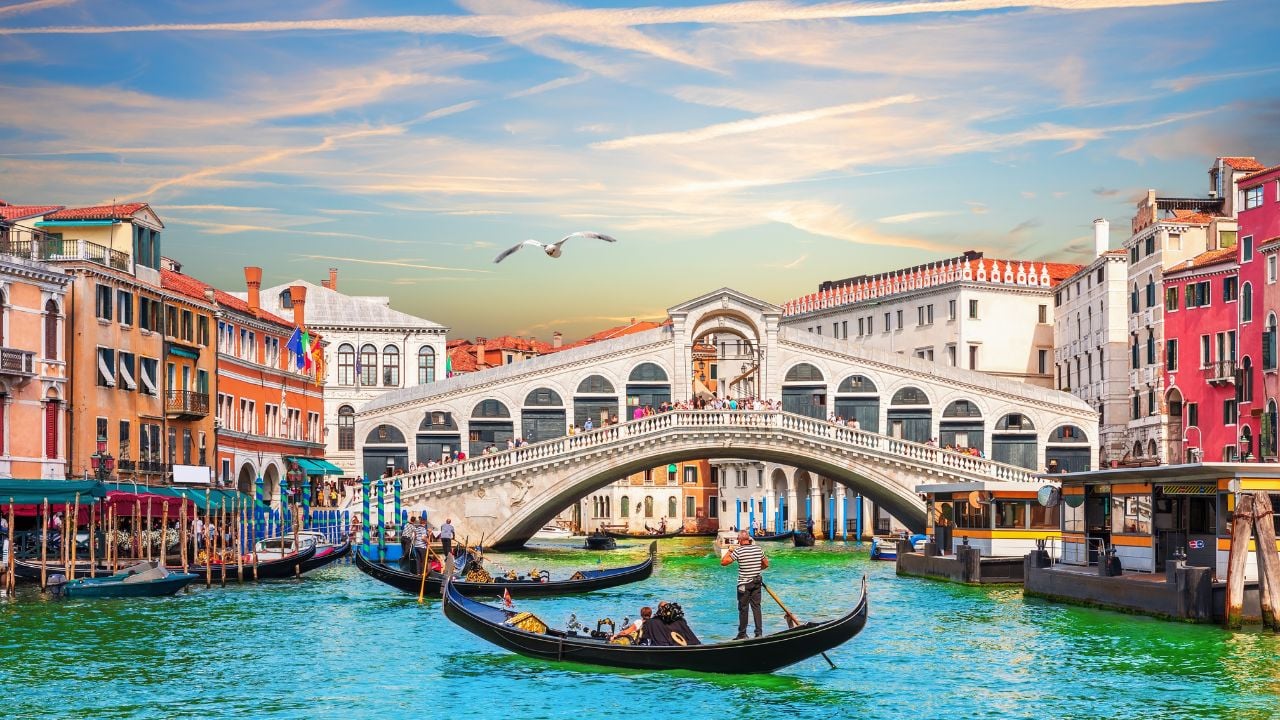
Venice remains one of the world’s most recognizable city breaks, with canals, bridges, palaces, narrow lanes, and lagoon views that continue to pull huge numbers of visitors. The local response has moved into formal controls.
Venice’s tourist-group rules are one example. AP coverage of the measure said the city moved to limit tourist groups to 25 people and ban loudspeakers as part of its effort to reduce the pressure of mass tourism on the historic center and nearby islands.
For 2026, day visitors also need to check the official Venice Access Fee rules before making a quick stop. The official portal says the access fee starts on April 3, applies only on selected dates, and runs from 8:30 a.m. to 4 p.m. on those days. The fee is €5 for eligible visitors who pay by the fourth day before access and €10 for later payment.
Venice is not only a museum-like setting for visitors. People live, work, shop, commute, and raise families there. Staying overnight, walking away from the busiest routes, keeping groups small, and respecting noise rules gives the city more space than a rushed day-trip crush.
5. Kyoto, Japan
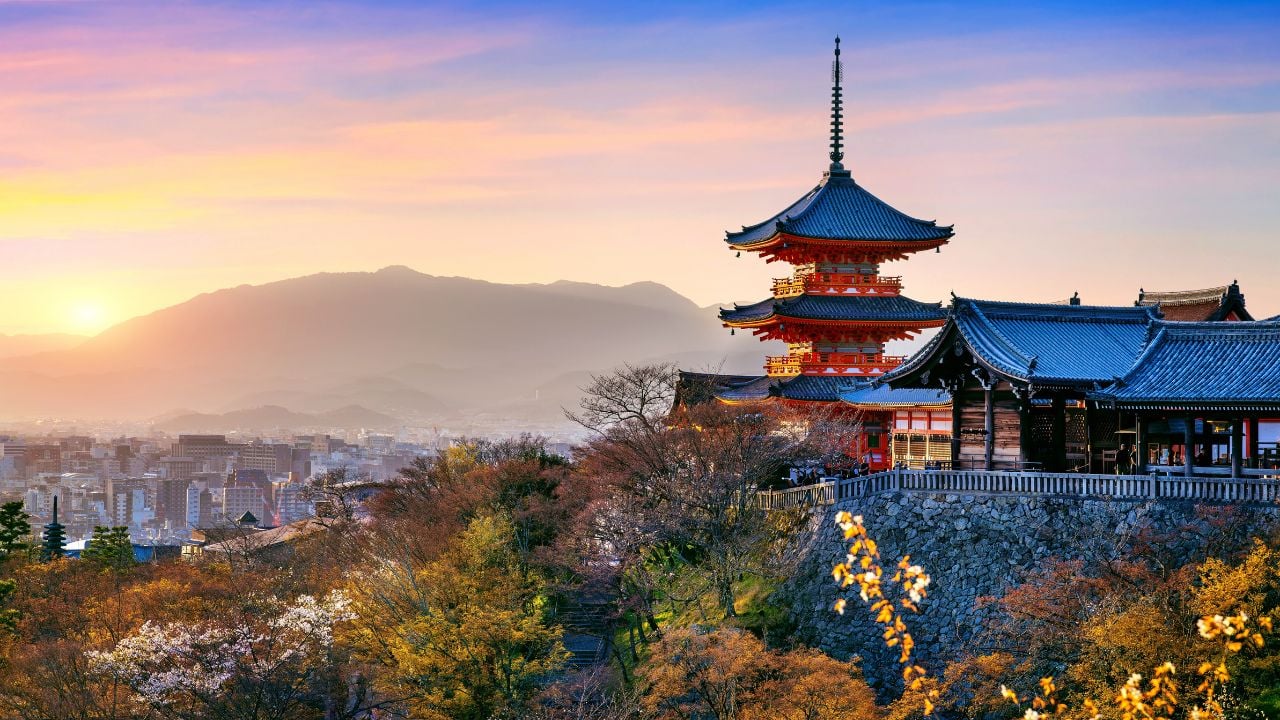
Kyoto’s temples, gardens, shrines, tea houses, and historic lanes continue to draw travelers from around the world. In Gion, visitor behavior has pushed parts of the neighborhood into stricter controls.
A 2024 AP story described parts of Gion closing private-property alleys to tourists, with signs warning visitors to stay out and noting a 10,000 yen fine. Public streets remain open, but the restriction targets trespassing, crowding, and disrespectful behavior around private lanes.
Kyoto’s official responsible travel guidance asks visitors to show consideration for local communities and protect the city’s cultural heritage. A newer official visitor-guidance page also tells travelers not to touch, chase, or photograph geiko and maiko without permission, enter private properties, block streets, or walk in large groups that obstruct traffic.
The old approach of wandering anywhere with a camera is exactly what residents are pushing back against. Kyoto is better for visitors who slow down, follow signs, avoid harassing geiko or maiko, and build days around more than the same crowded photo spots.