A famous destination can look perfect in photos while feeling exhausting on the ground. In 2026, travelers are dealing with higher local taxes, timed reservations, packed viewpoints, shuttle systems, and ticket prices that can turn simple plans into full planning projects.
The attraction may still be worth seeing. Santorini has the caldera views, Amsterdam has the canals, Kyoto has the temples, Banff has the mountain lakes, and Walt Disney World has the parks families plan around for years.
The harder part is the real-world version of the trip. A hotel rate may not include local taxes. A lake road may not allow private cars. A famous viewpoint may be crowded at the exact hour everyone wants the same photo. A theme-park ticket may be only one part of the final bill.
Better planning can prevent the worst surprises. Read the official visitor pages before booking, choose slower hours where possible, budget beyond the headline price, and leave backup space in the schedule for lines, transfers, weather, or access rules.
1. Santorini, Greece

Santorini delivers the whitewashed villages, blue domes, caldera views, and sunset scenes that made it one of Europe’s most photographed islands. The same beauty pulls heavy crowds into narrow lanes, especially around Oia and Fira during peak hours.
The Municipal Port Fund of Thira’s cruise policy says the maximum number of cruise passengers visiting Santorini on the same day will not exceed 8,000 in 2026. The cap gives the island a formal crowd-management structure, but it also shows how much pressure cruise traffic can put on a small destination.
The most frustrating visits often come from short cruise stops. Travelers may have only a few hours to tender ashore, reach Fira, continue to Oia, take photos, and return before departure. When several ships arrive in the same window, the island can feel crowded before the day has properly started.
Hotels and restaurants in the prime caldera areas can also feel priced around demand. Staying overnight, checking cruise calendars, walking early, and spending time in villages beyond Oia gives Santorini a better chance to feel like a place rather than a single crowded viewpoint.
2. Amsterdam, Netherlands
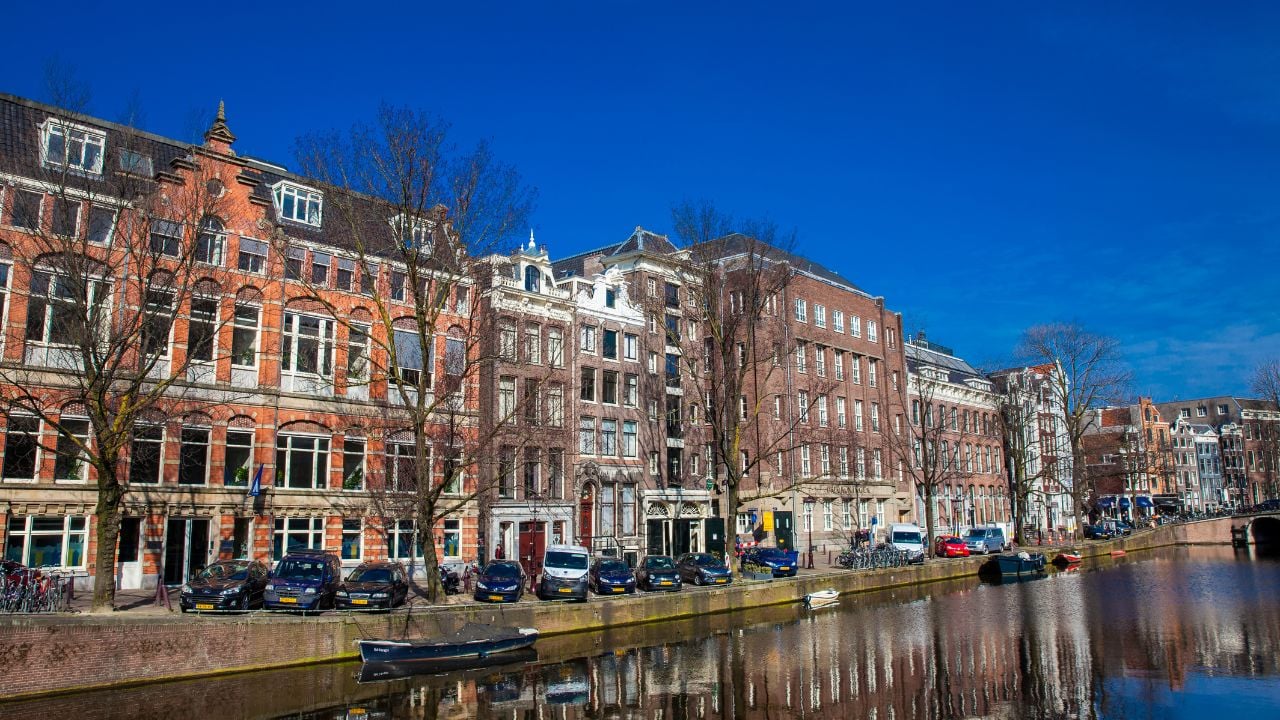
Amsterdam looks easy at first glance. The canals, museums, bike lanes, cafés, and compact neighborhoods make the city feel simple to navigate on paper.
The cost of staying there can surprise travelers. The City of Amsterdam’s tourist tax page lists a tourist tax of 12.5% of the overnight price, excluding VAT, along with a €15 day tourist tax per cruise passenger.
That extra charge can make a hotel or apartment stay more expensive than the first search result suggests. Travelers comparing nightly rates should check whether local taxes are included before deciding one property is cheaper than another.
Crowds can also drain the fun from Amsterdam’s most famous areas. Dam Square, canal boat docks, the Anne Frank House area, museum entrances, and the Red Light District can move slowly when bikes, trams, tour groups, and narrow sidewalks all compete for space.
A smoother trip starts with early museum bookings and fewer plans in the packed core. Neighborhoods outside the busiest center can give visitors the canal-city experience with more room to walk, eat, and slow down.
3. Kyoto, Japan

Kyoto has the temples, shrines, gardens, tea houses, old streets, and seasonal scenery that make it one of Japan’s most desired stops. In 2026, lodging-related costs need closer attention, especially for visitors staying several nights.
Kyoto’s official tourism site says revised accommodation-tax rates took effect from the beginning of March 2026. The tax ranges from ¥200 per person per night for stays under ¥6,000 to ¥10,000 per person per night for stays of ¥100,000 or more.
Those nightly charges can add up quickly for couples, families, and luxury travelers. Budget stays face a smaller amount, but the tax still belongs in the trip calculation before booking.
The crowd pressure is often strongest at the exact places visitors dream about. Gion, Kiyomizu-dera, Arashiyama, Fushimi Inari, and Nishiki Market can feel crowded even when the setting looks beautiful.
Early starts help, but many travelers now follow the same strategy. A better Kyoto day mixes one famous sight with a smaller temple, garden, residential lane, or meal away from the busiest photo routes.
4. Banff National Park, Canada
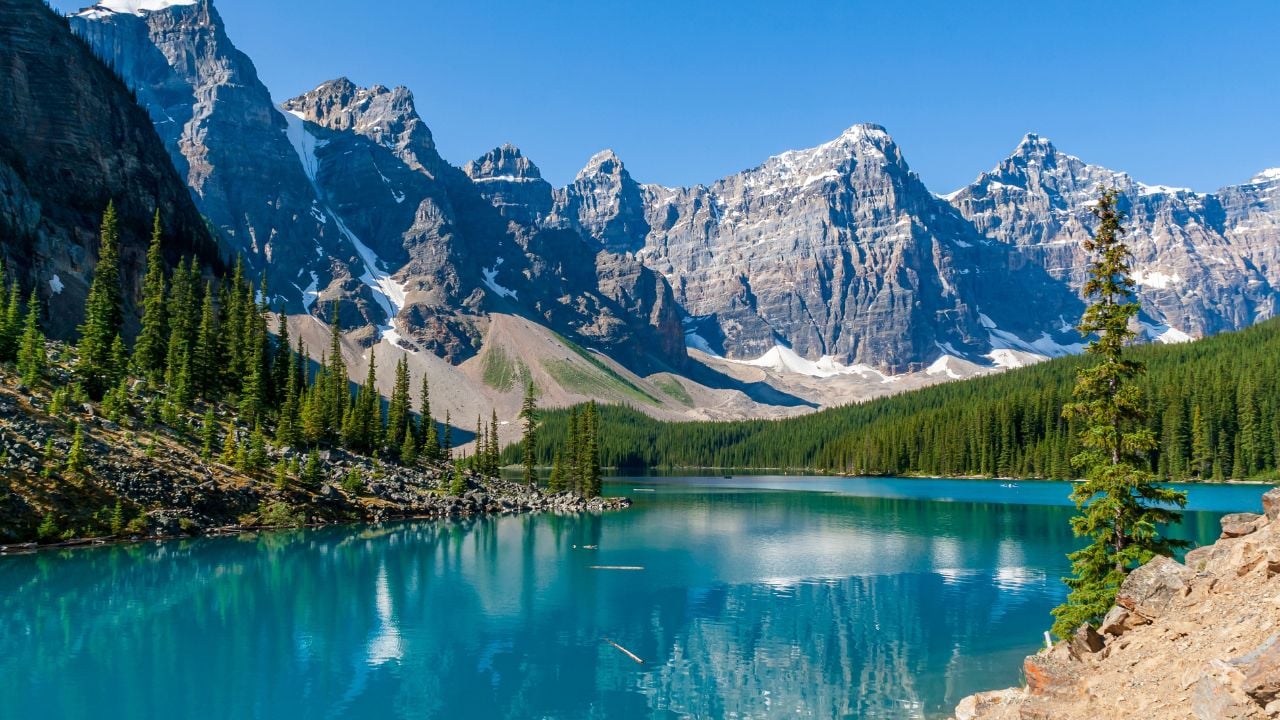
Banff promises mountain lakes, glacier-fed water, pine forests, and huge alpine scenery. Lake Louise and Moraine Lake, however, now require more planning than many first-time visitors expect.
Parks Canada says Moraine Lake Road is closed to personal vehicles year-round. Access is limited to Parks Canada shuttles, licensed commercial operators, and registered guests of Moraine Lake Lodge.
The same Parks Canada guidance says shuttle reservations are required, and travelers without a confirmed reservation for shuttle, transit, or a commercial operator are unlikely to find parking at Lake Louise Lakeshore during peak periods.
The system protects the area from traffic overload, but it can frustrate travelers who imagined a spontaneous mountain drive. Missing a reservation, arriving late, or underestimating transit time can change the whole day.
Banff is spectacular, but the most famous lake stops need transportation planning before arrival. Reserve the shuttle early, build in time for transfers, and avoid treating Lake Louise and Moraine Lake like quick roadside pull-offs.
5. Walt Disney World, Florida

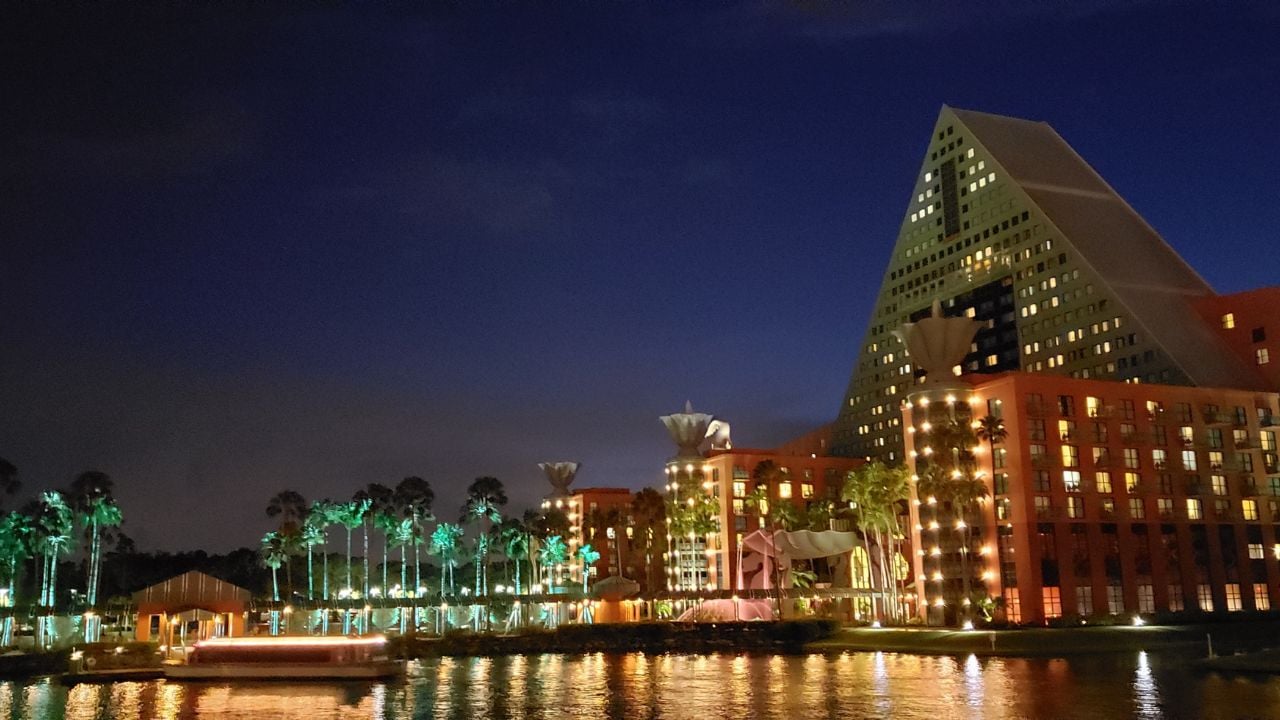
Walt Disney World remains a dream trip for many families, but the cost side keeps getting harder to ignore. Disney’s official 4-Park Magic Ticket page lists a limited-time 4-Day, 4-Park Magic Ticket starting at $109 per day, plus tax, with a total starting price of $436, plus tax.
Even a discounted ticket offer is only part of the total trip cost. Hotels, meals, transportation, paid line-skipping options, parking, souvenirs, and rest days can push the final number far beyond the ticket price.
Reuters has also reported that Disney planned higher U.S. theme-park admission prices during peak holiday periods starting in 2026, with Walt Disney World one-day tickets rising above the previous top price of $199.
Crowds affect the mood as much as the price. Disney’s Park Hopper page says the ability to visit another park is subject to capacity limitations. Flexibility can depend on demand, especially during holidays and other busy periods.
The trip needs a clear spending plan before arrival. Choose park days carefully, compare ticket types, reserve key dining or experiences early, and avoid building every day around maximum park time. Walt Disney World can be memorable, but the easiest version disappears quickly when the budget and schedule are vague.