
A hotel room can feel private, but it is not only your space. Staff enter it, future guests use it, and the same furniture, linens, carpets, walls, and air systems have to be reset after every stay.
Small careless habits can lead to cleaning fees, safety risks, hygiene problems, damaged property, or a worse experience for the next person who checks in.
Most hotel mistakes are avoidable with a little common sense. Protect valuables, follow fire-safety basics, respect non-smoking rules, avoid messy food problems, and read the fee policy before assuming anything is included.
Good hotel behavior does not require leaving the room spotless. It means using the space in a way that does not create extra work, extra costs, or unnecessary problems after checkout.
1. Never Smoke or Vape in a Non-Smoking Room
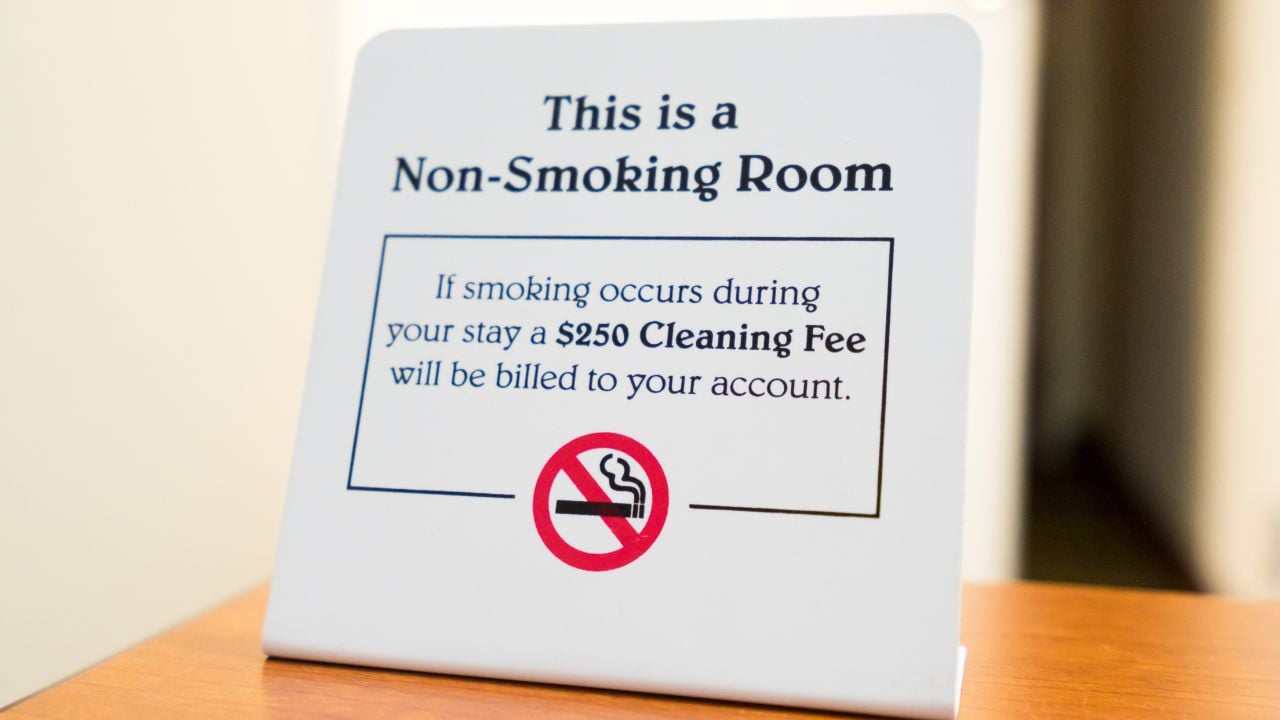
Smoking in a non-smoking room is one of the fastest ways to trigger a cleaning fee. Smoke can cling to curtains, bedding, carpets, furniture, walls, and air systems long after the guest leaves.
Vaping can create problems too. Hotels may treat vapor odors, residue, or complaints from nearby rooms as a room-rule violation, even when a guest thinks it is less noticeable than cigarette smoke.
A study of hotel guest complaints about tobacco, electronic cigarettes, and cannabis found that 80% of those complaints were linked to thirdhand smoke residue lingering from previous guests.
An open window does not erase the problem. If you need to smoke, ask the front desk where it is allowed and keep all smoke or vapor away from non-smoking rooms, balconies with restrictions, hallways, and shared entrances.
2. Never Ignore the Fire Escape Plan
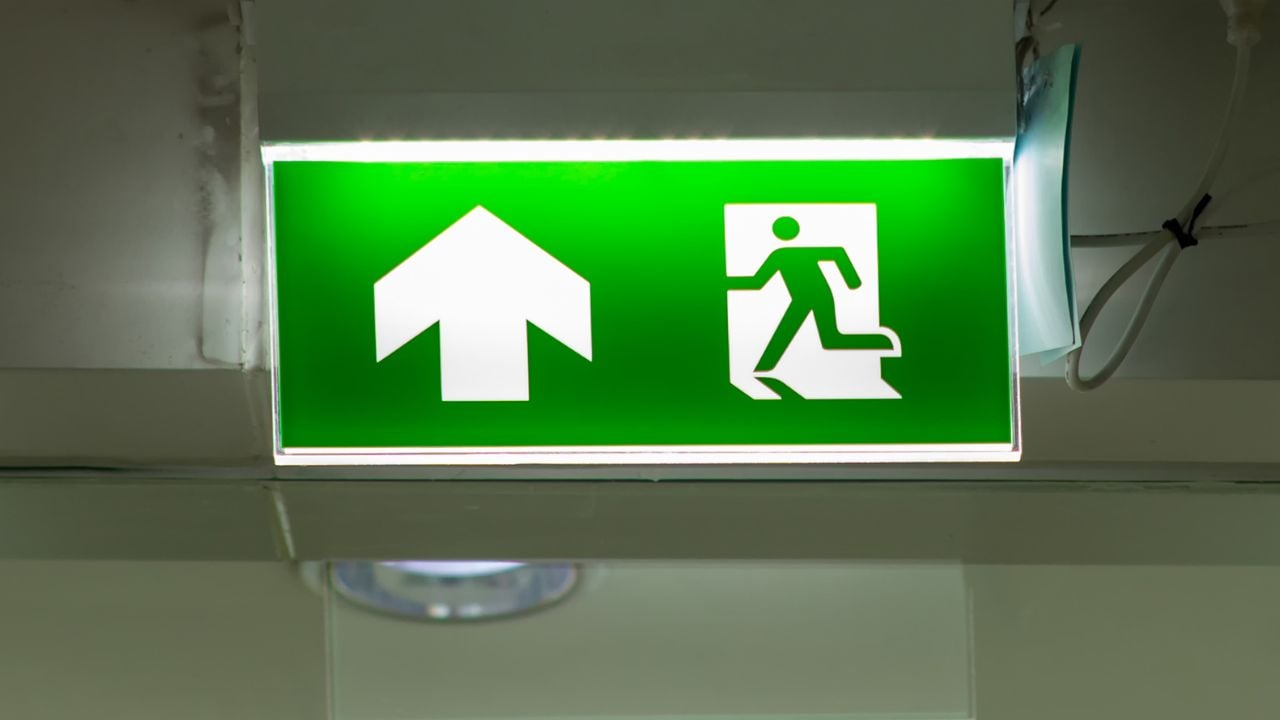
Most travelers enter a hotel room, drop their bags, and ignore the emergency map on the door. A fire alarm, smoke, power outage, or hallway evacuation leaves very little time to learn the route.
The National Fire Protection Association’s hotel and motel safety guidance tells travelers to review the escape plan, locate the exits, and count the number of doors between the room and the nearest exit.
Counting doors sounds minor until smoke makes the hallway hard to see. Knowing whether the exit is three doors away or ten doors away can help you move faster without relying on signs alone.
Keep the room key, phone, and shoes close to the bed. If you need to leave quickly, those few seconds can matter more than digging through bags in the dark.
3. Never Leave Valuables Sitting in Plain Sight
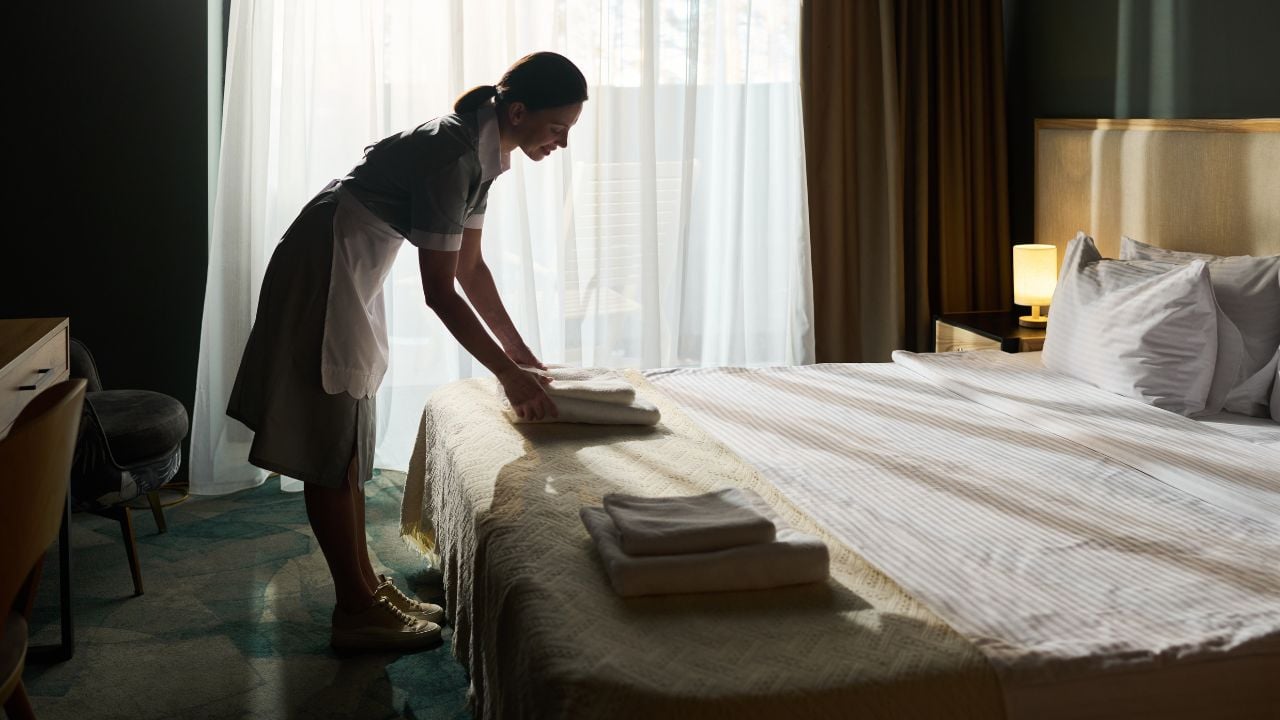
A hotel room may feel secure, but it is not the same as your home. Housekeeping, maintenance staff, minibar staff, and other authorized workers may have legitimate access during a stay.
Leaving passports, wallets, laptops, jewelry, cameras, or cash on the desk or bed creates unnecessary risk. It also makes the room harder for staff to clean without worrying about moving or disturbing personal items.
Use the in-room safe when it is available and working. If the safe looks unreliable, ask the front desk whether secure storage is available.
The point is not to distrust every employee. It is to avoid leaving expensive or important items visible in a room that several people may need to enter.
4. Never Use the Room Like a Kitchen
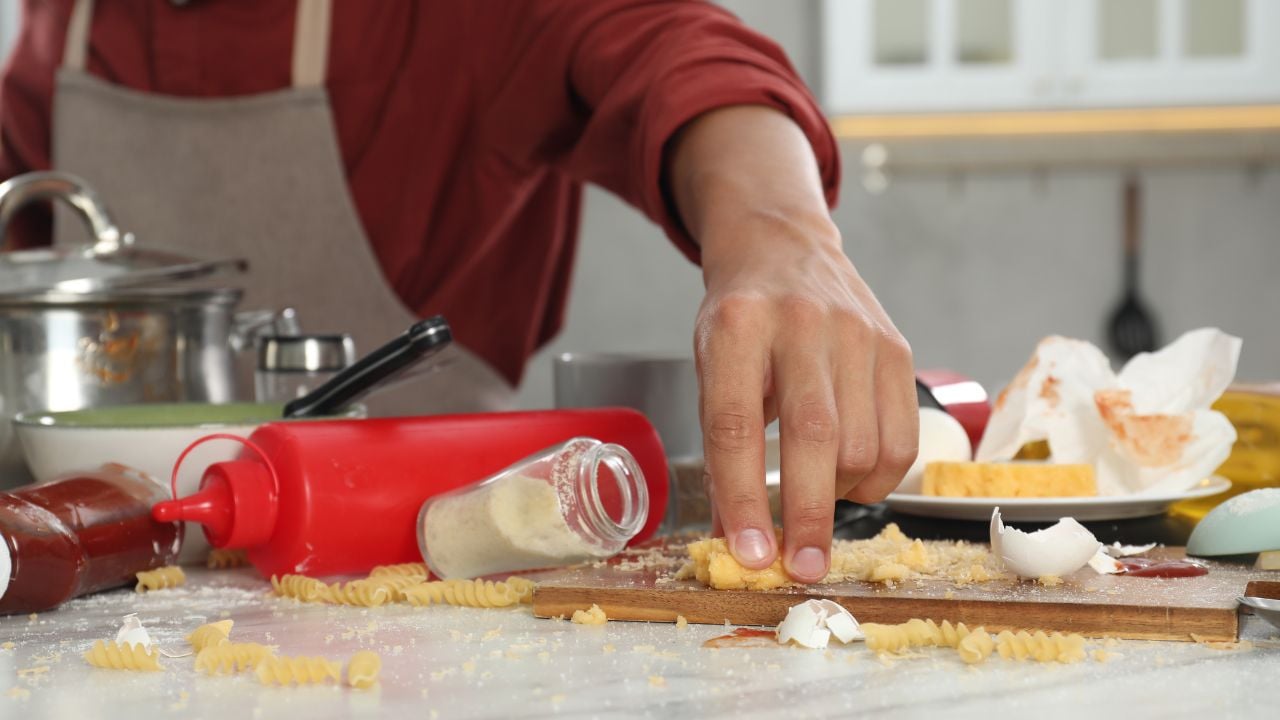
Hotel rooms are not built for messy cooking experiments. Strong-smelling food, spilled sauces, grease, crumbs, and overloaded outlets can create problems that remain after checkout.
Use only the appliances the hotel provides or clearly allows. Microwaves, kettles, mini-fridges, and coffee makers should be used carefully, and any personal cooking appliance should be cleared with staff before it is plugged in.
Food mess can turn into a hygiene issue quickly. The CDC’s cleaning and disinfecting guidance explains that cleaning removes germs, dirt, and impurities from surfaces, while disinfecting uses chemicals to kill remaining germs.
A room that turns over quickly may be cleaned for the next guest, but travelers should not create food spills on desks, carpets, beds, or high-touch surfaces. Eat on hard surfaces, wipe spills immediately, bag leftovers, and throw food trash away before odors set in.
5. Never Damage Towels, Bedding, or Furniture

Hotel towels are not makeup wipes, shoe cleaners, beach rags, or hair-dye cloths. Linens, pillows, carpets, chairs, curtains, and mattresses can all create extra charges when they are stained, burned, broken, or missing.
Even when a fee never appears on the bill, damaged items still have to be replaced, repaired, or deep cleaned before the room can be sold again.
Ask for extra towels if you need them. Use tissues, wipes, or makeup remover for cosmetics, and keep shoes, food, hair dye, sunscreen, and wet swimwear away from bedding and upholstered furniture.
If something breaks by accident, tell the front desk quickly. Staff can handle a small problem much more easily when they know about it before checkout.
6. Never Assume Fees and Rules Are Optional
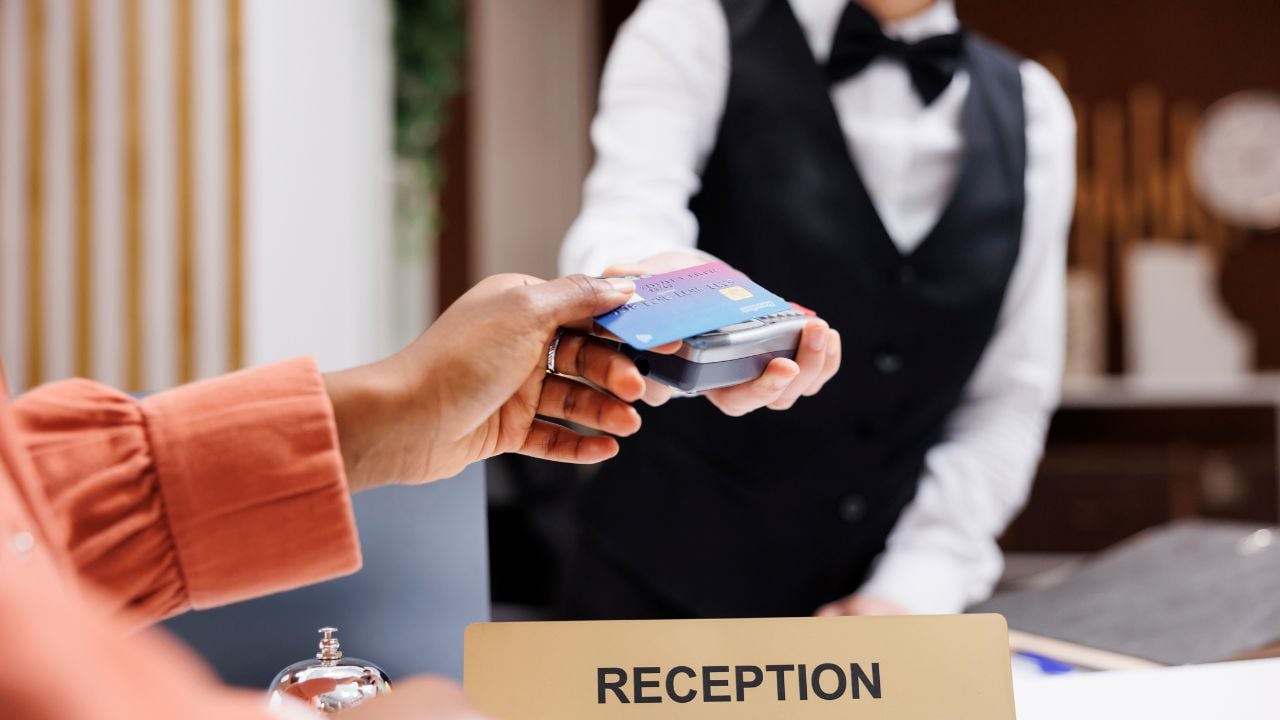
Hotel rules may feel boring, but they can affect the final bill. Parking costs, resort fees, pet charges, late checkout fees, smoking penalties, minibar items, early check-in fees, and damage charges can all surprise travelers who skip the details.
The Federal Trade Commission’s hotel fee rule requires businesses to disclose mandatory fees more clearly for hotels and short-term lodging. Clearer price disclosure does not remove every optional charge, penalty, or property-specific rule.
A friendly conversation at the desk does not always override the written policy. If you need early check-in, late checkout, parking, a pet-friendly room, or a crib, confirm the price and terms directly.
Ask before assuming. A short question at arrival can prevent a much longer argument at checkout.
7. Never Check Out and Leave a Disaster Behind
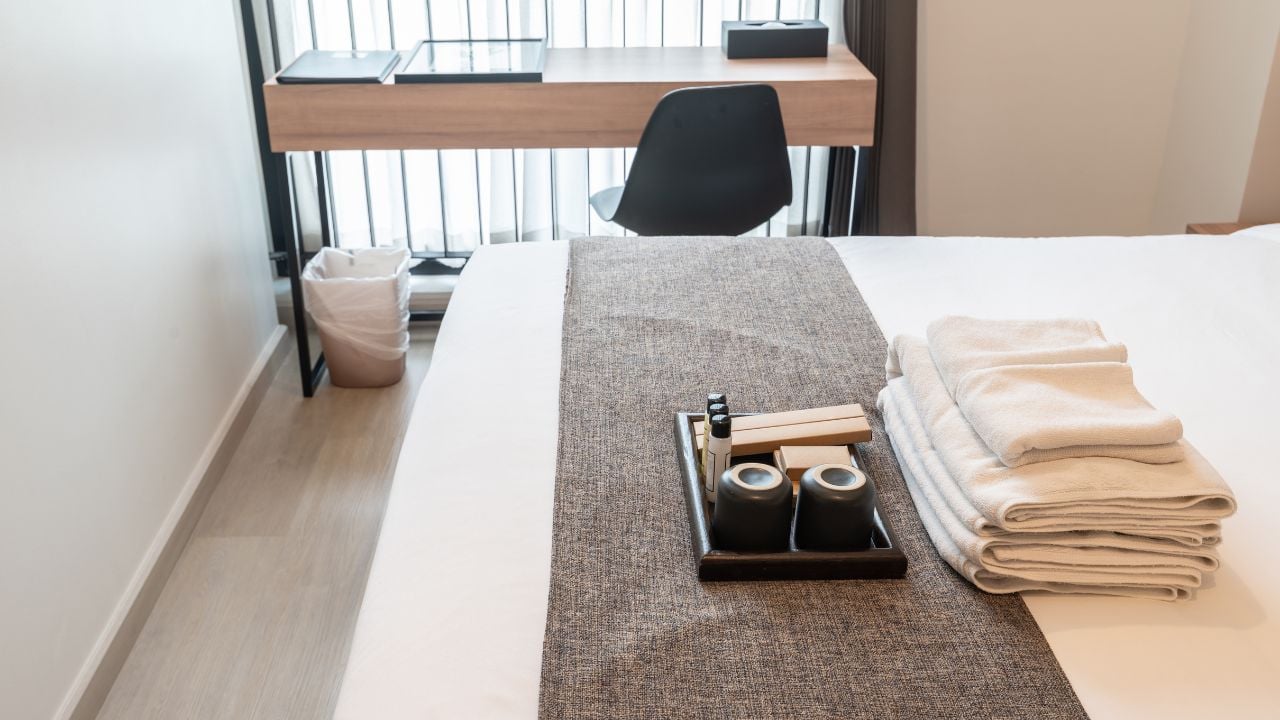
Housekeeping does not expect a spotless room. Trash spread across the floor, spilled food, wet towels on furniture, and personal items scattered everywhere make the reset harder and slower.
A messy room can hide lost belongings too. Chargers, passports, jewelry, medication, earbuds, and small items are easier to miss when the room is full of food bags, receipts, towels, and clothing piles.
Before leaving, put trash in one area, gather used towels in the bathroom, check drawers and outlets, and look under the bed and behind curtains. You do not need to strip the bed unless the hotel asks.
The room should look used, not trashed. A few minutes of basic order shows respect for the people who have to clean it and helps you avoid leaving something important behind.