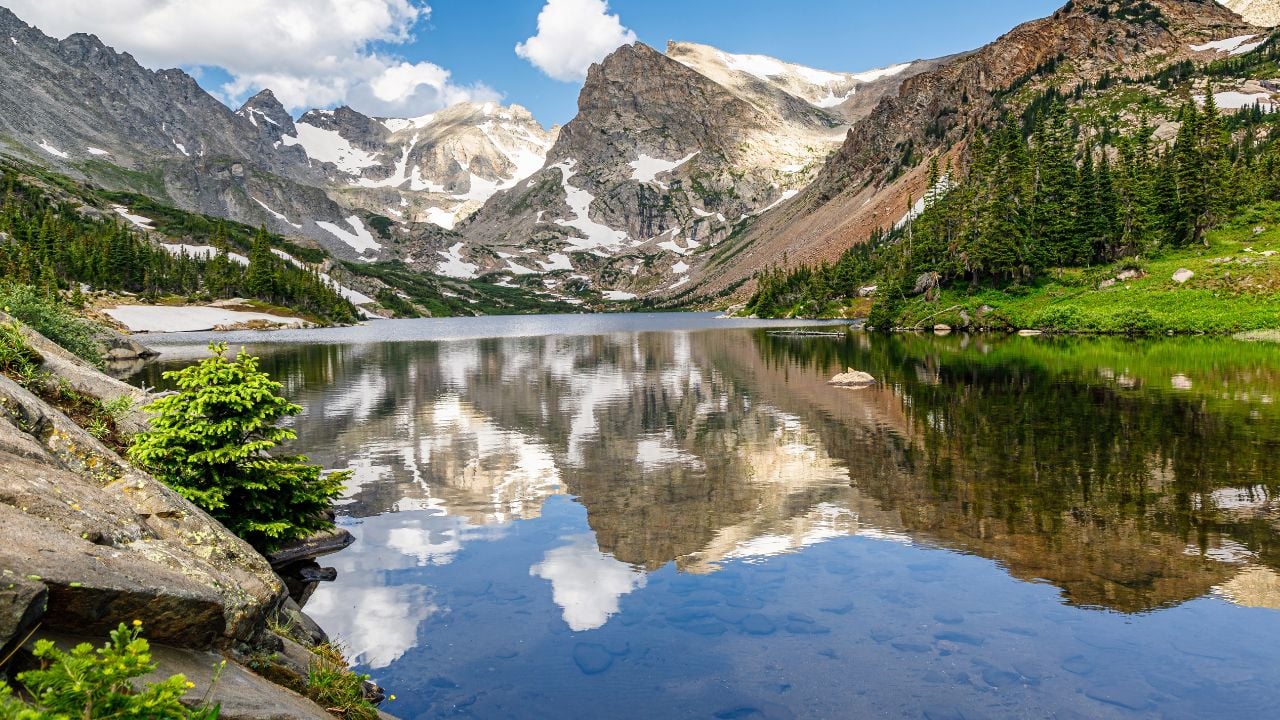
A famous getaway can be beautiful and demanding in the same trip. In 2026, some of the world’s most photographed places come with timed access, extra fees, crowded viewpoints, traffic controls, tourist levies, or natural conditions that can interrupt the easy escape people imagined.
The issue is practical. A sunset viewpoint may be packed, a lake road may need a reservation, a beach may be affected by sargassum, and a city center may require visitors to check an access calendar before arrival.
These places do not need to be skipped. Santorini, Venice, Bali, Tulum, and Rocky Mountain National Park can all be memorable with the right timing, tickets, transport plan, and backup options.
The smoother trip starts before departure. Read the official visitor pages, check dates and fees, choose slower hours where possible, and avoid building the whole day around one crowded photo angle.
1. Santorini, Greece
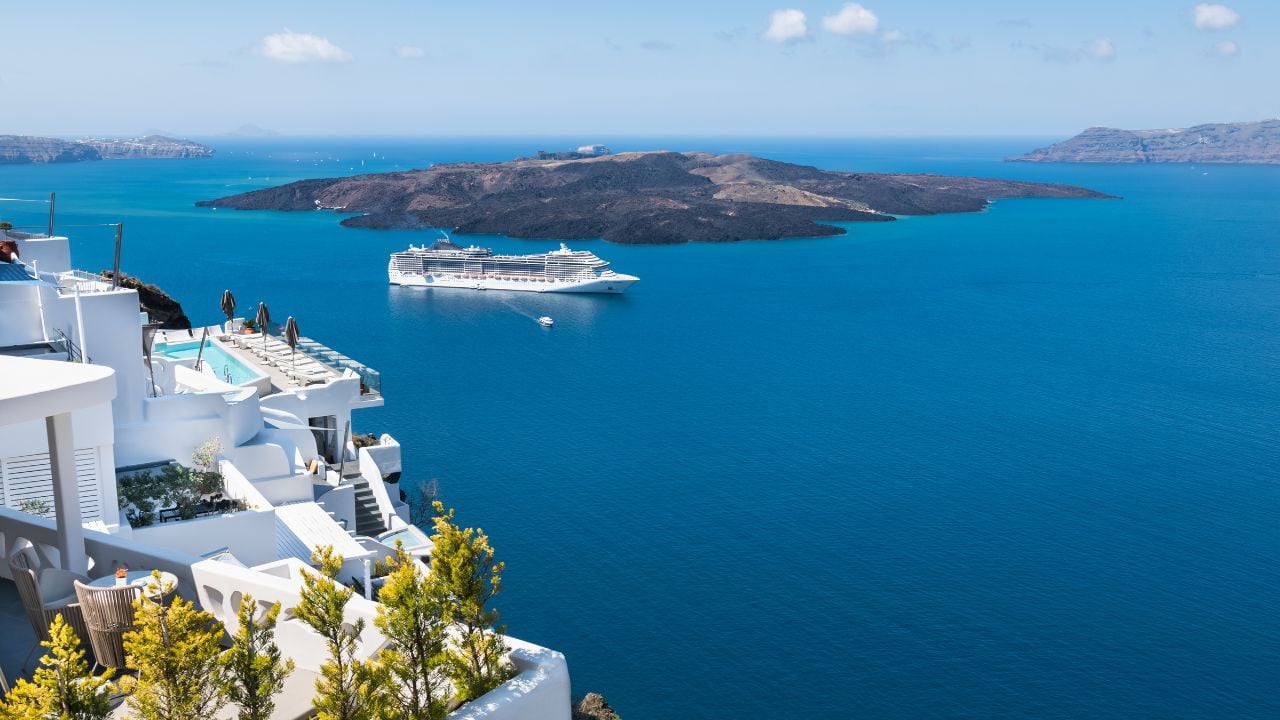
Santorini has the whitewashed villages, caldera views, blue domes, and sunset scenes that made it famous. The same views draw heavy crowds into small cliffside lanes, especially around Oia at golden hour.
The Municipal Port Fund of Thira’s cruise berthing policy says the maximum number of cruise passengers visiting Santorini on the same day will not exceed 8,000 in 2026. The port also publishes a monthly cruise schedule, which is useful for travelers trying to avoid the heaviest arrival days.
A short cruise stop can compress the whole island into a few rushed hours: tender ashore, reach Fira, continue to Oia, take photos, and return before departure. When several ships arrive close together, the narrowest streets and viewpoints can feel crowded quickly.
A calmer Santorini trip usually means staying overnight, walking early, and spending time outside the most repeated Oia sunset route. Imerovigli, Pyrgos, Akrotiri, and the black-sand beach areas can give visitors more space than the busiest caldera viewpoints.
2. Venice, Italy
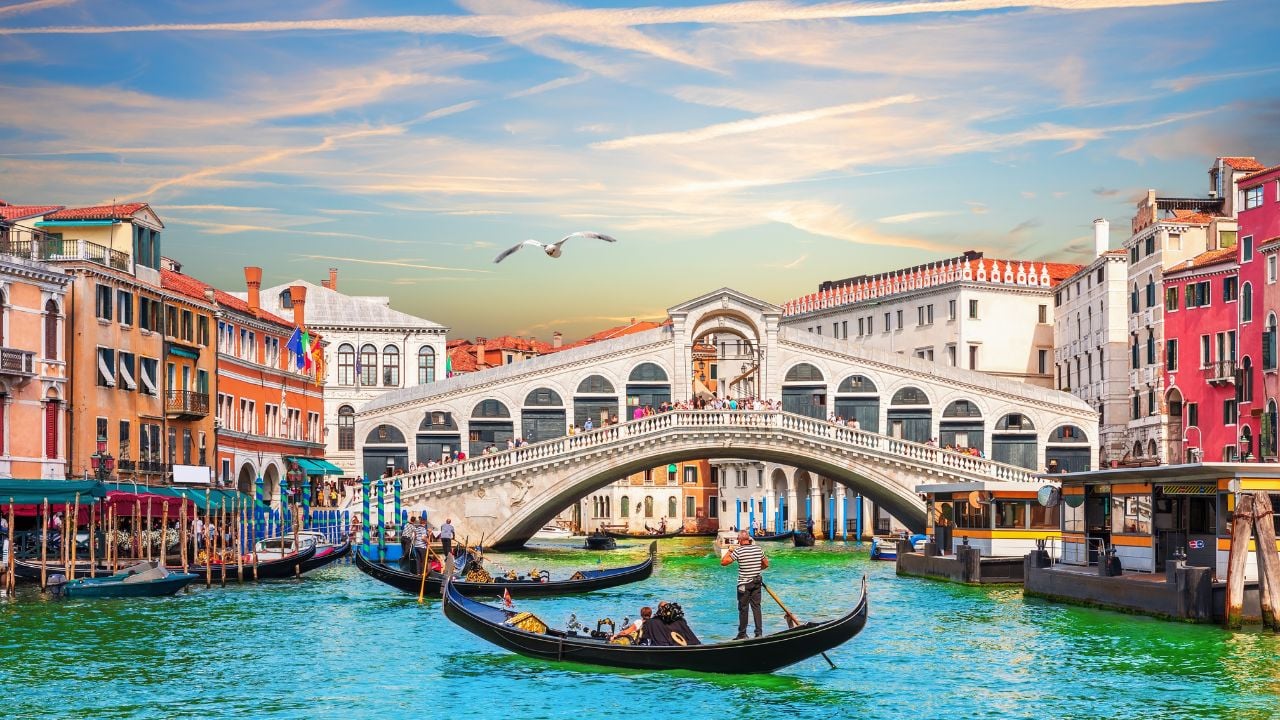
Venice can feel quiet in the morning and crowded by midday. Bridges, alleys, luggage, tour groups, water buses, and canal traffic all slow movement through the historic center.
The official Venice Access Fee portal says the 2026 access fee begins on April 3 and applies on selected dates from 8:30 a.m. to 4 p.m. On dates that are not highlighted, the portal says no payment or exemption action is required.
Day visitors should check the calendar before arriving by train, car, or cruise stop. The fee does not apply to every visitor or every date, but guessing at the entrance point can create stress before the first canal view.
Venice is easier with an overnight stay and a slower route through the city. Early walks in Cannaregio, Dorsoduro, or quieter backstreets can feel very different from the Rialto-to-San Marco crowd, while Murano, Burano, and Torcello can spread out the day if the schedule has room.
3. Bali, Indonesia

Bali sells the image of beach clubs, rice terraces, temples, surfing, and pool villas. The busiest parts of the island can also involve heavy traffic, packed cafés, crowded photo stops, and cultural rules that visitors need to understand before arriving.
The official Love Bali FAQ says foreign tourists are subject to a Rp 150,000 levy per person, paid once while traveling in Bali. Bali’s statistics office recorded 572,668 tourist arrivals in December 2025 alone, showing how strong demand remains during busy periods.
Traffic can shape the trip as much as the hotel choice. A plan that jumps between Canggu, Seminyak, Ubud, Uluwatu, and the airport corridor can turn into hours on the road instead of a relaxed island day.
Temple visits also require more care than a quick photo stop. Bali’s official travel guidelines remind foreign visitors to respect local culture, maintain order, and follow rules connected to sacred places and community life. A smoother trip usually means choosing one or two bases, leaving buffer time between areas, and treating temples as active cultural and religious sites.
4. Tulum, Mexico

Tulum’s image is built around turquoise water, jungle hotels, beach clubs, and ancient ruins above the Caribbean. The harder part is that beach conditions can change quickly, especially during sargassum season.
The University of South Florida’s March 2026 Sargassum Outlook said most monitored regions continued to see record-high sargassum amounts for March, with large masses in the western Caribbean and major beaching events appearing along the Mexican Caribbean coast.
Sargassum can affect the smell, color, and usability of the shoreline. Resorts may clean their beaches, but conditions can vary by day, wind, current, and exact location.
Travelers should avoid building the whole vacation around perfect beach mornings. Cenotes, inland restaurants, archaeological sites, lagoon trips, and early excursions can keep the trip on track when the shoreline looks different from the brochure.
5. Rocky Mountain National Park, Colorado
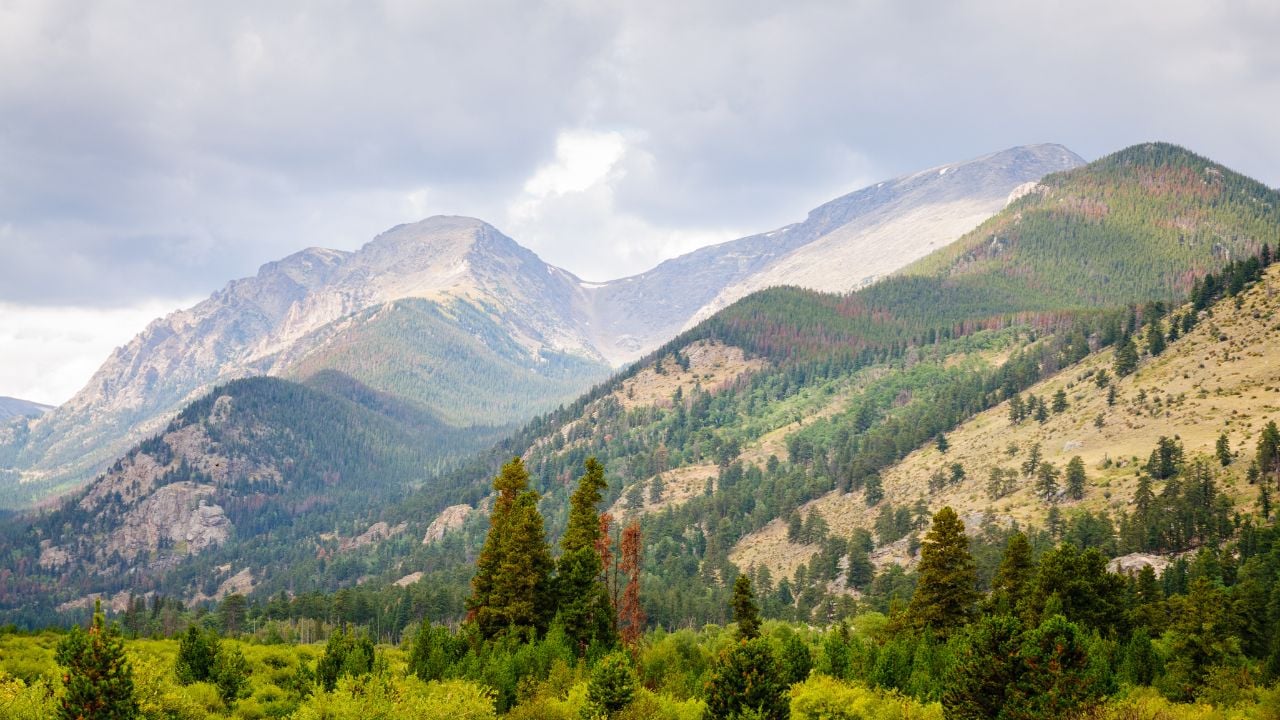
Rocky Mountain National Park has alpine lakes, elk, wildflowers, forests, and high mountain roads. During much of 2026, visitors need an entry plan before driving toward the gates.
The National Park Service says Timed Entry reservations are required for most areas of the park from May 22 through October 12, 2026, between 9 a.m. and 2 p.m. Those reservations do not include Bear Lake Road.
Bear Lake Road has a separate Timed Entry+ requirement from May 22 through October 18, 2026, between 5 a.m. and 6 p.m. That reservation includes access to the Bear Lake Road Corridor and the rest of the park.
Reservations are tied to two-hour entry windows. The park says visitors who arrive late may be asked to turn around and return later, and timed-entry reservations are not sold in person at park entrance stations or visitor centers.
Visitors should choose the park area first, then reserve the correct entry type. Bear Lake, Glacier Gorge, Moraine Park, Trail Ridge Road, and the west side do not all need the same strategy, and backup trail choices can save the day if parking, weather, or crowds change the plan.