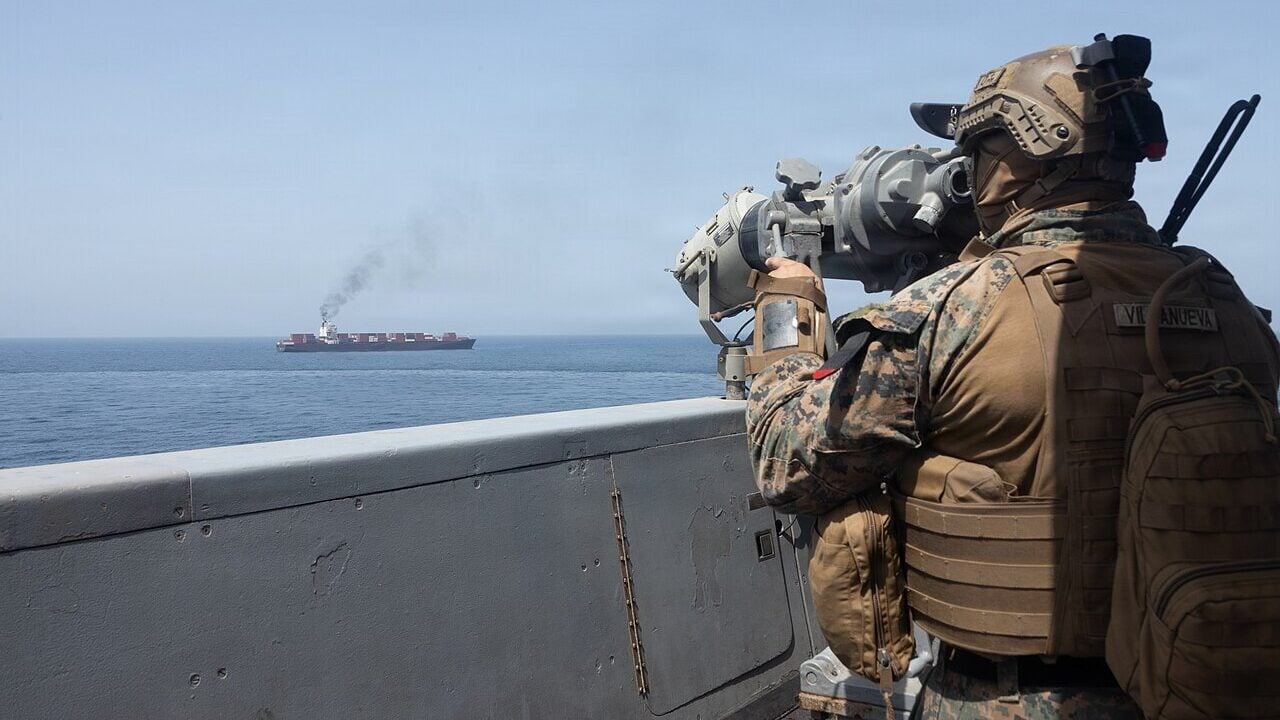

The story unfolds in the tense waters of the northern Arabian Sea, where the United States has been enforcing a sweeping naval blockade on Iran. The mission is simple on paper but complex in practice: stop ships from moving goods in or out of Iranian ports.
According to Business Insider, chairman of the Joint Chiefs of Staff, Air Force Gen. Dan Caine, speaking to reporters said dozens of vessels had already complied with American orders and turned back. In fact, 34 ships had done exactly that. Only one chose a different path.
That ship was the M/V Touska, an Iranian-flagged cargo vessel. It was large, heavy, and moving steadily toward Iran at cruising speed. Unlike the others, it ignored repeated instructions from US forces to reverse course.
That refusal set off a chain of events that reads like a step-by-step escalation playbook.
Six Hours of Warnings
The US Navy destroyer USS Spruance intercepted the Touska early in the day, around 4 a.m. Eastern Time. From that moment, the crew began issuing clear warnings.
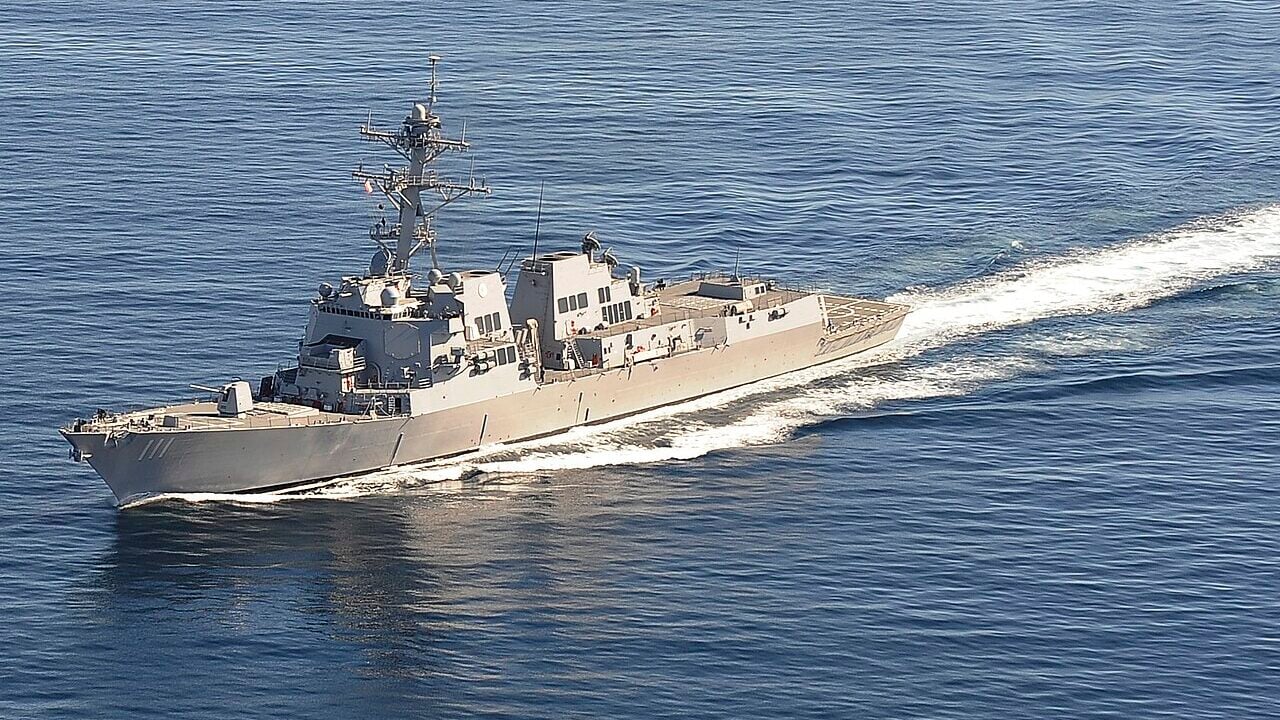
The message was straightforward. You are violating a blockade. Turn around.
But the Touska did not comply. Not after the first warning. Not after the second. Not even after hours of repeated communication.
For roughly six hours, the situation dragged on. The destroyer shadowed the cargo ship, maintaining position while escalating its responses in carefully measured steps. This is standard procedure in maritime enforcement. You do not jump straight to force. You build toward it.
Eventually, the Spruance fired five warning shots. These were meant to get attention without causing damage. Even then, the Touska held its course.
At that point, the situation crossed a threshold. The ship was no longer just noncompliant. It was actively defying a military blockade in a high-risk zone.
The Moment the Engine Was Taken Out
What happened next is where the story shifts from tension to action.
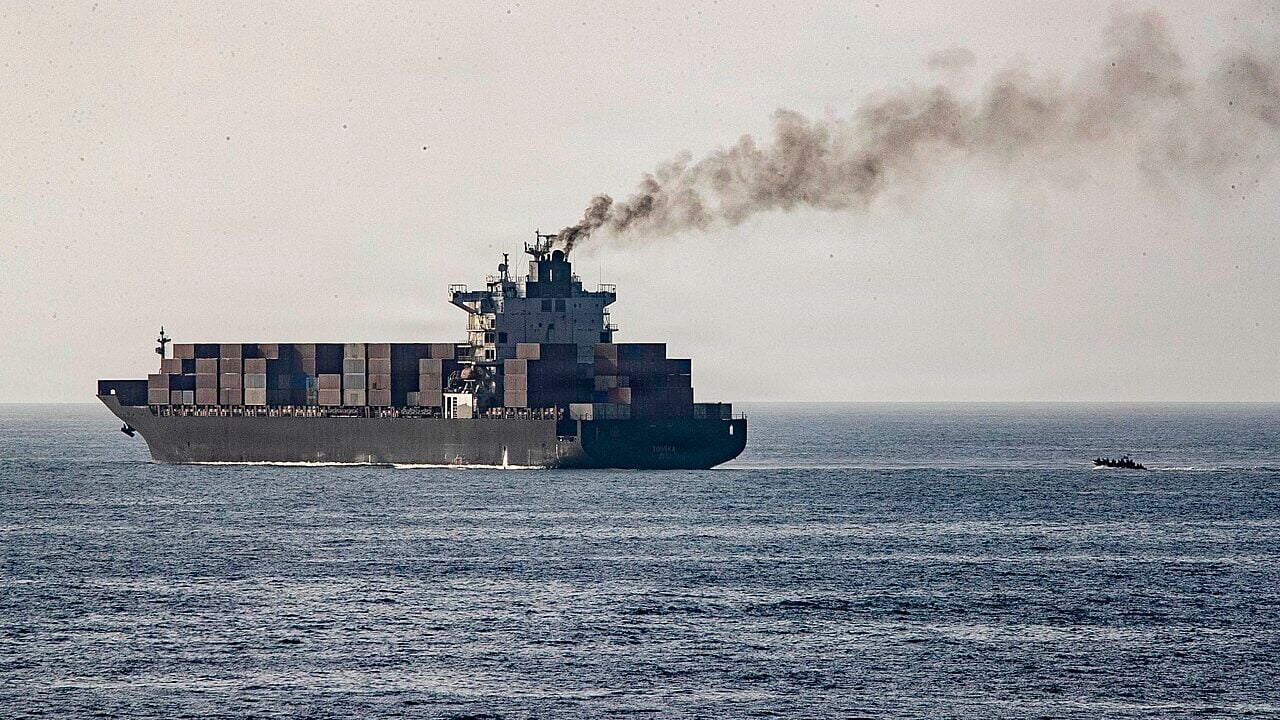
US commanders authorized what is known as disabling fire. This is not about sinking a vessel. It is about stopping it in its tracks.
Before firing, the US Navy issued a final warning. The crew of the Touska was told to evacuate the engine room. This detail shows the intent was to disable machinery, not harm people.
Then the Spruance opened fire.
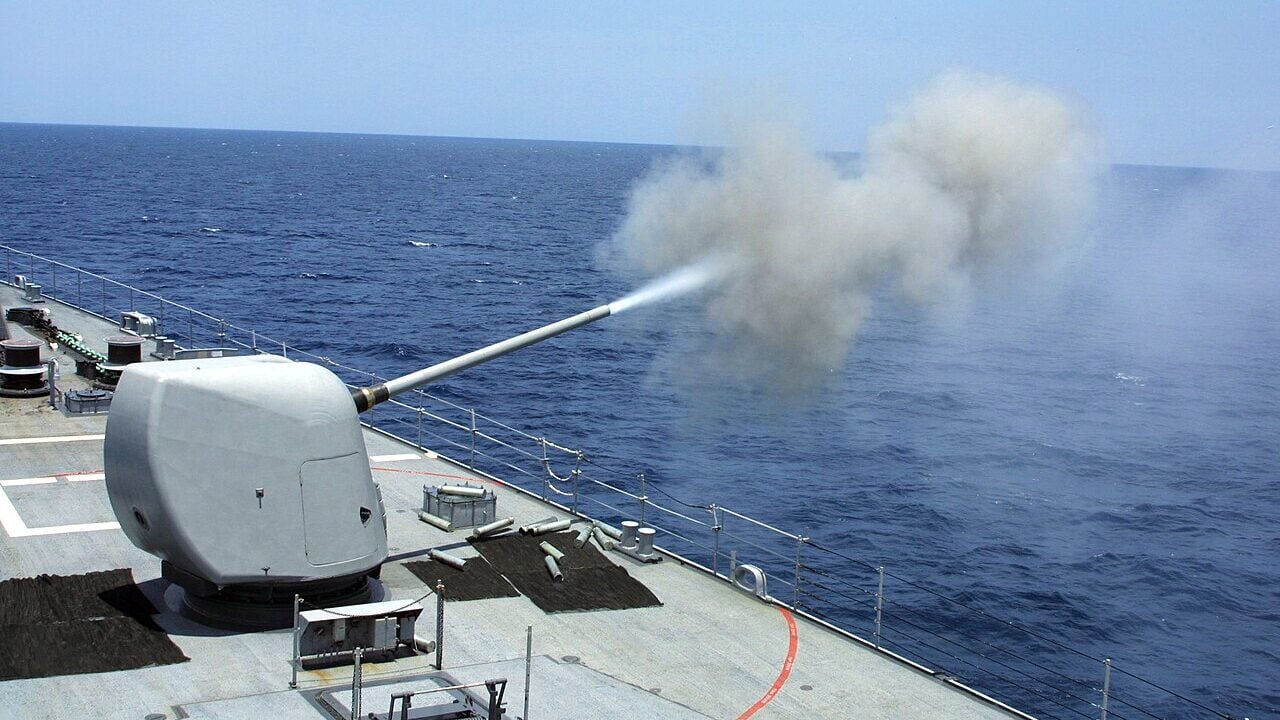
Using its 5-inch deck gun, the destroyer fired nine inert rounds directly into the ship’s engine room. These rounds are designed to punch through and disable systems without triggering explosive damage.
The effect was immediate. The Touska lost propulsion. A ship that had been moving steadily at sea was suddenly dead in the water.
From an automotive perspective, think of it as a precision strike on the drivetrain. No engine, no movement. The entire machine becomes a stationary object.
Boarding, control, and a bigger message
With the cargo vessel immobilized, the next phase began.
US Marines moved in and boarded the Touska. This is a standard follow-up once a vessel is disabled. With no ability to flee, the risk of resistance drops significantly.
The crew was detained, and the ship was brought under US control.
Military officials described the operation as deliberate and proportional. Every step followed a structured escalation, from warnings to warning shots to targeted fire.
But beyond the mechanics, the message was unmistakable. This blockade is not symbolic. It will be enforced, even against large, non-military vessels that refuse to comply.
And in a conflict already reshaping global shipping lanes and energy flows, that message carries weight far beyond a single disabled engine in the Arabian Sea.
Sources: Business Insider