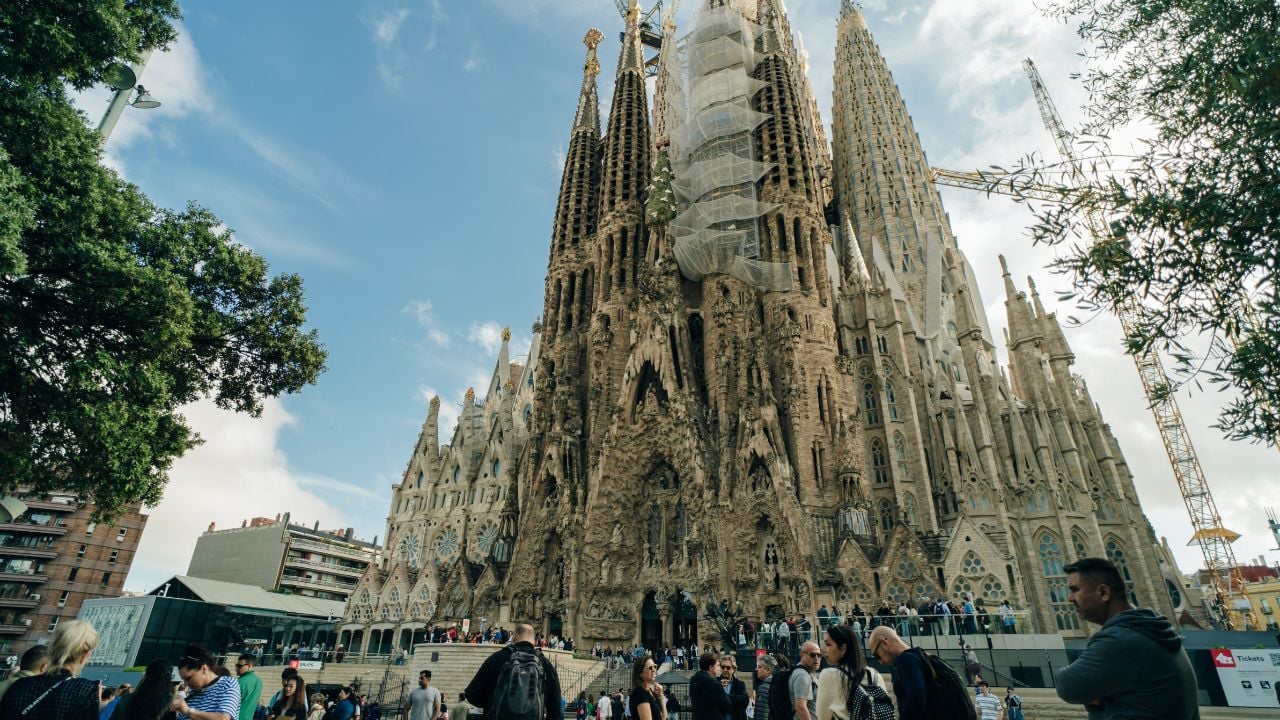
Europe’s biggest sights no longer reward casual planning the way they once did. A traveler can still walk through quieter neighborhoods, smaller museums, and local churches on a whim, but many headline landmarks now run on timed tickets, digital reservations, identity checks, security screening, and strict capacity controls.
The change is not only about crowds. Famous sites are protecting fragile buildings, managing narrow entrances, handling security, and trying to keep visitor flow from overwhelming historic spaces. A loose “we’ll figure it out there” plan can turn into a lost morning, a missed time slot, or an expensive backup tour.
Advance planning does not have to ruin the trip. It can protect the best part of the day by locking in the landmark that matters most, leaving the rest of the itinerary loose enough for meals, walks, and smaller discoveries.
The five places below are still worth seeing. They simply need the kind of preparation travelers might once have saved for flights and hotels.
1. The Louvre, Paris
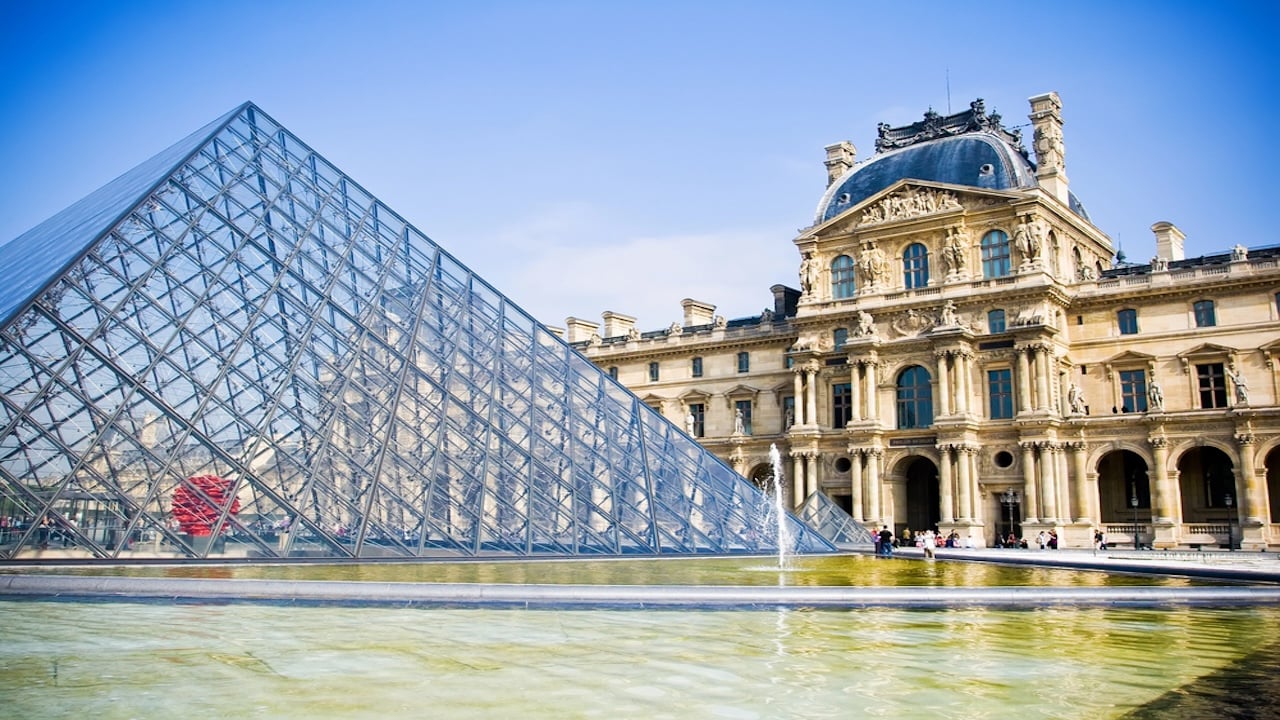
The Louvre is still one of the world’s great museum experiences, but walking up without a plan can waste a large part of a Paris day. The museum’s hours and admission page says time-slot bookings are recommended, including for visitors who qualify for free admission.
The Louvre also says advance booking is the only way to guarantee access. Same-day tickets may be issued at the museum’s cash desks depending on attendance, but they do not give priority at security checks.
That matters most during holidays, weekends, school breaks, and bad-weather days when many visitors suddenly decide a museum sounds perfect. A traveler who leaves the Louvre as a casual backup may spend more time outside the pyramid than inside the galleries.
Booking ahead also forces a useful choice. The Mona Lisa, Egyptian antiquities, French paintings, sculpture halls, and Napoleon III apartments cannot all be handled well in a rushed sprint. A focused route usually feels better than trying to treat the museum like a one-day checklist.
2. The Colosseum, Rome

Rome is perfect for wandering, but the Colosseum is not a landmark to leave to chance. The Parco archeologico del Colosseo’s ticket page says entry to the Colosseum requires a compulsory reserved time slot, with ticket sales opening 30 days before the visit date.
The same official page says tickets are issued in the holder’s name and that visitors should keep an identification document visible at the entrances. The park’s ticket FAQ also says visitors cannot enter the Colosseum at a different time from the one booked.
Ticket type matters as much as timing. Standard admission, arena access, underground routes, and attic visits are different experiences. A traveler who wants a specific section should read the ticket description before paying instead of assuming every Colosseum ticket covers the same route.
Families and groups need extra organization because names, documents, and time slots all have to line up. When those details are handled in advance, the visit feels much less stressful and the monument has more room to make an impression.
3. Sagrada Família, Barcelona
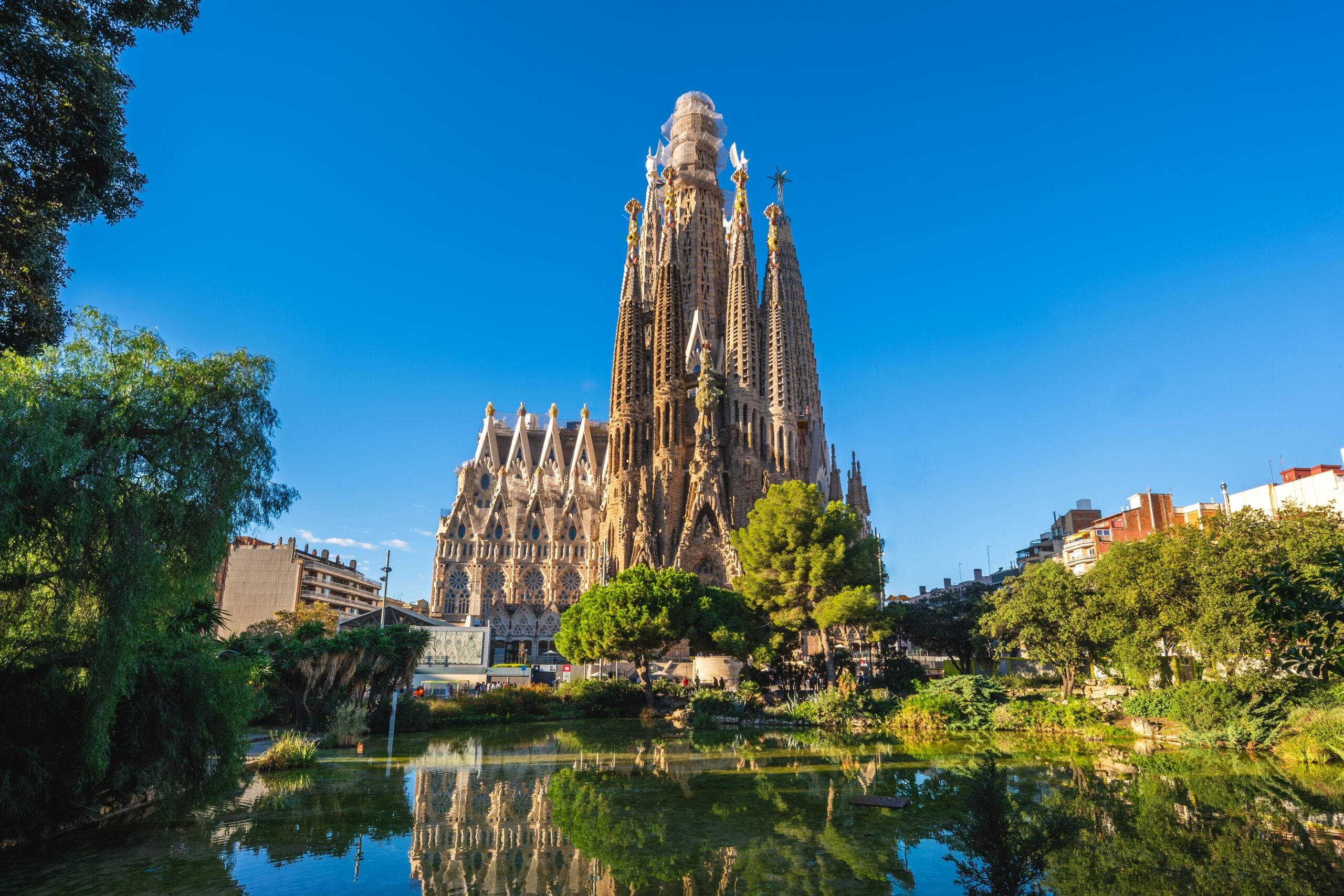
Sagrada Família looks like the kind of place travelers can admire from outside, then decide on a whim whether to enter. The basilica’s official rules and regulations make the inside visit much more structured.
Tickets are nominative, personal, and non-transferable. Visitors must present a national ID card or passport to verify identity, and bags, luggage, professional photography equipment, and personal items may be checked at the entrance.
The basilica also says itineraries or accessible areas may be modified for safety, restoration, maintenance, weather, or special events. That is important for travelers who try to squeeze the visit between lunch, a train, and another timed attraction.
Leave space around the reservation instead. The interior deserves time for the light, columns, stained glass, towers, and details, and the entry process already has enough structure without adding a rushed schedule on top.
4. The Acropolis, Athens

The Acropolis is ancient, but the ticketing system is fully modern. Greece’s official Hellenic Heritage e-ticketing page says timed-entry tickets are required for all visitors.
The same page says that since April 1, 2024, entry is only possible during the selected time slot. Visitors who arrive assuming they can choose any hour may find that the preferred slot is already gone.
Timing also affects comfort. The climb involves exposed stone, uneven surfaces, bright sun, and limited shade in warmer months. Morning slots are often more comfortable, which also makes them popular.
Good shoes, water, and a realistic schedule make the visit much easier. Treat the Acropolis as the anchor of the day, then build the rest of Athens around it instead of forcing the climb into whatever time remains.
5. The Alhambra, Granada

The Alhambra may be the clearest example of why casual arrival can fail. The official ticket page says visitors must present an original ID card or passport to access the monumental complex.
The same page stresses punctuality for access to the Nasrid Palaces, carrying the QR ticket in physical or digital format, and obtaining free individual tickets even for children under 12. Those requirements leave little room for last-minute confusion at the entrance.
The Nasrid Palaces are the section many travelers most want to see, and access depends on the time printed on the reservation. Missing that moment can damage the entire visit, even if other areas remain available.
The Alhambra is best handled like a timed appointment. Keep the ID ready, arrive early enough for checks, protect the Nasrid Palaces slot, and leave the rest of the day open for Granada at a calmer pace.