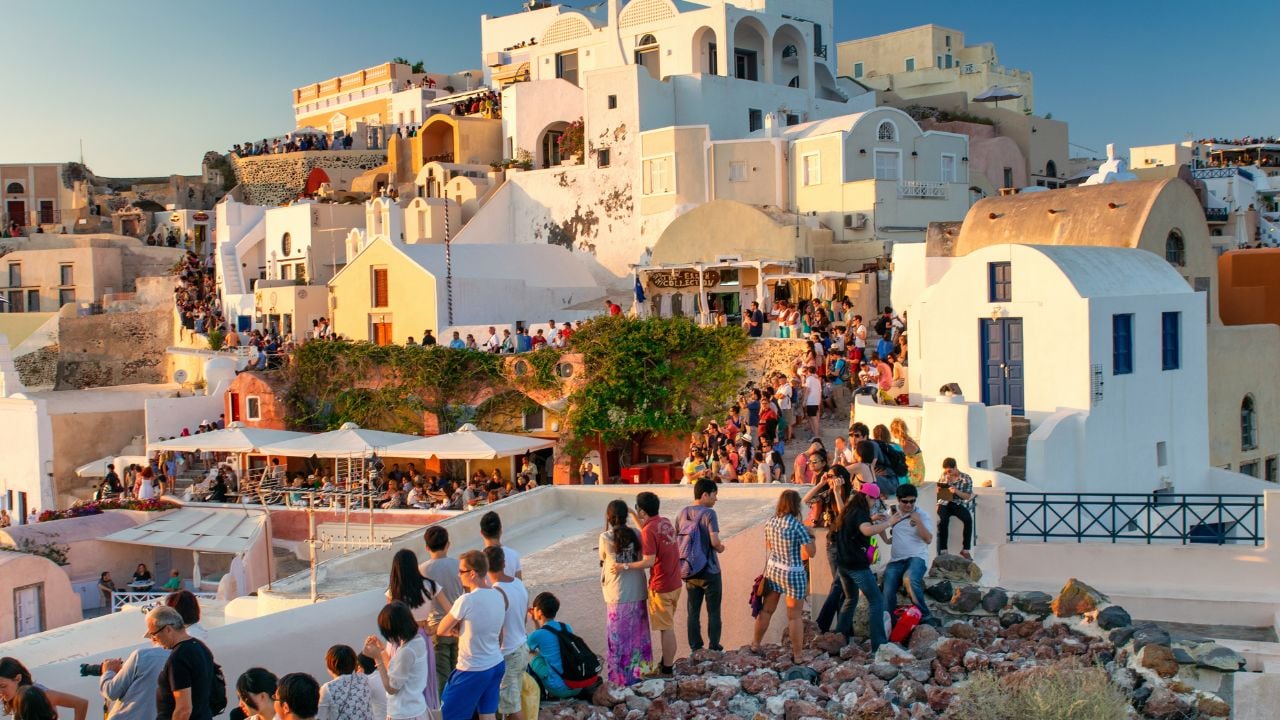
A famous name can put too much pressure on a vacation. Travelers arrive expecting the exact image they have seen for years, then run into timed tickets, shuttle rules, crowd controls, slow transfers, high prices, stairs, weather, and local restrictions that never show up in the postcard version.
None of the places below are bad destinations. Santorini still has its caldera views, Venice still has its canals, Machu Picchu still has its Andean setting, Bali still has temples and beaches, and Hallstatt still looks almost impossibly pretty beside the lake.
The problem is the gap between the fantasy and the actual day. A short cruise stop may leave too little time. A famous viewpoint may require the right ticket. A beach may be protected from swimming. A village may be under construction or managed around tour-bus slots.
These destinations can still be worth visiting, but they punish casual planning. Travelers who know the limits before arrival are much less likely to leave disappointed.
1. Santorini, Greece
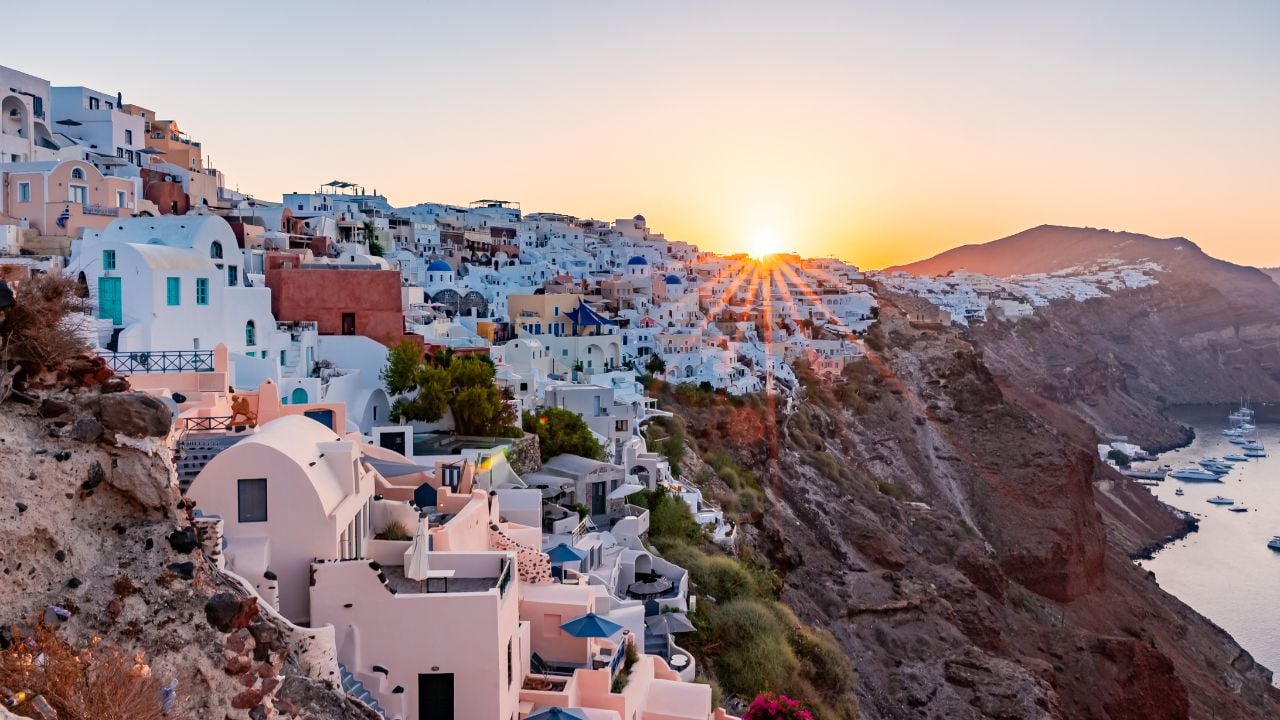
Santorini sells one of the strongest visual promises in Europe: whitewashed villages, blue domes, caldera views, cliffside hotels, and sunsets that seem built for cameras. The island can still produce that exact image, especially from Oia, Fira, Imerovigli, and the caldera rim.
The practical side is more complicated. The Municipal Port Fund of Thira’s cruise policy says the maximum number of cruise passengers visiting Santorini on the same day will not exceed 8,000 in 2026. Greece has also backed a cruise-arrival levy, with Reuters reporting a €20 charge for cruise visitors to Santorini and Mykonos in peak season.
The beaches can also surprise visitors who expect soft tropical sand. Greece’s official tourism site describes Santorini’s beaches as volcanic, with white, red, and black sand, vertical cliffs, and red and black pebbles. They are striking, but they are not the same kind of beach experience people might expect from the island’s glamorous hotel photos.
The biggest letdown usually comes from timing. A cruise stop may leave only a few hours to tender ashore, reach Fira, continue to Oia, take photos, and return before departure. Staying overnight, walking early, and exploring villages beyond the sunset crowd gives Santorini a much better chance to feel like a place instead of a line for a viewpoint.
2. Venice, Italy
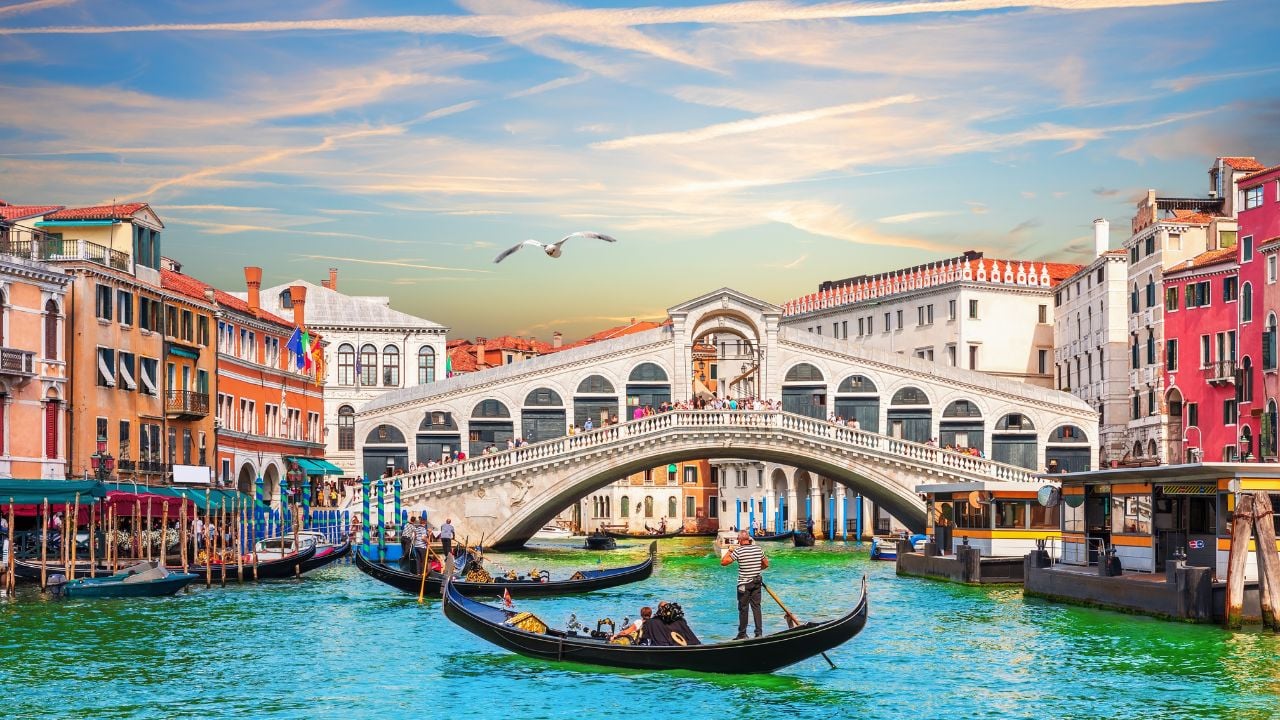
Venice remains beautiful, but the easiest version of the trip is not the rushed day-trip version many travelers imagine. The city has narrow lanes, bridges, water buses, crowded arrival points, and a layout that can turn a short visit into a slow-moving puzzle.
The city’s official access-fee site says the 2026 fee starts on April 3 and applies on selected dates from 8:30 a.m. to 4 p.m. The official fee page lists a €5 daily fee for eligible visitors who pay by the fourth day before access, and a €10 fee for later payment.
Small frustrations can pile up quickly in Venice. Bridges make luggage harder, water buses move slowly, landmarks draw heavy crowds, and meals near the most famous areas can feel expensive for the quality. A tight itinerary turns the city into a checklist instead of a place to wander.
Venice works better with time and better timing. Sleeping in or near the historic center, walking early, leaving room for getting lost, and avoiding the most crowded hours can change the whole mood of the visit.
3. Machu Picchu, Peru
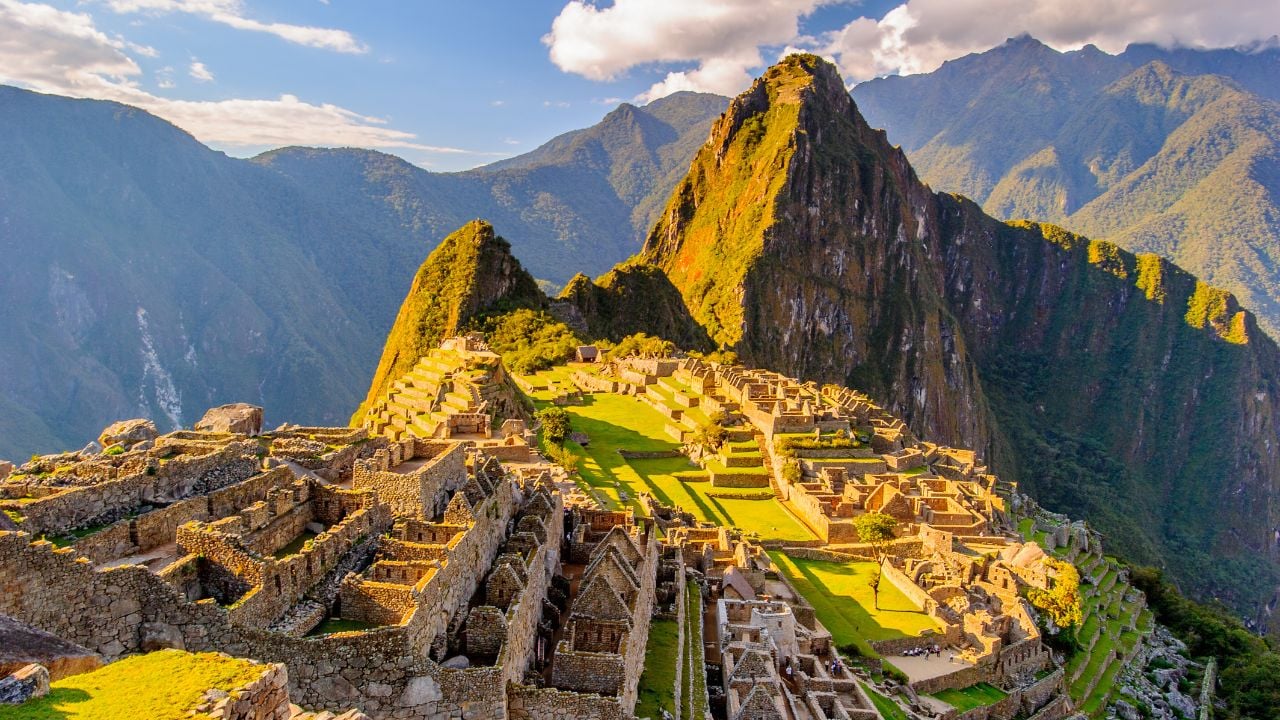
Machu Picchu is extraordinary, but the modern visit is not a loose wander through ancient ruins. UNESCO describes the sanctuary as standing 2,430 meters above sea level in a tropical mountain forest, and the setting still feels powerful when clouds move around the surrounding peaks.
The entry system is where many travelers get caught. Peru’s official ticket platform sells access by date, time, circuit, and route. The official circuits page says three new circuits grouping 10 routes have been in effect since June 1, 2024.
That structure can create a painful mismatch if visitors book too quickly. The ticket may get someone inside the site without giving them the exact viewpoint, route, or classic photo angle they expected. Travelers who want the famous panoramic view near the Guardian’s House need to pay close attention to the circuit and route before buying.
The smarter plan is to build the Sacred Valley schedule around the entry time rather than treating Machu Picchu as a flexible last-minute stop. Book early, read the route description carefully, and leave enough buffer for buses, trains, weather, altitude, and crowds.
4. Bali, Indonesia

Bali can disappoint travelers who arrive expecting constant calm. The island has beautiful temples, beaches, rice terraces, hotels, and cultural sites, but popular areas can also bring scooter noise, traffic, construction, crowded beaches, and long drives between places that look close on a map.
The official Love Bali site says the foreign tourist levy supports the protection of Balinese culture and the natural environment. A separate official travel guidelines page says foreign tourists are required to pay an IDR 150,000 levy that supports cultural preservation, environmental protection, and improvements to tourism destinations.
Bali is also dealing with the pressure of heavy tourism. Antara reported that Bali welcomed about 7 million foreign tourists in 2025, while provincial officials discussed cooperation on waste and traffic management. That context helps explain why the island can feel more crowded and managed than the relaxed social-media version suggests.
The trip usually improves when travelers plan around real travel times, hire licensed guides where appropriate, respect temple and dress rules, and avoid building every day around the busiest southern areas. Bali is still rewarding, but it is not a rule-free beach escape.
5. Hallstatt, Austria
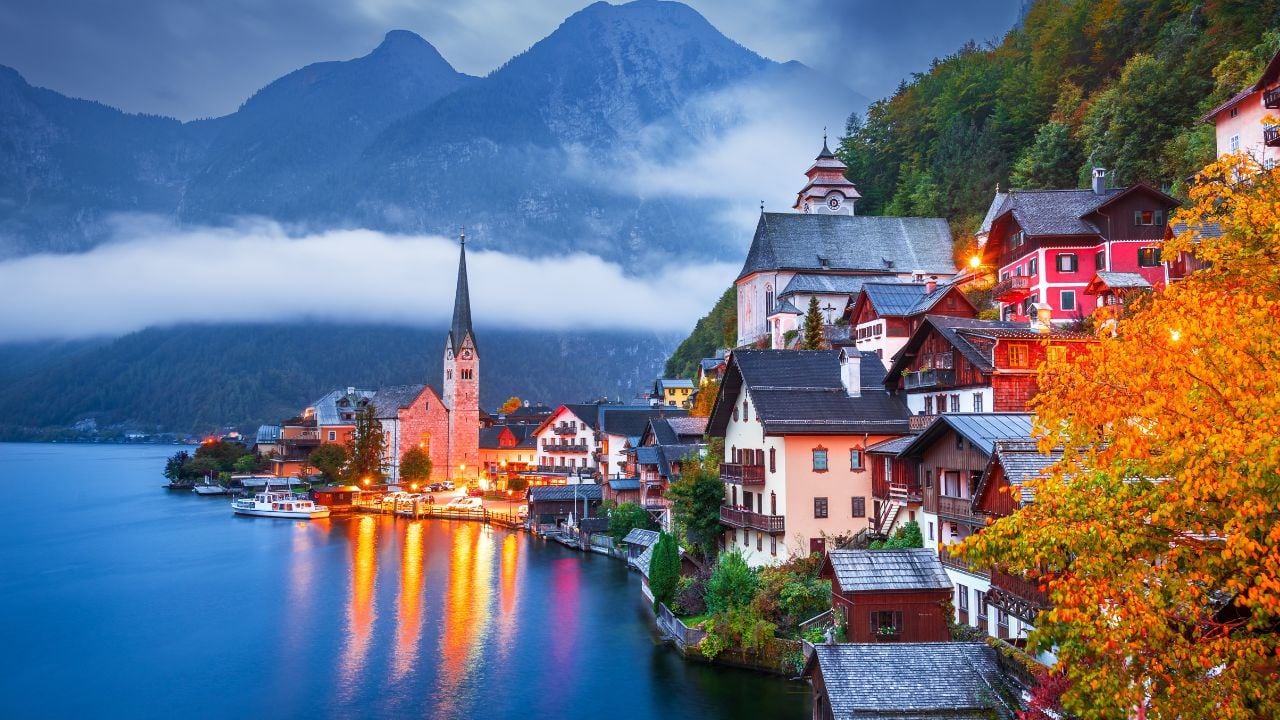
Hallstatt is tiny, scenic, and often imagined as a peaceful lakeside village. The setting is real: old houses, steep mountains, lake reflections, and one of the most recognizable village views in Austria.
The 2026 visit comes with an important caveat. Hallstatt’s official tourism site says the salt mine and Skywalk have been closed since September 1, 2025, because of extensive construction work expected to last until summer 2026. Salzwelten also says the salt mine, funicular, Skywalk, and high valley remain closed during the renovation period.
Group logistics are tightly managed as well. Hallstatt’s coach information says buses must book entry and exit slots, guests have 20 minutes to board or disembark, and drivers must leave the terminal after that window and use the assigned parking area.
Hallstatt still looks beautiful, but a short stop can feel compressed, especially when crowds gather around the same lakefront viewpoints. A slower stay nearby, a walk away from the main photo spot, or time in the wider Salzkammergut region gives the village a better chance to feel real rather than staged.