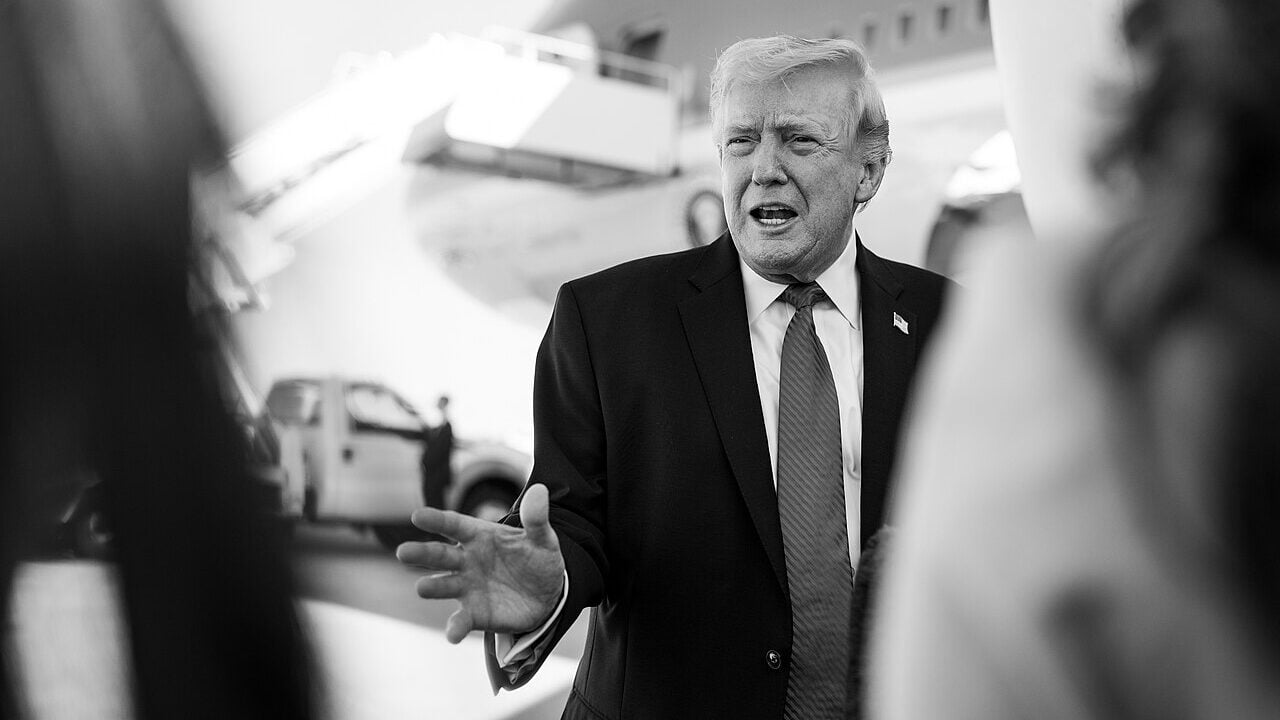

There are few places where precision matters more than in aviation. Every syllable, every code, every label carries weight.
Now imagine dropping a politically charged name change into that ecosystem and expecting everything to glide along without friction. What you’ve just read is the backdrop for a lawsuit that reads more like a pilot grabbing the controls mid-flight.
A Florida-based aviator, George W. Poncy Jr., has taken legal action to stop the renaming of Palm Beach International Airport to Donald J. Trump International Airport. The suit may sound political, but Poncy insists it could ripple through aviation systems in ways most people never think about.
The pilot’s concern is not about the airport code. PBI is expected to stay the same, and in aviation, those three letters are king. But names still matter.
Pilots, dispatchers, and air traffic controllers rely on a mix of identifiers, spoken communication, and database references. When one part updates faster than another, things can get messy.
The Pilot’s Core Argument: Data Mismatch and Confusion
Poncy’s argument leans heavily into that gap.
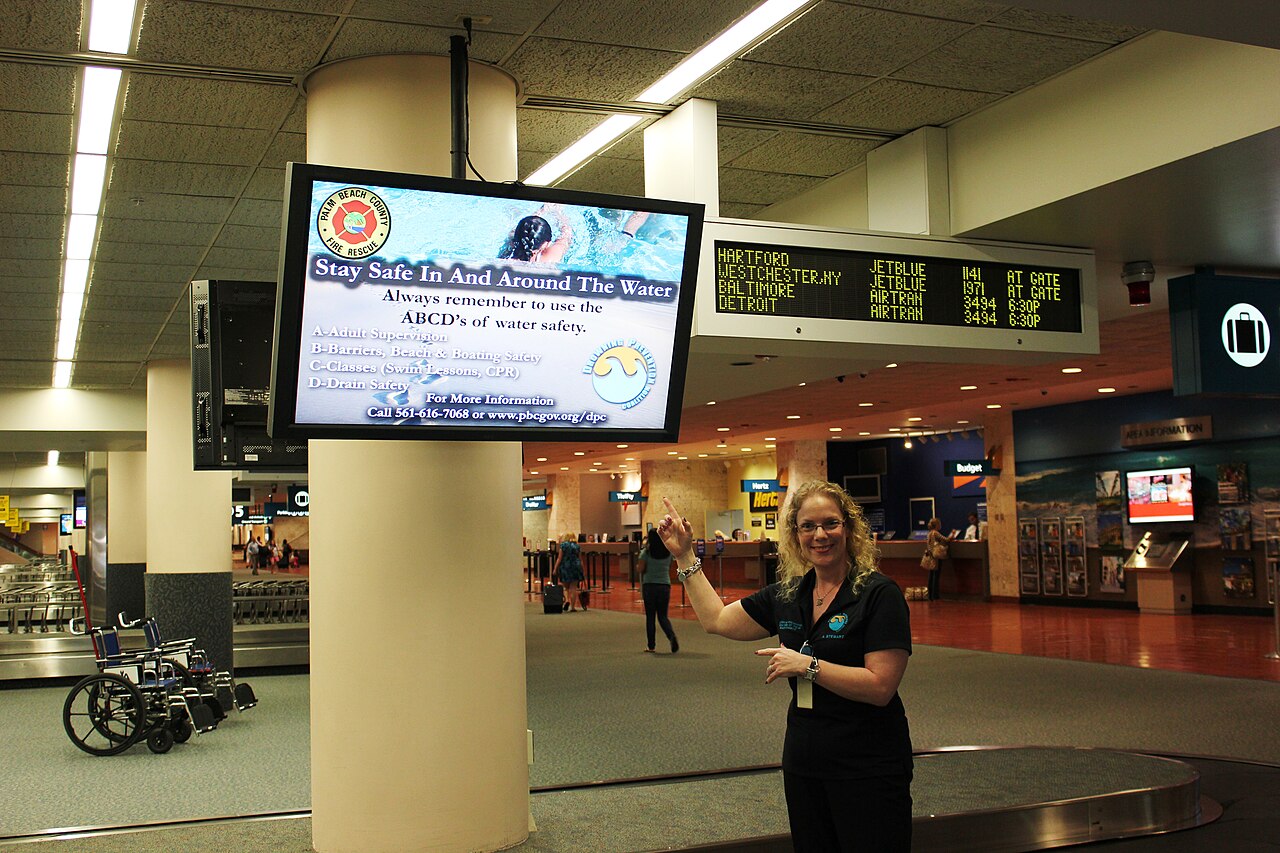
He claims that renaming a major airport introduces the risk of mismatched data across navigation systems, charts, and communication protocols. In a world where clarity is everything, even a small inconsistency can create confusion.
Think of it like changing street names in a busy city while half the GPS apps still run the old map. Now raise the stakes to thousands of feet in the air.
The lawsuit also takes aim at how the decision came to be.
Traditionally, airports fall under local control, especially when it comes to naming rights. Palm Beach International Airport is owned and operated by Palm Beach County.
A new Florida law shifts that authority to the state, effectively allowing lawmakers in Tallahassee to rename a local facility without local approval.
Poncy sees that as overreach. His legal filing argues that the state has stepped beyond its lane, overriding local governance in a way that sets an uncomfortable precedent. Today it is an airport name. Tomorrow, who knows.
The Price Tag of a Name Change
Then there is the money.
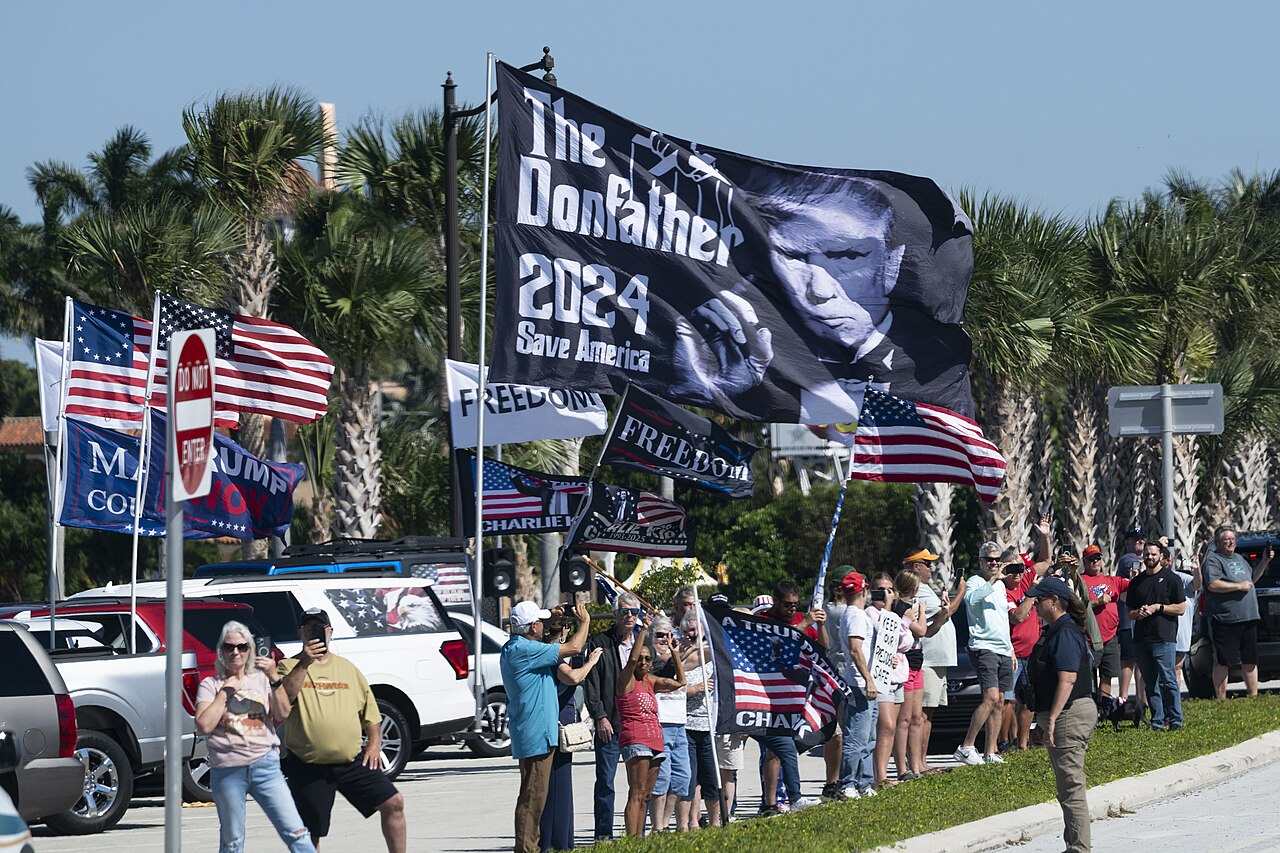
Renaming an airport entails more than swapping out a sign at the entrance. It touches everything. Branding, documentation, digital systems, uniforms, marketing materials.
The cost could run into the millions. Poncy argues that taxpayers are footing the bill for something that delivers little practical benefit.
He also has a personal argument in the suit.
As a pilot, he relies on up-to-date aviation databases and software subscriptions. A name change means updates, and updates often mean costs. While that might sound minor in itself, it becomes another layer in his broader argument that this move creates unnecessary burden across the aviation ecosystem.
The timeline adds another twist.
The law has already been signed, with the name change expected to take effect in July 2026. Poncy attempted to block it early with a temporary injunction, but that effort was denied. So, the legal fight moves forward while the clock keeps ticking.
What the Automotive World Can Learn from This
For those of us who live and breathe the automotive world, there is an oddly familiar theme here. It echoes the tension between regulation, branding, and real-world usability.
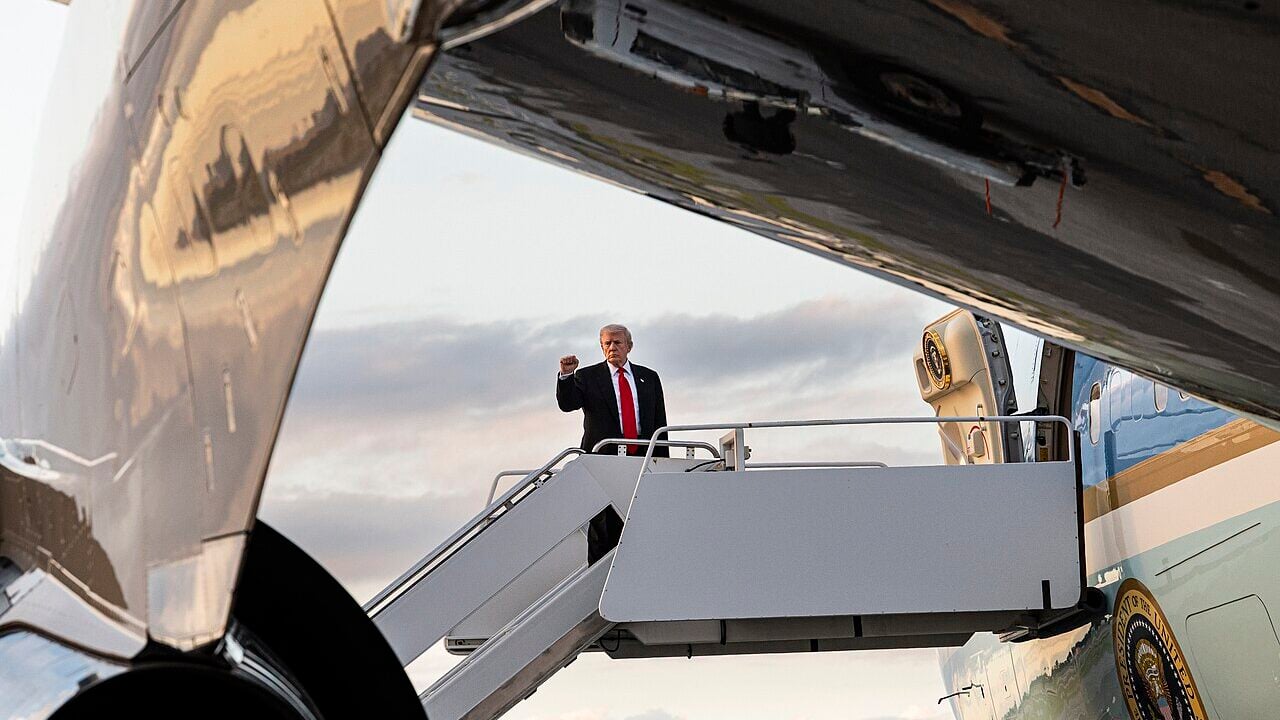
Carmakers deal with naming, badging, and compliance rules all the time. Change one piece without syncing the rest, and you risk confusing drivers, dealers, and service networks.
In aviation, the margin for error is thinner and the consequences steeper. That is what gives this story its edge. It is not just about politics or naming rights. It is about how a seemingly simple decision interacts with a complex, tightly coordinated system.
Poncy is not arguing that planes will suddenly lose their way. His point is subtler. Aviation depends on consistency, and even small disruptions can introduce friction where there used to be none.
It’s up to the courts to agree or disagree. For now, the runway is clear for the name change; Trump is about to have an airport named after him, but the legal turbulence is far from over.
Sources: Simple Flying