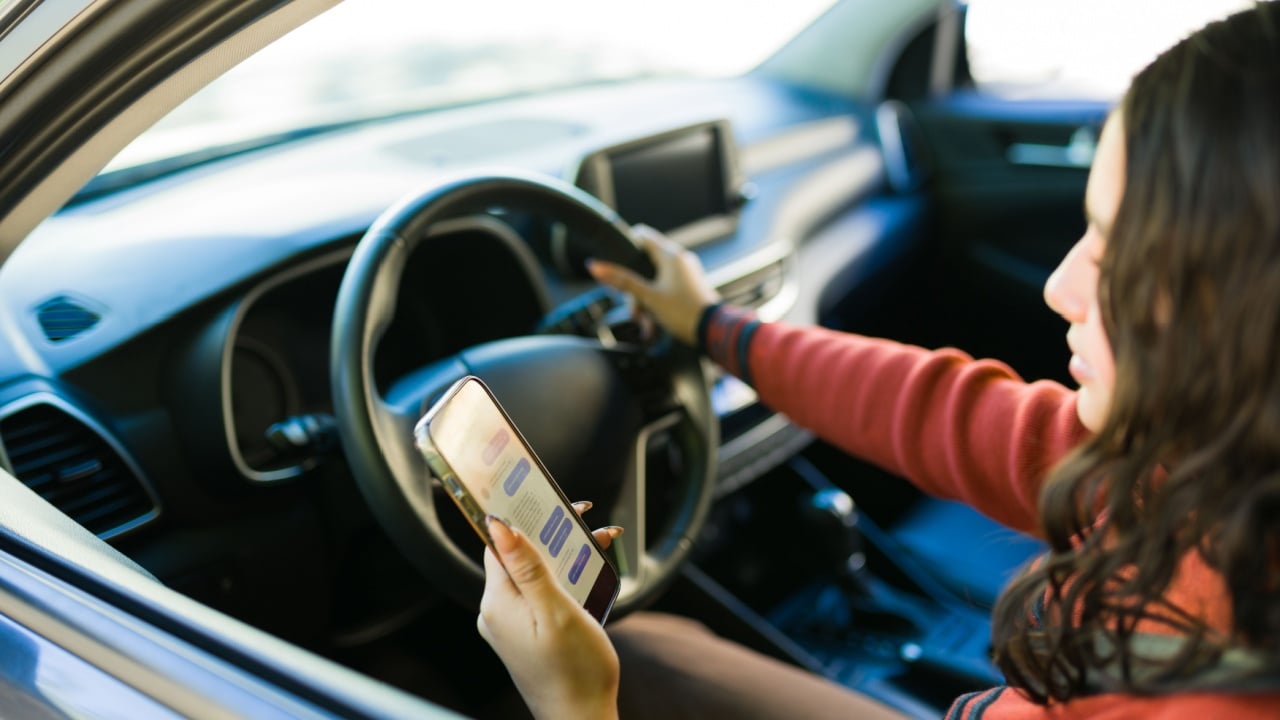
People usually think of distracted driving as a personal choice, something you can just decide to stop if you want. But that’s not really how it shakes out. New numbers from Mercury Insurance’s 2026 report show distraction is everywhere behind the wheel. In just one year, it caused 3,275 deaths and close to 290,000 injuries. Hundreds of thousands of crashes, all with one thing in common: someone wasn’t paying full attention to the road.
Break those numbers down, and it hits you, on any given day, distracted driving leads to about nine deaths and 890 injuries. Look a little wider, and you’ll see over 780,000 crashes in a single year tied to distraction.
What’s particularly alarming is how ordinary these distractions really are. We’re not just talking about texting. Think checking the GPS, changing the music, eating your breakfast, glancing at your phone. Regular stuff, honestly. But these everyday actions are riskier than people realize.
Why Drivers Underestimate the Risk
Here’s where it gets interesting. Even with all these crashes, most drivers think they’ve got it under control. That gap, between what people believe and what actually happens, comes through loud and clear in the data.
Mercury Insurance found that 68% of drivers feel confident multitasking behind the wheel. Among those who admit to regular distractions, 69% actually think they’re more attentive than other drivers.
That’s the “confidence gap.” People convince themselves they’re the exception, the one who can text or snack and still react in time. But the numbers don’t lie, distraction is a factor in 8% of deadly crashes and 13% of crashes that cause injuries. It’s easy to feel in control until something unexpected happens.
Some groups are more at risk than others. Teens and young adults, especially those between 15 and 20, have the highest rates of distraction in fatal crashes. Drivers 25 to 34 are right behind them. So it’s not just among teenagers, distraction really is a problem for all ages.
What happens is, people get used to being distracted. They think they’re handling it just fine, so the risky behavior sticks around, and so do the crashes.
State Laws Haven’t Solved the Problem

Plenty of laws try to tackle the problem. Nearly every U.S. state has taken some action, with 49 states banning texting while driving and 29 states enforcing handheld phone bans for all drivers. But legal crackdowns haven’t solved it. Why? Because distraction isn’t just about phones. Drivers find all kinds of ways to shift their focus, from sipping coffee to fiddling with new in-car tech.
And honestly, laws only go so far. People keep taking risks, thinking they’re in control. Awareness campaigns help, but real change depends on changing how we think and act every time we drive.
It’s not just drivers at risk, either. Pedestrians, cyclists, passengers, they’re all potentially impacted. More than 600 people outside the car died in distraction-related crashes in 2023. When someone’s distracted, nobody’s really safe.
Looking forward, reducing distracted driving will likely require a combination of strategies: stronger enforcement, better education, and improved vehicle technology designed to minimize distractions rather than add to them.
Where This Leaves Drivers
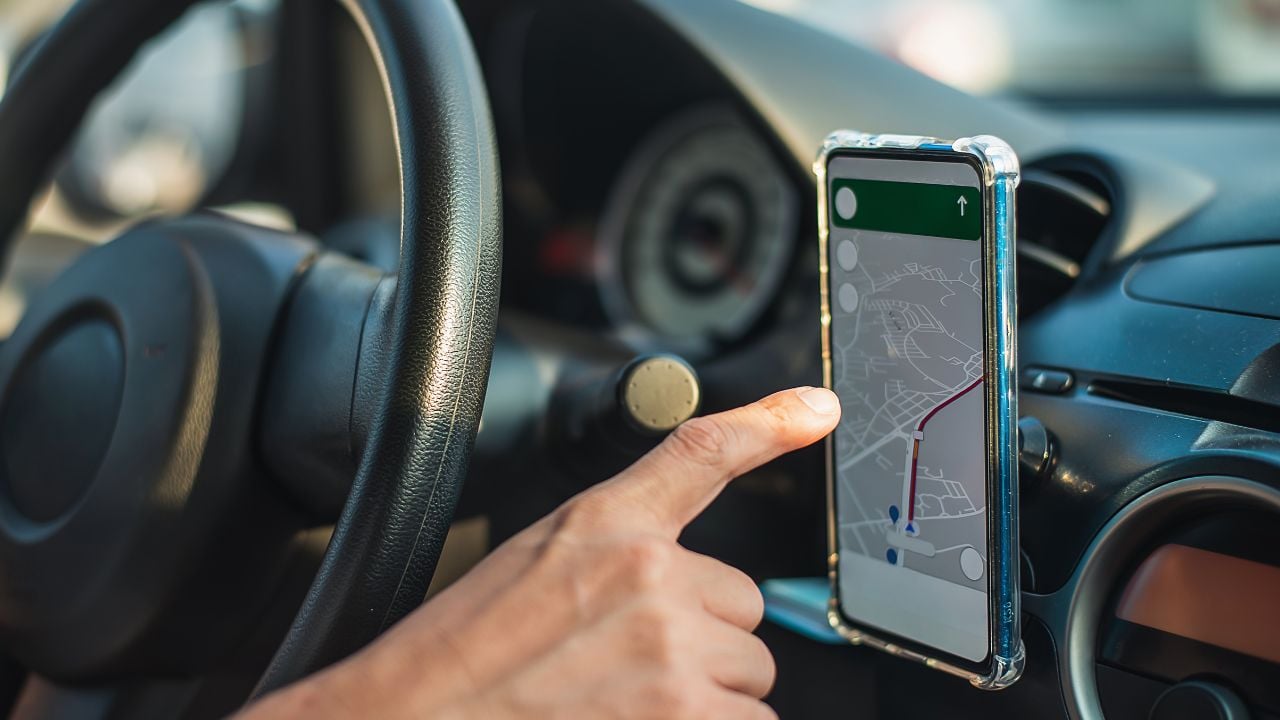
Distracted driving is not just about individual choices, it is a broader public safety issue shaped by technology and the mindset people bring to the road.
Drivers often believe they can multitask safely, but real-world data shows a different outcome. Closing the gap between perception and reality is essential for making roads safer.
There is also a larger shift happening. As cars become more advanced and daily life becomes more connected, the urge to stay engaged does not disappear when driving begins. This makes distraction an ongoing and evolving risk.
Addressing the problem will require more than stricter laws or awareness campaigns. It calls for rethinking how vehicles are designed and how drivers develop habits behind the wheel. Automakers, policymakers, and drivers all share equal responsibility in reducing risk.
Safe driving ultimately comes down to discipline. No driver is immune to distraction, and recognizing that limitation is a necessary step toward safer roads for everyone.