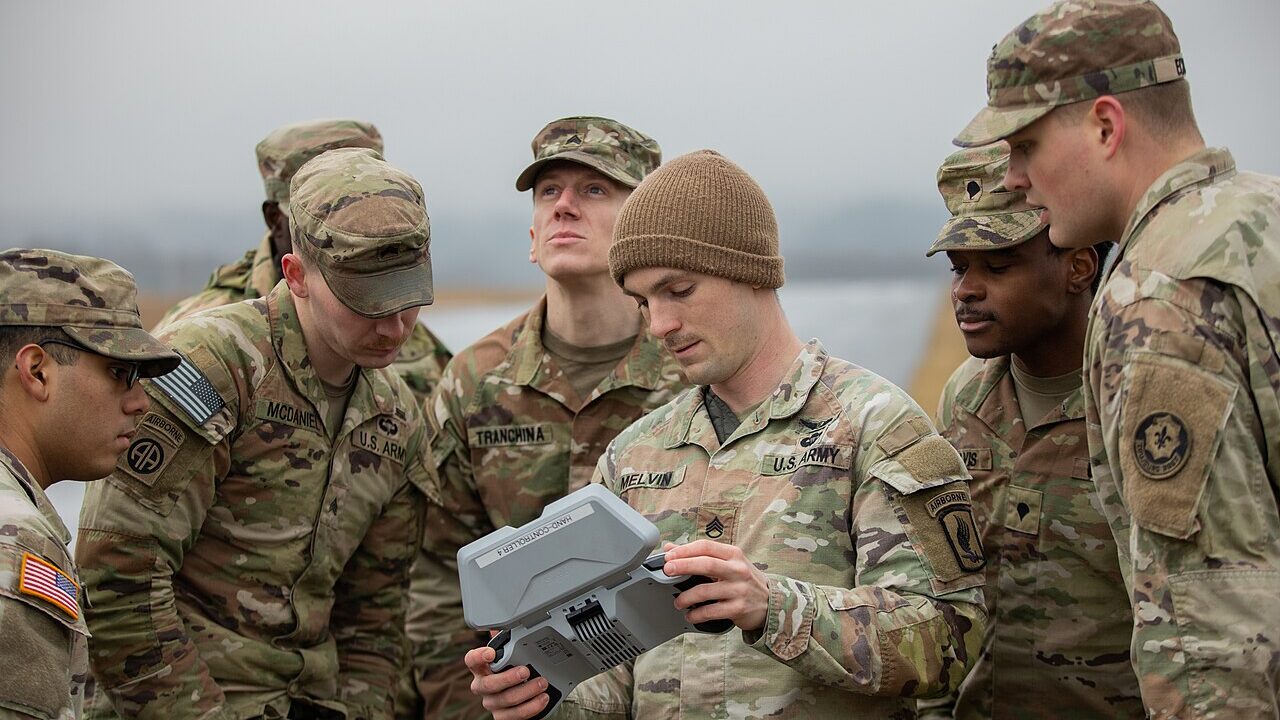

In a bright hangar on California’s Camp Pendleton base, a group of Marines sit hunched over handheld controllers, eyes locked on small screens as quadcopter drones hover, tilt, and dart through the air.
The first impression is a task for gamers. But the instructors watching them have started to notice something surprising.
The Marines who tend to struggle most are the ones who grew up with consoles or fast-paced shooting games. Instead, the ones who adapt most naturally often come from a very different background: dirt bikes, jet skis, small boats, and anything else that demands physical balance, throttle control, and constant adjustment in the real world.
That unexpected shift is reshaping how the Marine Corps thinks about training its next generation of attack drone pilots.
More Than Just Hand-Eye Coordination
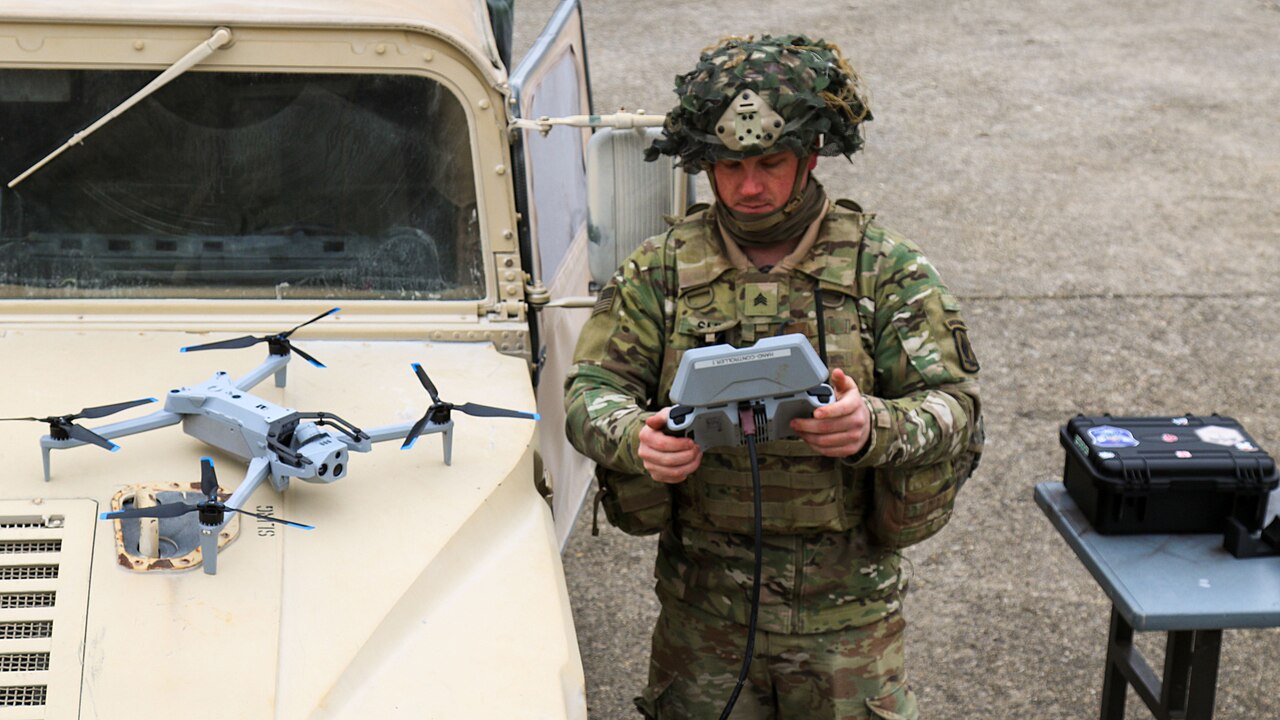
For years, it seemed obvious that video gamers would dominate drone operations. The logic was simple. Drone flying feels like a video game. The controls are handheld, the view is screen-based, and the missions require fast reactions and spatial awareness.
But instructors at the 1st Marine Division drone school have noticed a gap between expectation and reality.
Some trainees handle simulation software with ease, yet struggle when they transition to real drones carrying even light payloads. More than one in five students reportedly have difficulty with control sensitivity, especially when moving from simulated environments to live systems.
The issue, instructors say, is about tactile performance and not just about understanding the interface.
Flying a small, armed drone requires extremely precise pressure on control toggles. Too much force sends the aircraft off course. Too little leaves it unresponsive. That kind of fine motor control turns out to resemble the feel of a motorcycle throttle or a jet ski handle more than a gaming controller.
So, Marines who grew up riding across rough terrain, reacting to shifting ground and water, often already have a physical intuition for that kind of delicate adjustment. They are used to machines that push back.
The Smallest Touch Has Big Consequences
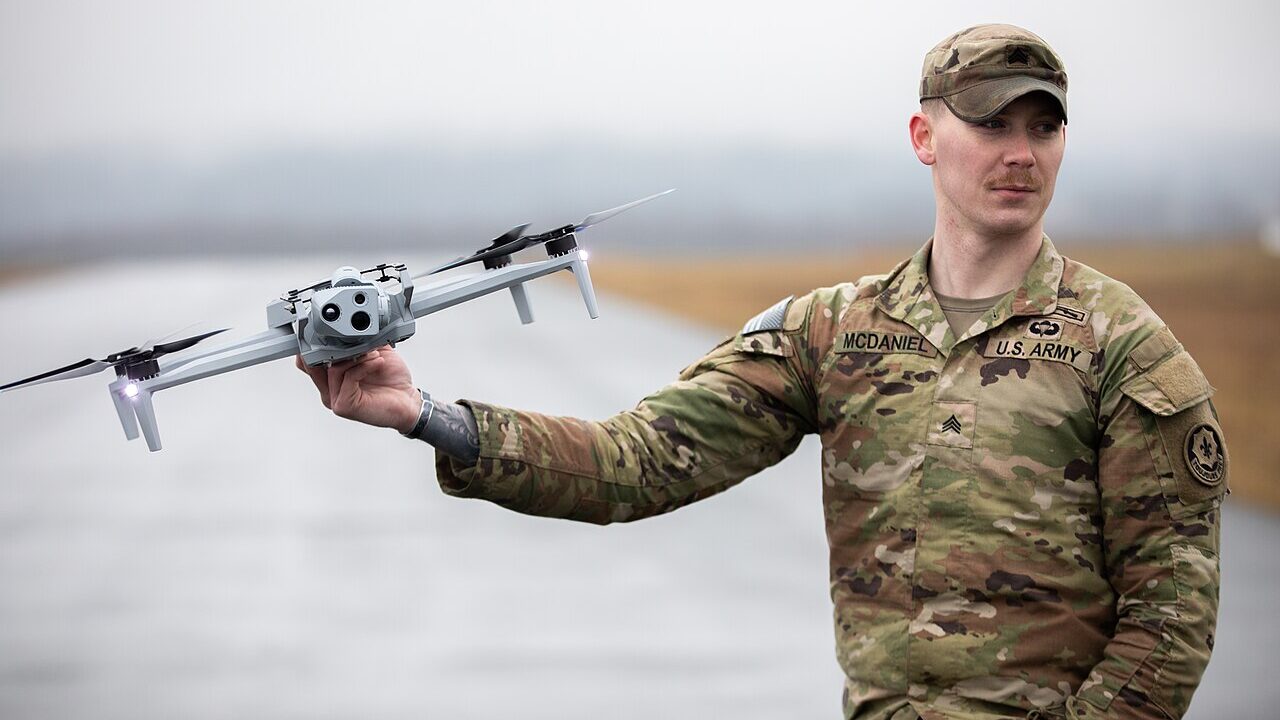
Inside the course, students start on basic simulators, then move to small drones before graduating to more advanced systems that can carry payloads. The transition is where differences show most clearly.
Some trainees reportedly treat the controller like a button-based device. Others treat it like a living machine that responds to pressure, timing, and rhythm.
The Marine Corps has responded by adjusting the training itself.
Instructors are introducing smaller drones with added control resistance so that beginners can feel the handling more realistically. Simulator developers are also being asked to better mimic the weight and behavior of armed drones, rather than offering a frictionless experience that does not translate well to the field.
The change is part of a broader push to scale up drone capability across the force.
The U.S. military is expanding rapid training programs to prepare hundreds of operators each year, reflecting how central unmanned systems have become in modern conflict. Drones are becoming core instruments in reconnaissance and strike missions.
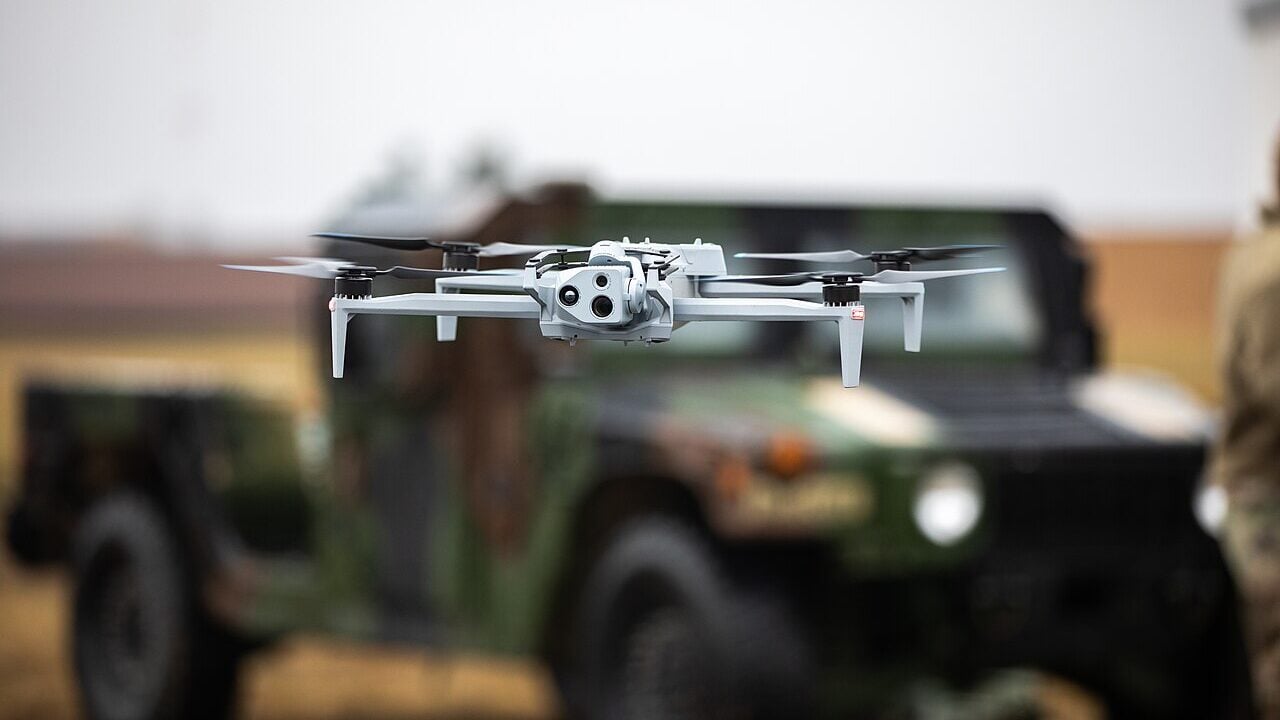
Inside that shift, the search for talent is becoming more nuanced.
The Marines are no longer looking only for people who look comfortable in front of a screen. They are also looking for people who understand machines in motion, people who know what it means to balance speed and control on unpredictable surfaces.
A Hybrid Drone Operator Profile
That does not mean gamers are out of the picture. Many still excel, especially in simulator phases where hand-eye coordination and spatial awareness seal the deal. But instructors now see a broader mix of useful instincts. Digital fluency helps. Outdoor mechanical experience helps just as much.
The result is a new kind of operator profile taking shape. Not purely virtual, not purely mechanical, but something in between.
Back on the training floor, a drone hovers steadily as a Marine gently corrects its drift with tiny movements of a thumb. The adjustment is almost invisible, but it keeps the aircraft steady in the air.
It is a skill that looks simple from the outside. In practice, it depends on touch, patience, and the kind of experience that does not always come from a screen.
Sources: Business Insider