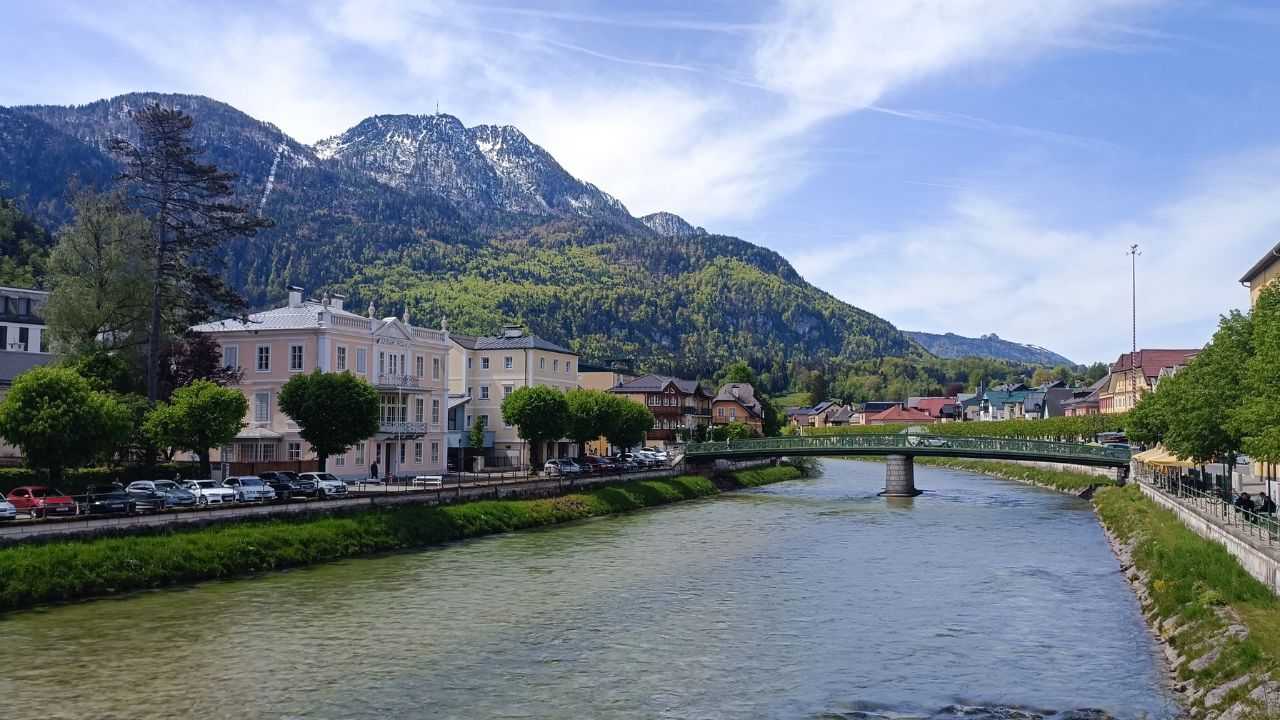
Europe’s great spa towns were never built around pampering alone. UNESCO’s Great Spa Towns of Europe listing describes a whole urban culture that took shape between the early 18th century and the 1930s, with bathhouses, drinking halls, colonnades, theatres, hotels, villas, gardens, and promenades forming one therapeutic world.
That history still matters because the best spa towns feel restorative in a broader sense than a treatment menu can explain. Warm mineral water may be the reason they began, but architecture, ritual, green space, and social atmosphere still do much of the work once you arrive.
The places below do not force a choice between wellness and setting. In each one, the cure and the town still belong together. You soak, stroll, sit beneath a colonnade, or drink from a spring, and the place itself continues the experience.
That is why these eight remain so rewarding. A stay can feel soothing and storied at the same time, with enough beauty around the baths to make the whole town part of the therapy.
1. Bath, England

Bath remains one of the clearest examples of this pairing because the appeal begins with the water and extends through the whole city. Visit Bath describes the destination as a wellbeing centre since Roman times, while Thermae Bath Spa still offers the only natural thermal hot springs in Britain that visitors can bathe in. Nearby, the Roman Baths keep the ancient source visible rather than abstract.
The architecture carries the rest. Crescents, terraces, honey-coloured stone, and a skyline shaped by abbey towers and Georgian symmetry make even a simple walk feel composed. In Bath, the route back from the spa often feels almost as restorative as the soak itself.
2. Baden-Baden, Germany
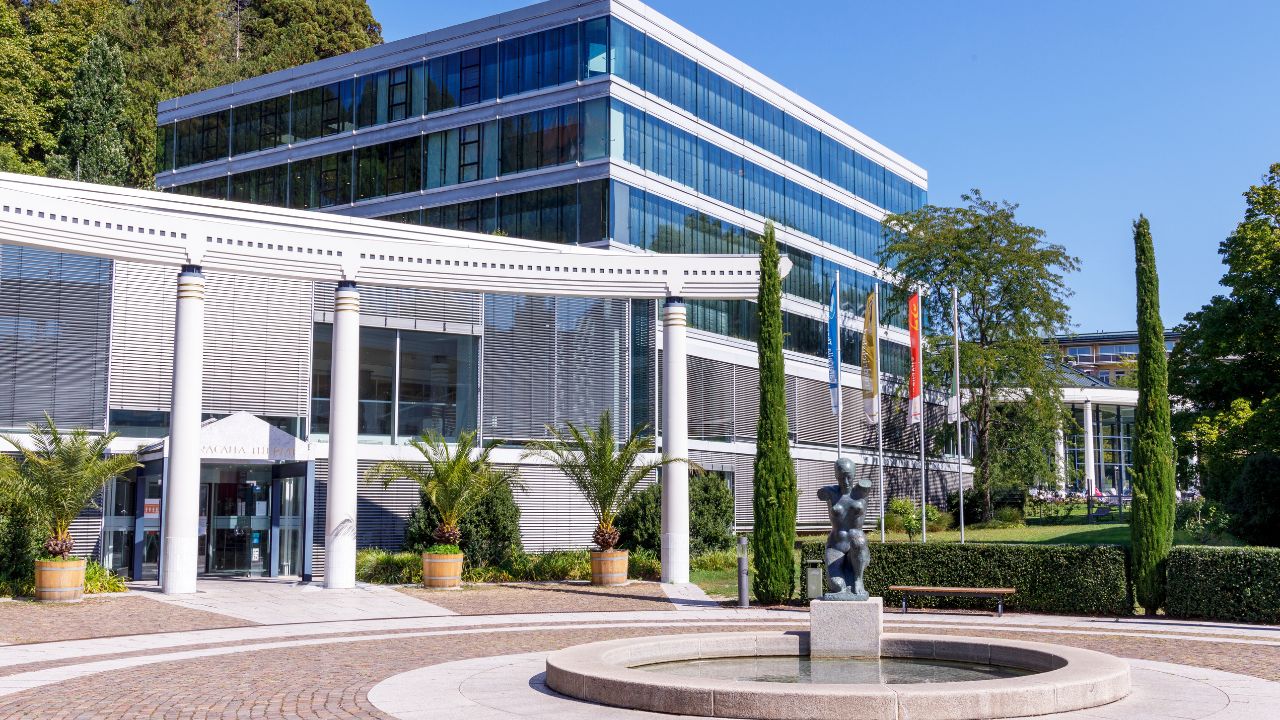
Baden-Baden has always understood the value of polish. The official tourism site presents the town as a place where health, culture, pleasure, and nature meet, with the Black Forest close by and the Lichtentaler Allee running through the city like a long green drawing room.
The bathing culture still feels substantial rather than decorative. Official thermal-baths guidance highlights both the modern Caracalla Spa and the historic Friedrichsbad. Few spa towns make it so easy to move from a stately promenade to serious thermal bathing without losing the mood along the way.
3. Karlovy Vary, Czechia
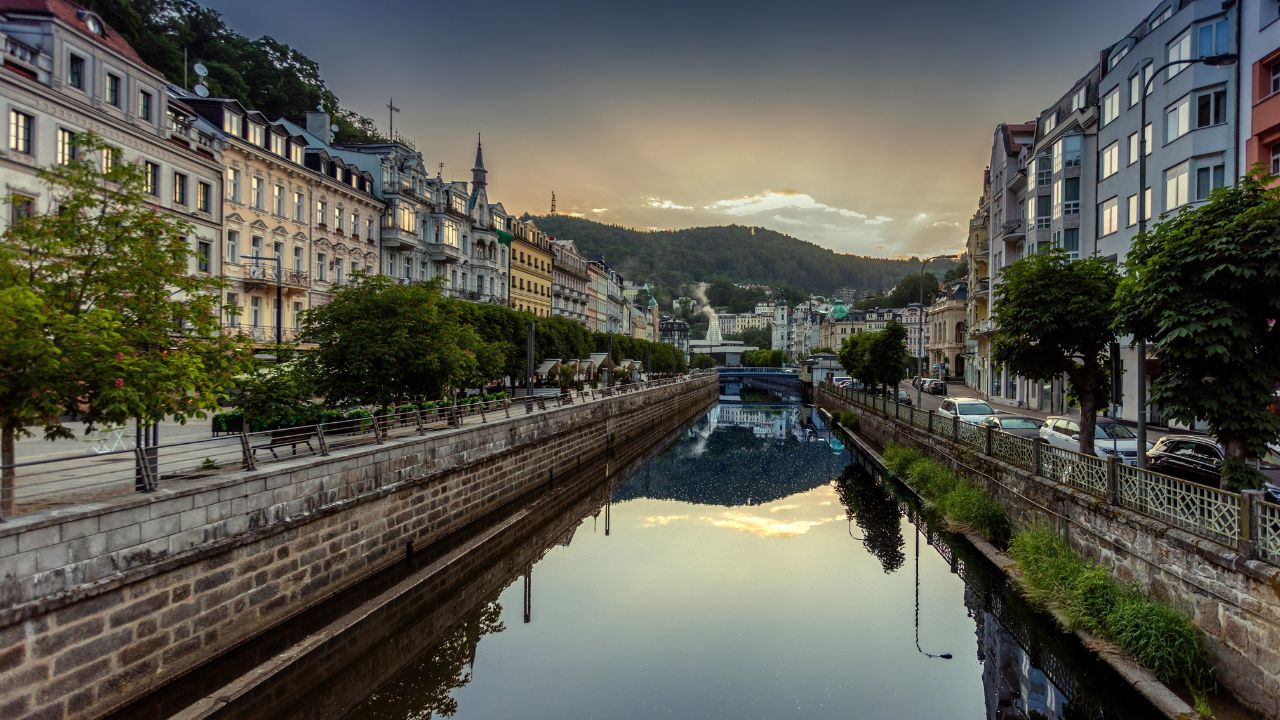
Karlovy Vary seems almost purpose-built for a list like this. The town’s official tourism site leans hard into the colonnades, fresh spa surroundings, and hillside elegance, while the Hot Spring and Hot Spring Colonnade remain the unmistakable centre of the story. Vřídlo, the geyser-like spring, still gives the town a theatrical focal point before you even step into a gallery or covered walk.
The wider setting keeps the place from feeling staged. Arcades, façades, river curves, and steep green slopes all work together, so strolling becomes part of the cure rather than downtime between treatments. Karlovy Vary does not simply offer spa routines. It offers a whole choreography for taking them slowly.
4. Mariánské Lázně, Czechia
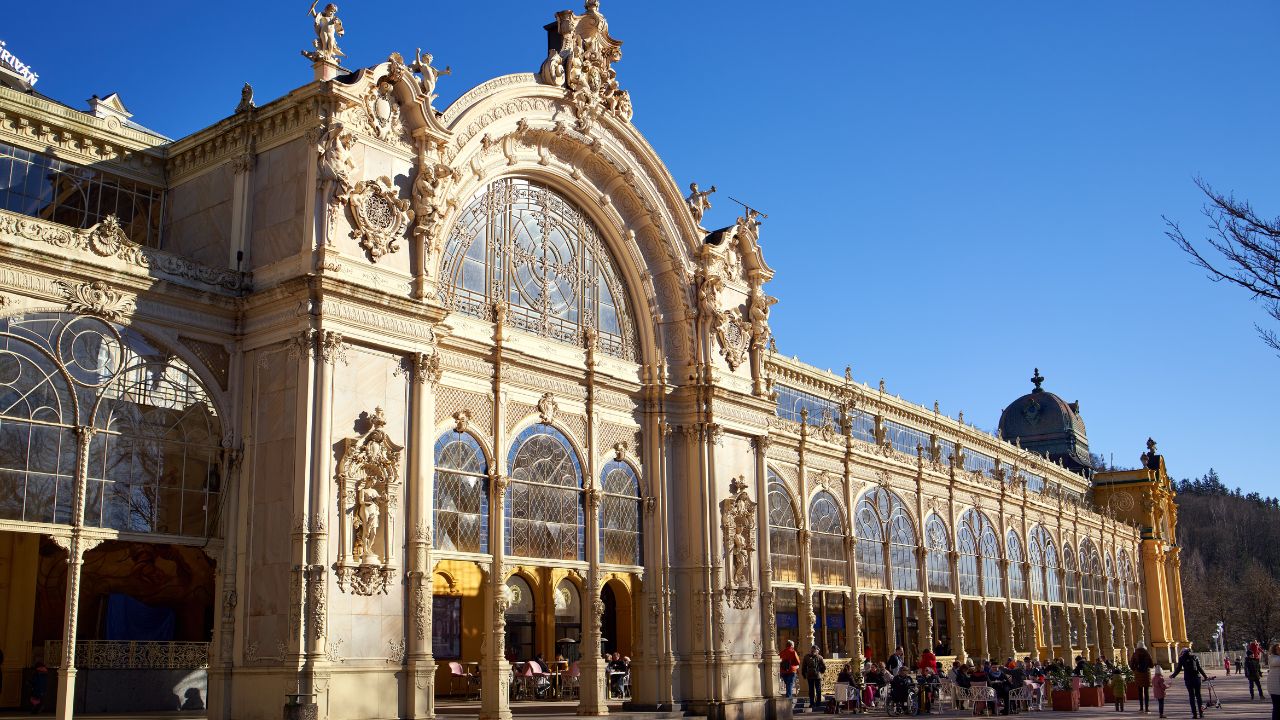
Mariánské Lázně carries itself with a lighter, more romantic air. The official tourism site presents the town through spa parks, colonnades, pavilions, cafés, and mineral springs, while its UNESCO page describes a spa park ringed by Neo-Classical and Art Nouveau buildings. The whole place feels arranged for lingering rather than rushing.
The details hold up beautifully. Official highlights note that the main colonnade stretches 180 metres and that around 40 springs rise naturally within the town itself. A morning drink cure, an afternoon concert, and an evening walk through the gardens all belong together here without any strain.
5. Vichy, France
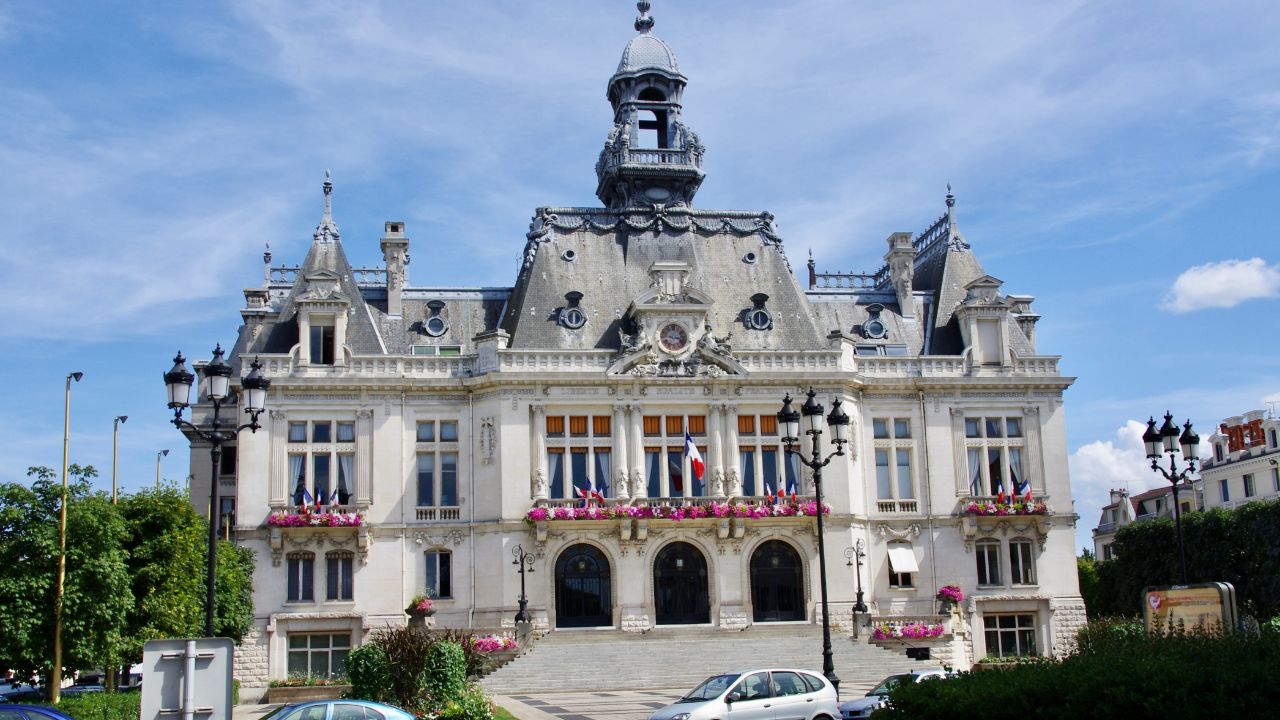
Vichy has long leaned into elegance, and the city can support the reputation. Vichy’s official tourism site still frames the town through its thermal quarter, Belle Époque flair, and parkland, while the Hall of Springs and the nine springs remain central to its identity. Thermes les Dômes adds another layer of spa-town grandeur just beyond the Parc des Sources.
The atmosphere is what makes Vichy memorable. Covered galleries, ordered parks, polished façades, and a strong sense of civic ceremony give the town a formality that suits a classic cure destination. Wellness here never feels improvised. It arrives wrapped in architecture.
6. Montecatini Terme, Italy
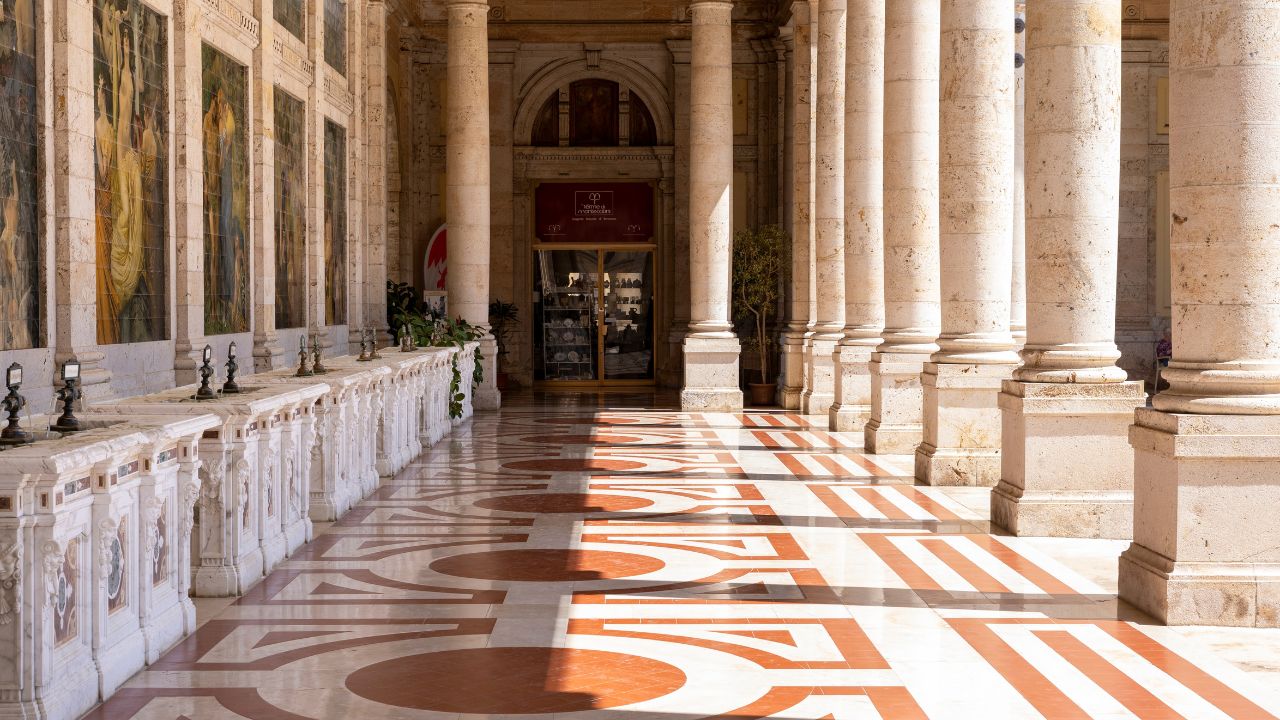
Montecatini Terme brings a Tuscan version of spa culture that feels especially graceful. Visit Tuscany says the town owes its fame to the therapeutic properties of its waters, the refinement of its buildings, and the architectural heritage built around the springs. It is one of the clearest examples in Italy of wellness and town planning growing up together.
The historic establishments do much of the visual work. Official Tuscany guidance on the thermal baths presents the town and the spa complex as inseparable, while its Montecatini art itinerary describes Tettuccio as a Belle Époque “thermal temple” of colonnades, courtyards, and elaborate fountains. Montecatini looks refined without ever seeming to try too hard.
7. Spa, Belgium
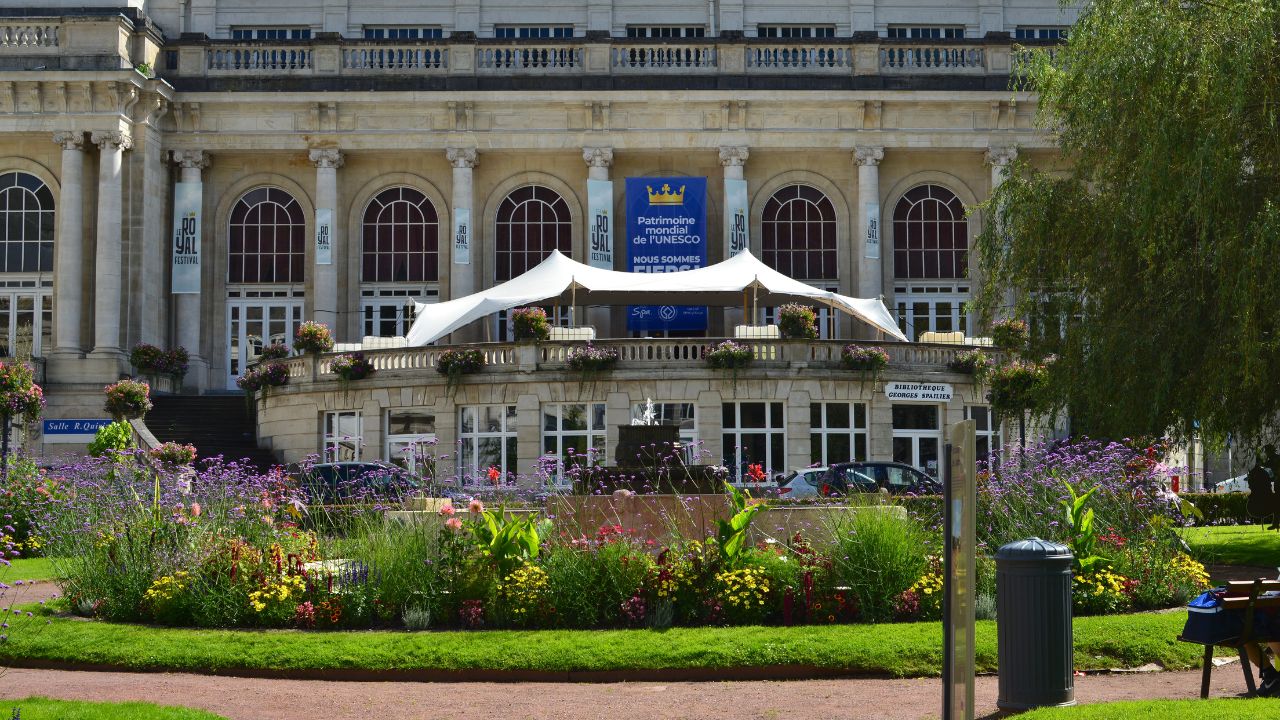
There is something pleasingly direct about a town actually named Spa still delivering on the promise. The official tourism site invites visitors to immerse themselves in carbonated baths, discover the town’s heritage, and visit the famous springs, including the Pouhon Pierre le Grand, the town’s main spring.
The modern bathing side stays closely tied to that older identity. Thermes de Spa presents the experience as a blend of spa tradition, natural mineral waters, and contemporary relaxation. Spa is less showy than some of the larger continental names, but that restraint is part of the charm. It feels grounded, lucid, and quietly serious about restoration.
8. Bad Ischl, Austria
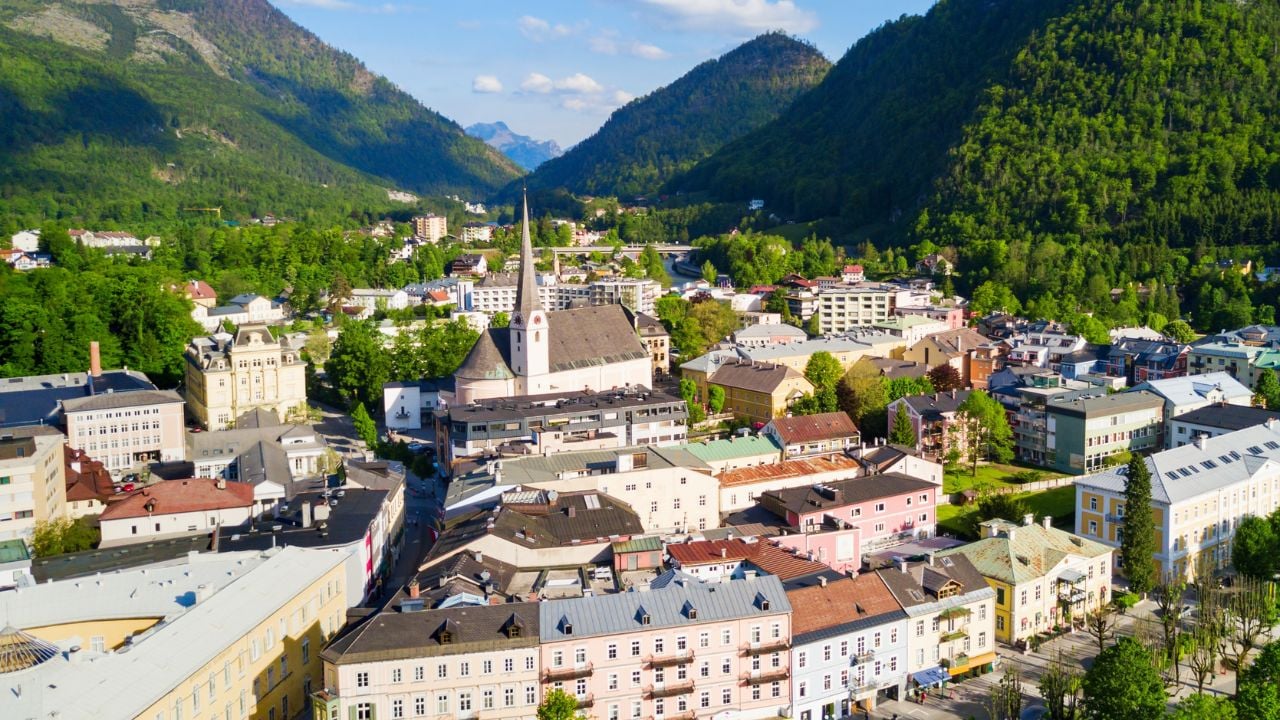
Bad Ischl rounds out the list with imperial flavour. Austria’s official tourism site describes it as a traditional spa town shaped by imperial history, culture, and the natural beauty of the Salzkammergut. The town carries its past lightly, but it is everywhere once you start walking.
The wellness side still feels rooted in place. Eurothermen’s official Bad Ischl page describes the thermal spa as a place of peace, deceleration, and relaxation, while local tourism still leans into the imperial-town identity. You are not disappearing into an anonymous wellness resort here. You are slowing down in a town that still remembers why people came in the first place.