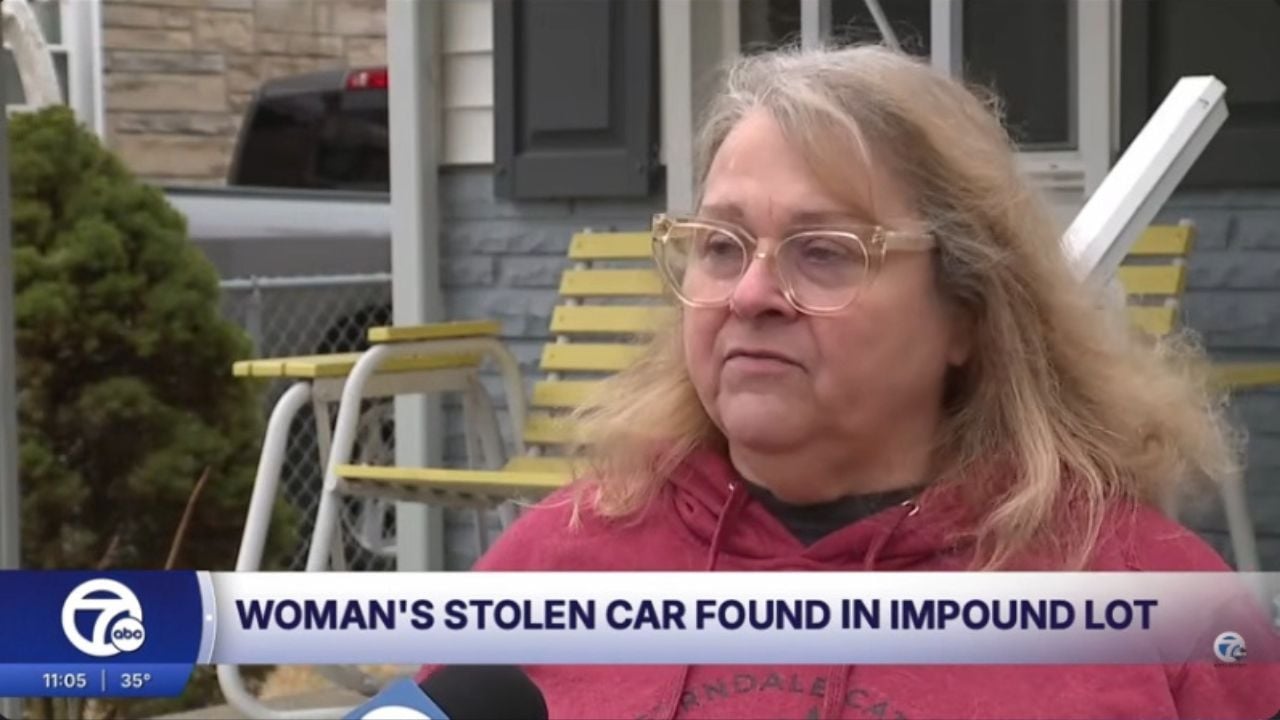

A quiet suburban driveway in Ferndale became the starting point of a frustrating and deeply unsettling ordeal for 64-year-old retiree Sharon Crane. What began as a straightforward case of vehicle theft soon unfolded into a complex chain of miscommunication, delayed notification, and bureaucratic gaps that left her without her car, despite it being recovered almost immediately.
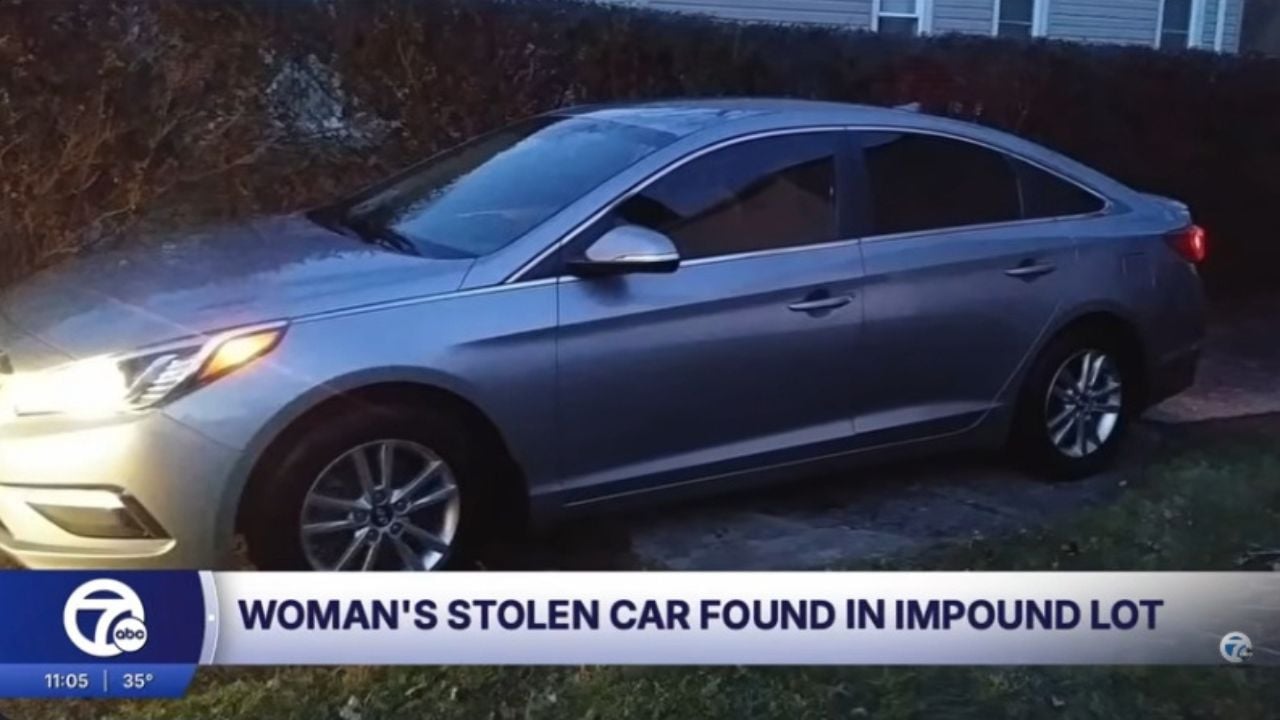
On September 14, 2025, surveillance footage captured a troubling scene. Crane’s 2015 Hyundai Sonata was seen leaving her driveway. The only problem was that she was not behind the wheel. The vehicle had been stolen. Shocked and disoriented, Crane contacted local authorities right away.
Ferndale police responded promptly and filed a report, setting in motion what she assumed would be an active investigation.
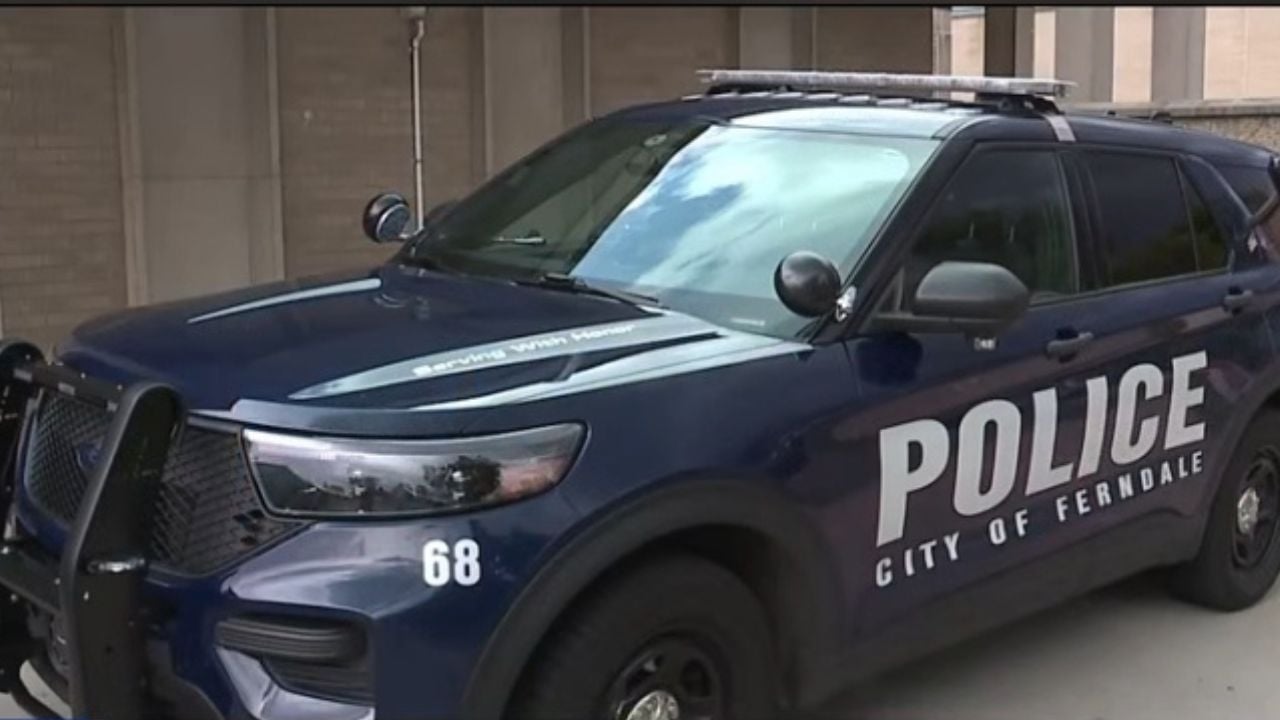
Days turned into weeks with no updates. Crane followed up multiple times, hoping for any sign of progress. Each time, she was met with the same answer. There had been no sightings, no recovery, and no leads. After a month of uncertainty, her insurance company stepped in and declared the vehicle a total loss. In October, she received a payout of $8,900, closing that chapter, or so she thought.
Then came an unexpected twist.
Found the Same Day, But No One Told Her
Roughly six months after the theft, Crane received a call from Ferndale police informing her that her car had been found in Detroit.
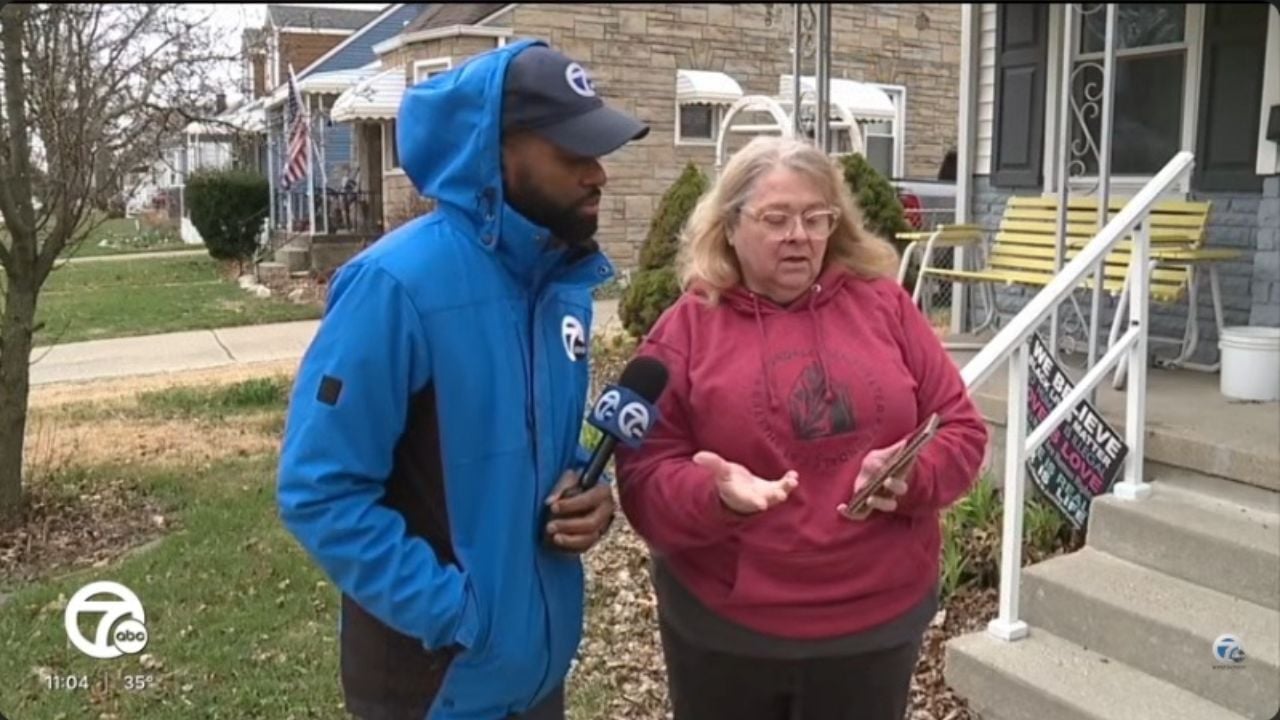
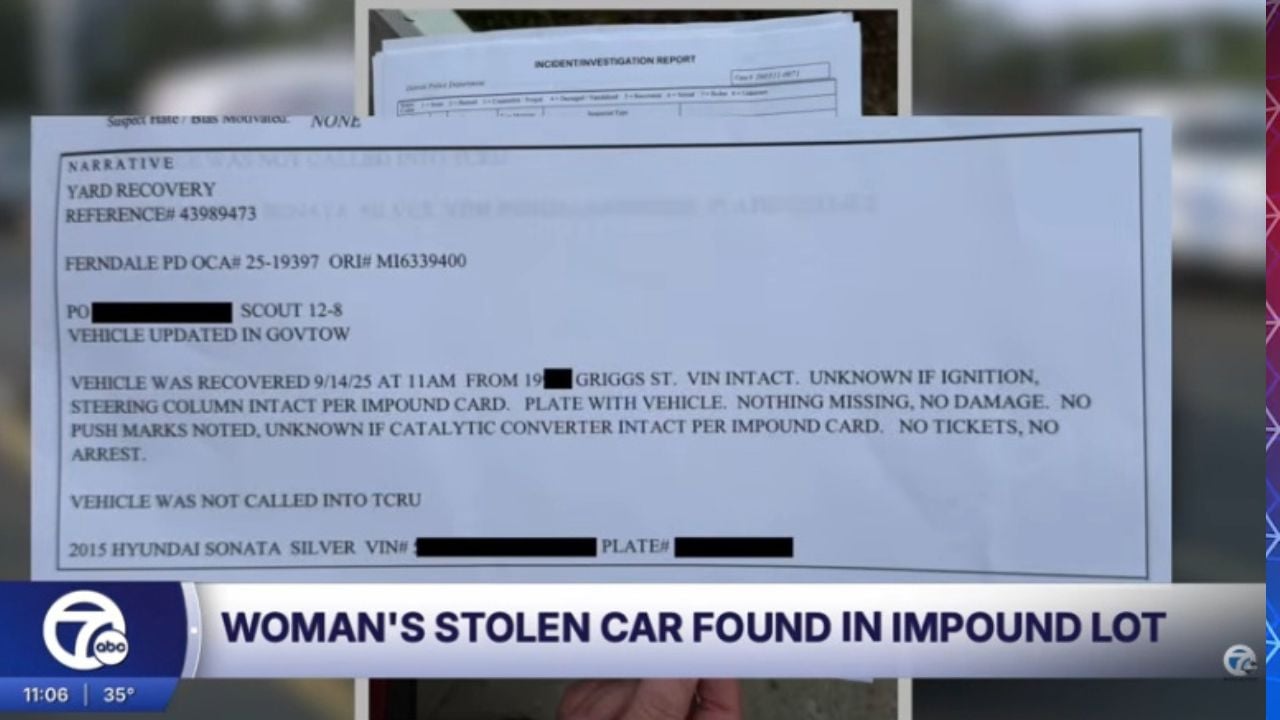
The news initially brought relief, but that feeling quickly gave way to disbelief and frustration when she reviewed the official report. According to Detroit police records, her vehicle had actually been recovered on the very same day it was stolen.
The realization was difficult to process. While she was filing reports, making calls, and dealing with insurance, her car had been sitting in a Detroit police impound lot the entire time. It remained there for six months, untouched and unclaimed, without any notification reaching her.
The vehicle was reportedly found just two miles from her home, on Detroit’s west side. Even more surprising was its condition. The car was still in perfect shape, and her personal belongings were intact inside. There had been no apparent damage or signs of prolonged misuse. Yet despite this, Crane no longer had any legal claim to it.
A Car She Can’t Get Back
Because her insurance company had already paid out the claim, ownership of the vehicle had transferred to them. That meant the recovered car was no longer hers, even though she had never been informed it was found. To make matters worse, the car was now scheduled to be auctioned.
If Crane wanted it back, she would have to compete with other bidders and potentially pay more than what she originally received.
The situation raises serious questions about communication between law enforcement agencies. Ferndale police handled the initial report, but Detroit police were responsible for the recovery. Somewhere between those two departments, critical information failed to reach the one person who needed it most.
Crane is left wondering how such a breakdown could occur. If her case slipped through the cracks so easily, how many others might have experienced something similar without ever finding out?
Detroit police have acknowledged the issue and stated they are reviewing how the case was handled. They aim to determine why the notification process failed and how such delays can be prevented in the future.
Can She Sue?
For Crane, the damage is already done. While her story highlights a serious breakdown in interagency communication, suing the police would be challenging.
Legally, police departments often enjoy sovereign immunity, which shields them from liability unless gross negligence or constitutional violations can be proven. To succeed, Crane would need to argue that the failure to notify her of the recovery constituted a breach of duty that directly caused financial harm.
Her strongest angle is the due process and property rights argument: she lost ownership of her car because of official inaction, not her own neglect. Demonstrating that Detroit police had clear records of recovery yet failed to inform her could establish negligence.
However, courts are reluctant to impose liability for investigative missteps, and damages may be limited since her insurer already compensated her. In short, while she could pursue a claim, her legal advantage is narrow. A civil suit might expose procedural flaws, but success would hinge on proving extraordinary negligence rather than routine bureaucratic error.
Ultimately, what could have been a straightforward recovery turned into a prolonged ordeal marked by missed communication and lost opportunity.