Italy has always treated performance cars as more than transportation. At its best, it builds machines that combine speed, design, sound, and atmosphere in a way few countries have ever matched. That is exactly what makes this group so compelling.
These cars do not belong to one narrow category, because Italy never approached the performance world through a single formula. Here, a sharp edged coupe, a front engine grand tourer, a mid engine exotic, and a low volume design statement can all feel part of the same larger tradition. What ties them together is character.
Each one offers a distinct view of what an Italian performance car should be, whether that means elegance, theater, technical ambition, or pure visual nerve. They still matter because they make modern machinery feel a little too careful by comparison. And for collectors, that emotional force remains one of the most valuable qualities any car can have.
What Earns A Place In This Company
The cars chosen here needed to represent the breadth of Italian performance at a very high level, not just one corner of the market. Design mattered enormously, because any serious collector car from Italy should still command attention before the engine starts.
Mechanical identity carried equal weight, whether that came through a glorious V12, a memorable turbocharged setup, a rare construction method, or a layout closely tied to the maker’s reputation. I also looked for cars that hold a clear place in the story of their brand, since historical importance is part of what turns a desirable machine into a lasting collectible.
Variety was essential, because this field includes everything from radical low volume specials to polished grand touring cars built for long distance speed. Market value mattered far less than emotional and cultural significance. The final result is a lineup of Italian performance icons that still feels rich, diverse, and worthy of serious attention.
Alfa Romeo GTV 3.0 V6 24V
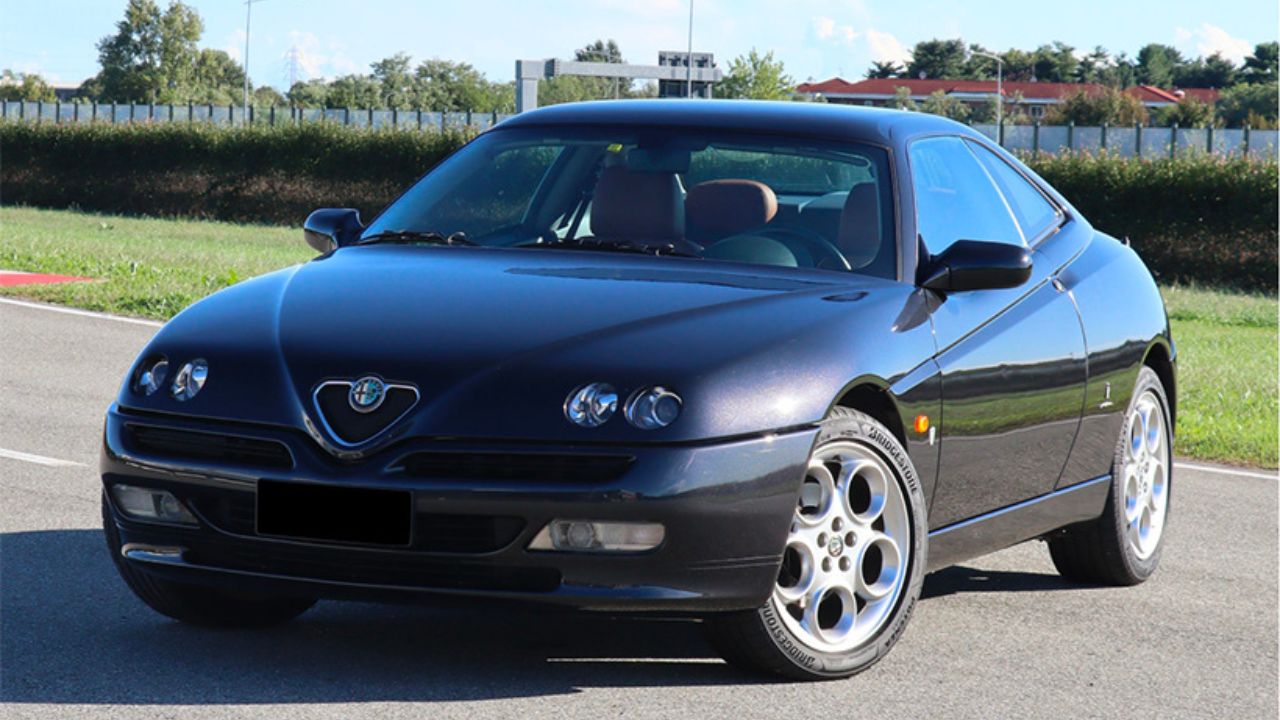
The 916 series Alfa Romeo GTV is the car that reminds you how much elegance can still live inside a relatively attainable coupe. Stellantis Heritage describes the GTV and Spider as sports cars with a distinctly Alfa interior and a 2+2 layout in GTV form, and that balance of usability and emotion is part of the appeal.
In 3.0 V6 24V form, the GTV carried the voice and soul collectors expect from Alfa Romeo, but wrapped it in a body that still feels crisp, low, and wonderfully resolved. It has the kind of front end and side profile that make many modern coupes look too busy. This is not the loudest Italian sports car of the decade, and it does not need to be. It wins with proportion, sound, and the quiet satisfaction of a car that feels more special every time you revisit it.
Ferrari F355
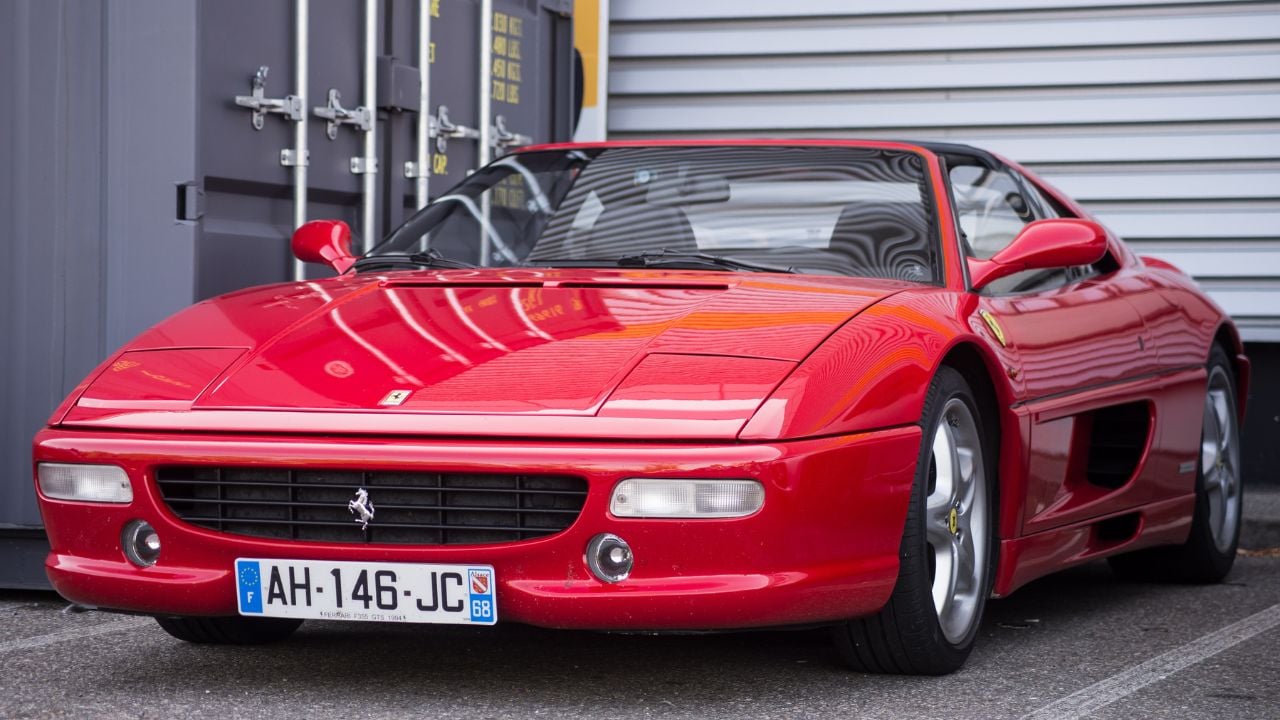
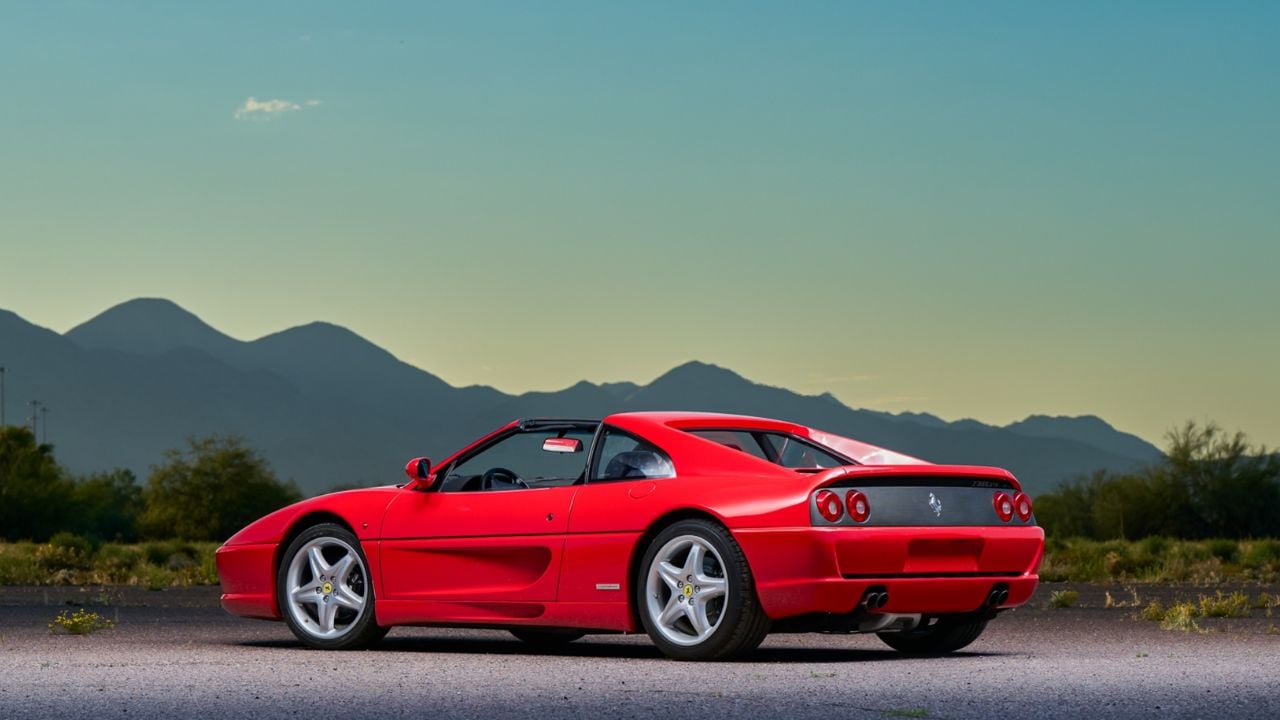
The Ferrari F355 is the moment when Ferrari found a near perfect blend of beauty, usability, and sharp old school involvement in one road car. Ferrari says the F355 Berlinetta was unveiled in 1994 and sold through 1999, and the company still celebrates it as one of the defining cars of the era. That feels right because the F355 has aged with extraordinary grace.
The proportions are clean, the cabin still feels intimate in the best Ferrari way, and the whole experience revolves around response rather than excess. Collectors are drawn to it for obvious reasons, starting with the sound and the gated manual, but the deeper attraction is harmony. Nothing about the car feels accidental. It sits in that rare place where design, engine character, and brand mythology all support each other without strain. Every serious Italian collection makes room for one.
Ferrari F50

Some collector cars are prized because they are lovely. The Ferrari F50 is prized because it feels like a declaration. Ferrari’s own archive describes it as a no compromise car with no power steering, no servo brake, and no ABS, a road machine built with composite construction and Formula 1 thinking. That philosophy is exactly what gives it lasting gravity.
The F50 does not charm you first. It overwhelms you with purpose, then slowly reveals its purity. In a great collection, that matters. You want at least one car that represents a brand at full intensity, with almost no filtering between engineering ambition and driver experience. The F50 delivers that in unforgettable fashion. It is dramatic without being theatrical, rare without feeling fragile, and significant enough to anchor an entire room. Few 1990s Italian cars carry this much presence before a wheel even moves.
Alfa Romeo SZ

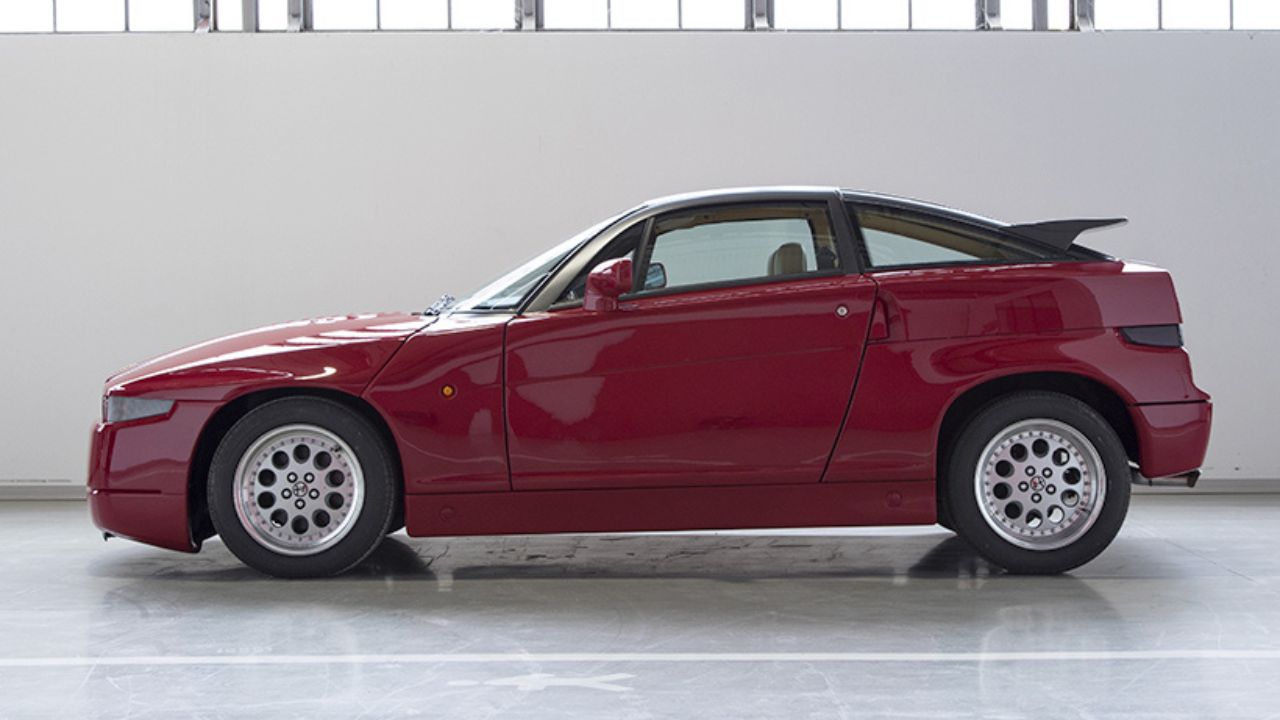
Few collector cars wear their attitude more openly than the Alfa Romeo SZ. It looks severe, unusual, even a little defiant, and that is exactly why serious enthusiasts love it. Stellantis Heritage notes that the SZ was presented at Geneva in 1989, produced in roughly 1,000 examples, and assembled virtually by hand, with a V6, rear wheel drive layout, and styling shaped by Alfa Romeo and Zagato.
That combination gives it a special place in any Italian collection. It is not beautiful in a soft or obvious way. Its appeal comes from confidence, rarity, and the feeling that Alfa Romeo was willing to take a genuine design risk. Every collection needs at least one car that challenges people a little before winning them over completely. The SZ does that better than almost anything else from its era.
Ferrari 550 Maranello
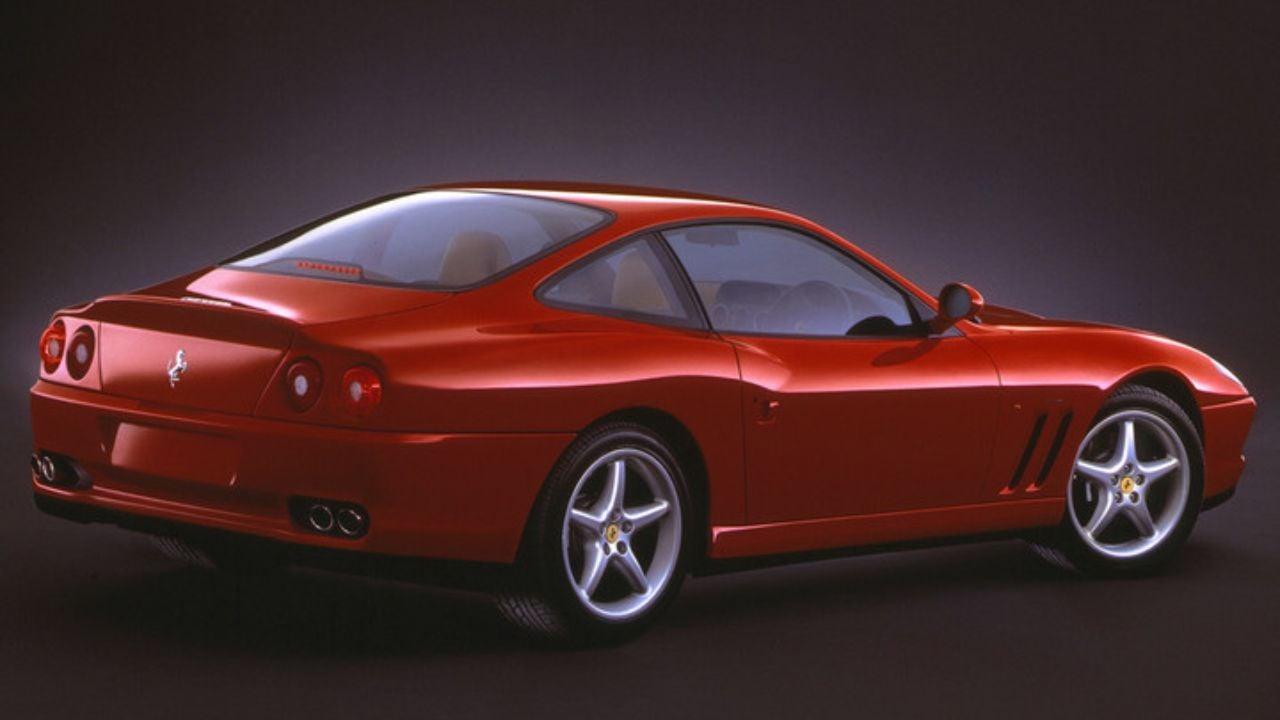
The 550 Maranello brought Ferrari back to a front engine V12 grand touring formula, and Ferrari itself presents it as a major return to that tradition when it launched in 1996. That return matters because the 550 feels like a mature answer to the sports car question. Instead of chasing raw mid engine theater, it delivers long hood elegance, a manual gearbox, and the kind of composure that makes speed feel effortless rather than frantic. A collector should want one for more than the badge.
The 550 is one of those Ferraris that becomes more impressive with age because its shape is clean, its purpose is clear, and its personality does not depend on period fashion. It belongs in a serious collection for the same reason a great tailored jacket belongs in a great wardrobe. It never tries too hard, and it never stops looking right.
Fiat Coupé 20V Turbo
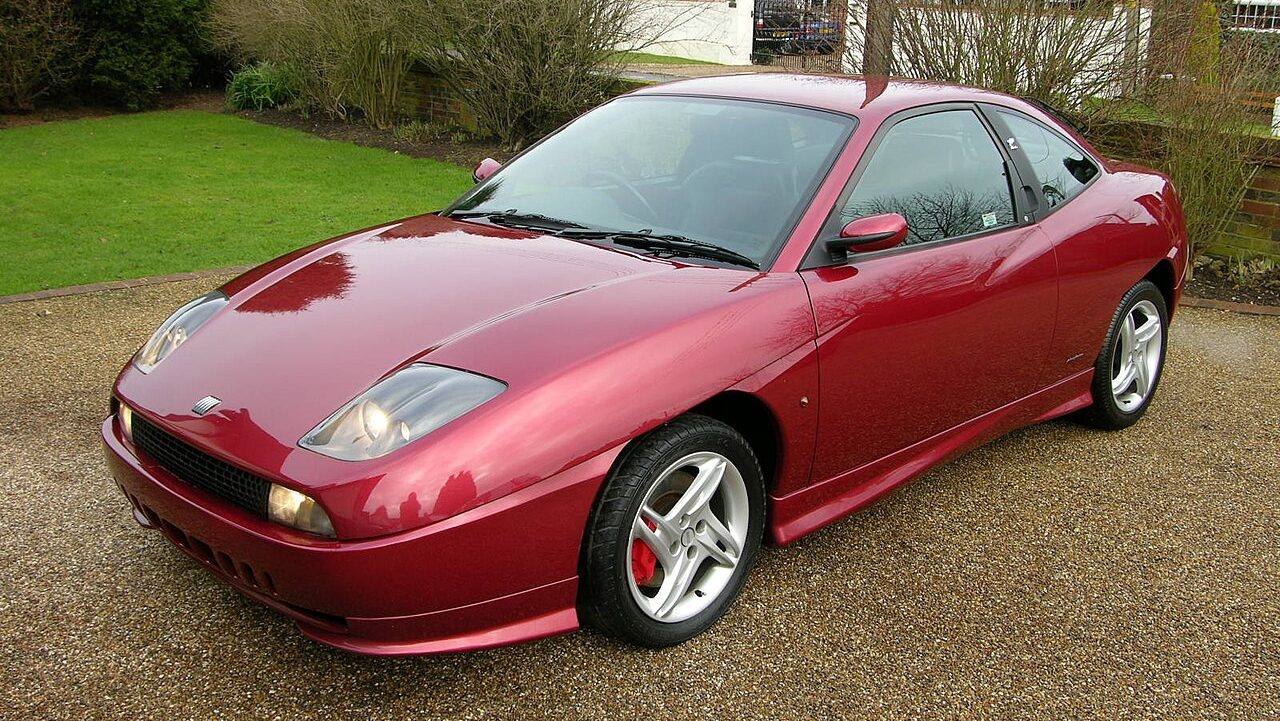
Every collection benefits from one car that proves excitement did not belong only to six figure exotics. The Fiat Coupé is that car. Stellantis Heritage describes it as a sports car introduced in 1993 and put into production the following year, praising both its bold styling and its refined, evolving mechanical package. In 20V Turbo form, it delivered the kind of pace and character that made it far more than a stylish curiosity.
The design still lands today because it has courage. The cut line along the flanks, the round taillamps, and the contrast between the sharp body and richer interior detailing make it feel unmistakably 1990s and distinctly Italian at the same time. For collectors, the appeal is not only rarity or nostalgia. It is the chance to own one of the decade’s most original shapes from a company brave enough to build it.
Lamborghini Diablo VT
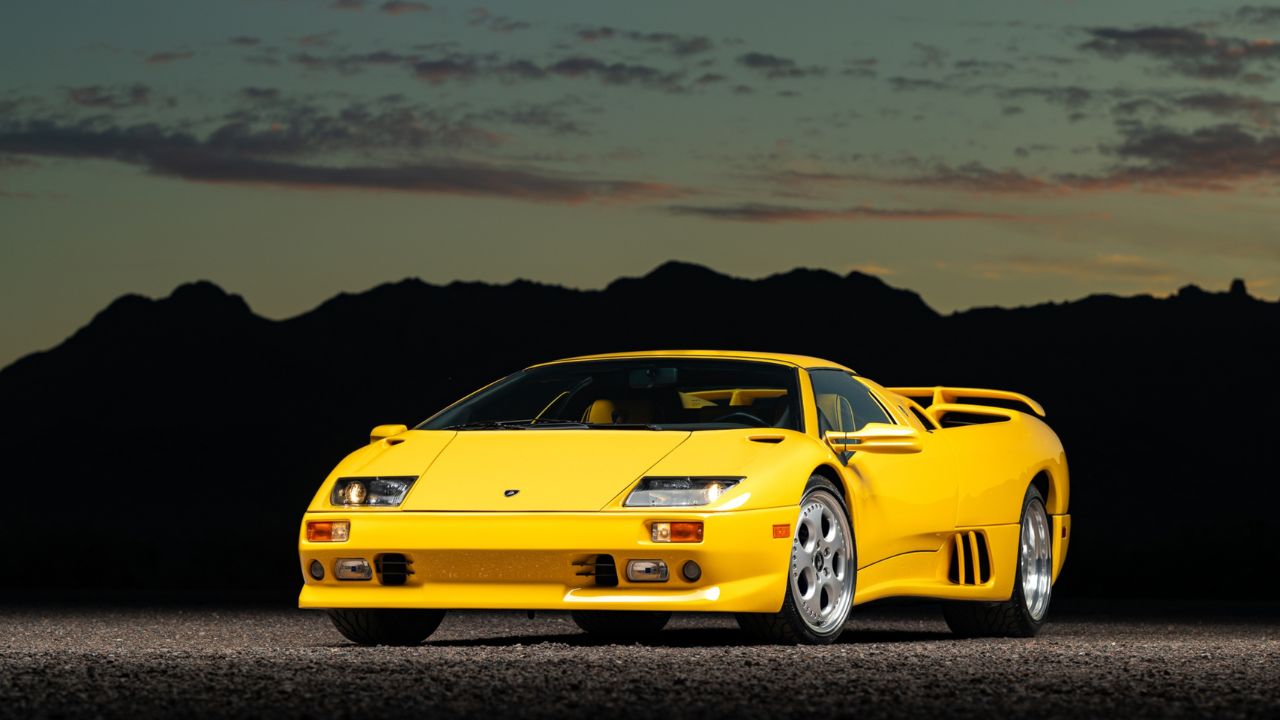
The Diablo was always going to be essential here, but the VT is the version that best captures the 1990s shift within Lamborghini itself. Lamborghini notes that the Diablo debuted in 1990, and that the Diablo VT arrived in 1993 as the brand’s first four wheel drive granturismo, bringing important mechanical and visual updates with it. That makes the VT more than a loud poster car. It marks a turning point.
The Diablo still looks outrageous today, yet beneath the theater there is real historical value in the way Lamborghini developed the concept into something more complete. For collectors, it checks every emotional box. It has the V12, the scissor doors, the width, the excess, and the sense that one car can define an entire era of bedroom walls and magazine covers. A collection of 1990s Italian sports cars without a Diablo feels incomplete.
Maserati Shamal

The Maserati Shamal is the choice for collectors who like their Italian performance cars with a little danger in the silhouette. Maserati calls it the most extreme evolution of the original Biturbo family and highlights Marcello Gandini’s muscular design, especially the distinctive rear wheel arches that make the car instantly recognizable. That description gets to the heart of the appeal. The Shamal feels compact, tough, and slightly unruly in a way many modern cars never dare to be.
It also matters because it represents Maserati in a transitional, still very emotional period, when the brand was trying to reclaim authority with force rather than polish alone. In a collection, the Shamal adds texture. It is not the obvious Ferrari or Lamborghini answer. It is the darker, sharper, more insider pick, and that is exactly why it belongs in a room full of better known names.
Maserati 3200 GT
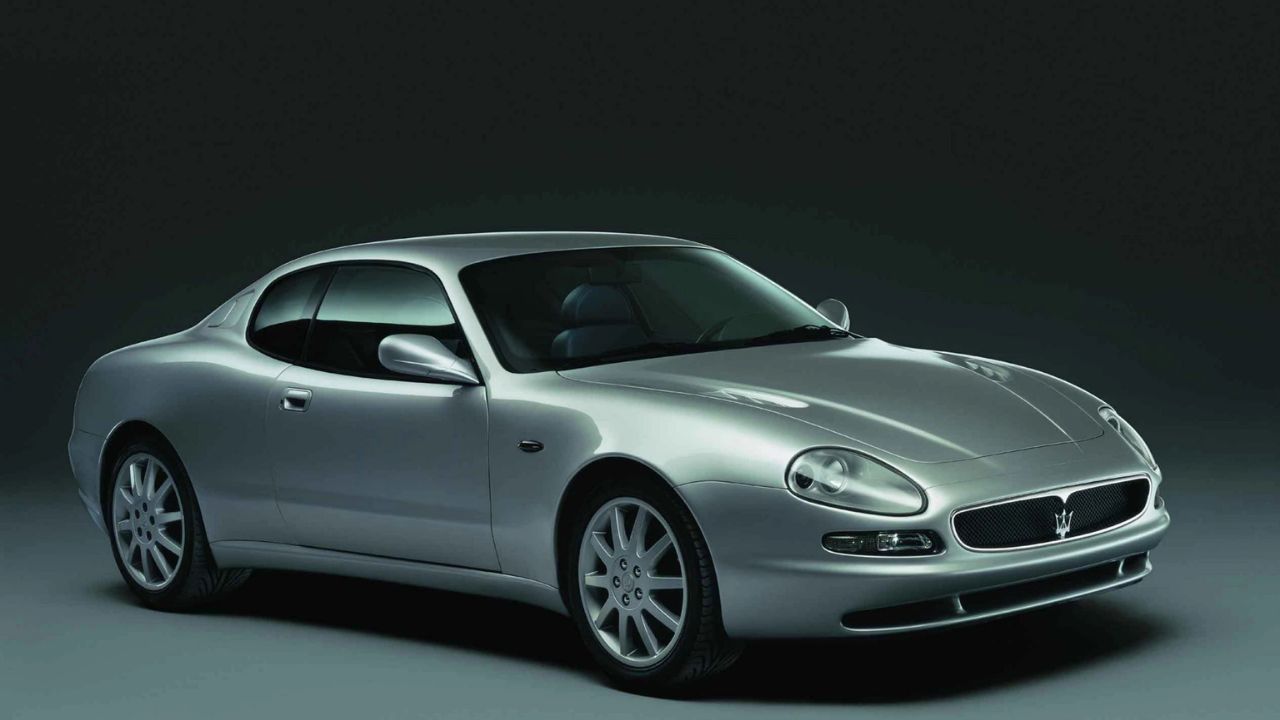
If the Shamal was muscle, the 3200 GT was refinement with teeth. Maserati says the 3200 GT was presented in 1998, produced through 2002, and marked a return to true gran turismo values, while also becoming the first production car with boomerang shaped LED taillights. That already makes it historically important, but the deeper reason collectors want one is how complete it feels. Giugiaro’s design has aged beautifully, the stance still looks expensive, and the twin turbo V8 gives it the right amount of menace beneath the elegance.
It is one of those cars that makes a collection look more sophisticated because it speaks in a slightly quieter voice than the obvious poster exotics. Yet it loses none of the drama. The 3200 GT belongs here because it captures late 1990s Italian style at a very high level without surrendering any character.
Pagani Zonda C12
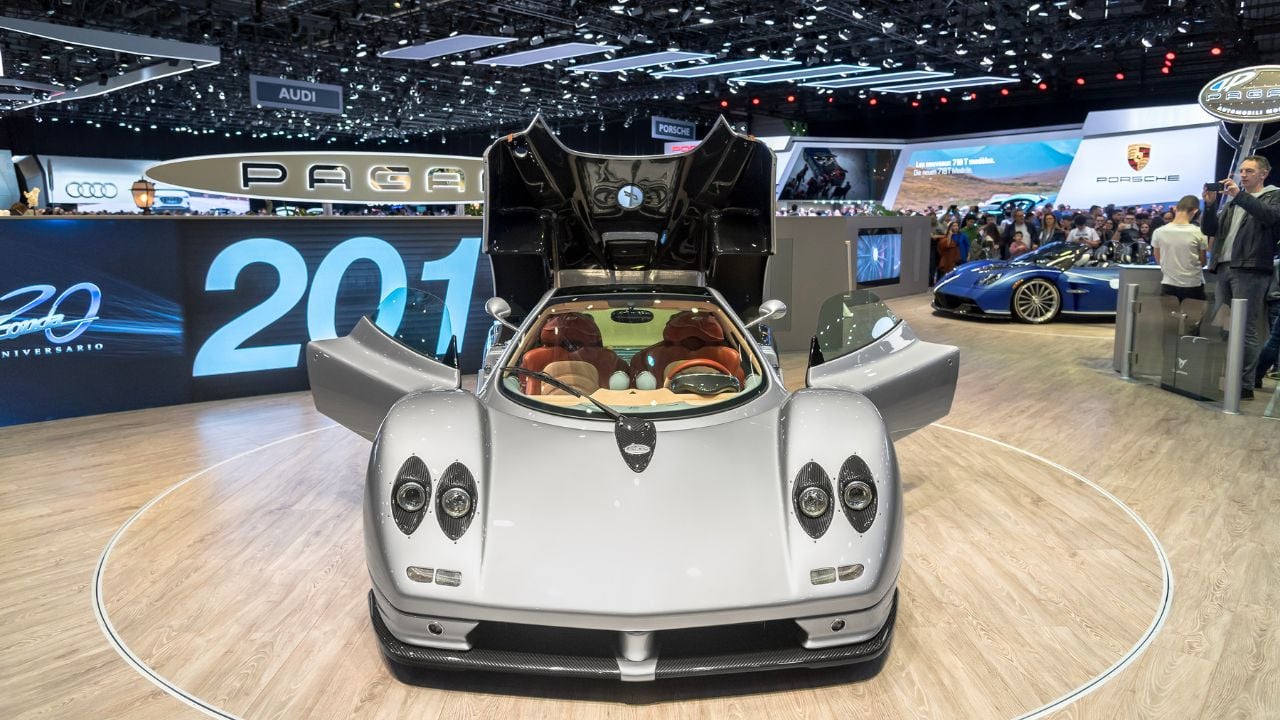
The Zonda C12 arrived right at the end of the decade and changed the scale of the conversation. Pagani says the car first appeared at Geneva in March 1999, while its own history materials describe it as the company’s first supercar and the beginning of the legend. That is not an exaggeration. The Zonda did not simply join the Italian sports car story. It opened a new chapter. Its exposed carbon, fighter jet atmosphere, and obsessive attention to materials made older definitions of exotic feel suddenly incomplete.
For collectors, the Zonda is the dream machine that also represents a founding moment. Owning one means holding the first page of Pagani’s history, not merely a later highlight. That is powerful collector logic. Some cars become valuable because they are rare. Others become essential because they announce a new idea. The Zonda C12 did both.
The Kind Of Greatness Collectors Never Outgrow

What makes these cars so special is the way they refuse to flatten into a single idea. Each one carries its own mood, its own rhythm, and its own understanding of how performance should feel. That is why this group works so well together. It shows how Italy has long treated the performance car as an art form with room for elegance, aggression, beauty, strangeness, and technical daring all at once.
Very few automotive cultures have created machines with this much individuality. That is also why collectors keep coming back to them. They offer more than speed or rarity. They offer identity. And when you imagine the kind of garage that would keep calling you back for one more look, one more start, and one more drive, is there anything more important than that?