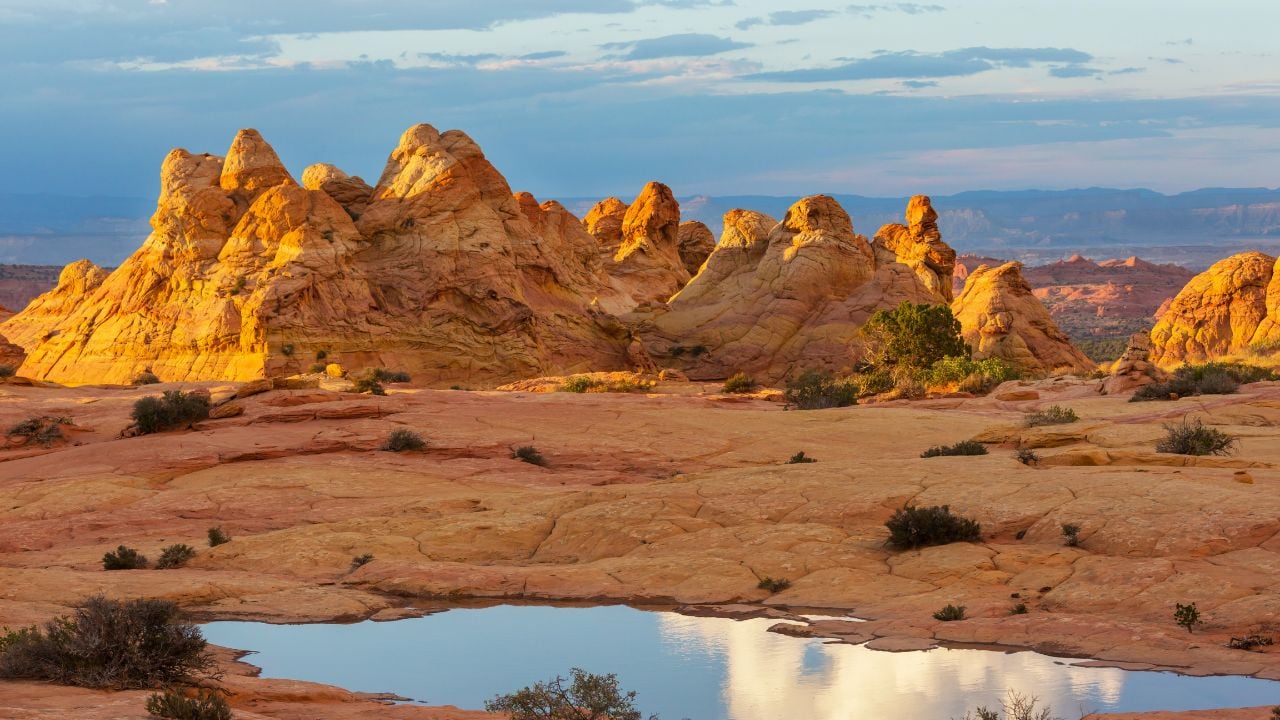
Some landscapes feel impressive the moment you pull into a parking lot. Paria Canyon-Vermilion Cliffs asks a little more from you, and that is part of the appeal. The Bureau of Land Management describes Vermilion Cliffs National Monument as a remote and unspoiled geologic treasure in northern Arizona, and that tone fits the place. This is not a quick scenic stop dressed up as an adventure. It is the kind of destination that rewards planning, patience, route-finding, and a willingness to deal with dirt roads, deep sand, and true backcountry conditions.
What makes it special is the amount of variety packed into one protected landscape. The monument contains the Paria Plateau, the Vermilion Cliffs escarpment, Coyote Buttes, and Paria Canyon, while the adjacent wilderness is known for slot canyons, towering walls, colorful sandstone, solitude, and primitive recreation. Add endangered California condors, rough roads, flash-flood danger, and big temperature swings, and the appeal becomes easy to understand. If you like outdoor places that still feel raw, hard-earned, and slightly unforgiving, this one belongs high on the list.
1. The Scenery Looks Almost Invented
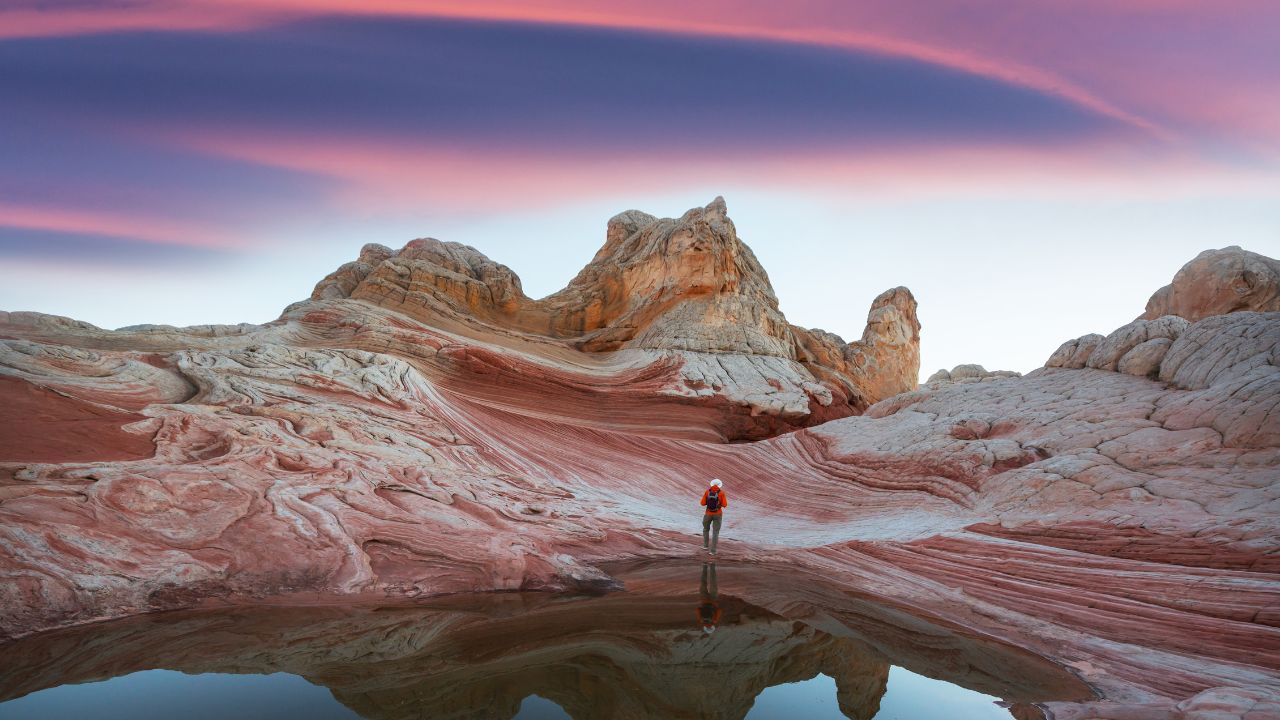
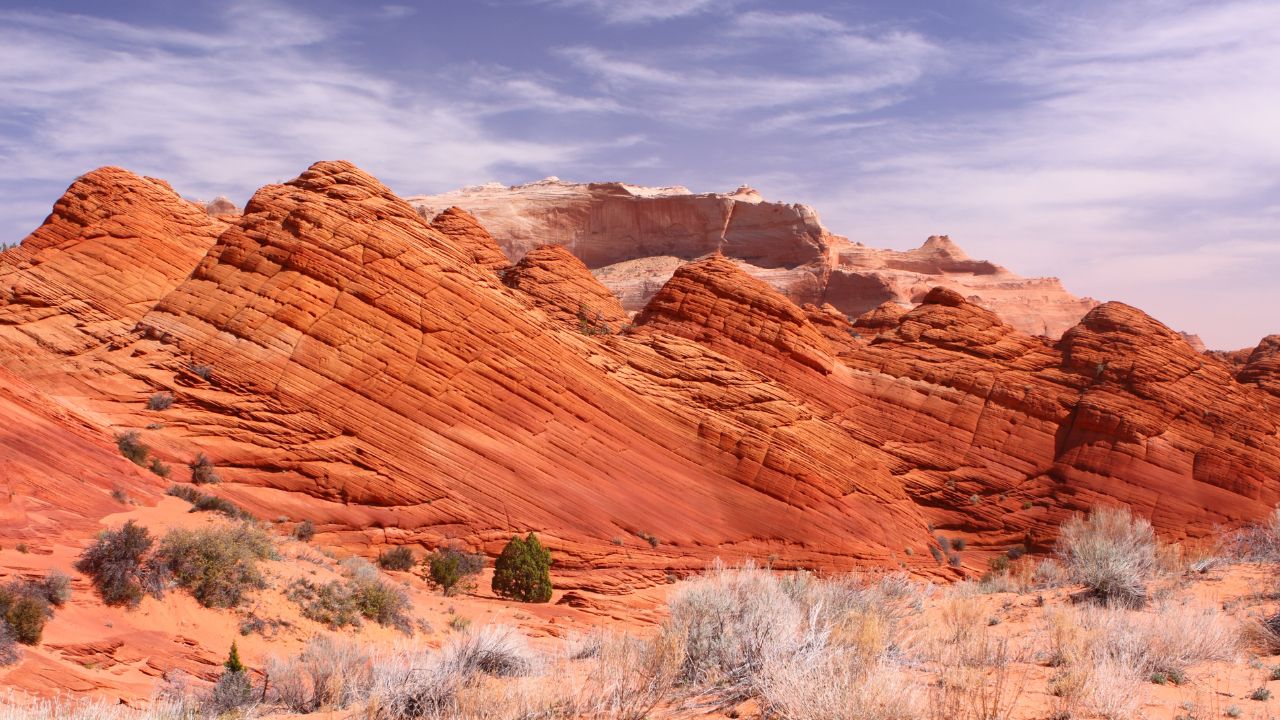
The geology here feels almost too dramatic to be real. BLM describes Paria Canyon as a place of towering walls streaked with desert varnish, huge red-rock amphitheaters, sandstone arches, wooded terraces, and hanging gardens, while the 3,000-foot Vermilion Cliffs escarpment dominates the rest of the wilderness with thick Navajo sandstone, rugged arroyos, and a stark overall appearance. Then Coyote Buttes changes the mood again with swirling, cross-bedded sandstone and fragile rock formations that seem to shift character with the light.
On the ground, that turns into constant visual variety. One stretch gives you sheer walls and wide desert views. Another opens into sandy benches and long silence. Then the terrain folds into sculpted rock that can look almost liquid near sunrise or late afternoon. The monument never settles into one visual mood for very long, which is a big part of what makes it stick in your memory.
2. Buckskin Gulch and Paria Canyon Deliver the Real Backcountry Experience
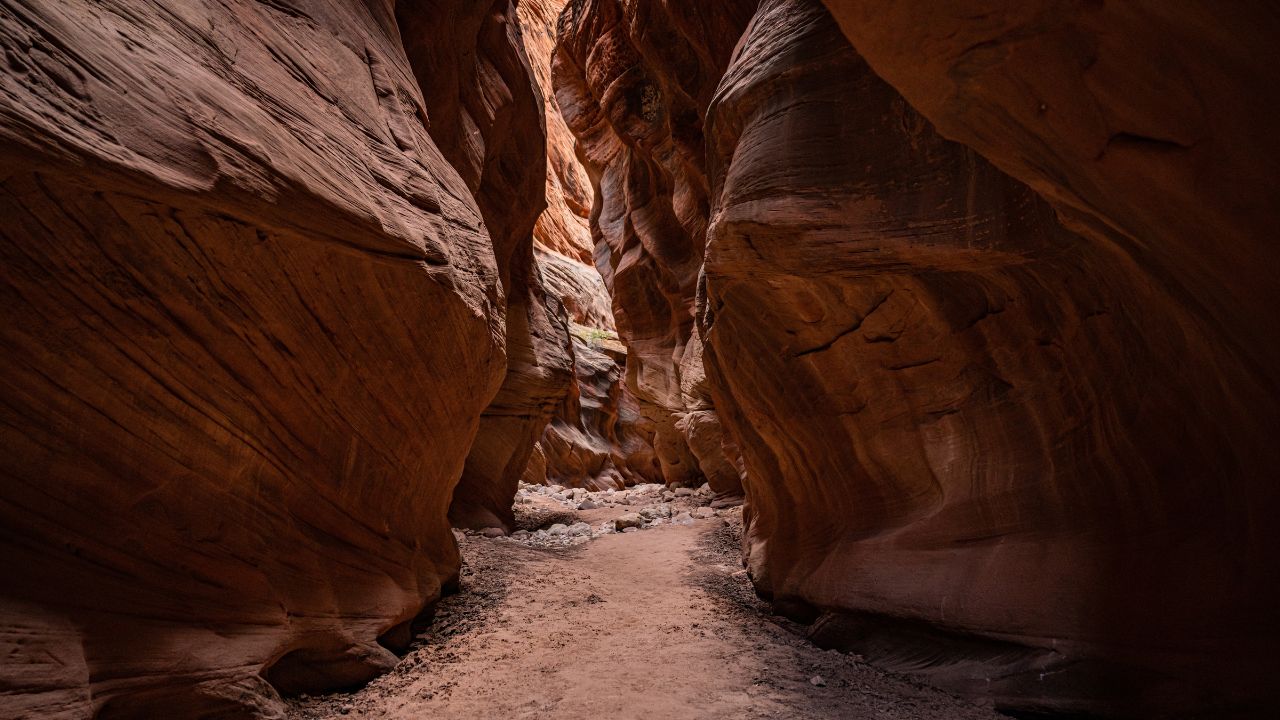
Buckskin Gulch alone is enough to put this area on a serious hiker’s wish list. BLM calls it one of the longest continuous slot canyons in the world, with roughly 16 miles of undulating sandstone walls. Nearby, Paria Canyon is promoted by BLM as an outstanding three- to five-day wilderness backpacking experience, which tells you a lot about the kind of commitment the landscape invites. This is not a place where you glance at one overlook, take a photo, and feel finished.
The appeal comes from movement and immersion rather than easy access. Permits are required for Paria Canyon day use and overnight trips, and overnight use is capped at 20 people per day, with group size limited to 10. That controlled access helps preserve the wilderness feel. It also means the canyon system still carries a seriousness that many heavily visited scenic places have lost.
3. The Wave Earns Every Bit of Its Reputation
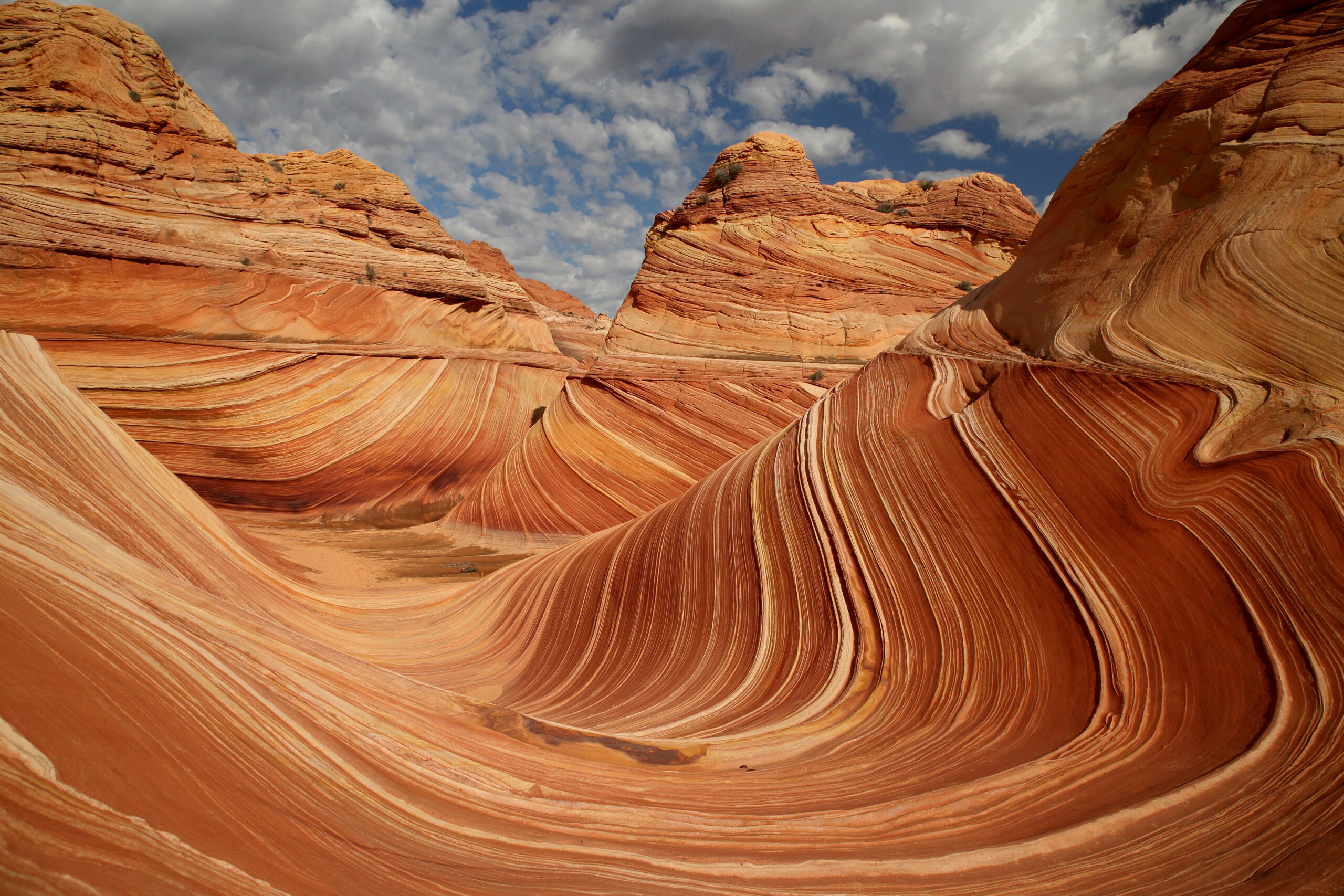
Yes, The Wave is the headliner, and it is easy to understand why. The sandstone looks surreal in photographs and somehow even stranger in person. But part of the appeal is that the place still asks something from visitors. BLM says the suggested route to The Wave is a strenuous 6.4-mile round-trip hike across challenging terrain that requires wayfinding skills. It also notes that Coyote Buttes sits in a backcountry, undeveloped wilderness area with no developed trails or facilities.
That rarity is not artificial. BLM limits visitation through a permit system to preserve wilderness character and reduce damage to the fragile landscape. In a time when many famous outdoor places feel dulled by crowding, The Wave still manages to feel rare. It is not special because it is difficult to photograph. It is special because it still feels like something you have to work for, and that effort becomes part of the memory.
4. White Pocket Is the Quieter Thrill Nearby
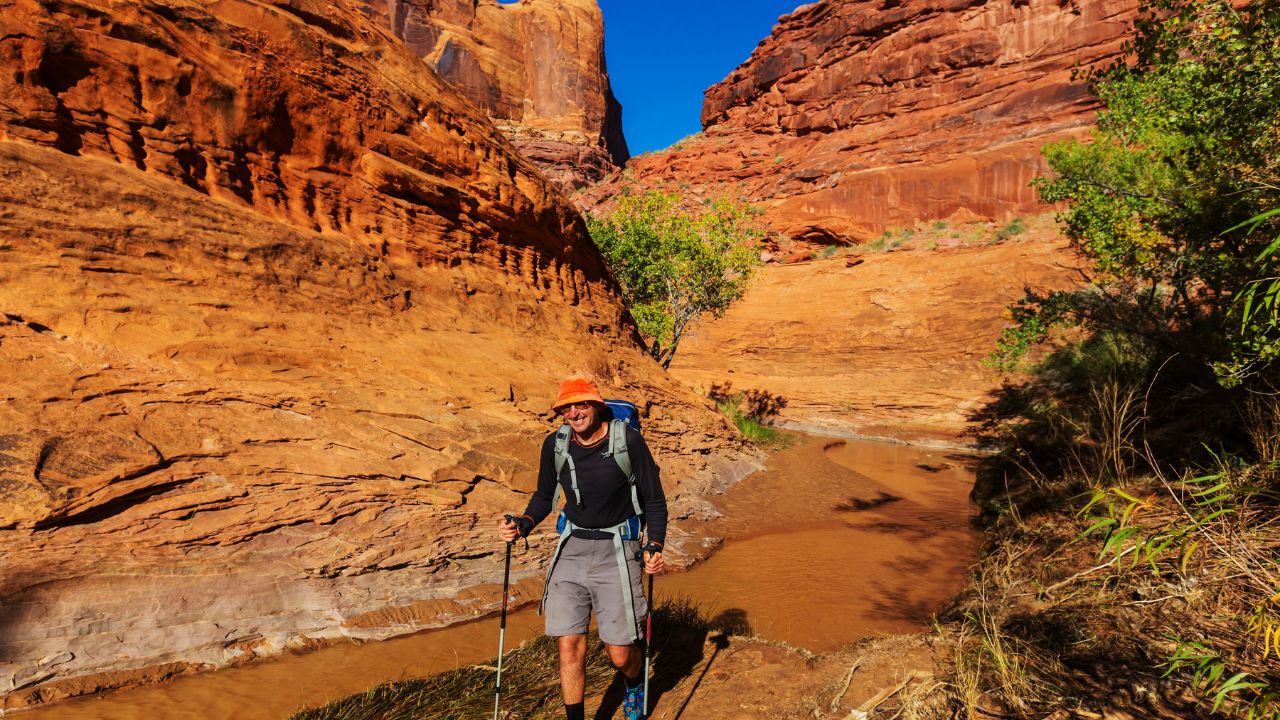
One of the smartest reasons to put this monument on your list is that the adventure does not begin and end with a single permit lottery. White Pocket offers a different kind of reward. BLM describes it as an area of awe-inspiring slickrock shaped by the elements into orange, yellow, and white formations, and it also makes clear that there are no developed trails there. The atmosphere feels more exploratory and less famous from the start.
Getting there is part of the experience in the most honest sense. The access roads include deep sand and patches of sharp rock, and BLM says four-wheel-drive, high-clearance vehicles are required. The agency also says many groups get stuck every year and recommends hiring an authorized guide if you are unsure of your vehicle or do not want to assume the risk. White Pocket feels like the quieter companion to The Wave, but not a lesser one.
5. It Still Feels Wild in a Way Many Famous Parks No Longer Do
Part of the monument’s power comes from what it does not have. BLM says there are no paved roads within the monument and no visitor centers on the monument itself. The two developed campgrounds it recommends, Stateline and White House, sit outside the monument boundary. That lack of heavy infrastructure helps preserve the silence, the isolation, and the sense that you are entering a place that still operates on its own terms.
There is also a wildlife layer that gives the trip even more character. The monument is home to a growing number of endangered California condors, and the Condor Viewing Site offers a chance to see these enormous birds in the wild. Put it all together and the case becomes easy to make. Paria Canyon-Vermilion Cliffs offers huge scenery, demanding access, solitude, and the kind of adventure that still feels real. That is exactly why it belongs on your adventure list.