
The story of Owen Maughan has become one of the most troubling recent cases to emerge at the intersection of road safety, alcohol misuse, and family tragedy. A Sunday drive on 1 June 2025 ended in a fatal collision that has since drawn sustained attention from investigators, the courts, and the wider automotive community to this day.
According to the established timeline, Owen Maughan was behind the wheel of a Ford Ranger, with his father Patrick seated in the passenger seat.
Ahead of them on the same route was another Ford Ranger carrying Peter Maughan along with his mother, father, and sister. What followed was worse than a random encounter on the road.
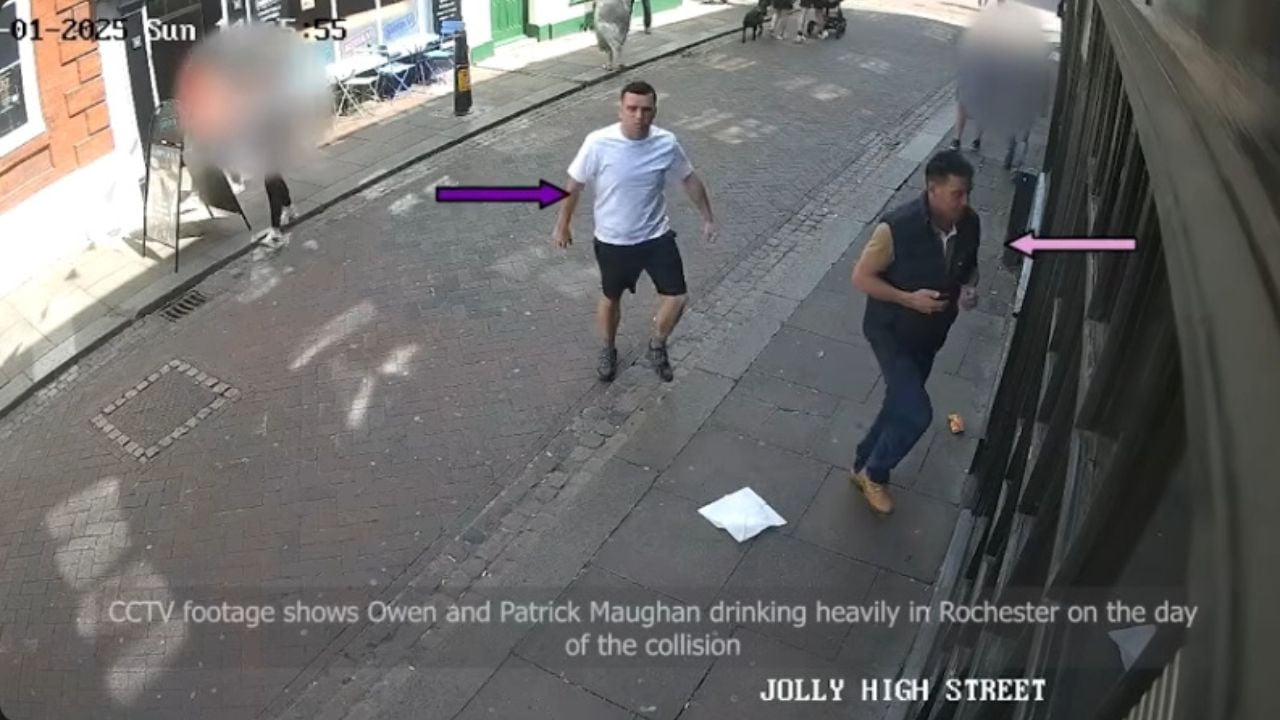
Evidence indicates that over the course of roughly six and a half hours prior to the incident, both Owen and Patrick had consumed significant quantities of alcohol.
Investigators have stated that Owen drank around 12 bottles of alcohol, while Patrick consumed approximately 13 pints. This level of intake is central to the case and has shaped both the legal arguments and the public response.
A Deadly Road Rage
At some point during the journey, the Ford Ranger driven by Owen began following the vehicle carrying Peter and his family. The situation escalated rapidly. Reports indicate that the pursuing vehicle made deliberate contact, ramming the other Ford Ranger off the road.
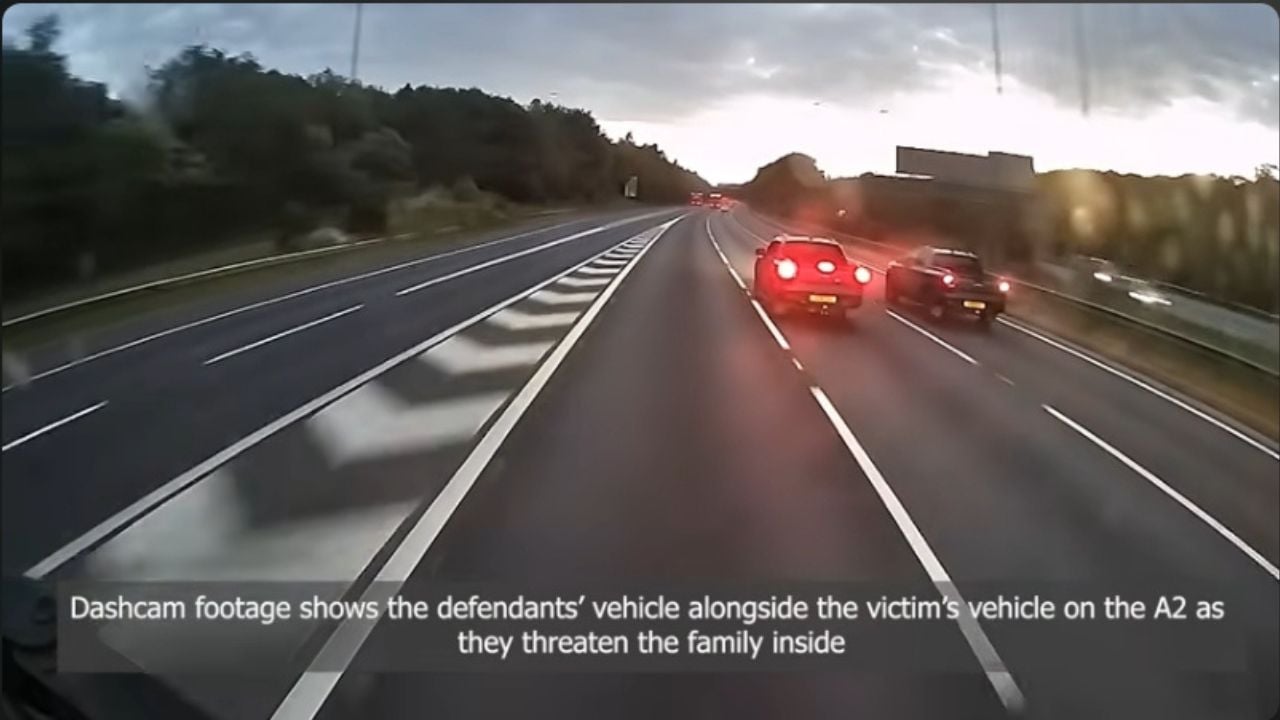
The impact resulted in catastrophic consequences, especially for Peter, who was only four years old at the time. The little boy sustained fatal injuries, while the incident left lasting trauma for the surviving occupants and families involved. Peter was thrown from the vehicle and died, while his father was seriously injured.
The aftermath moved quickly from emergency response to criminal investigation. Kent Police treated the case with the highest level of seriousness, given the fatality and the suspected role of alcohol and intent. Footage released by the force, including a YouTube video documenting the arrest phase, shows officers entering a property and detaining Patrick Maughan.
In the video, officers can be heard issuing clear commands before confirming the arrest. Patrick is informed that he is under arrest on suspicion of the murder of Peter.
Convictions and Sentencing
As the case has progressed, investigators have focused on reconstructing the sequence of events leading up to the collision. This includes examining vehicle data, witness accounts, and toxicology reports.
The extended period of alcohol consumption raised serious questions about judgment, capacity, and the decisions made in the hours before the crash.
At long last in March 2026, Patrick (aged 53–54) and Owen (aged 27) Maughan were convicted of manslaughter, not murder, and sentenced to long prison terms. Reports emphasize that the little boy who died was affectionately known as “Peter Rabbit” and his death deeply impacted his family.
Patrick Maughan was convicted of manslaughter of 4‑year‑old Peter Maughan and grievous bodily harm against Peter’s father. The judge noted his role as the instigator and passenger encouraging the ramming.
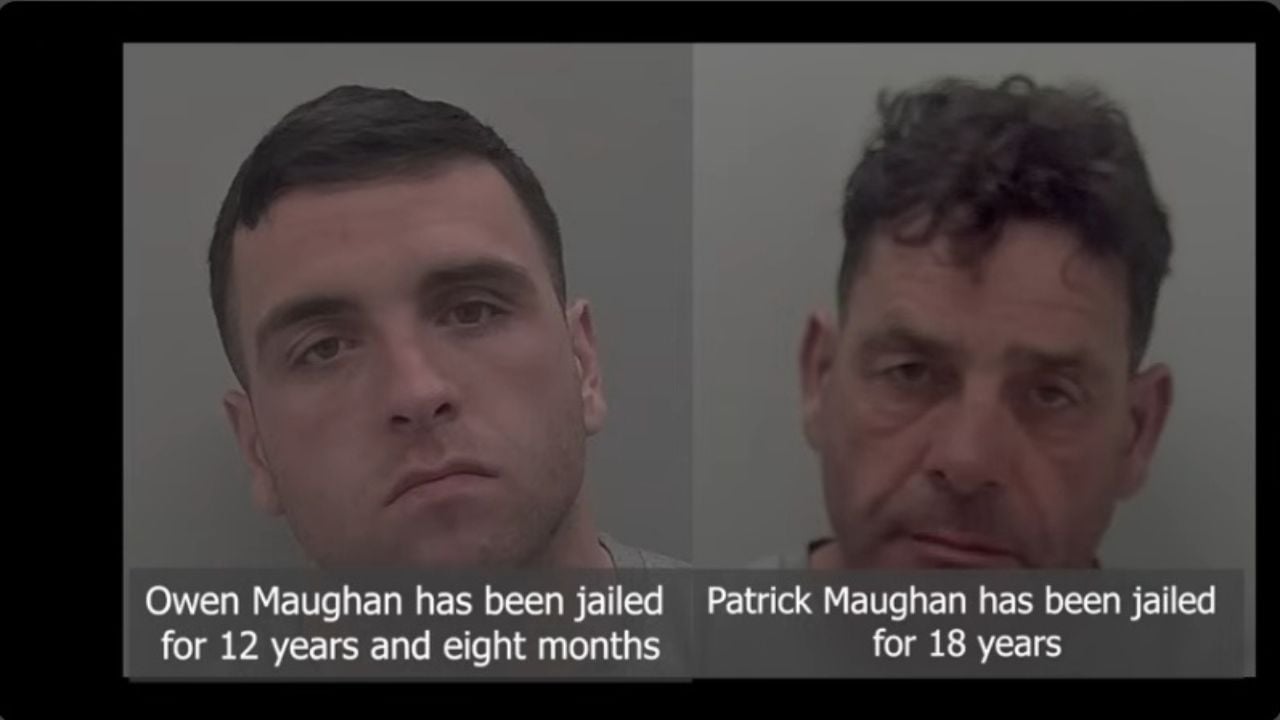
Consequently, the judge sentenced him to 18 years in prison, while his son Owen Maughan received 12 years and 8 months. Together, their sentences total nearly 31 years.
Legally, the distinction between dangerous driving causing death and more serious charges such as murder hinges on intent. Prosecutors are expected to argue that the act of following and ramming another vehicle goes beyond negligence. Defense arguments, in contrast, may focus on impairment and the absence of premeditated intent.
A Tragic Family Saga
In the strange symmetry of this tragedy, one can’t help but notice how the surname “Maughan” echoes across both sides of the courtroom. Victim and accused carry the same name, as though fate itself wanted to blur the line between family feud and family bond.
It’s almost Shakespearean: two households, alike in name if not in dignity, colliding on a Kentish road with devastating consequences.
And then there’s the Ford Ranger. A truck that, in another life, might have been the shared workhorse of cousins or brothers, hauling tools and timber. Instead, it became the instrument of a deadly confrontation. The irony is hard to miss: the very vehicle that symbolized utility and kinship in rural communities was transformed into a weapon of division.
So, when investigators tell us that Patrick and Owen Maughan rammed the car carrying young Peter Maughan, the story reads more like a grim family saga. Same surname, same road, same truck; everything about it suggests they could have been kin.
Whether by coincidence or community ties, the overlap makes the tragedy feel uncomfortably intimate, as if the fight was not just between strangers, but between people who might easily have shared a Sunday dinner.