The 2000s gave the car world a rare kind of confidence. Automakers were still willing to be bold, still willing to take stylistic risks, and still willing to build machines that felt different from one another in a way the market does not always deliver now. It was an era of high revving roadsters, loud V8 throwbacks, rally heroes, elegant grand tourers, and supercars that became bedroom wall legends almost overnight.
That is why the coolest cars of the 2000s still feel so alive in memory. They were not just good cars for their time. They were personality machines, and each one carried its own mood, soundtrack, and sense of occasion.
Why Do Some Cars Carry The Whole Decade With Them?
This list is not only about speed, price, or prestige. I chose cars that captured the feel of the 2000s in a way people still respond to now, whether through design, performance, sound, cultural weight, or pure poster appeal. Some were attainable dream cars, some were true exotics, and some were cool because they made driving feel personal again.
What links them is simple: each one had a strong identity the second it arrived. These were cars that made people stop, stare, argue, and remember. And honestly, what is a cool car supposed to do if not stay in your head long after its decade is over?
BMW M3 (E46)

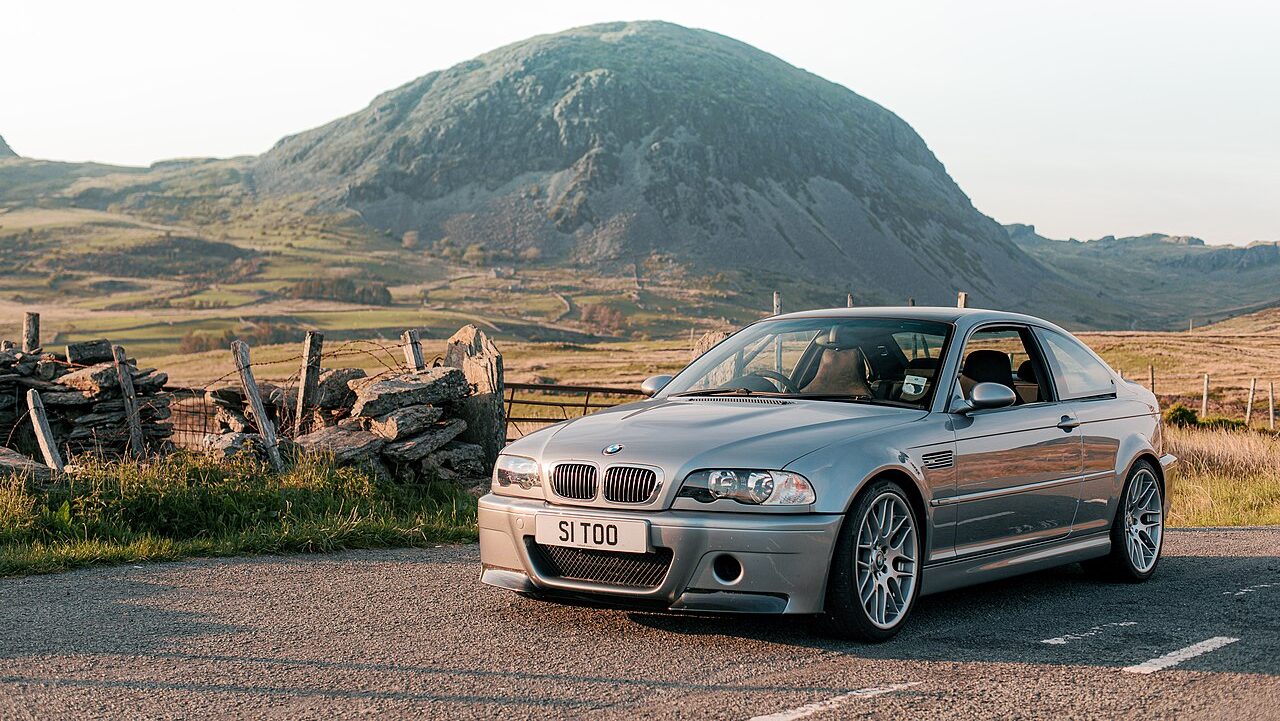
The E46 M3 is one of those cars that seems to get cooler every year because it never relied on gimmicks. BMW launched production in 2000, and the formula still reads beautifully now: a wide shouldered coupe, rear wheel drive, a glorious naturally aspirated inline six, and just enough visual aggression to tell you it meant business without trying too hard.
The engine was the star, a high revving 3.2 liter six with 343 hp in European specification, and it gave the car the kind of sharp, cultured urgency that made every on ramp feel like a small event. But the real reason the E46 M3 belongs here is balance. It was handsome without being flashy, fast without feeling heavy handed, and polished without losing its edge.
In the 2000s, that made it an instant icon. Today, it still feels like one of the cleanest expressions of what a performance coupe should be.
Honda S2000

The S2000 brought a very different kind of cool to the decade. It was not about brute force or excess. It was about precision, discipline, and the quiet thrill of a car that demanded something from the driver.
Honda introduced it for the 2000 model year with a 2.0 liter naturally aspirated four cylinder making 240 hp, and that engine became legendary almost immediately because it loved revs with a level of commitment most manufacturers would never dare attempt. The S2000 felt light on its feet, crisp in its movements, and completely uninterested in pretending to be anything other than a real sports car. That honesty is a huge part of its charm. In the 2000s, it stood out because it felt engineered rather than marketed. No fake drama, no bloated styling, no lazy compromises.
Just a tiny roadster with perfect proportions, a rifle bolt manual gearbox, and a personality that made every drive feel like a decision you were glad you made.
Nissan 350Z

The 350Z was cool because it brought back something the market had started to forget: a proper Japanese sports coupe with attitude, rear wheel drive, and no need to apologize for being fun.
Nissan launched the 2003 model with a 3.5 liter V6 making 287 hp and 274 lb ft of torque, and that gave the car enough muscle to match its squat, tightly wound shape. But the 350Z was never just about numbers. It was about presence. It looked planted, looked confident, and looked like it belonged in the center of the tuner era without becoming trapped by it. That mattered in the 2000s, when car culture was full of body kits, big stereos, and late night forum mythology.
The 350Z fit the moment perfectly. It felt raw enough to be interesting, accessible enough to be aspirational, and stylish enough to become one of the visual signatures of the decade. Few cars wore 2000s cool more naturally than this one.
Subaru Impreza WRX STI
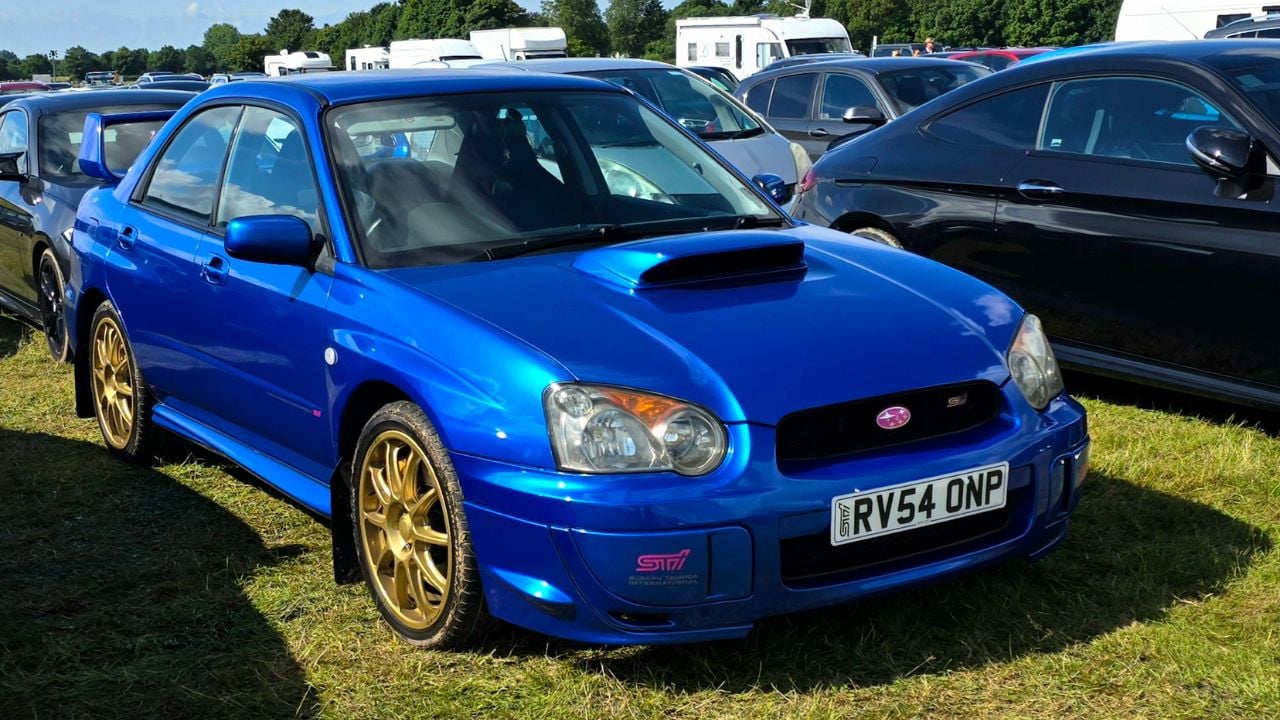
Some cars become cool because they look expensive. The 2004 WRX STI became cool because it looked like it had escaped from a rally stage and somehow ended up with license plates.
Subaru gave the North American car a turbocharged 2.5 liter flat four making 300 hp and 300 lb ft, paired it with a six speed manual and Driver Controlled Center Differential all wheel drive, and then let the whole thing feel a little wild around the edges. That edge was the point. The STI was not polished in the same way a German sport sedan was polished. It was alive, mechanical, and a bit feral, which made it magnetic to a whole generation of drivers.
The hood scoop, the wing, the gold wheel associations, the boxer soundtrack, all of it felt deeply of its time in the best possible way. The STI did not just join 2000s performance culture. It helped define what that culture looked and sounded like.
Ford GT

The Ford GT was one of the decade’s great mic drop moments. Here was Ford, a company most people associated with pickups and family cars, showing up with a mid engine supercar that looked like a modern tribute to Le Mans history and backed it up with real violence.
The 2005 GT used a supercharged 5.4 liter V8 making 550 hp and 500 lb ft, with a six speed manual and a shape that felt both retro and futuristic at the same time. That is why it was so cool. It was not an imitation of a European exotic. It was a proud American supercar that understood heritage without becoming trapped by nostalgia.
The flying buttresses, the low roofline, the circular taillights, the stance, everything about it looked right. In the 2000s, the GT felt like proof that a modern halo car could still arrive with soul. Even now, it has the kind of presence that makes the world around it go quiet for a second.
Porsche Carrera GT

If the 2000s had one car that felt almost too serious for ordinary language, it was the Carrera GT. Porsche built it in tiny numbers, and its headline stats still sound like they belong to something almost unreal: a 5.7 liter V10 derived from racing thinking, 612 PS at 8,000 rpm, a six speed manual transmission, and a top speed of over 205 mph.
But the real magic of the Carrera GT was never only the power. It was the purity. In a decade that increasingly leaned toward electronics and automation, this car felt stubbornly committed to skill, feel, and mechanical intimacy.
The design helped too. It looked surgical, low, tense, and impossibly clean. The Carrera GT was cool because it never felt easy, never felt casual, and never felt like it wanted to flatter anyone. It asked for respect. In return, it became one of the most unforgettable supercars of the entire era.
Audi R8
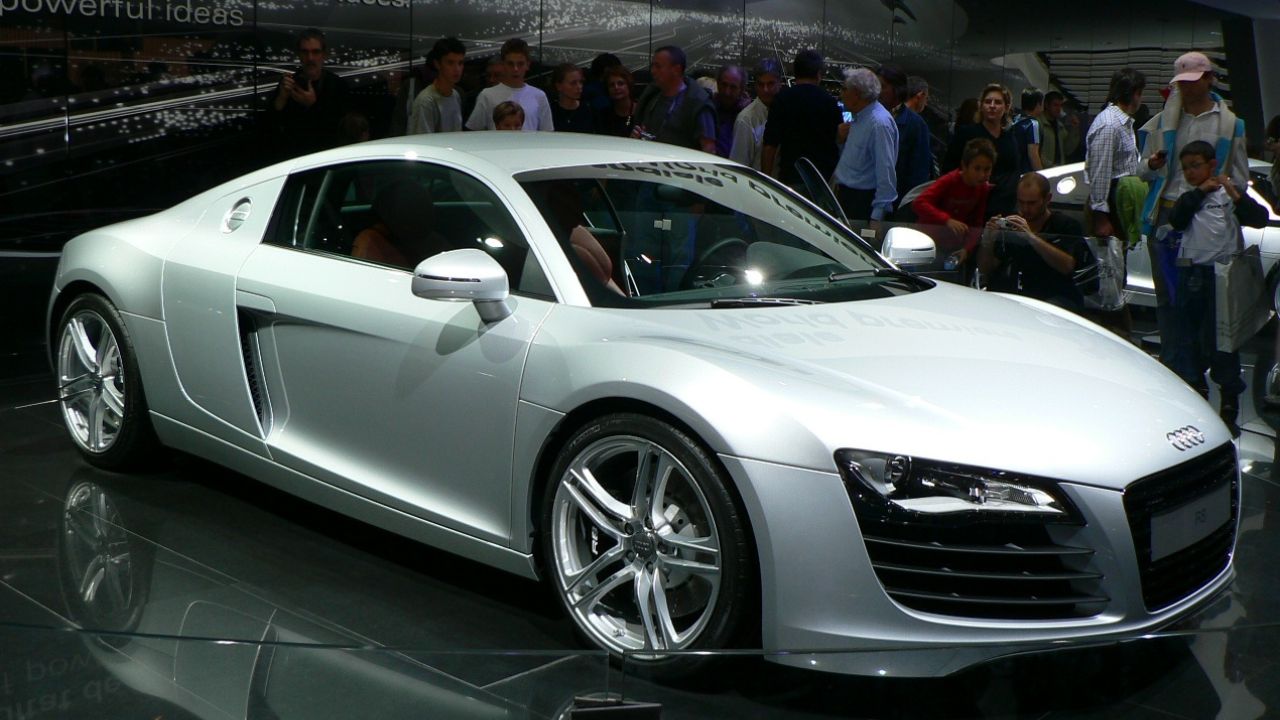
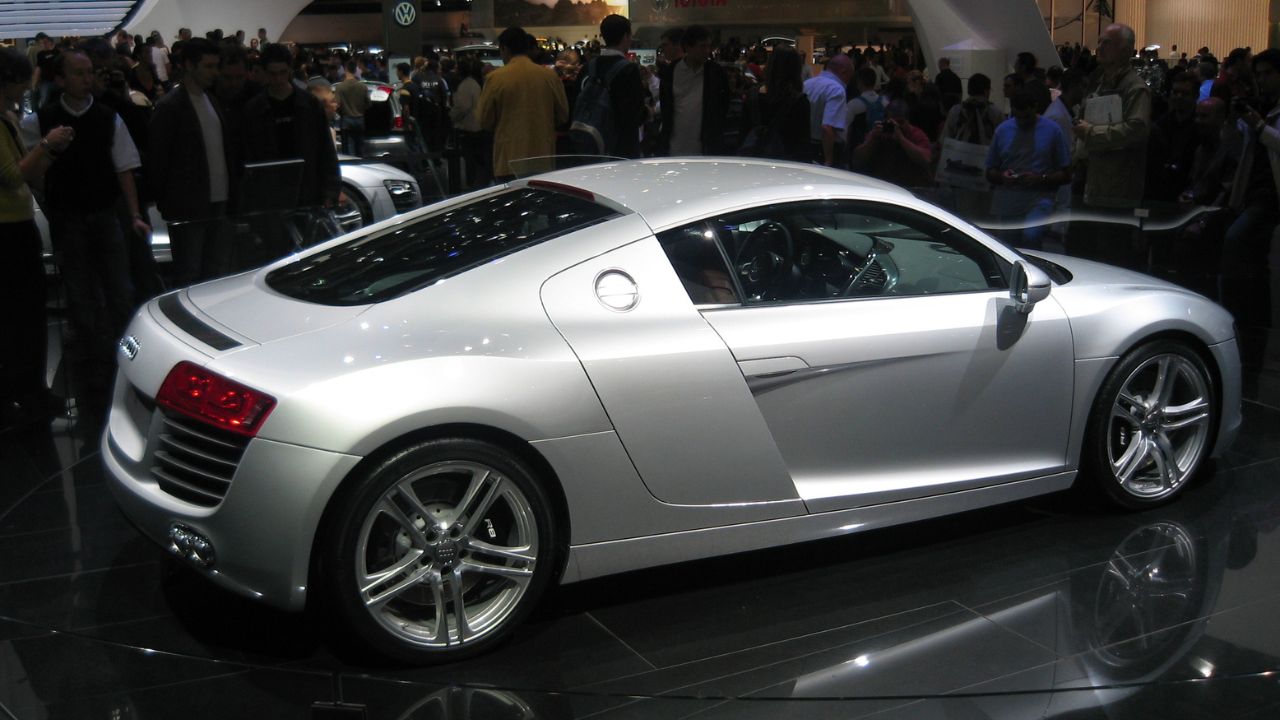
The original Audi R8 arrived late in the decade, but it instantly changed the conversation. Audi took lessons from the Le Mans quattro concept and turned them into a production supercar that looked exotic enough to stop traffic while still feeling usable in a way many rivals did not.
The early car paired its aluminum structure with a high revving 4.2 liter V8 making 420 PS, available magnetic ride, and a design language that somehow felt both technical and dramatic. That is a hard balance to strike, and Audi nailed it. The sideblade became an instant signature. The cabin looked like modern architecture. The whole car felt like a future you could actually buy. That is why the R8 was so important to 2000s cool. It made the supercar idea feel cleaner, more intelligent, and more approachable without becoming boring.
Some cars are cool because they are wild. The first R8 was cool because it made precision look attratctive.
Aston Martin DB9
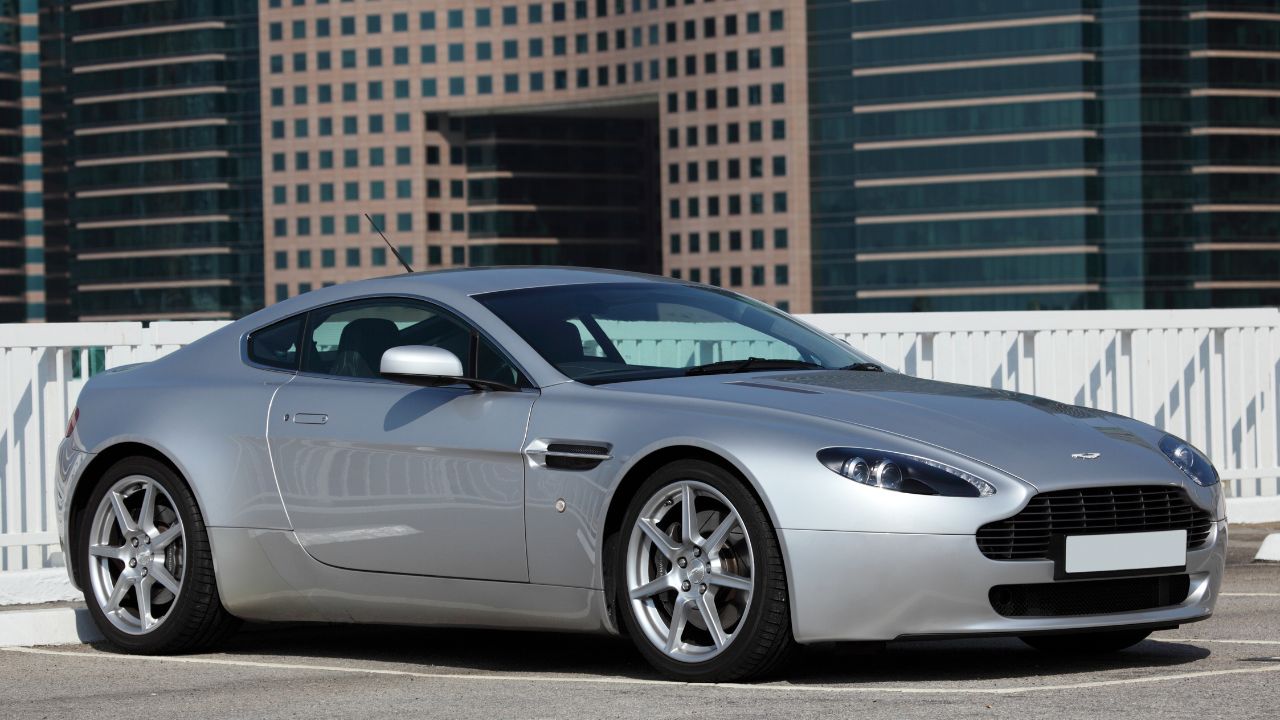
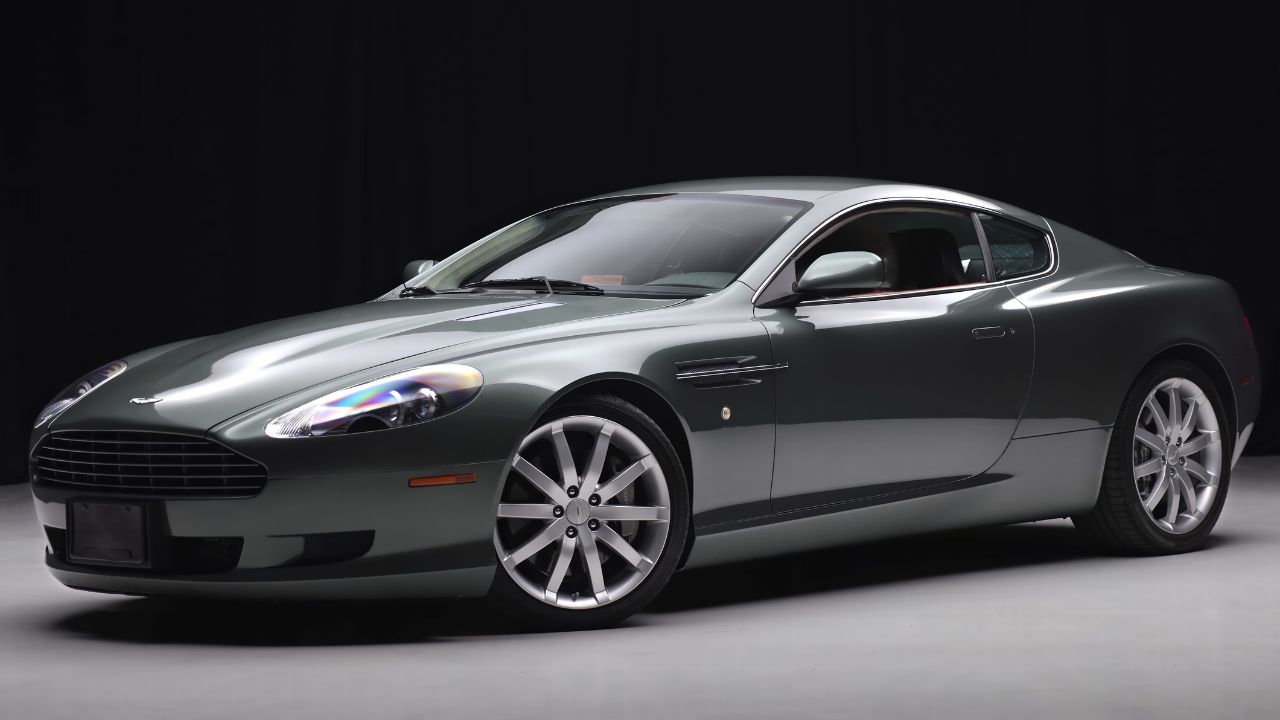
The DB9 brought a completely different flavor to the decade. Where some of the coolest 2000s cars felt aggressive or technical, the DB9 felt romantic. Aston Martin launched it at the 2003 Frankfurt Motor Show, built it on the new VH platform, and gave it a V12 under a body that looked like it had been drawn in one unbroken gesture.
That shape is a huge part of why the DB9 belongs here. It was elegant in a way very few modern cars manage, yet it still had enough muscle and presence to feel properly serious. The 5.9 liter V12 made about 450 bhp in early form, but raw output was only part of the story. This was cool in a suit, cool with good manners, cool with a hotel key card in its pocket.
The DB9 made grand touring look effortless again, and in the 2000s, that kind of effortless confidence counted for a lot.
MINI Cooper S (R53)
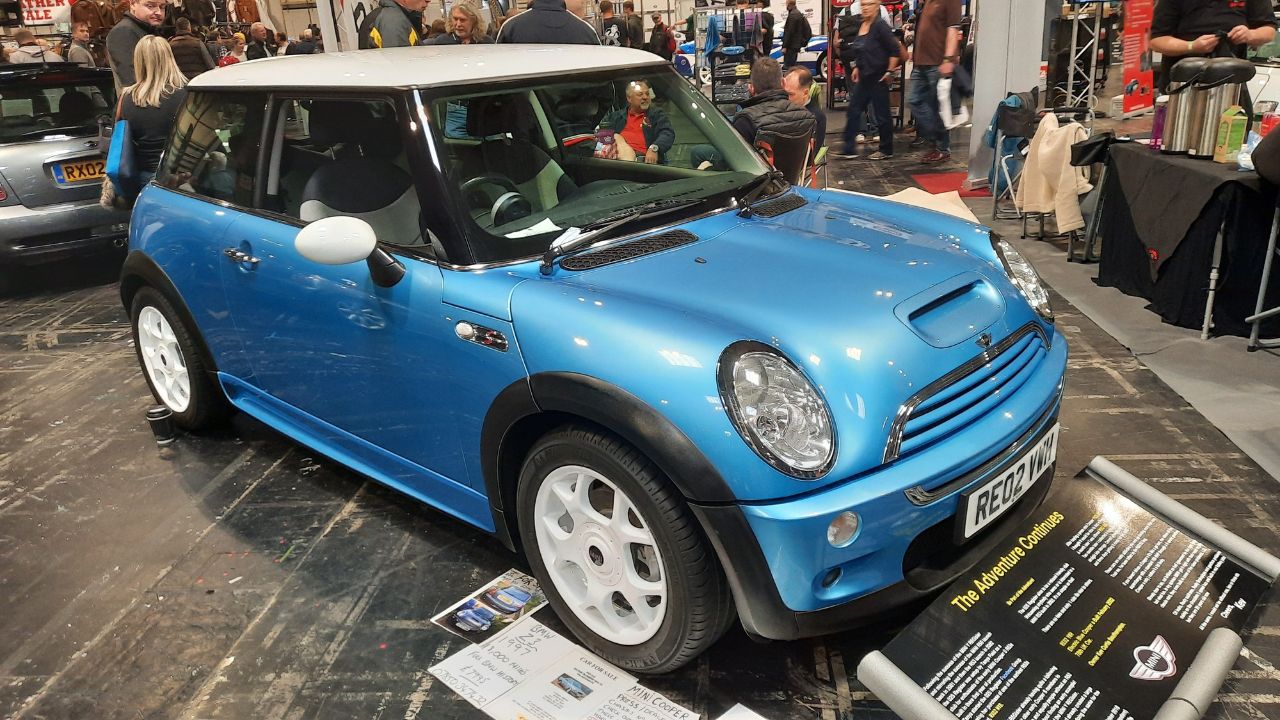
Not every cool car of the 2000s needed six cylinders or exotic bodywork. The reborn MINI Cooper S proved that a small car with the right attitude could own just as much space in the culture.
BMW launched the supercharged Cooper S in 2002, and suddenly the new MINI was not just cute or nostalgic, it was genuinely lively. Official material highlighted a supercharged 1.6 liter engine with 163 bhp, and the whole package came with tight proportions, chunky stance, and a kind of eager, cheeky character that made it feel instantly fashionable without becoming disposable. That mattered a lot in the 2000s, when style and personality were becoming part of the buying equation in a bigger way.
The Cooper S had both. It was urban, playful, easy to personalize, and fun in a way that felt almost impossible to dislike. Some cars define cool by dominating a road. This one did it by making everyday driving feel clever, compact, and full of energy.
Dodge Viper SRT 10

The Viper SRT 10 represented the side of 2000s cool that never cared about subtlety. It was huge engine, huge attitude, huge presence, and not much interest in softening the experience for anyone.
Dodge’s 2003 Viper SRT 10 came with an 8.3 liter V10 producing 500 hp and 525 lb ft, and that alone was enough to give it instant legend status. But the Viper’s cool factor ran deeper than the engine bay. It looked like a sketch that somehow became real, with a long hood, side exhausts, and proportions that made almost every normal car nearby seem to shrink. In the 2000s, the Viper felt like a deliberate rejection of restraint.
No filters, no polish, no pretense of practicality. Just power and presence. That made it divisive, which actually made it cooler. The decade loved cars with personality, and the Viper had enough personality for three cars at once.
Why The 2000s Still Feel So Good In Car Form
What makes these 10 cars so memorable is not that they all chased the same idea. It is that they did not. The decade had room for a disciplined Honda roadster, a snarling Dodge Viper, a stylish Aston Martin, a rally bred Subaru, and a clean sheet Audi supercar, all at once. That variety is what made the era feel rich. Cool was not a single formula. It was a whole conversation.
And maybe that is why these cars still hit so hard today. They remind us that the best automotive eras are the ones where manufacturers were willing to sound different, look different, and feel different. So which one still pulls you in most, the elegant one, the loud one, the nerdy one, or the one that used to own a corner of your bedroom wall?