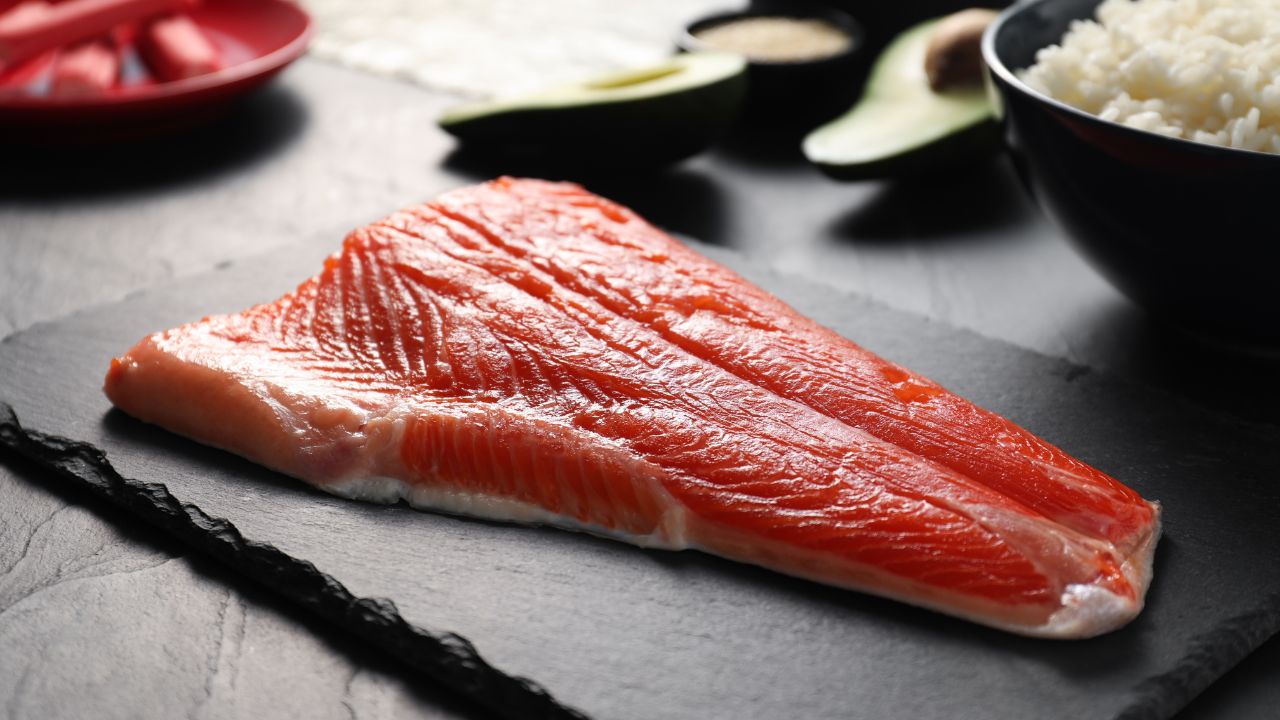
For years, cultivated protein felt like one of those food ideas that always lived a few steps in the future. Now it has reached the point where a diner can actually order it. On May 28, 2025, the FDA said it had no questions at that time about Wildtype’s safety conclusion for foods made with its cultured salmon cell material, and Wildtype soon began serving its salmon in restaurants. Grist, citing the Good Food Institute, described that debut as the first cultivated seafood offered for sale anywhere in the world.
That does not mean supermarket coolers are suddenly full of lab-grown fillets. What exists right now is a small, chef-led rollout, not a mass retail wave. Even so, the timing is notable, because the FAO says global aquatic animal production reached a record in 2022 and projects output and consumption will keep rising through 2032. In simple terms, more people want seafood, and companies are looking for new ways to supply it.
1. What Actually Reached the Plate
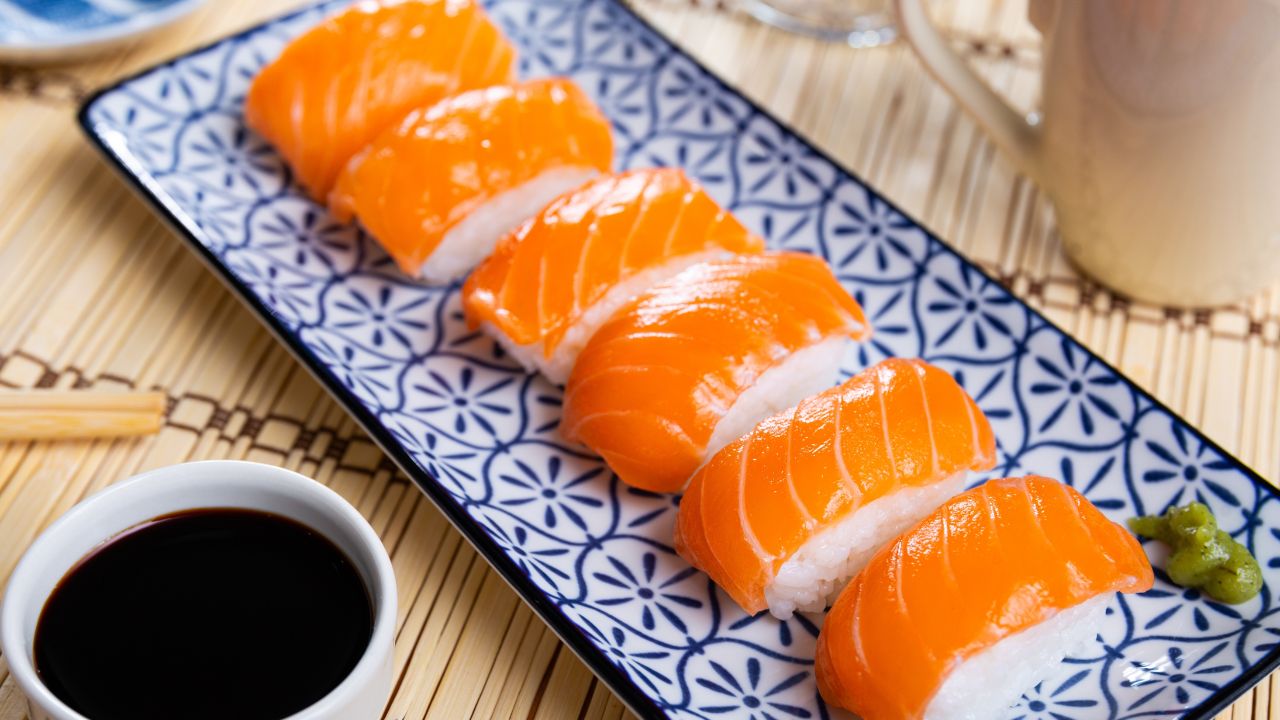
The product at the center of this moment is Wildtype salmon saku. On its site, the company describes saku as a uniformly cut block of raw fish suited to dishes like sushi, crudo, and ceviche, and says it was developed as a sushi-grade option for chefs. That matters because this launch did not begin with frozen patties or breaded bites. It started with a format designed for close inspection, where texture and flavor cannot hide.
The FDA’s scientific memo adds an important layer of precision. It says the food under review was cultured coho salmon cell material, with the original cell lines isolated from muscle and connective tissue at the fry stage of development. Wildtype’s own FAQ also makes clear that the finished saku includes more than salmon cells alone, listing water plus fats from algae, canola, and sunflower seeds, along with soy, potato starch, konjac, carrageenan, paprika, and natural flavors. So the result is real fish cell material formed into a ready-to-serve food, not a whole fillet lifted intact from a tank.
2. How It Is Made
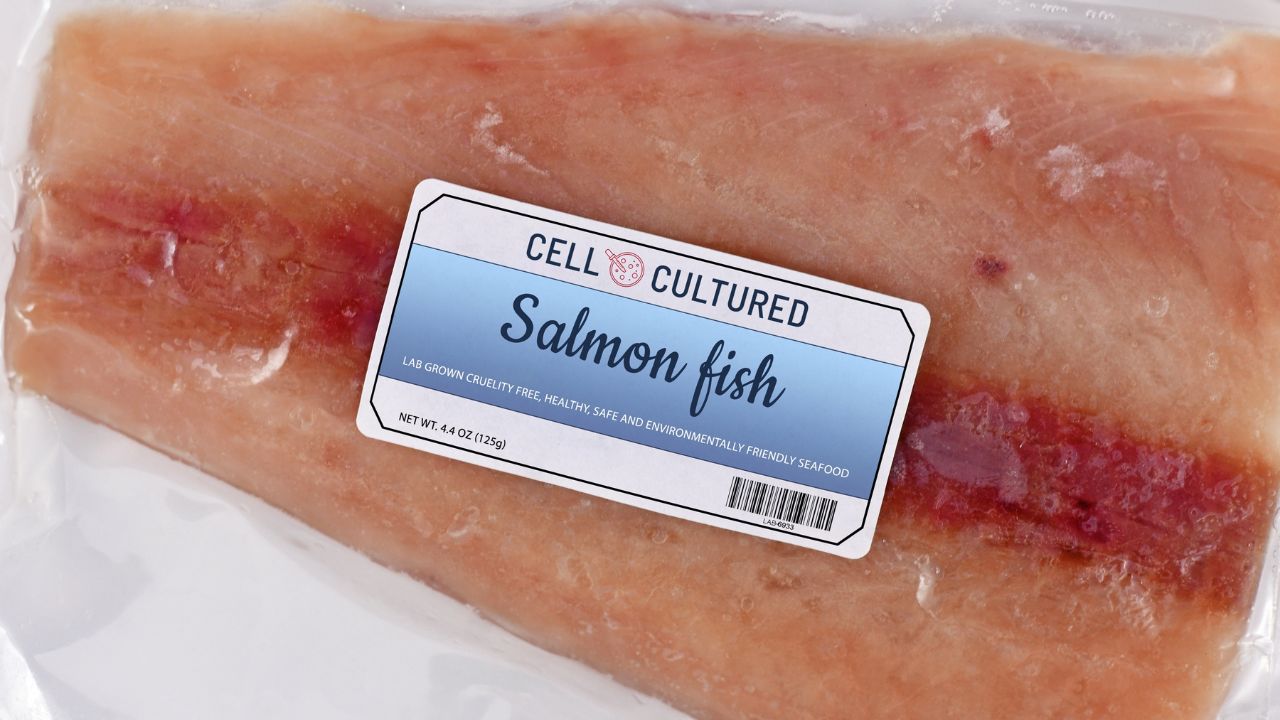
The basic idea is surprisingly easy to grasp once the jargon is stripped away. Scientists take starter cells from salmon, grow them in controlled conditions, then harvest that material for food production. Wildtype presents the process as a way to make seafood directly from fish cells, and the FDA memo describes a manufacturing system built around cultured coho salmon cells of mesenchymal lineage. It is still salmon biology, just handled in a very different setting from a river, ocean pen, or hatchery.
That distinction is why cultivated seafood sits in a strange category for many diners. It is not the same thing as a plant-based analog built to imitate fish from scratch, yet it is also not a conventional catch. In the United States, foods comprised of or containing cultured seafood cells remain under FDA oversight, which is why the Wildtype milestone moved through an FDA consultation rather than the FDA-USDA pathway used for cultivated chicken products. The technology may feel futuristic, but the basic federal lane for cultured seafood is already defined.
3. Where You Can Actually Try It
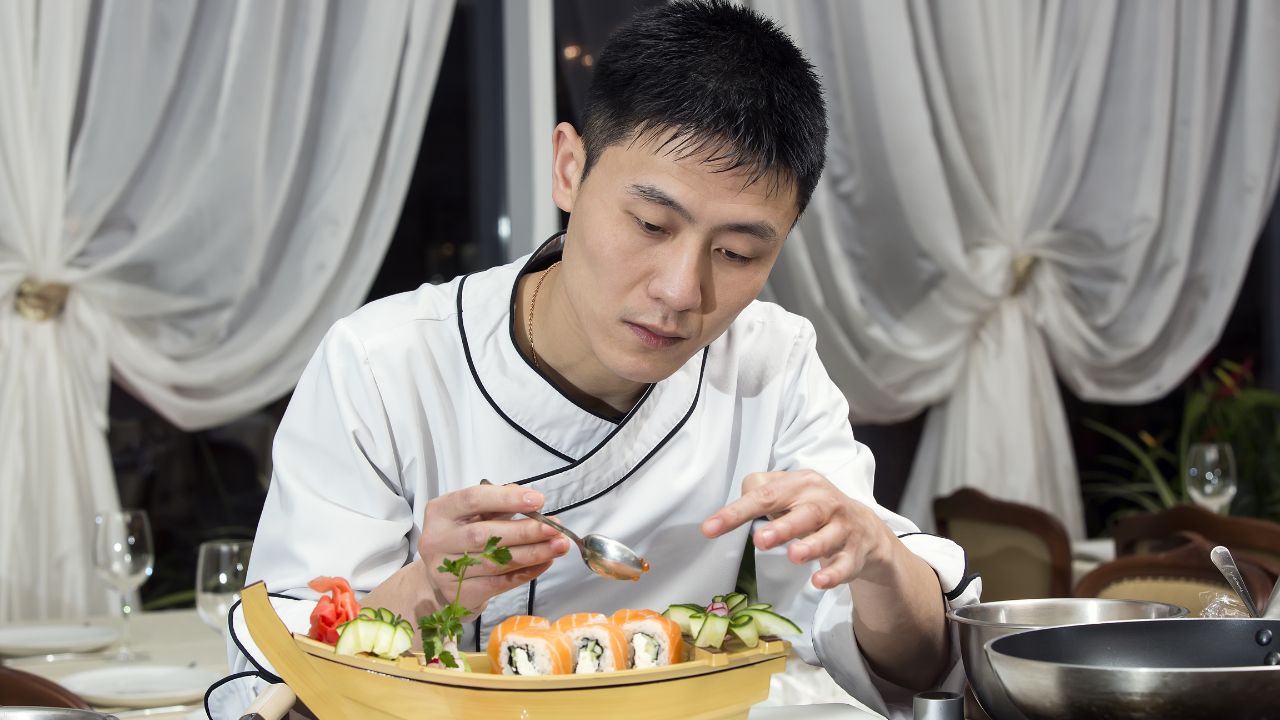
This story became real for diners in Portland first. Wildtype announced that weekly service began in late May at Kann, Gregory Gourdet’s restaurant, with Thursday availability in June and daily service beginning in July. That was a smart opening move, because a chef-driven debut generates curiosity without pretending the product is already ordinary grocery fare. A guest could book dinner and taste the future without waiting for a broader retail launch.
The rollout did not stop there. Wildtype later announced that its cultivated salmon would arrive at Robin in San Francisco on August 14, 2025, showing that the company was treating this as a gradual restaurant expansion rather than a one-night publicity stunt. Even then, availability remained limited enough that this was still a niche experience, not a coast-to-coast norm. For now, getting a bite depends more on reservation timing than on a quick stop at the seafood counter.
4. Why Supporters Think This Matters
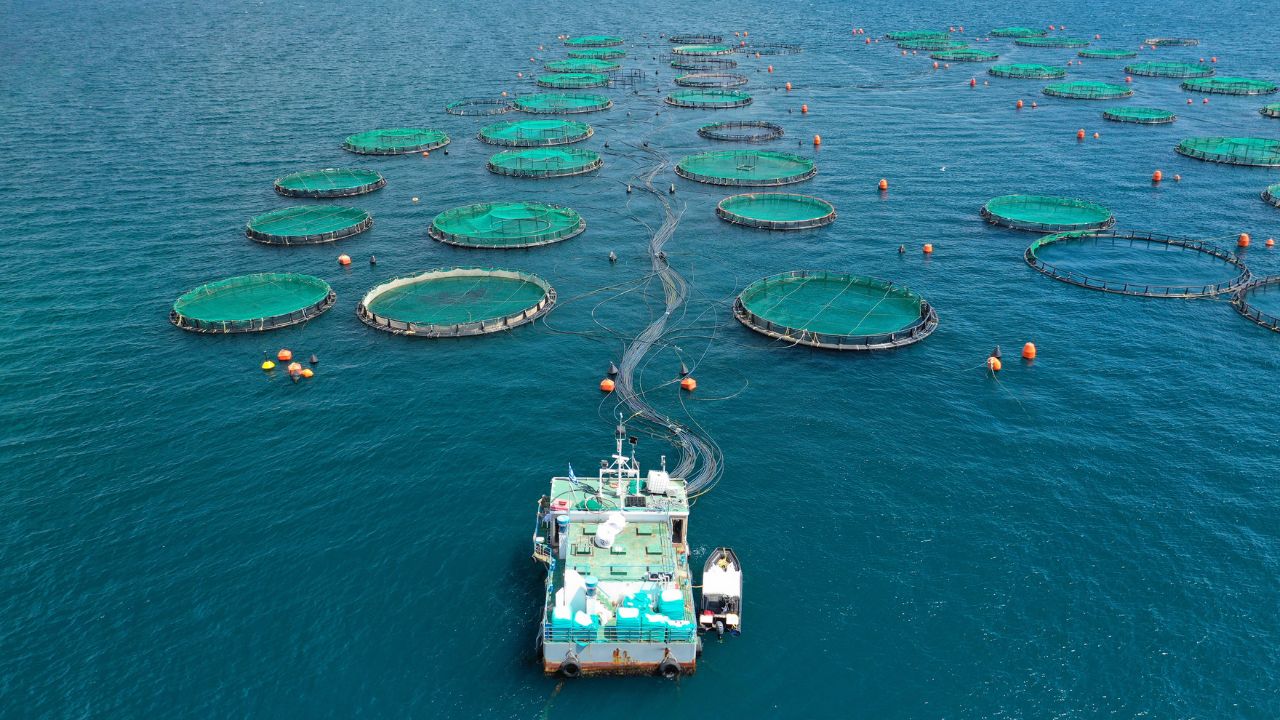
Backers of cultivated seafood are making their case at a moment when demand keeps climbing. The FAO says apparent consumption of aquatic animal foods is expected to increase through 2032, while aquaculture has already overtaken capture fisheries in aquatic animal production. That does not prove every new technology will succeed, but it does explain why investors, regulators, and chefs keep paying attention. A sector under supply pressure usually attracts experiments that promise another route to the plate.
Wildtype’s own pitch is narrower and more emotional. The company describes its product as sushi-grade cultivated salmon that offers a choice beyond wild and farmed fish. That is a very different message from cheap replacement food. The brand is aiming at diners who already like salmon and want a new way to eat it, not at people looking to settle for less.
5. What Could Slow It Down
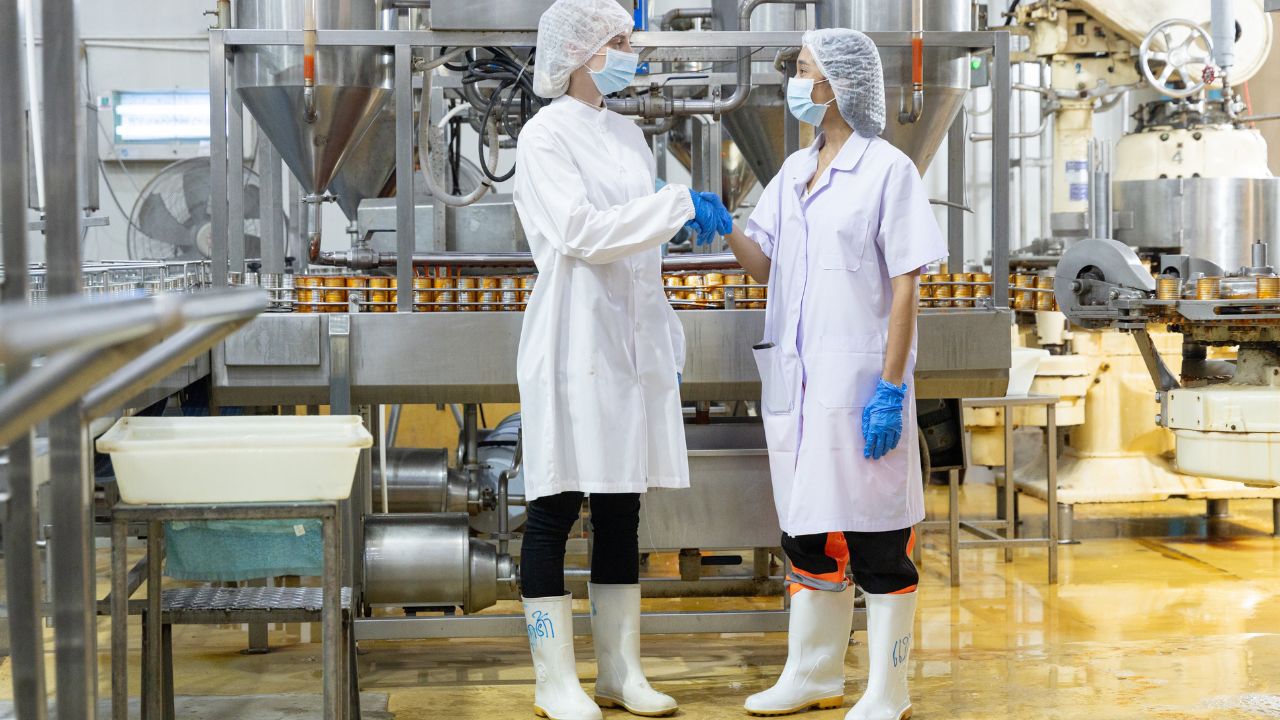
The first challenge is scale. The Good Food Institute says cultivated meat can currently be sold only in Singapore, the United States, and Australia, which tells you how early this whole category still is. One cleared product and a handful of restaurant partners do not equal mainstream adoption. Plenty still has to happen on cost, manufacturing volume, and consumer comfort before cultivated seafood starts to feel routine.
Politics could also complicate the path. The Texas Tribune reported that Wildtype and UPSIDE Foods sued Texas after a two-year cultivated-meat sales ban took effect on September 1, 2025. Wildtype separately said the law forced partner restaurant Otoko to stop serving its salmon there. So even after federal progress, market access can still get messy at the state level. The fish may be ready for your plate, but whether it reaches your city is now also a legal and political question.