

Drivers love a good soundtrack. Windows down, volume up, and suddenly a regular commute feels like a movie scene. But according to fresh analysis from iSelect, that perfect playlist might be doing more than setting the mood. It could be quietly pulling your attention away from the road. What’s news, right?
The study takes a data driven look at how music influences driver focus. Instead of relying on guesswork, it evaluates songs using measurable characteristics pulled from Spotify. Each track is scored based on tempo, energy, danceability, and loudness.
These elements are combined into a “distraction index” that ranks how likely a song is to interfere with safe driving.
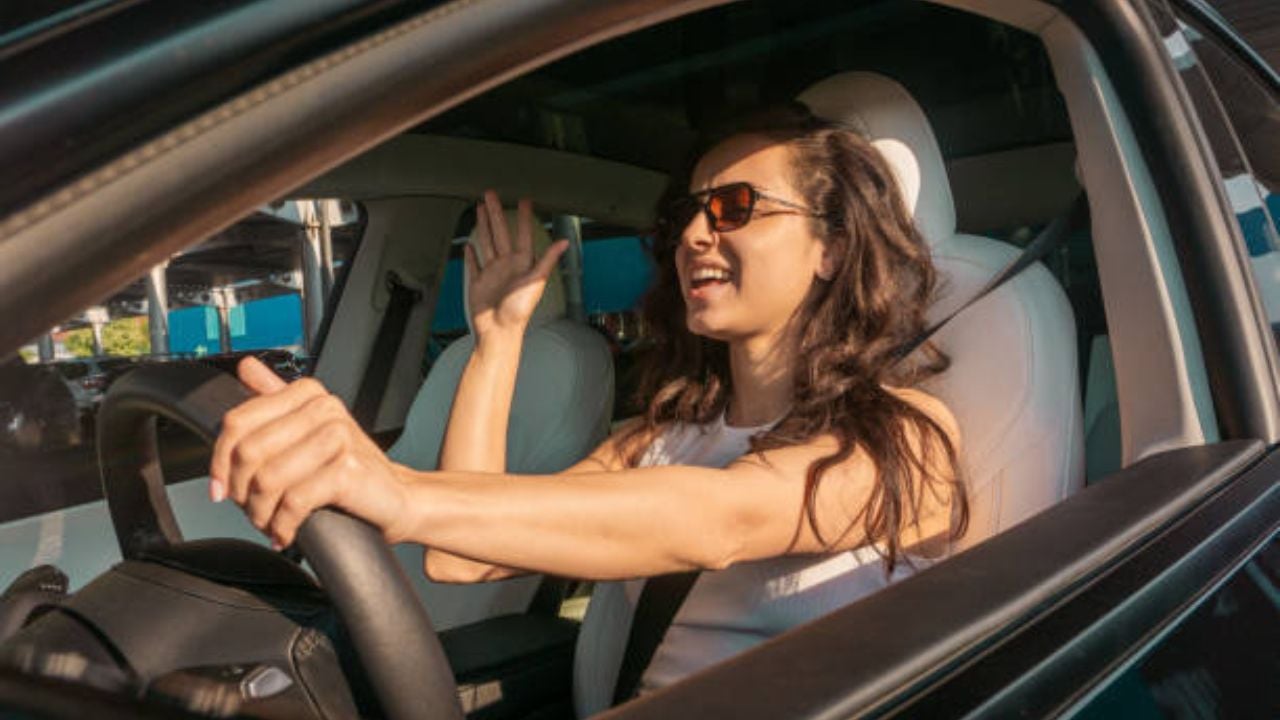
It turns out the songs that get your heart racing are often the same ones that make driving riskier. Fast tempos and high energy tracks stimulate the brain in ways that can encourage impulsive behavior.
Think quicker acceleration, late braking, and a tendency to treat traffic lights like suggestions rather than rules. Add in a beat that makes you tap the steering wheel or sing at full volume, and your attention is no longer fully on the road.
The Most Distracting Songs
One of the standout tracks in the study is “Victory Lap” by Fred Again, Skepta, and Plaqueboymax, which earns the highest distraction score. It is loud, energetic, and rhythmically engaging, the kind of song that demands participation.
Close behind are similarly intense tracks like “I Run” by HAVEN and Kaitlin Aragon. These songs are not dangerous on their own, but they create an environment where the driver is more mentally occupied than they might realize.
On the other end of the spectrum are slower, softer tracks that barely register as distractions. Songs like “Sailor Song” by Gigi Perez and “Let Alone the One You Love” by Olivia Dean feature lower tempos and gentler production. They fade into the background rather than pulling focus. The difference is subtle but arguably important. Calm music allows the brain to prioritize driving, while high intensity tracks compete for attention.
This idea is not entirely new. Psychologists have long understood that external stimuli can influence behavior behind the wheel. What makes this study interesting is how clearly it quantifies the effect using modern music data. It translates something subjective into something measurable, and the results are hard to ignore.
There is also a cultural angle to consider. Modern music trends often favor high energy production designed for engagement. Streaming platforms reward songs that grab attention quickly and hold it. That same quality, which makes a song successful, can make it a poor companion for driving. In a sense, the very features that make a track popular may also make it distracting.
Practical Takeaways for Drivers
Without dismissing the study, our take is that none of this means drivers need to switch to silence or limit themselves to slow ballads. Music remains a deeply personal experience, and for many, it makes driving more enjoyable and even less stressful.
This is a rather brilliant study, and the key is awareness. Recognizing that certain songs can influence behavior is the first step toward making smarter choices behind the wheel.
A practical approach could be saving the high energy anthems for workouts or weekend downtime. When driving, especially in heavy traffic or unfamiliar areas, lean toward music that stays in the background. Volume also plays a role. Even a calm song can become distracting if it is loud enough to dominate your senses.
@thegmanshow The people in the caravan next door must be thinking I’ve lost the plot #fyp ♬ original sound – 🏴 The Gman Show
Ultimately, this study bares the fact that the relationship between music and driving is a reminder that distraction does not always come from obvious sources like phones. Sometimes it comes disguised as your favorite song. And while it might not seem like a big deal in the moment, those small shifts in attention can add up in ways that matter.
So, the next time you hit the road, take a second look at your playlist. Your future self, and everyone else sharing the road, will appreciate the choice.