Before the ranking starts, one thing needs to be clear. There is no single official global table that measures how safe people feel walking alone at night in every city on earth. The cleanest widely accessible source for this angle is Numbeo’s perception-based crime survey, which includes a specific measure called “Safety walking alone during the night” on a 0-to-100 scale. Lower scores mean respondents feel less safe.
Numbeo also says its city pages are based on survey responses from website visitors over the past five years and that its indexes are updated continuously, so this is a ranking of reported perception rather than an official police ledger or a fixed permanent table. That distinction matters because a perception-based ranking can still be revealing without pretending to be something more formal than it is. It captures how uneasy people say they feel, not a universal legal verdict on a city’s actual crime reality.
For this version of the list, the cities below are ordered by the nighttime-walking safety scores shown on their Numbeo city pages when checked for this article. That makes the premise narrower and more honest than a generic “most dangerous cities” roundup. A city can have a broadly rough reputation and still feel different after dark from another place with a similar crime profile. Here, the question is simpler: where do respondents report the least confidence about walking alone at night? Framing it that way keeps the article focused on one specific after-dark perception rather than lazily collapsing every kind of safety concern into one oversized headline.
1. Caracas, Venezuela
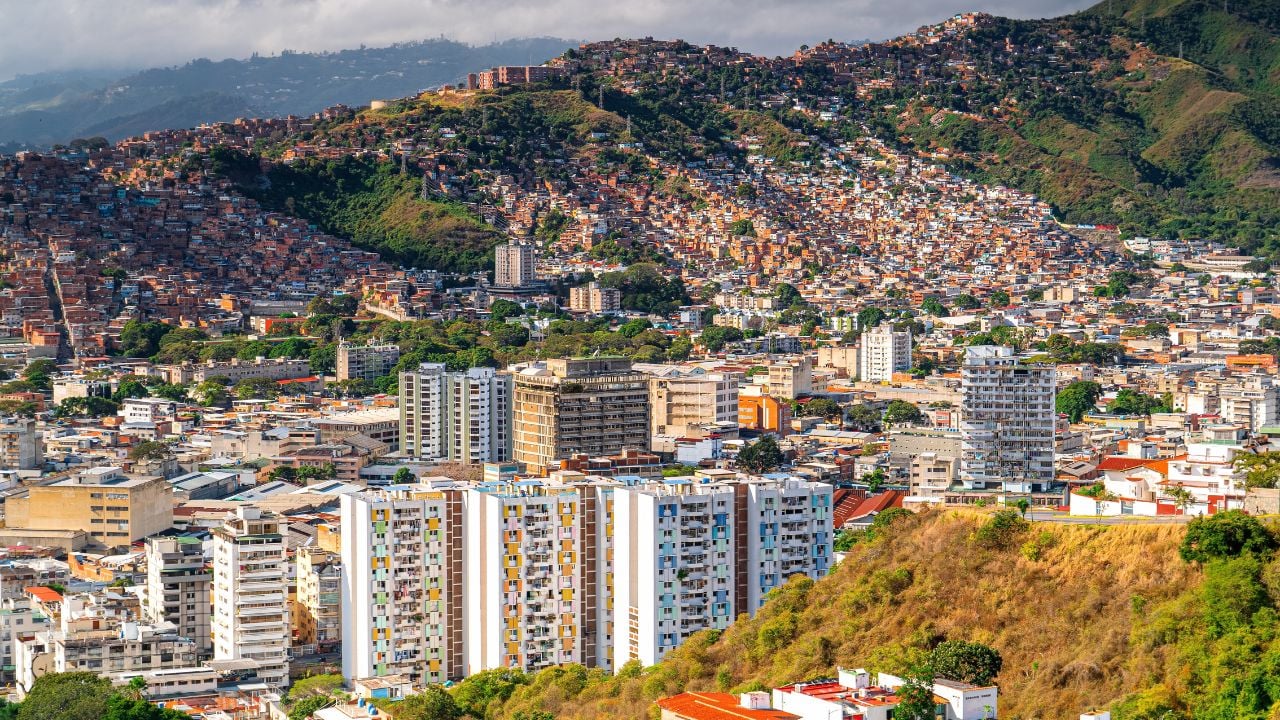
Caracas leads this version of the list with a “Safety walking alone during the night” score of 8.22, which Numbeo classifies as very low. The daylight comparison makes the picture even starker. The same city page shows 21.12 for walking alone during daylight, which is already low, but the after-dark score drops far below even that. In practical terms, the page points to more than general unease. It suggests a particularly sharp collapse in confidence once the sun goes down.
2. Johannesburg, South Africa
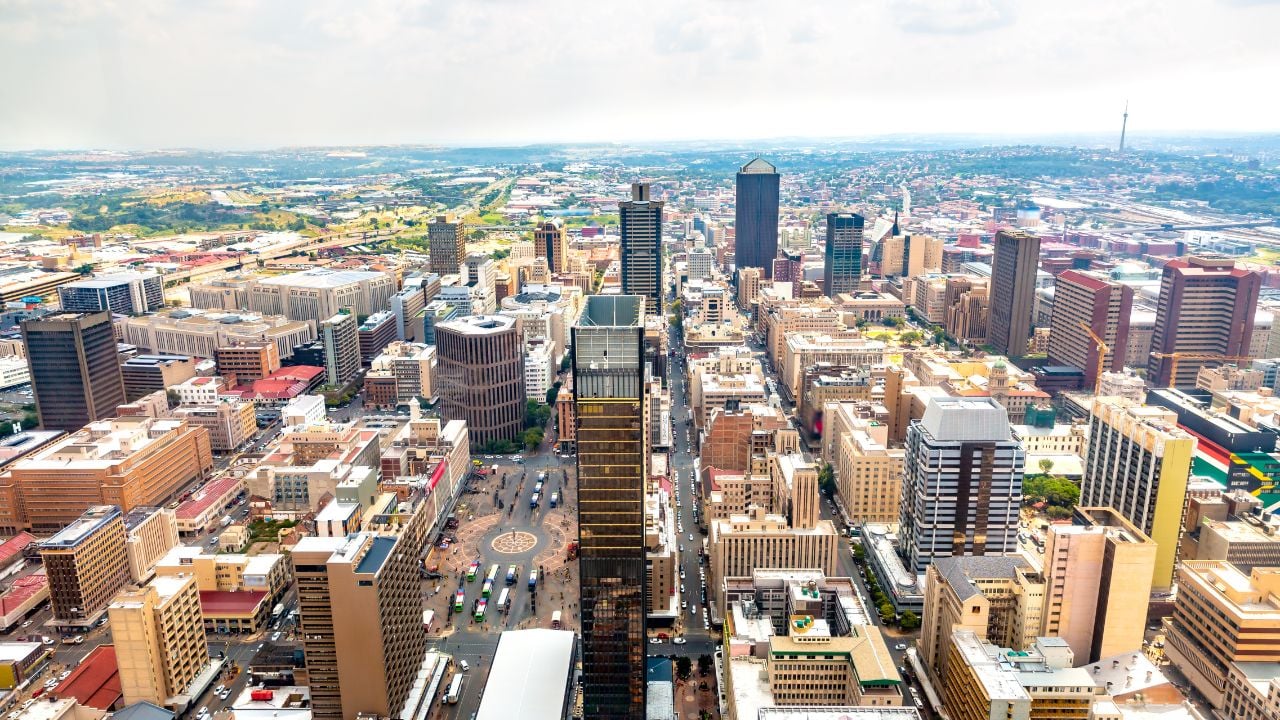
Johannesburg follows with a nighttime-walking safety score of 8.59, again in Numbeo’s very low range. Its daylight score is 29.70, which is still weak but noticeably less severe than the nighttime figure. That gap is a useful reminder that this list is not just about broad crime perception. It is about how much worse confidence feels after dark, and Johannesburg’s page shows that drop very clearly. The daylight number is hardly reassuring, but the night score shows that respondents see evening movement on foot as a much more uncomfortable proposition.
3. Recife, Brazil
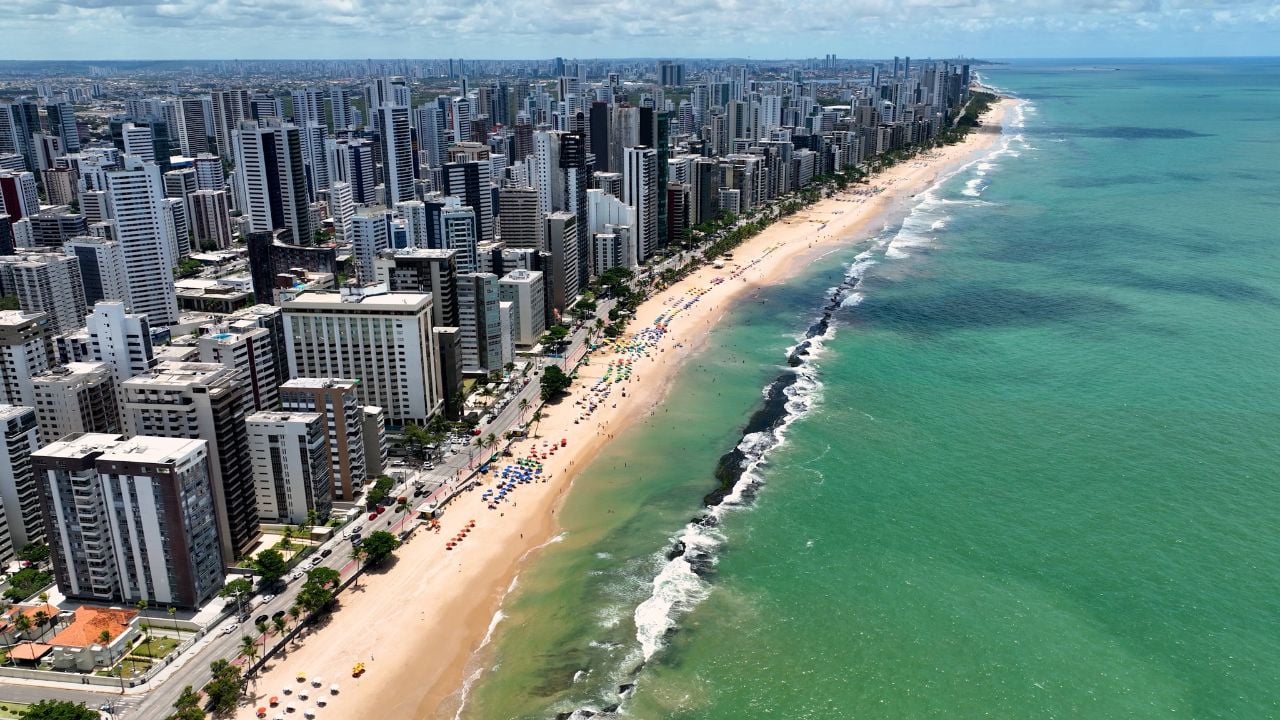
Recife takes the third spot with a night-walking safety score of 8.89, another result that lands squarely in very low territory. Its daylight score is 32.89, which is low rather than reassuring but still far better than the nighttime reading. That difference is what keeps Recife high on a ranking like this. Respondents do not merely describe the city as tense in general. They describe darkness as making the experience feel meaningfully worse.
4. Salvador, Brazil
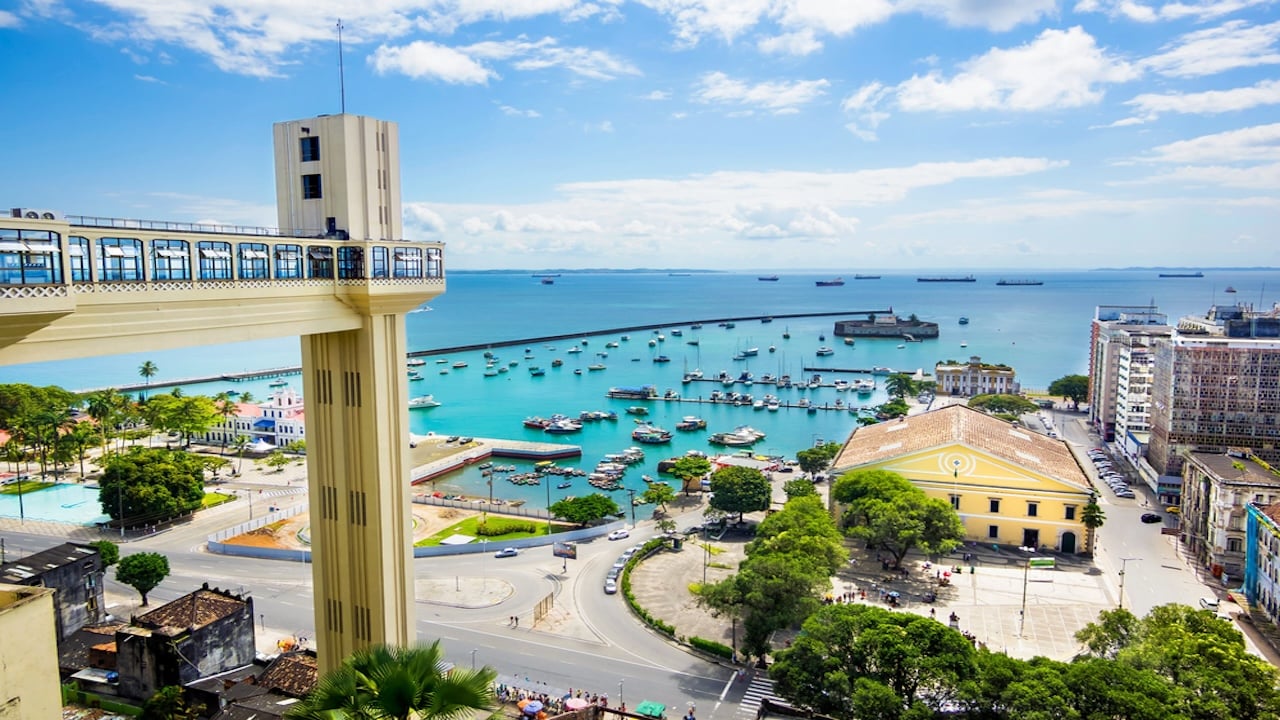
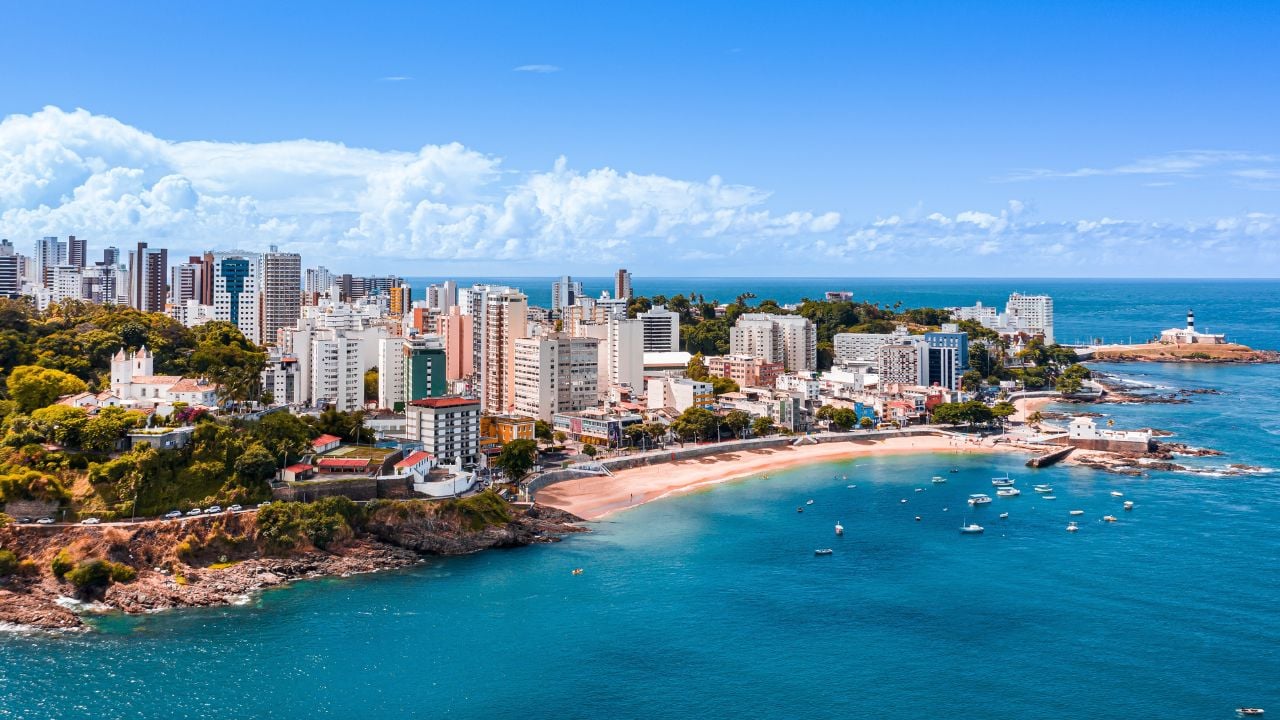
Salvador comes next with a “Safety walking alone during the night” score of 8.93, which Numbeo also places in the very low category. Its daylight score is 29.61, already a weak result on its own but still comfortably above the after-dark figure. The pattern matches the broader logic of this list. The city’s perception profile is not just difficult in the abstract. It appears to become significantly more intimidating once evening arrives. That sharp split between day and night is exactly the kind of distinction this ranking is trying to capture.
5. Pretoria, South Africa
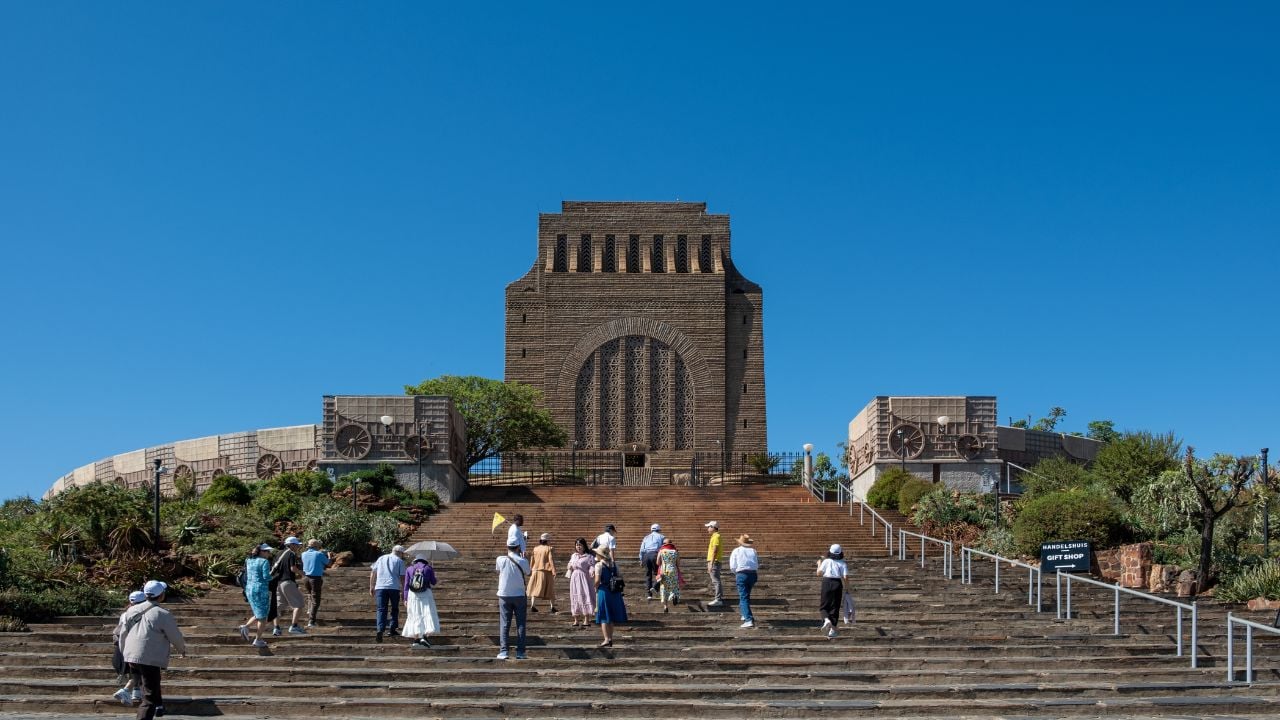
Pretoria ranks fifth on this measure with a score of 10.20, still firmly in very low territory. Its daylight score is 33.11, not exactly comforting but dramatically higher than the nighttime figure. In other words, respondents do not describe daytime walking as especially safe, yet they clearly see after-dark movement as a much more intimidating proposition. That makes Pretoria a strong example of a city where the fear profile is not flat across the day. The sense of risk appears to intensify once visibility, foot traffic, and general activity begin to drop.
6. Durban, South Africa
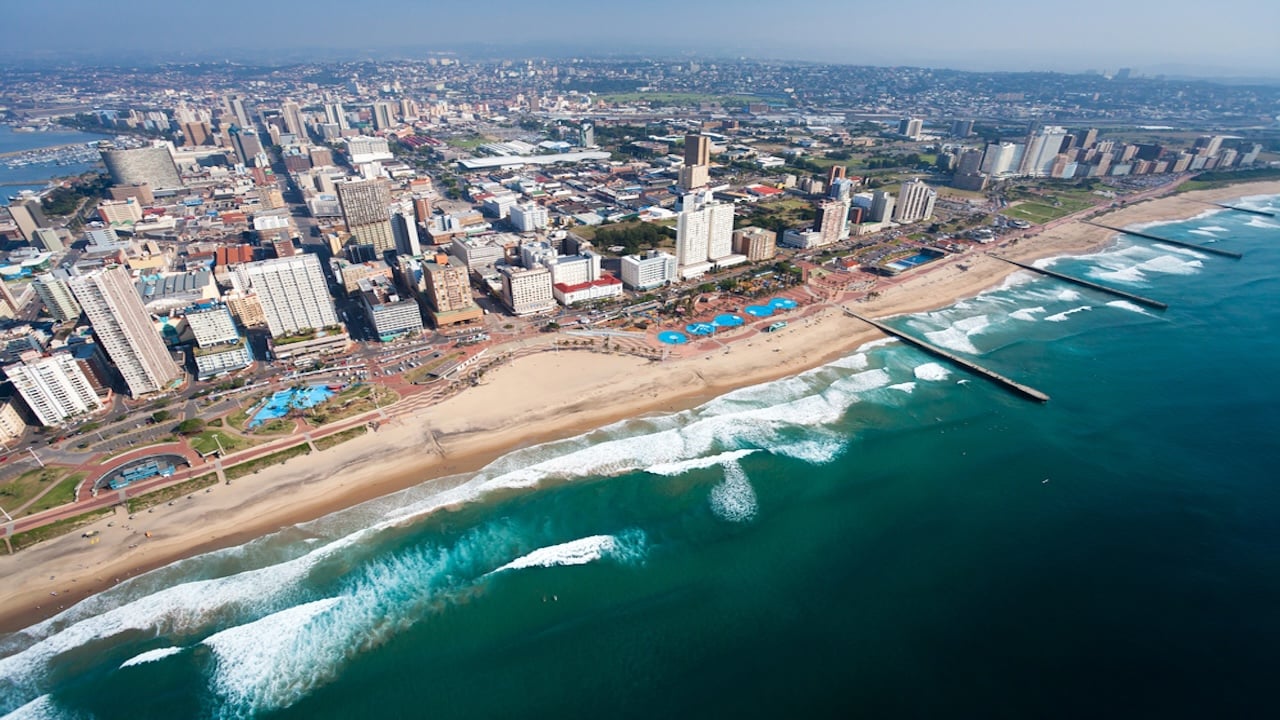
Durban comes in sixth, with a nighttime-walking safety score of 11.53, once again categorized as very low. The city’s daylight score is 34.74, which is still low, but much better than the nighttime number. That suggests darkness does not merely reduce comfort a little. It sharply intensifies an already uneasy perception. Even in a list full of weak nighttime scores, Durban still stands out as a place where respondents describe a noticeable deterioration in confidence once the day ends.
7. Guayaquil, Ecuador
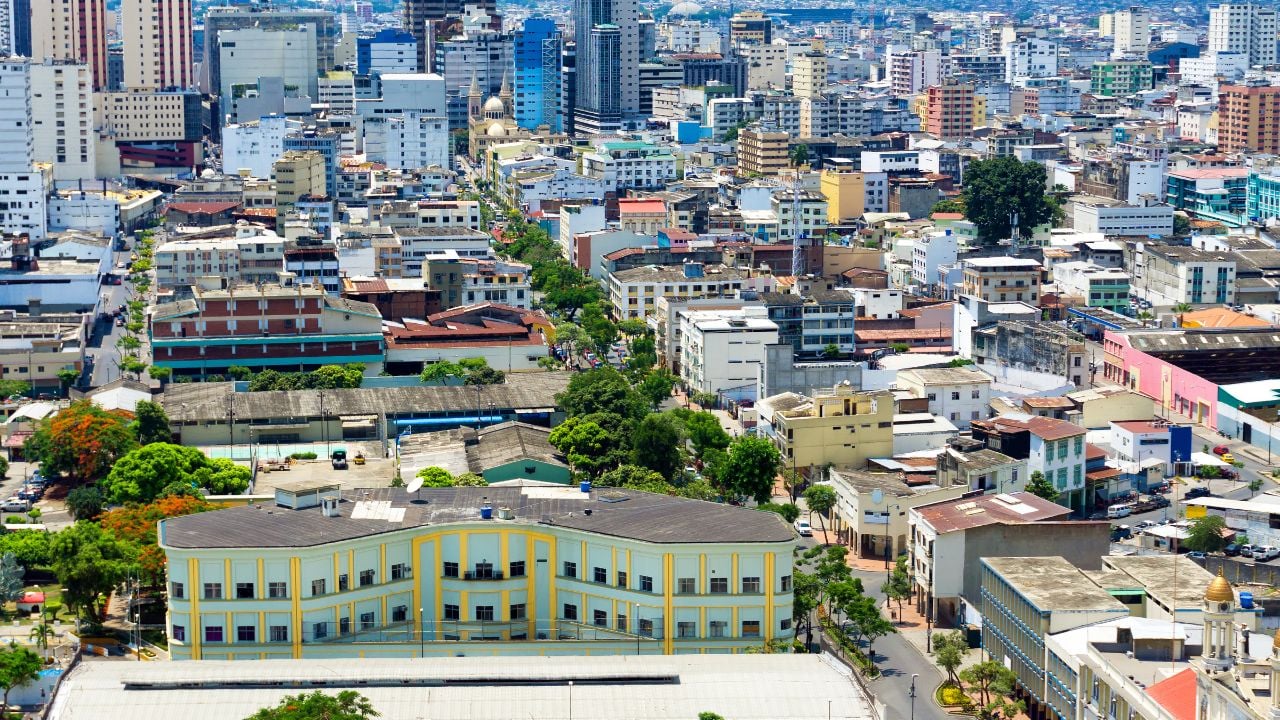
Guayaquil rounds out the list with a “Safety walking alone during the night” score of 11.72, which still sits in Numbeo’s very low range. Its daylight score is 36.02, low but notably better than the after-dark figure. That makes Guayaquil a useful reminder that the cities on this list are not interchangeable. What they share is not identical context but a similar pattern in the survey data: confidence drops hard once night enters the picture. The specifics may vary from city to city, but the basic signal remains the same.
These cities are not the same, and that matters. Some look troubling across the board, while others show their sharpest collapse specifically in the shift from day to night. What ties them together is one striking pattern in this perception-based dataset: when respondents are asked how safe they feel walking alone after dark, the answers land in Numbeo’s very low range. That does not make this an official crime ranking. It does make it a revealing snapshot of where users report the least confidence once evening arrives. Used carefully, that makes the list more informative than a sloppier roundup that pretends all kinds of urban risk can be reduced to one simple label.