

A new research report has spotlighted a problem drivers know all too well but continue to ignore: Distracted driving remains deeply embedded in everyday behavior, despite years of warnings, legislation, and public safety campaigns.
The study, published by AutoInsurance.com, surveyed roughly 1,000 licensed drivers across the United States and found that risky habits behind the wheel are far more common than many would like to admit.

The headline figure is striking. About 73 percent of respondents said they have texted while driving at some point, with more than a quarter admitting they do so on a regular basis.
That gap between awareness and action is one of the report’s central themes. Most drivers recognize the dangers associated with using a phone while driving, yet many continue to engage in the behavior anyway. The data suggests that distraction is no longer an occasional lapse in judgment but a normalized part of modern driving culture.
Real-World Consequences and Broken Laws
Even more concerning is the real-world impact. One in 20 drivers surveyed said they have caused an accident due to phone-related distraction. While that figure may seem small at first glance, it represents a significant number of incidents when applied across millions of drivers.
It reinforces long-standing concerns among safety experts that mobile devices remain one of the leading contributors to preventable crashes.
The research also highlights how frequently drivers ignore laws designed to curb the problem. More than half of respondents admitted they knowingly break regulations that restrict phone use behind the wheel. This raises questions about the effectiveness of enforcement and whether current penalties are strong enough to deter risky behavior.
Another revealing insight involves driver habits beyond texting. Many participants said they do not take basic precautions such as silencing notifications or activating “Do Not Disturb” features while driving. This suggests that distraction is not always intentional. Instead, it is often driven by constant alerts and the urge to stay connected, even during short trips.
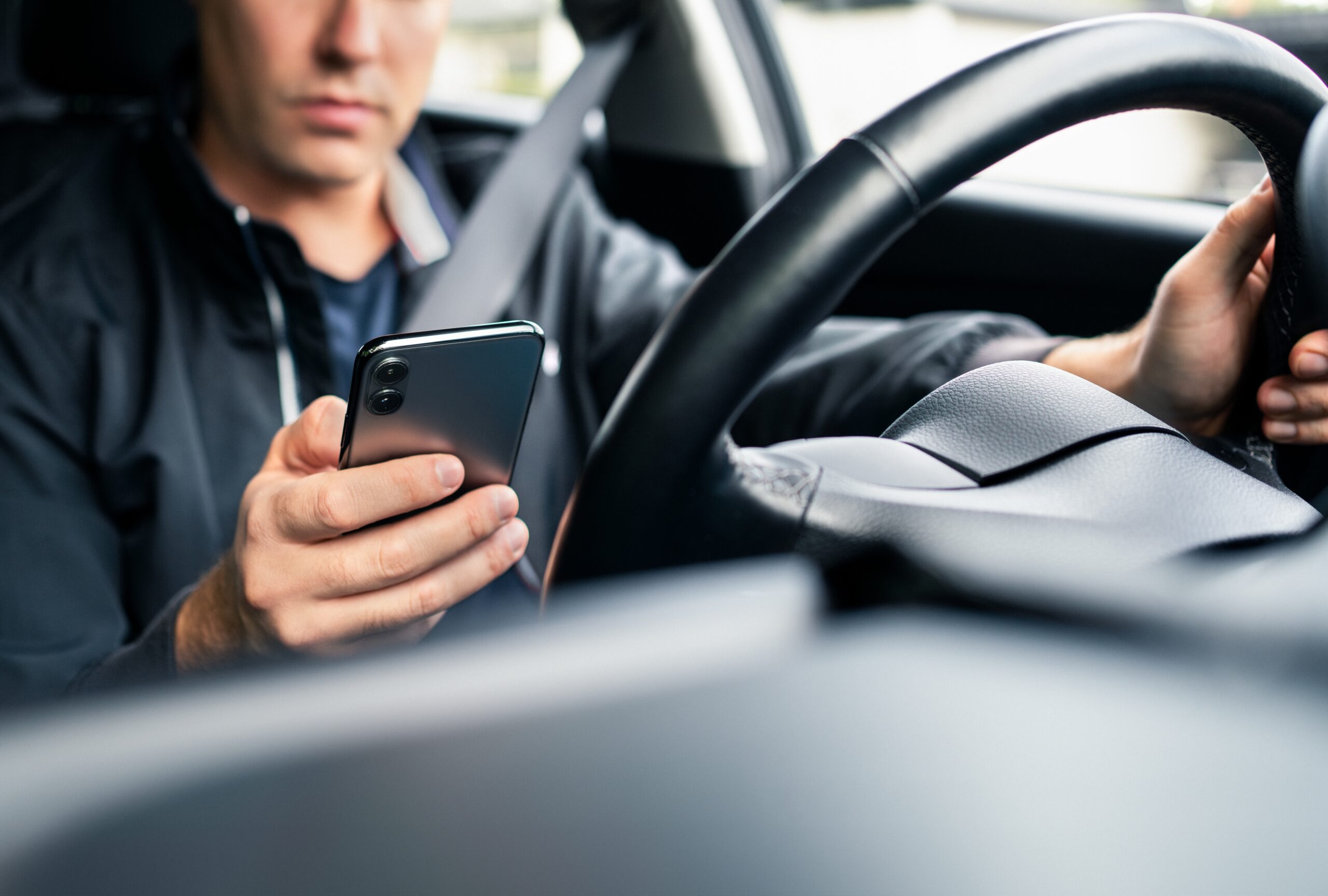
The report also explores demographic patterns. Younger drivers tend to report higher levels of phone use while driving, though the behavior is not limited to any single age group. Gender differences were also observed, with some variations in how and when drivers engage with their devices.
Additionally, the study touches on differences between smartphone platforms, noting subtle contrasts in usage habits between iPhone and Android users.
A Behavioral Challenge
Beyond the statistics, the findings point to a broader behavioral challenge. Distracted driving appears to be less about ignorance and more about habit. Many drivers believe they can manage quick glances at their phones without consequences, underestimating how even a few seconds of inattention can lead to disaster.
The report argues that current solutions may not be enough. Public awareness campaigns have been widespread, and most regions have introduced some form of hands-free or anti-texting legislation. Yet the persistence of these behaviors suggests that traditional approaches are struggling to change deeply ingrained habits.
Instead, the study points toward a combination of technology and incentives as potential paths forward. Features such as automatic driving modes, app restrictions, and in-car systems that limit phone functionality could help reduce temptation.

Insurance-based incentives for distraction-free driving are also emerging as a possible tool to encourage safer behavior.
Automakers are increasingly part of the conversation as well. As automobiles become more connected, there is growing pressure to design infotainment systems that minimize distraction rather than add to it. The balance between convenience and safety is becoming a critical issue for the industry.
A Problem Still Unsolved
Ultimately, the findings serve as a reminder that distracted driving is not a solved problem. Despite years of effort, the widespread use of smartphones continues to reshape driver behavior in ways that safety measures have yet to fully address.
“New Mexico,” the study says, “has the highest rate at 10.8 deaths per 100,000 licensed drivers, followed by Louisiana (7.6) and Kansas (5.7). Each of these rates is more than three times higher than the national average.”