
New travelers rarely ruin a trip with one spectacular blunder. What usually gets them is a pile of smaller assumptions, the kind that sound harmless while booking and expensive by checkout. Recent guides from Travel + Leisure and The Points Guy keep circling the same traps, whether the vacation involves a beachfront resort or a floating city with a buffet the size of a small republic.
That overlap is useful because it shows where beginners lose money, time, and peace of mind most often. The biggest errors are not glamorous. They tend to involve fine print, documents, check-in windows, extra charges, and the very human habit of believing the vacation industry would never dream of nickel-and-diming anyone.
1. Believing the Advertised Price Is the Final Price

This is the oldest rookie mistake in the book, and it still has plenty of life in it. Travel + Leisure warns that all-inclusive resorts vary widely in what they actually cover, with flights, transfers, tips, activities, taxes, and premium add-ons often sitting outside the base rate. The FTC’s hidden-fees rule now bars short-term lodging sellers from obscuring mandatory charges in advertised prices, which helps, but it does not magically turn optional extras into free perks.
Cruises play the same game with different scenery. Royal Caribbean says an 18% gratuity is automatically added to many beverage, specialty-dining, room-service, and minibar purchases, while spa and salon purchases get a 20% gratuity. The Points Guy also warns that ship-sponsored excursions often cost more than alternatives and that popular tours can sell out early, so waiting until you are onboard is not always the thrifty move people imagine.
2. Booking the Wrong Resort or Cruise for Your Actual Personality

A lot of beginners shop by photos, not by fit. Travel + Leisure points out that resorts have distinct personalities, with some aimed at couples, some built for families, and others tuned to different crowds and travel styles. The same guide also warns against paying for amenities you will never use, which is a neat way to overspend before you even order your first drink.
Ships need the same kind of honesty check. The Points Guy notes that many cruise excursions are designed for the average guest, not necessarily especially active or independent travelers, and that large ship tours can be less personal and more expensive than alternatives. Choosing without reading the pacing, group size, and activity details is how people end up paying premium prices for an experience that fits them badly.
3. Treating Documents and Check-in Like Flexible Suggestions

Cruise paperwork is where a lot of cheerful planning suddenly meets reality. CBP says U.S. citizens on many closed-loop cruises can often re-enter the United States with proof of citizenship and government-issued ID rather than a passport, but the State Department warns that your cruise company or destination countries may still require a passport. Celebrity strongly recommends one, and Norwegian says certain sailings, including Panama Canal cruises and itineraries calling in places such as Colombia, require valid passports outright.
The check-in side is just as easy to mishandle. Celebrity says app check-in opens 45 days before sailing, and its FAQ explains that guests receive an arrival window and should follow it. The Points Guy advises keeping passports, boarding documents, and other essentials in an easy-to-reach carry-on rather than burying them under a week’s worth of cruise outfits and shoes you will never wear.
4. Flying in Too Late and Assuming Embarkation Day Will Forgive You

Experts keep repeating this one because people keep testing fate anyway. The Points Guy recommends flying in at least one day before a cruise whenever possible, mainly because delays and cancellations can leave you staring at a dock where your ship used to be. Same-day flying can work in a tighter budget scenario, but only with a very early arrival and a willingness to accept the risk.
Cruise lines themselves are not exactly encouraging last-minute heroics. Royal Caribbean says guests should arrive within their selected time slot, complete check-in no later than three days before sailing when possible, and be fully checked in and onboard no later than 90 minutes before departure or they will not be permitted to sail. That is not much room for an airline delay, a traffic mess, or your taxi driver suddenly deciding the port is apparently on another planet.
5. Skipping Insurance, Backup Medicine, and the “What If Something Goes Wrong” Plan
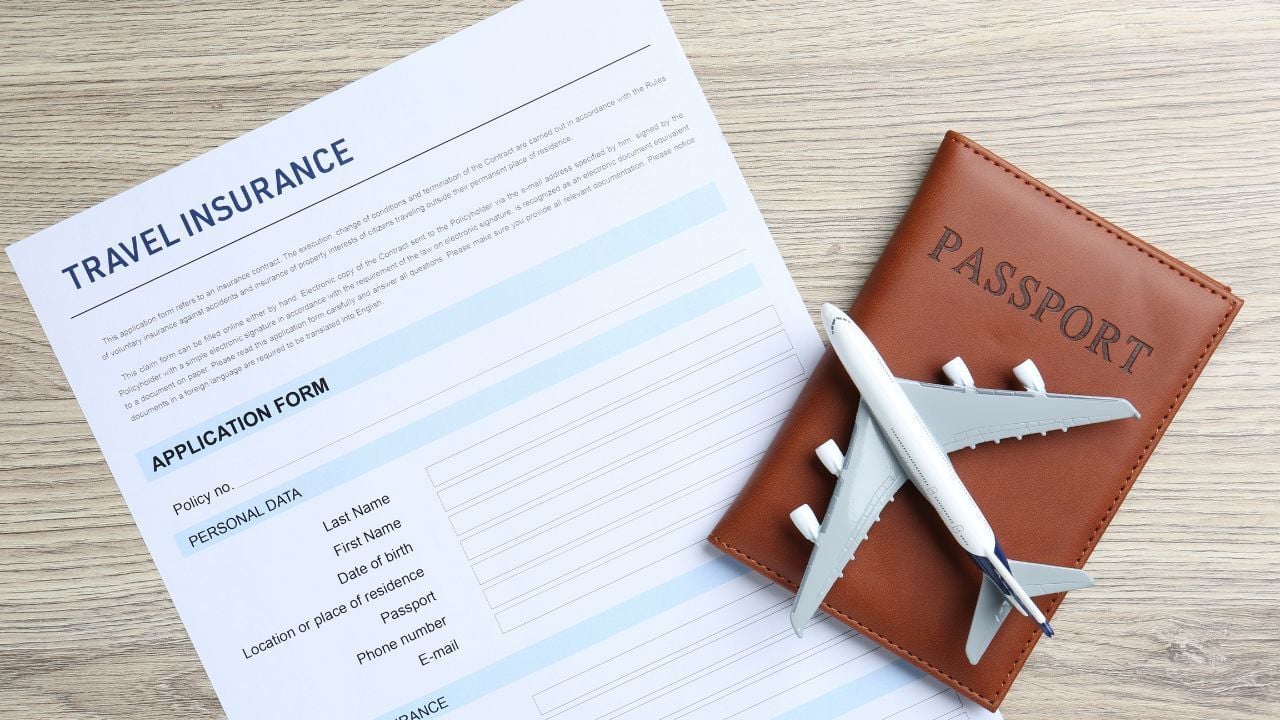
This is the mistake people love to frame as confidence when it is often just denial in nicer clothes. The U.S. State Department says the government does not pay medical costs for Americans abroad, recommends travel health insurance before a trip, and strongly recommends medical evacuation coverage for places with higher risk or limited medical care. Its adventure-travel guidance adds that evacuation from remote areas can cost more than $100,000. That number has a neat way of turning “I’ll risk it” into “I have made a tactical error.”
Cruises make that lesson even sharper. The CDC Yellow Book says onboard medical care, tests, and medications are typically not included in the voyage price, and that over-the-counter medicines bought on the ship also tend to cost more. That is why seasoned travelers pack basic medicine before departure and sort out insurance before the first emergency turns into the world’s least charming invoice.