
Washington state may have just handed the global auto industry a case study in how to bend, without fully breaking, America’s long-standing dealer franchise system.
At the center of the conversation is a proposed law that quietly introduces a new category of automaker, one that is allowed to sell cars directly to consumers without relying on franchised dealers.
For decades, that privilege has largely been off limits in most U.S. states, protected by powerful dealership networks and strict franchise laws designed to prevent automakers from competing with their own retailers.
The Washington measure changes that, but only in a very controlled way.
Who Gets To Sell Directly?

Under the legislation, only a narrow class of companies can qualify for direct sales rights. To be eligible, an automaker must produce only fully electric vehicles, must never have operated a franchised dealer network, and must be incorporated in the United States.
There are additional requirements that make the door even narrower. The company must already have a meaningful presence in Washington, including at least 300 registered vehicles in the state before a set cutoff date. It must also operate a service facility locally to support customers.
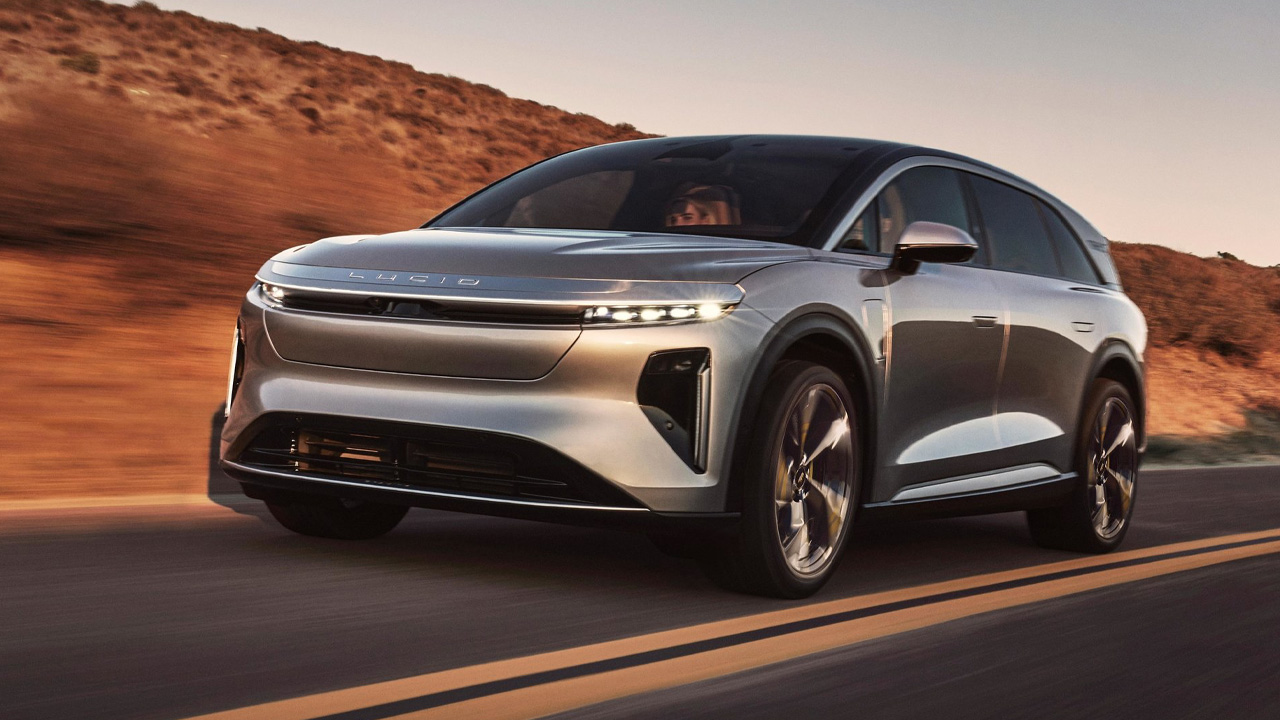
On paper, those conditions point clearly to a small group of American EV startups that have avoided the traditional dealer model from the beginning. In practice, the rules appear tailored to companies like Rivian and Lucid, while preserving the existing advantages held by legacy automakers and their dealer partners.
So why is this drawing attention far beyond Washington?
Because for the first time in years, a state has formalized a legal framework that acknowledges a different path to market. Instead of treating direct sales as an exception granted to a single company, the law defines a repeatable category. That shift, subtle as it may seem, introduces a new layer of flexibility into a system that has long been rigid.
This is where the global implications come into play.
What This Means for Foreign Automakers
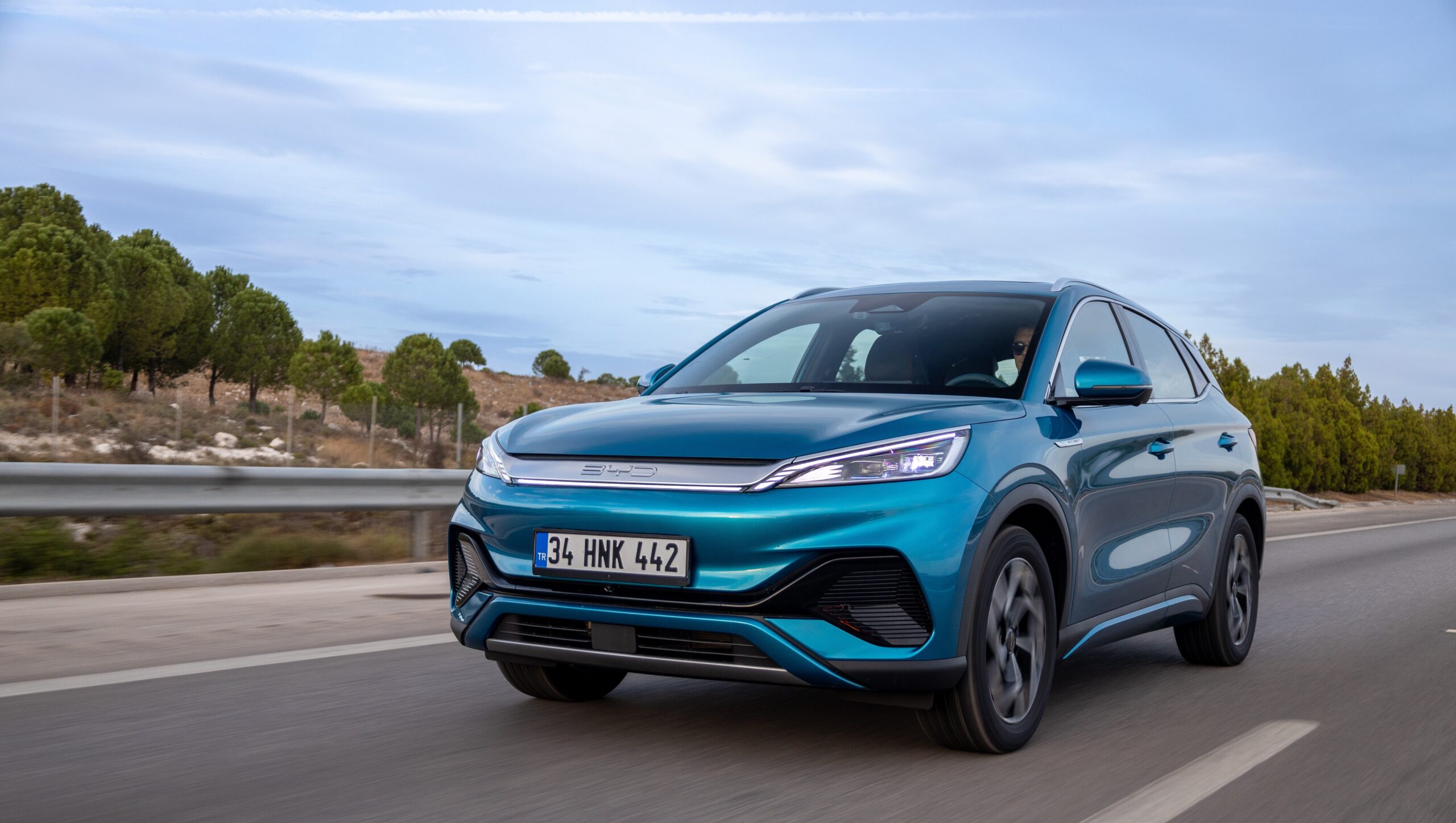
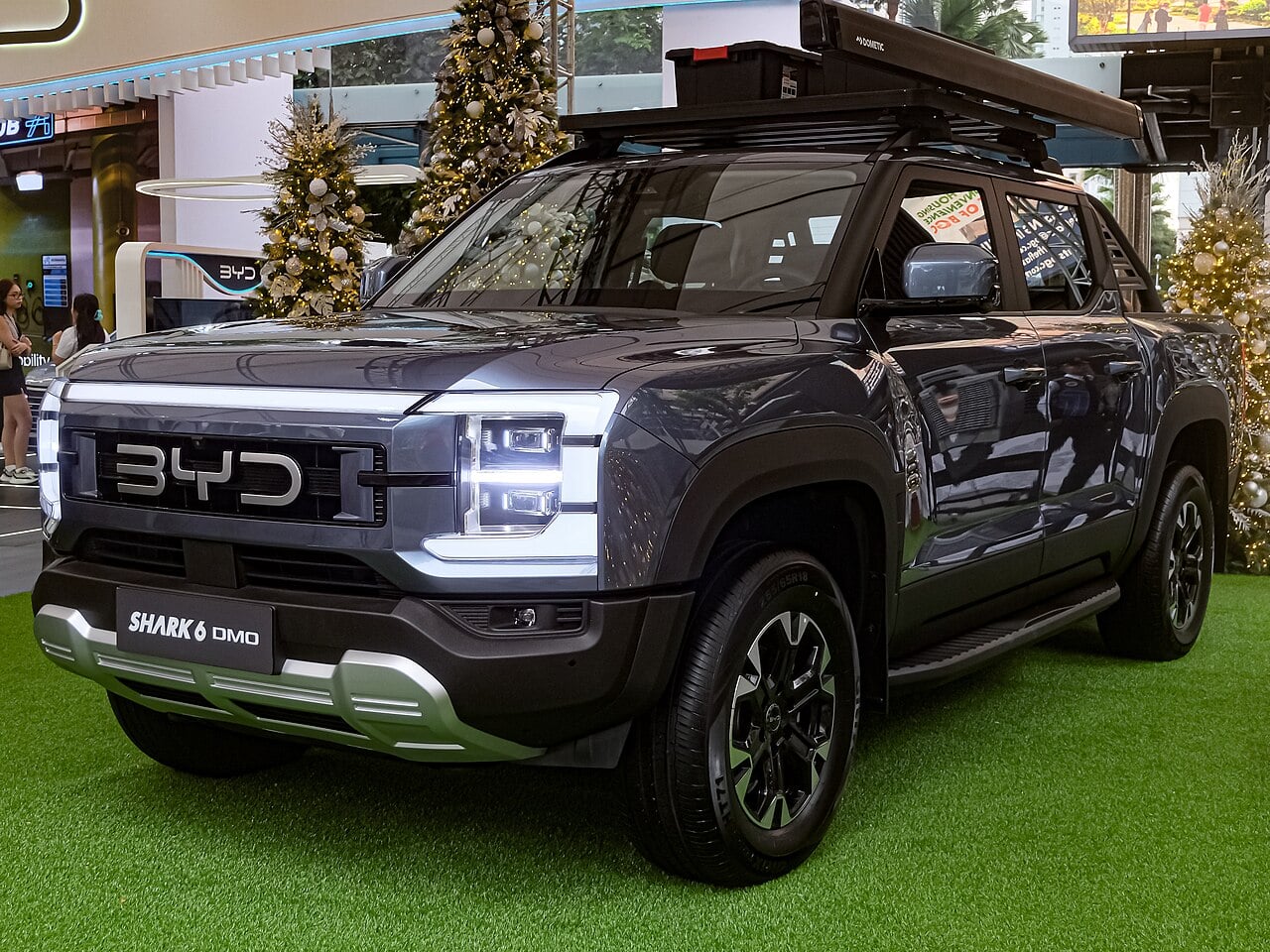
Chinese automakers, especially fast-growing EV brands, have been searching for viable ways to enter the U.S. market. Tariffs, political scrutiny, and regulatory barriers have made that difficult. Franchise laws add another complication by requiring partnerships with dealer networks that have mostly demonstrated hesitance to take on unfamiliar brands.
Washington’s approach does not open the door to those companies today. In fact, the requirements appear deliberately designed to keep them out. The incorporation rule alone creates a significant barrier, while the existing vehicle registration threshold prevents newcomers from qualifying overnight.
Still, industry analysts see something important in what Washington has done. The law establishes a blueprint. It shows that lawmakers are willing to carve out exceptions if they can be framed narrowly enough to avoid threatening the broader dealer ecosystem.
That creates a potential playbook for future entrants.
A foreign automaker could, in theory, create a U.S. incorporated subsidiary focused entirely on EVs and build a presence gradually. Over time, it could meet the registration and service requirements needed to qualify for direct sales. Even if that path is complex and politically sensitive, it is no longer unthinkable.
Equally important is the precedent this sets in the policy arena. Dealer groups have historically fought hard to prevent any erosion of franchise protections. The fact that a compromise has been reached, even one with strict limits, signals that the conversation is evolving. Once a framework exists, it can be expanded, adjusted, or replicated in other states.
A Controlled Experiment With Big Implications
For now, Washington’s law is less a loophole and more a controlled experiment. It preserves the traditional system while acknowledging that the rise of electric vehicles and new market entrants may require different rules.
But in an industry undergoing rapid transformation, even a small crack in the wall can be significant. What starts as a tightly defined exception today could shape how tomorrow’s automakers, domestic or foreign, find their way into the American market.