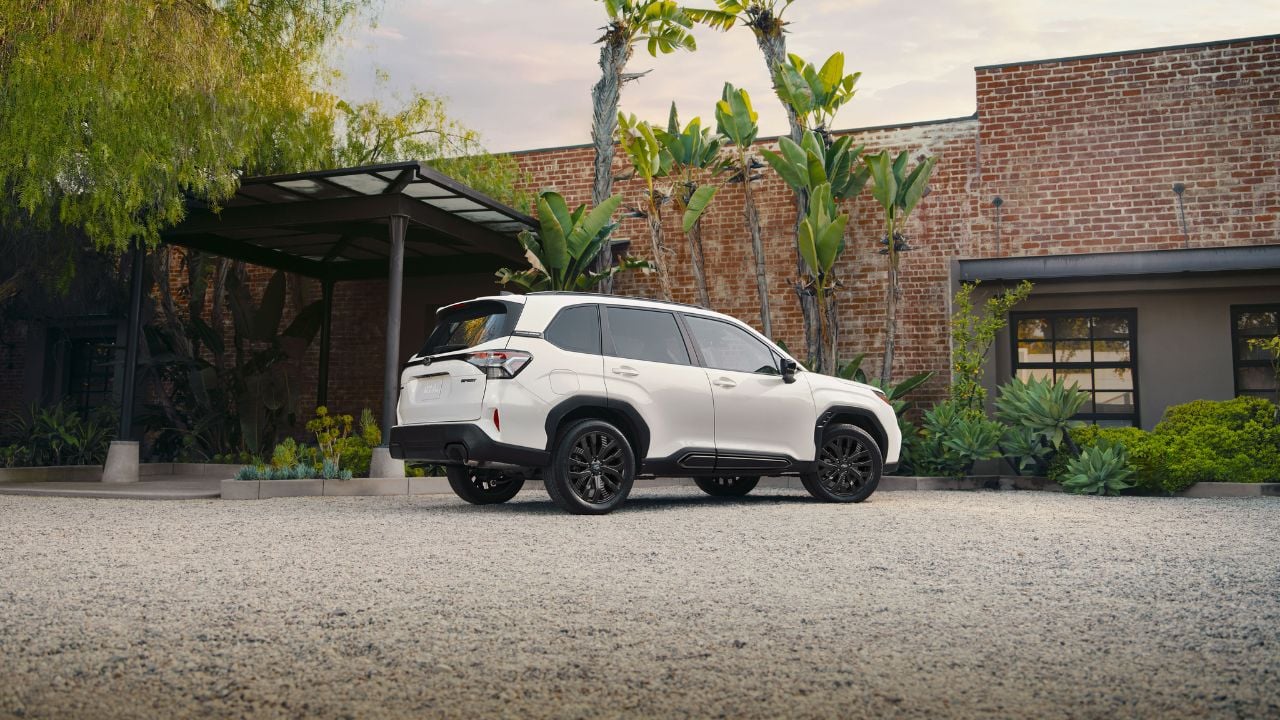
Minivans are brilliant machines when life becomes a rolling logistics exercise. If you need to carry six or seven people, haul half a soccer team’s equipment, and treat every Saturday like a small scale relocation project, they still make a powerful case. But that kind of maximum capacity is not the same thing as everyday practicality. For a huge number of households, practicality is about what makes the school run easier, what feels less stressful in a parking garage, what deals with snow and muddy roads without complaint, and what still feels right on a weekend that has nothing to do with carpools. That is where the Subaru Forester starts to look very different. The 2026 Forester starts at $29,995, measures 183.3 inches long and 72.0 inches wide, and comes with standard Symmetrical All Wheel Drive across the lineup. By contrast, the 2026 Honda Odyssey starts at $42,795 and stretches to 205.2 inches long and 78.5 inches wide, while the 2026 Toyota Sienna starts at $40,120.
That does not mean the Forester wins every packaging contest, because it clearly does not. A minivan still dominates on pure interior volume. The Odyssey offers 32.8 to 38.6 cubic feet behind its third row and up to 155.8 cubic feet with the seats configured for maximum cargo, while the Forester offers 27.5 to 29.6 cubic feet behind its second row and 69.1 to 74.4 cubic feet with the rear seat lowered, depending on trim. If your life regularly demands maximum passenger and cargo capacity at the same time, the minivan remains the obvious tool. But most households do not live at those limits every single day, and that is what makes this comparison more interesting than it first sounds.
How This Practicality Test Works
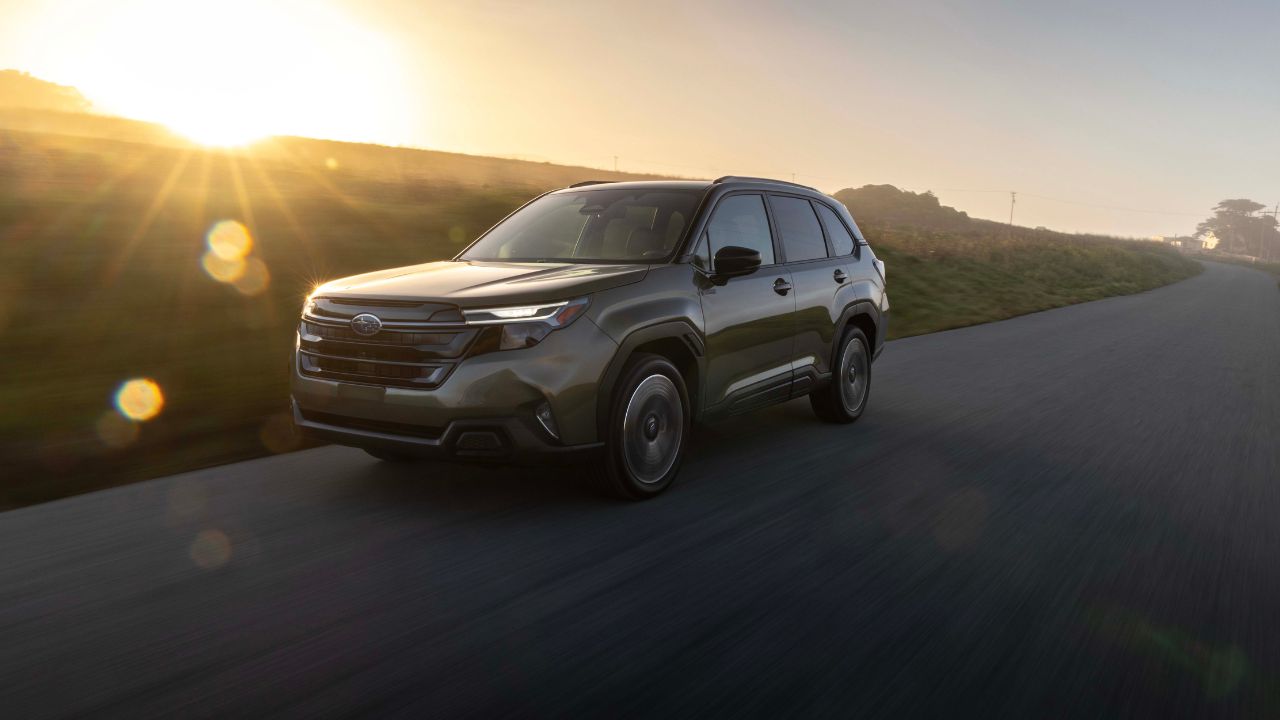
This article is not judging which vehicle can carry the most people or the most stuff in a single trip. If that were the only question, the minivan would win before the conversation even started. Instead, the test here is more demanding and more realistic. The real question is which vehicle makes daily life easier for the greatest number of owners. That means looking at size, maneuverability, weather confidence, cargo that works for normal family use, purchase price, and the ability to shift from weekday duty to weekend duty without feeling like the wrong tool for the job. Under that lens, the Forester starts to look less like a smaller compromise and more like a smarter answer for people who do not need a rolling living room every day.
It also matters that Subaru has built the current Forester around everyday usefulness rather than niche posturing. Every 2026 Forester gets standard EyeSight Driver Assist Technology, standard all wheel drive, up to 33 mpg highway on gas models, and 8.7 inches of ground clearance on most trims, with the Wilderness rising to 9.3 inches. That is a very practical foundation before you even start talking about cargo, durability, or price. And price matters here, because the Forester lineup begins far below the mainstream minivan field.
Reason One: It Is Right Sized For Real Life
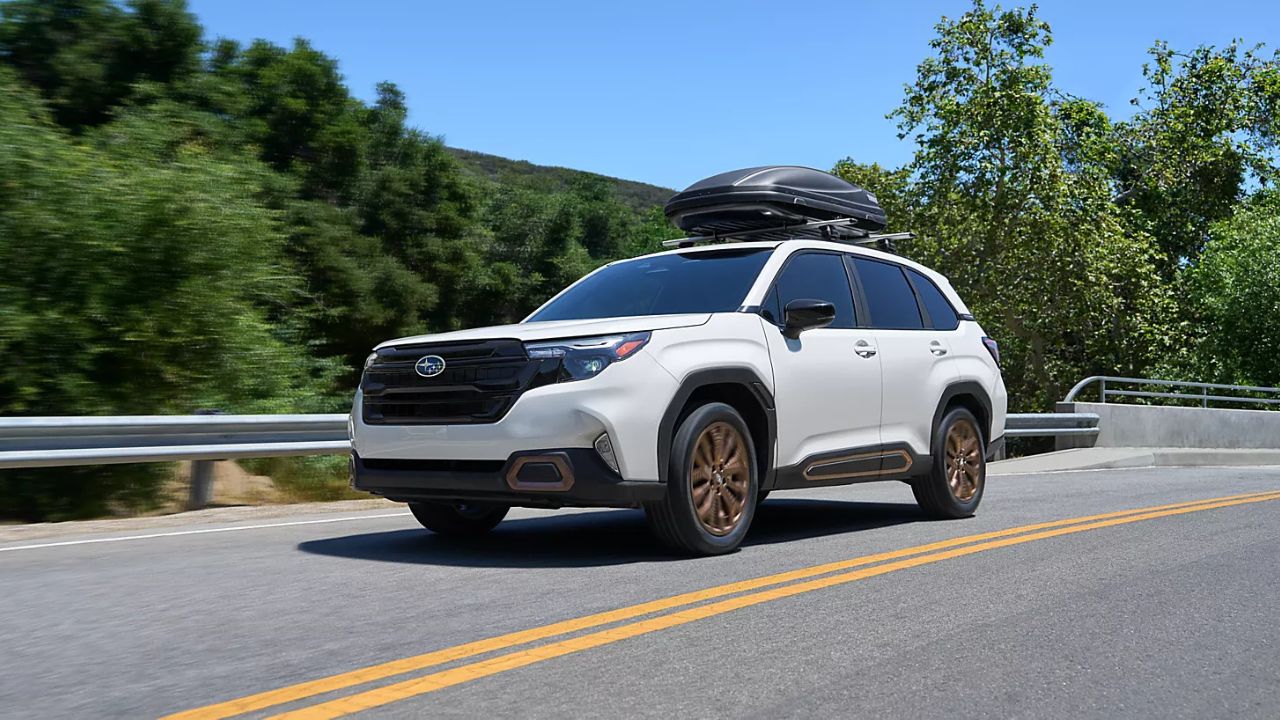
The first reason the Forester feels more practical is the least glamorous and probably the most important. It is simply easier to live with. At 183.3 inches long, 72.0 inches wide, and with a 35.4 foot turning circle on most trims, the Forester is the kind of vehicle that slips into ordinary life without turning every errand into a geometry problem. A Honda Odyssey, by comparison, is 205.2 inches long, 78.5 inches wide, and needs a 39.64 foot turning diameter. Those numbers may look abstract on a page, but they become very concrete in crowded grocery store lots, tight school pickup lanes, older city streets, and narrow parking garages that seem to have been designed by somebody with a grudge.
That difference changes the emotional feel of ownership. A minivan often asks you to think about the vehicle first. You approach a spot wondering whether you can fit. You turn into a small parking deck and start scanning for an easier route. You notice the width before you enjoy the space. The Forester does the opposite. It disappears into normal life more easily, and that is one of the purest forms of practicality. A practical family vehicle should reduce mental friction, not create it. The Subaru’s more compact footprint means it is easier for a new driver in the household, less annoying in daily traffic, and simply less cumbersome on the ninety percent of trips where nobody is moving furniture or hosting a mobile field trip. That kind of ease tends to matter more than maximum space once the novelty of a giant cabin wears off.
Reason Two: It Handles Weather And Bad Roads Better
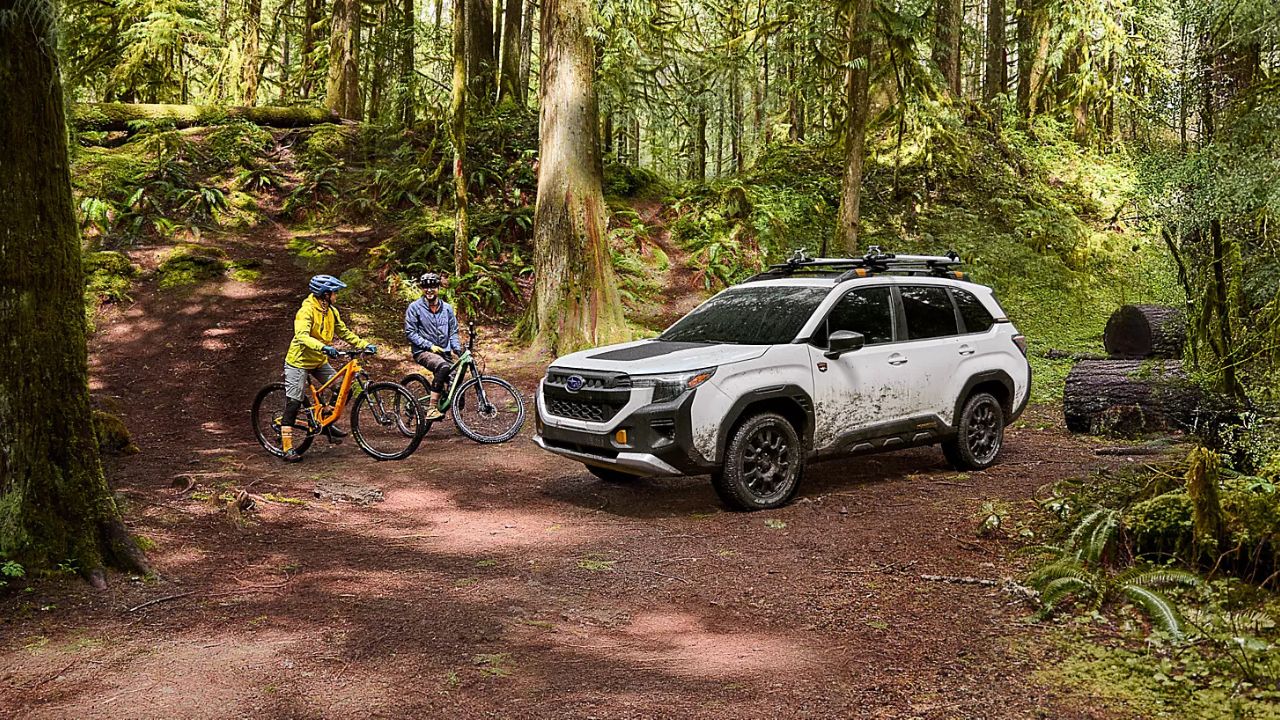
A minivan is excellent at moving people on pavement. The Forester is better at dealing with the part of real life that is not always so tidy. Standard Symmetrical All Wheel Drive is included on every 2026 Forester, and Subaru pairs it with 8.7 inches of ground clearance on most trims or 9.3 inches on the Wilderness. Available X MODE adds extra traction support, and the Wilderness gets dual function X MODE plus off road oriented hardware and 3,500 pounds of towing capacity. By contrast, the 2026 Odyssey is front wheel drive only, while the 2026 Sienna offers all wheel drive on some versions but remains a low slung minivan built around road use first.
That matters far more often than people admit. Practicality is not just about carrying kids to school when the weather is perfect. It is about climbing an unplowed driveway, reaching a cabin after a storm, crossing a muddy soccer field parking lot, or handling the kind of broken pavement and winter slush that turns a simple outing into a minor event. The Forester’s advantage is that it treats those conditions as normal life rather than special exceptions. You do not need to live on a mountain to appreciate that. You just need to have a winter, a dog, a gravel road, a camping habit, or the occasional weekend that goes beyond suburban pavement. The minivan may still win the room contest, but the Forester wins the confidence contest, and confidence is one of the most practical things a vehicle can provide.
Reason Three: It Gives You Enough Space Without Making You Carry Unused Space
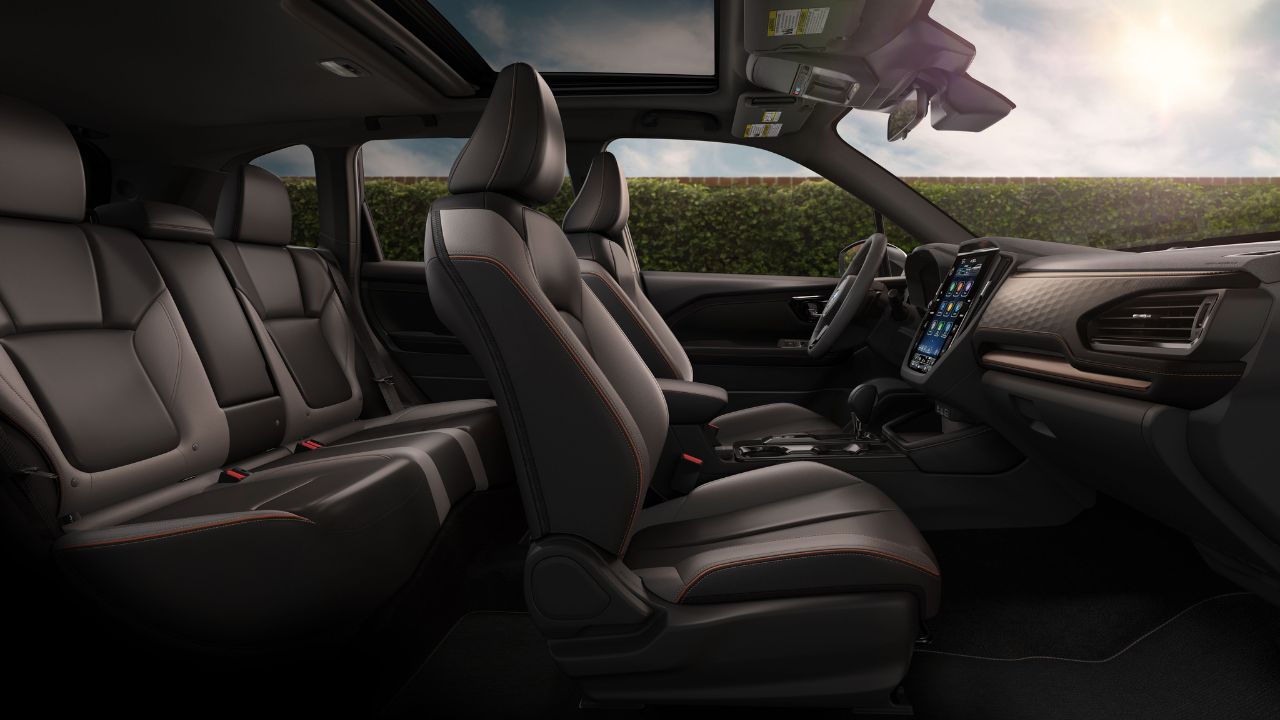
This is where the Forester’s argument becomes more subtle, because the minivan absolutely wins on maximum cargo volume. But maximum and useful are not always the same word. The Forester offers 27.5 to 29.6 cubic feet of cargo room behind the second row and up to 74.4 cubic feet with the rear seat lowered, along with standard 60/40 split folding rear seatbacks across the lineup and one touch folding on upper trims. Most versions also get raised roof rails with integrated tie down points, and the Wilderness version increases static roof capacity to 800 pounds. In other words, the Forester gives you a very usable cargo bay, real flexibility, and the ability to move bulky gear without forcing you to pilot a much larger vehicle every day.
That is a more practical shape for modern family life than it sounds. Most people are not spending their weekdays using the third row, removing seats, or filling 150 cubic feet of interior volume. They are carrying groceries, backpacks, a stroller, sports bags, a dog crate, camping gear, or a couple of large suitcases for a road trip. For those jobs, the Forester usually feels exactly right. The cargo area is easy to access, the rear seats fold when needed, and the footprint stays compact when you are done. A minivan can absolutely do all of that too, but it makes you carry a vast amount of unused vehicle on every trip where none of that extra space is needed. The Forester’s trick is not that it offers more room. It is that it wastes less room, and that is often the more practical answer.
Reason Four: It Is Dramatically Easier To Justify Financially
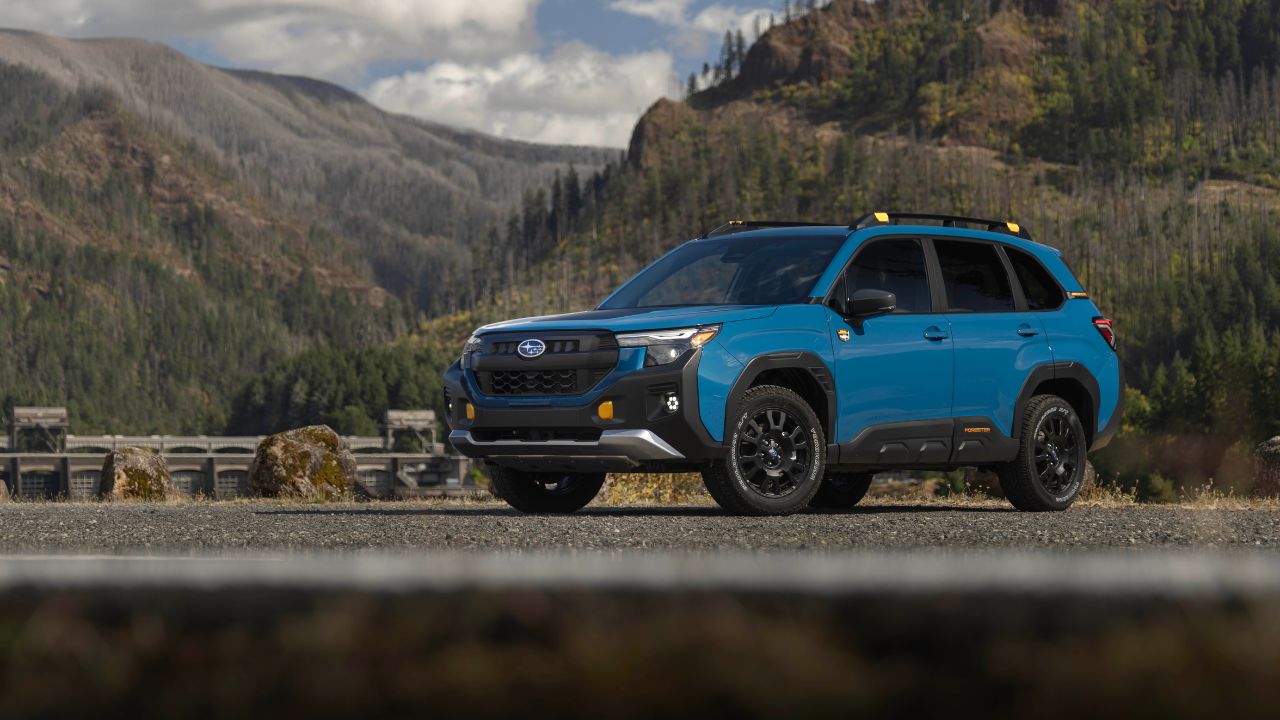
Practicality is not only about what a vehicle can do. It is also about what it asks from the family budget before it even leaves the lot. Here the Forester makes one of its strongest arguments. The 2026 lineup starts at $29,995, and even the more specialized Forester Wilderness comes in at $38,385. That means a buyer can get into a rugged, all wheel drive Forester for less money than a base 2026 Toyota Sienna at $40,120 or a base 2026 Honda Odyssey at $42,795. That gap is not a rounding error. It is several thousand dollars that can stay in the bank, pay insurance, fund tires, cover a family vacation, or simply reduce monthly stress.
There is also something psychologically important about that difference. A minivan often makes sense only when you fully use the thing. If you are paying minivan money, you want minivan duty. Otherwise you start noticing how much of the vehicle goes untouched most of the time. The Forester avoids that trap. Its price and mission are better aligned with the lives many households actually live. It feels like a smart purchase rather than a specialized one. That gives it a different kind of practicality, one rooted in proportion and restraint. It does not ask you to spend family money on capacity you may need a few weekends a year. It asks you to buy a vehicle that fits ordinary life first and still has enough flexibility when life gets busy. That is a much easier ownership story to defend.
Reason Five: It Works As One Car Instead Of One Appliance
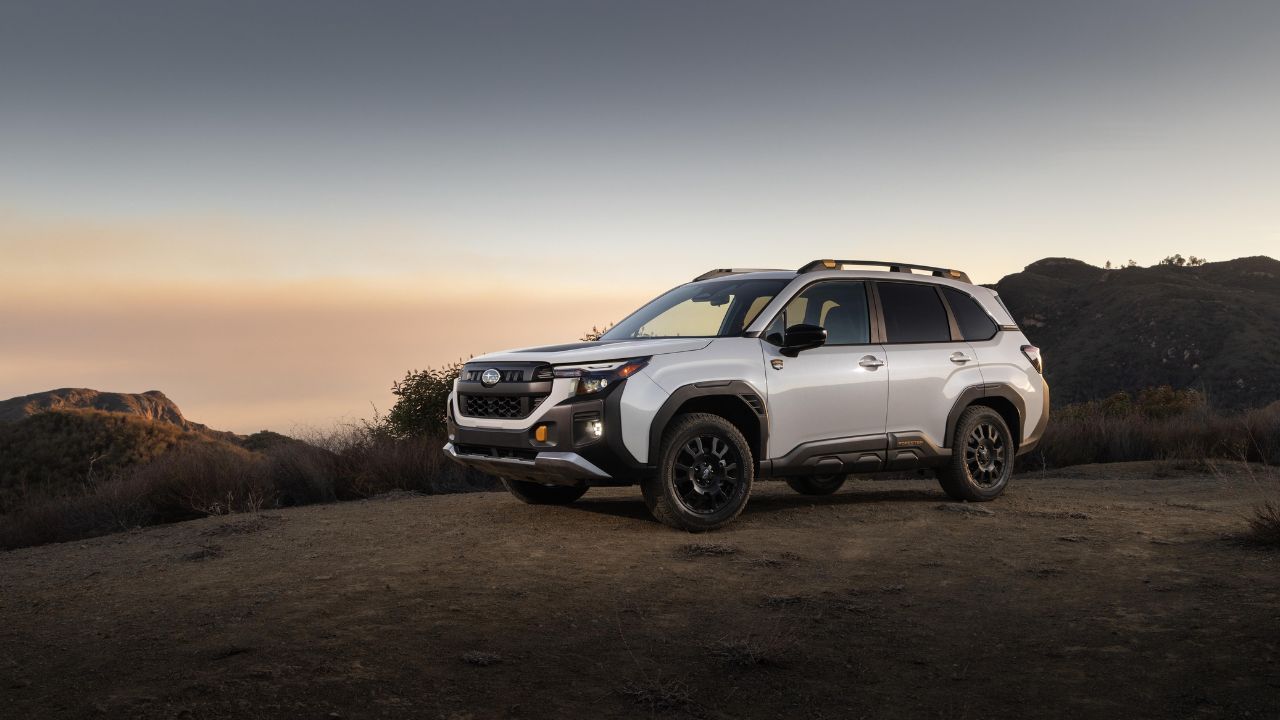
The best family vehicle is not just capable. It is willing. It should feel just as natural on the Monday commute as it does on a rainy grocery run, a weekend drive out of town, or a loaded trip to a campsite. That is where the Forester’s broader character makes it more practical than a minivan for many owners. Subaru gives the Forester real outdoor credibility, with raised roof rails, up to 176 pounds of dynamic roof capacity, up to 700 pounds of static roof capacity on most trims, and 800 pounds of static capacity on the Wilderness. The Wilderness also adds easy to clean StarTex upholstery, a wide rear gate opening, all terrain tires, front underbody protection, and up to 3,500 pounds of towing capacity. Subaru also says 96% of Forester vehicles sold in the last ten years are still on the road today, which speaks to the long term trust owners place in the model.
That breadth of character matters because real practicality is often about the trips you say yes to. A minivan is excellent at organized family transport, but it rarely makes you want to take the long way home, head for a snowy trailhead, or load up for a messy weekend without thinking twice. The Forester does. It feels like a vehicle you can actually live with as a person, not just as a parent or logistics manager. And that is a huge distinction. The most practical car is not always the one with the biggest interior. Sometimes it is the one that asks the fewest lifestyle compromises while still covering the responsibilities of daily life. The Forester’s great strength is that it feels normal in almost any role, and that sort of range is incredibly hard to beat once you start living with it.
The Practical Car Is The One You Use Best
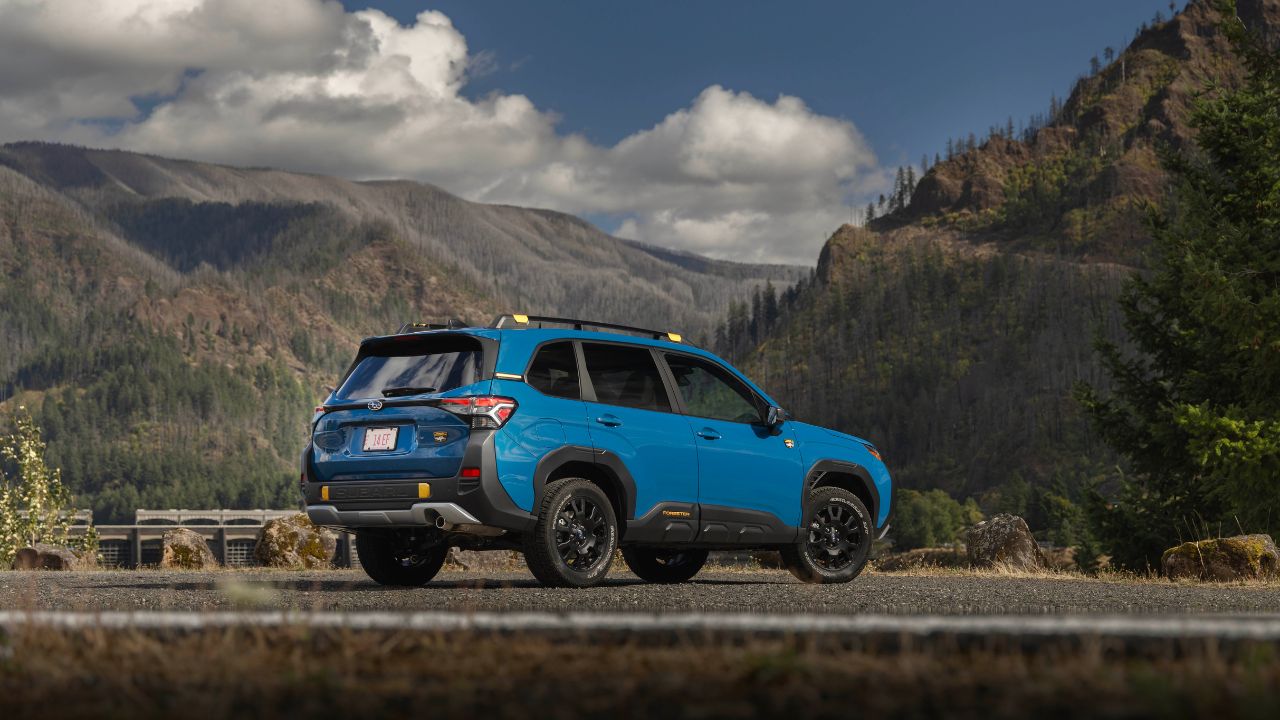
The clever thing about the Subaru Forester is that it exposes a weakness in the way people often talk about practicality. They treat it like a volume measurement, when in reality it is a lifestyle measurement. Yes, a minivan can carry more people and more cargo. Sometimes that is exactly the right answer. But if you do not regularly fill three rows, if you value all weather confidence, if you live somewhere parking is tight, and if you want one vehicle that feels natural on ordinary weekdays and spontaneous weekends, the Forester starts to look more useful much more often. Its smaller footprint, standard all wheel drive, strong safety foundation, flexible cargo area, and far lower entry price all support that case.
That is why this comparison lands harder than it first appears. The minivan still wins the giant family mission. But for many households, the Forester wins the life mission. It does not try to be a bus, a moving van, and a lounge on wheels all at once. It simply does the everyday parts of modern family life with less hassle, less bulk, and less wasted money. Sometimes the most practical choice is not the vehicle that can do the absolute most. It is the one that makes the most sense the most often, and that is exactly where the Subaru Forester shines.