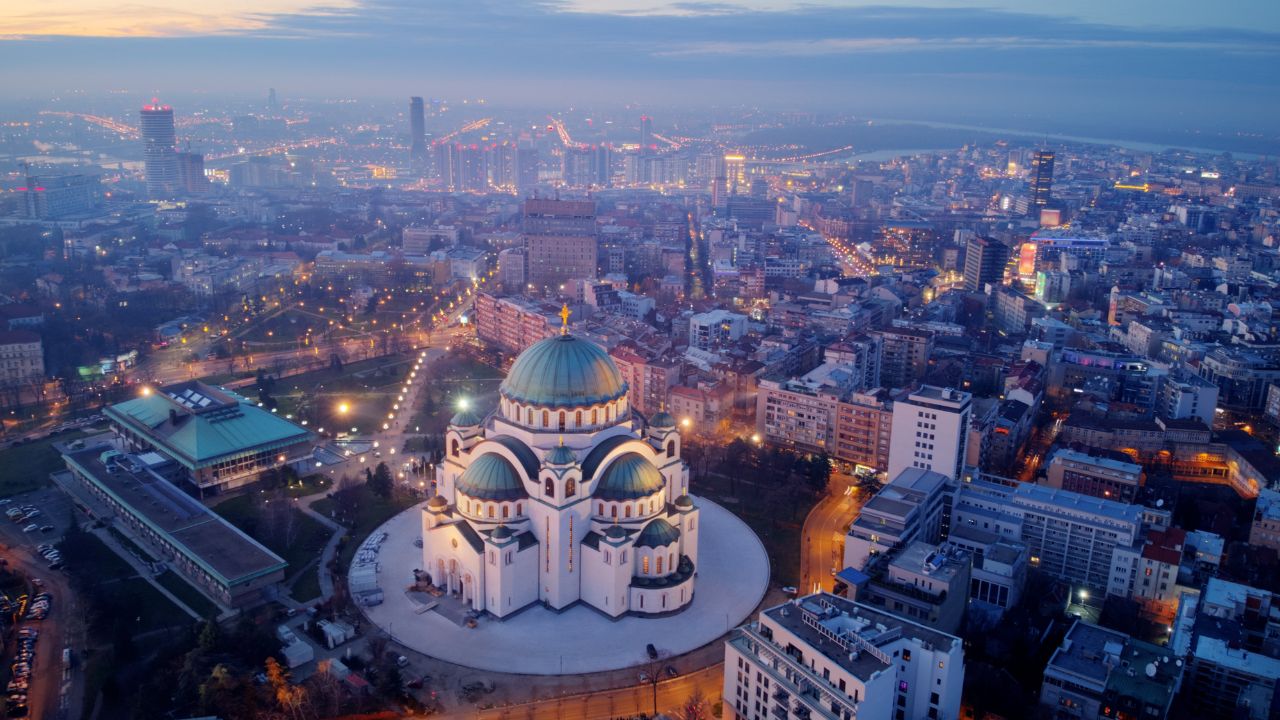
Finding a budget-friendly nomad base is a strange balancing act. A place can be cheap and still be annoying to live in, or beautiful and quietly expensive once rent, coffee, transport, and visa friction start nibbling away at the month. The real sweet spot is not just low prices. It is a city that gives you enough structure to work properly, enough life outside the laptop to stay sane, and enough flexibility that a 30-day test run can turn into something longer without becoming an administrative comedy.
That is why the best answers here are not identical. Some make the most sense for a two- or three-month stretch on a simple entry setup. Others become much more convincing if you actually qualify for a longer-stay pathway. What ties them together is that each one offers a believable mix of value, workable infrastructure, and day-to-day appeal, rather than just looking good on a mood board. These seven cities all make a plausible case for budget-conscious remote life.
1. Tbilisi, Georgia
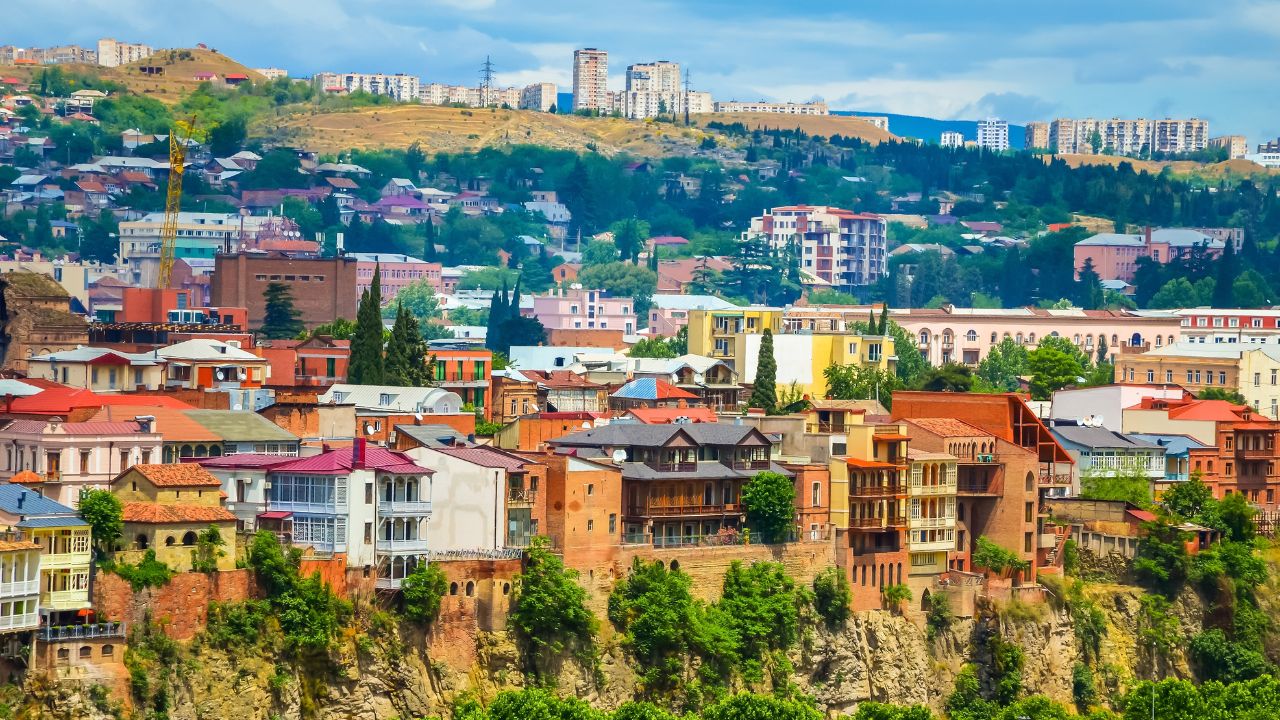
Tbilisi keeps earning its reputation without trying too hard to cosplay as a startup theme park. Georgia’s official tourism site still frames the city as one of the country’s strongest bases for digital nomads, pointing to fast internet, coworking options, lively neighborhoods, and central districts such as Vake, Saburtalo, and Sololaki. That is a strong setup for people who want daily practicality without living somewhere that feels scrubbed of all personality.
The stay flexibility is part of the appeal too. Georgia’s consular guidance says citizens of many countries, including EU member states, can stay for up to one year without a visa. That does not magically solve every long-stay question, but it does explain why Tbilisi keeps showing up in remote-work conversations. It gives people time to settle in without immediately turning the whole experiment into paperwork.
2. Da Nang, Vietnam

Da Nang is one of the easiest places on this list to like quickly. Vietnam’s official tourism site presents it as a coastal city with strong food, beaches, and easy access to places such as Hoi An and Hue, which is exactly the kind of balance that works for remote life. You can finish work, get to the sea, and still have an actual city around you instead of a one-note resort strip.
The visa side remains one of its strongest practical advantages. Vietnam’s official tourism guidance says e-visas are available to citizens of all countries and territories for stays of up to 90 days, with multiple entry. That makes Da Nang especially convincing for people who want a relatively low-friction base for a few months rather than a city that requires immediate long-stay strategizing.
3. Chiang Mai, Thailand

Thailand’s tourism authority does not really dance around this one. It explicitly describes Chiang Mai and nearby Lamphun as hotspots for digital nomads, citing fast internet, co-working spaces, cafés, dining, cultural attractions, and nearby nature. That is basically the classic Chiang Mai formula in official form, and it still holds up. The city makes it easy to build a routine that does not feel trapped between your apartment and one overused coffee shop.
Chiang Mai also becomes more interesting if you can clear Thailand’s longer-stay bar. Thailand’s official DTV information says the visa is valid for five years, allows multiple entries, and permits stays of up to 180 days per entry, though the documentation and financial threshold are real. Even without that, Chiang Mai remains a very credible shorter-stay base. With it, the city becomes much easier to take seriously for longer stretches.
4. Medellín, Colombia

Medellín still has one of the better urban nomad cases in Latin America because the infrastructure is no longer improvised around a trend. The city’s official travel guide points to café-heavy areas such as Provenza, while its Parque Lleras guide explicitly mentions coworking spaces, cafés, and work-friendly corners nearby. That matters because it suggests remote work is now part of the city’s actual visitor ecosystem rather than a niche workaround.
Colombia also gives Medellín an official longer-stay option. The Foreign Ministry’s Visa V Nómadas Digitales page says the visa is for remote work or telework carried out from Colombia for foreign companies through digital means. Medellín is not the ultra-cheap secret it once was, but it still offers a convincing blend of climate, neighborhoods, mobility, and remote-work structure for people who want a more urban rhythm.
5. Tirana, Albania

Tirana is the quiet sleeper on this list. The city’s tourism platform leans into mixed architecture, history, nature, nightlife, food, and affordable prices, which is a useful summary of why the place works. It has enough capital-city energy to keep life interesting, but it still feels looser and less financially punishing than many of Europe’s better-known remote-work favorites.
The entry rules are also flexible for some travelers. Albania’s official visa guidance says foreign citizens with valid, previously used multiple-entry Schengen, U.S., or U.K. visas, or valid residence permits in those places, can enter without an Albanian visa, while the country’s Type C visa covers stays of up to 90 days in 180. That does not make Tirana universally frictionless, but it does make it a smarter European-value play than many people realize.
6. Penang, Malaysia

Penang is a very strong answer for people who want heritage, food, and sea air without moving somewhere that feels built only for holiday photos. Official Penang material highlights George Town’s UNESCO World Heritage core, and current tourism guidance also points to broad Wi-Fi coverage, café culture, and a compact city setup that makes daily life easier than it first sounds. It has enough texture to stay interesting and enough infrastructure to stay functional.
Malaysia also gives Penang extra credibility through an actual remote-work pathway. The official DE Rantau Nomad Pass page says qualified foreign digital nomads can work remotely from Malaysia for up to 12 months, with the option to renew for another 12. That makes Penang more than just a comfortable short-term base. It becomes a real medium-term option for people who want stability without moving to a much more expensive regional hub.
7. Belgrade, Serbia
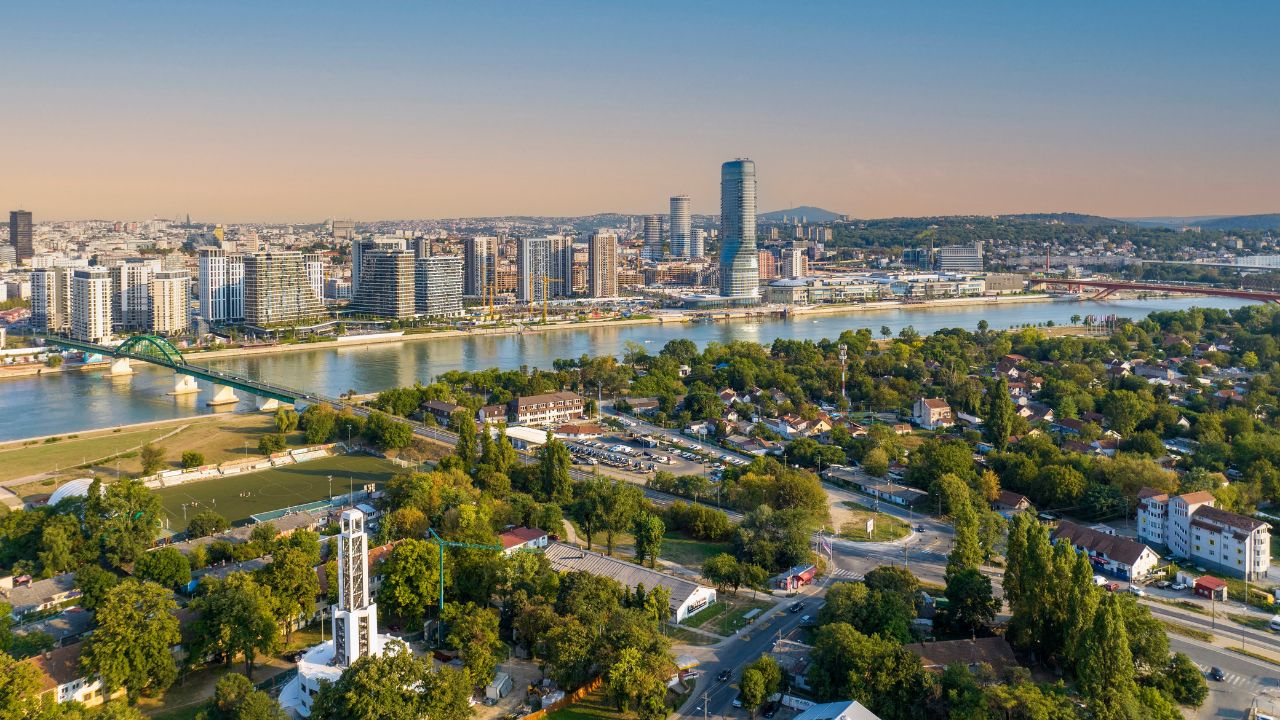
Belgrade has the sort of personality that makes workweeks feel less routine. Serbia’s tourism board describes it as a digital city with good links to European centers, fast internet, and a strong social life, while the Serbian government’s digital nomad explainer says the country has become popular with remote workers because of low living costs, cultural offerings, and active communities. That is a pretty solid pitch for anyone who wants their base to have some rough edges and actual nightlife.
The entry side is useful for some travelers as well. Serbia’s Foreign Ministry says holders of valid Schengen, EU, or U.S. visas or residence permits, as well as valid U.K. visas, can enter and stay up to 90 days in a 180-day period without prior visa application. Belgrade is not the cheapest place here, but it does give you a lot of city for the money, which is exactly why it keeps surfacing in remote-work conversations.
If the goal is the strongest pure-value play, Da Nang, Chiang Mai, and Tbilisi remain especially convincing. Penang and Medellín make a lot of sense for people who want a slightly more established ecosystem without jumping straight into big-budget territory. Tirana and Belgrade are the sharper answers for anyone who wants a Europe-based stretch without paying the usual glamorous-city tax. Budget remote life is never as simple as one low rent figure, but these seven at least give you a believable starting point.