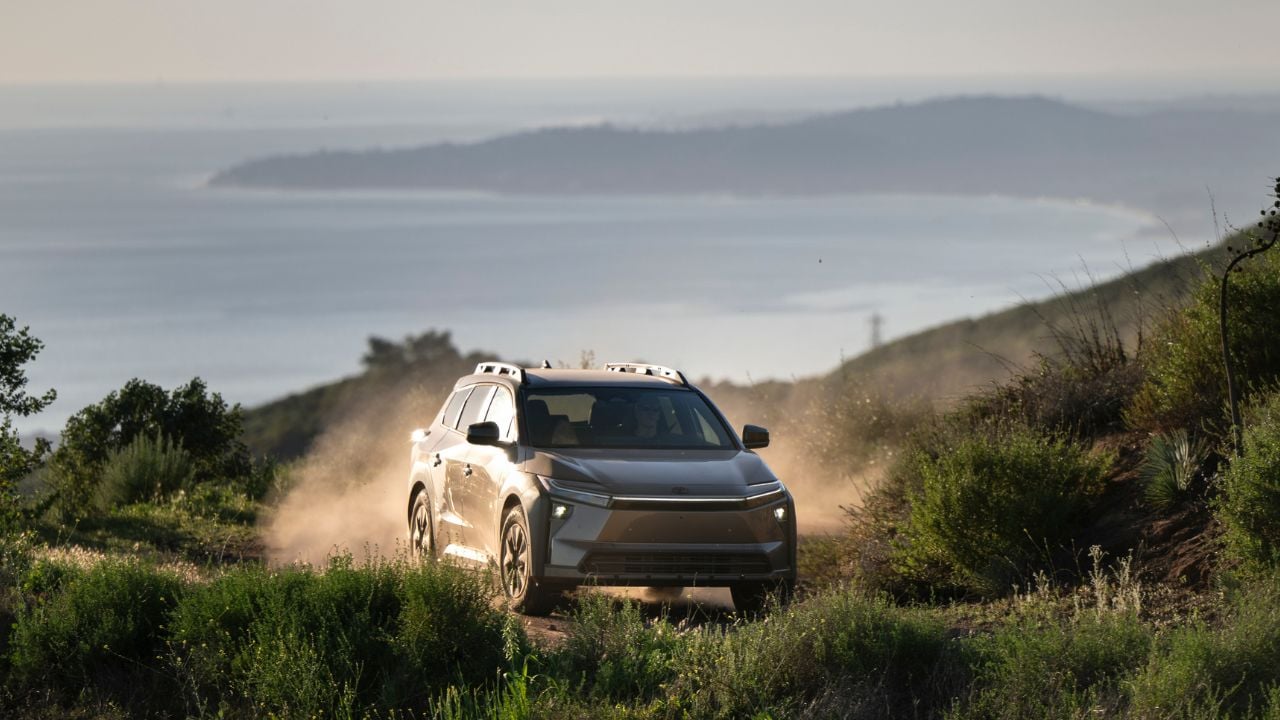
Toyota’s electric lineup has spent the past few years building credibility, but the 2026 bZ Woodland feels like the moment that lineup starts showing more personality. This is not simply another battery powered crossover with dark cladding and a few outdoor themed accessories. Toyota has given the bZ Woodland a distinct job inside the range.
It arrives with standard all wheel drive, a net combined output of 375 hp, an EPA estimated range of up to 281 miles, and a starting MSRP of $45,300 before dealer processing and handling. Toyota also says it will reach U.S. dealerships in March 2026, which means this is a near term launch rather than a distant concept with nice promises.
What makes the Woodland especially interesting is the way Toyota has framed it. The company is clearly trying to stretch the meaning of its bZ family beyond efficient urban transportation and into something with a little more identity and adventure. The Woodland sits above the standard bZ in attitude and output, and Toyota calls it the most powerful bZ yet.
That matters because EV buyers have started asking for more than clean design and charging speed. They want character, usefulness, and a reason to choose one electric crossover over the next. The Woodland is Toyota’s answer to that shift.
The Lens For Judging The bZ Woodland
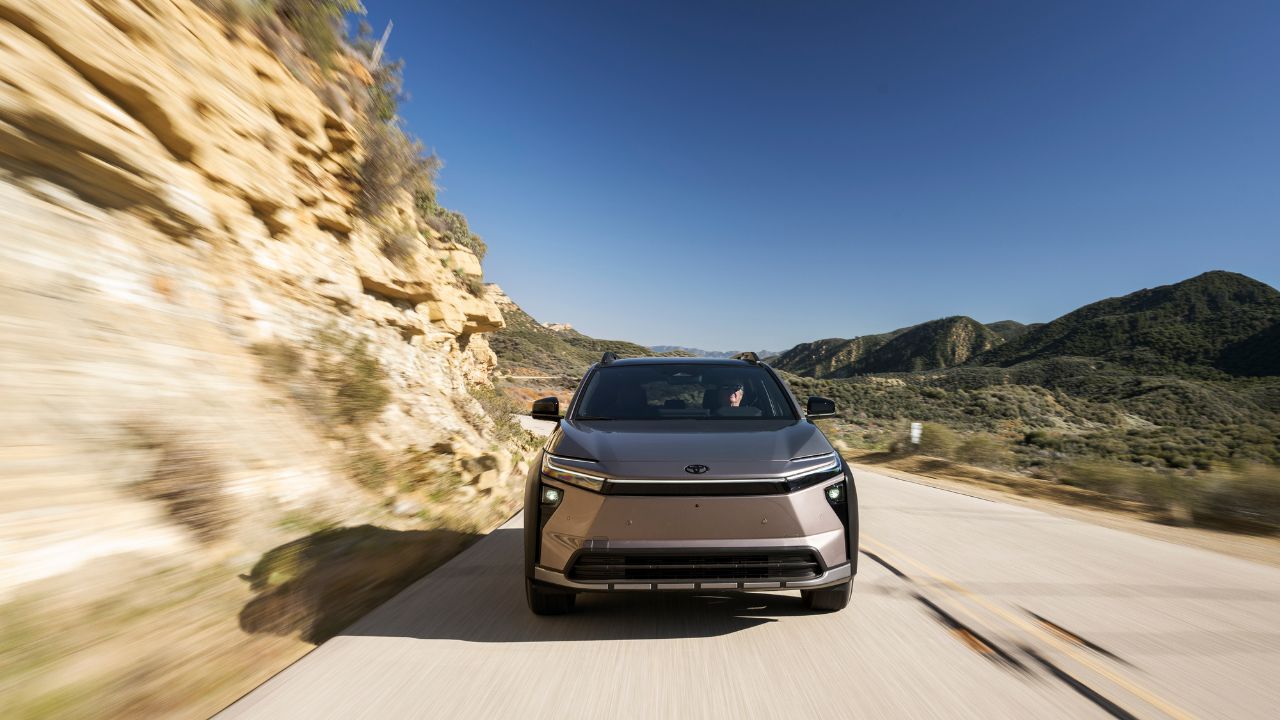
A vehicle like this deserves more than a quick glance at horsepower and range. The better question is whether Toyota has actually built a convincing electric adventure vehicle, or whether it has simply dressed up a standard crossover with the right marketing vocabulary. That is the lens that matters here.
For the bZ Woodland to succeed, it has to work in three directions at once. It has to feel quick and modern enough to satisfy buyers cross shopping mainstream electric crossovers. It has to offer enough real world utility to justify the Woodland name. And it has to make sense as a Toyota, which means the value, equipment, and everyday usability all need to feel carefully thought through.
Through that lens, the bZ Woodland becomes much more compelling than a spec sheet alone suggests. Toyota has given it meaningful hardware and packaging changes rather than cosmetic theater. The body is longer, the cargo area is larger, the roof rails are standard, the towing capacity reaches 3,500 pounds, and the ground clearance now stands at 8.4 inches.
At the same time, Toyota has kept the core ingredients most EV shoppers still care about, including a 74.7 kWh lithium ion battery, NACS charging, battery pre conditioning, and a 14 inch infotainment display as standard equipment. That combination is what gives the Woodland a real chance to matter.
Real Power, Real Pace, And A Stronger Identity
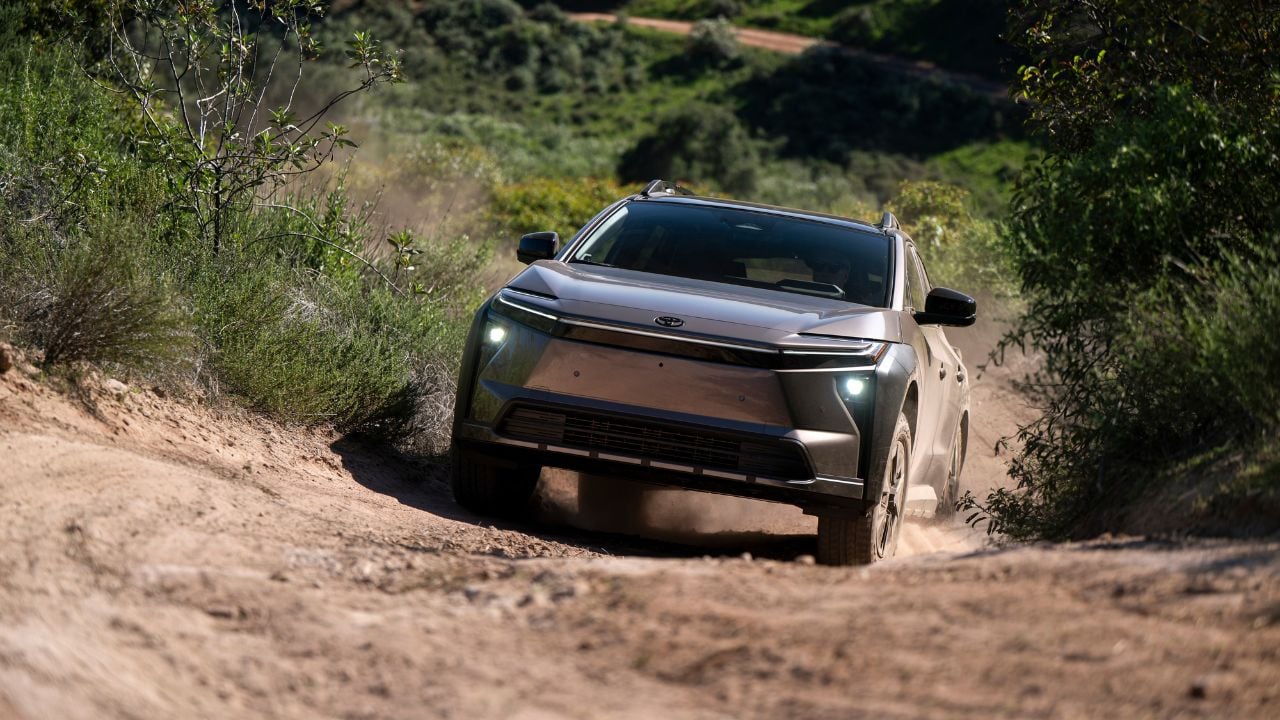
The headline number is the one Toyota wanted everyone to notice, and fairly so. With 375 hp from its dual motor all wheel drive setup, the bZ Woodland becomes the most powerful version of Toyota’s bZ family. Toyota also estimates a 0 to 60 mph time of 4.4 seconds, which moves this vehicle well beyond the usual calm crossover pace and into genuinely quick territory.
In practical terms, that kind of output matters less for drag race bragging rights than for the way the vehicle will feel in normal use. A fast EV does not need to be driven hard to feel satisfying. Extra power makes merging easier, passing more confident, and a fully loaded vehicle more relaxed.
There is also something important about what this figure says symbolically. Toyota’s refreshed 2026 bZ AWD model tops out at 338 hp, which already marked a major jump over the earlier bZ4X. The Woodland pushes even further to 375 hp, giving Toyota an electric crossover that sounds more assertive and more premium in one stroke.
That matters because EV buyers increasingly expect performance as part of the basic package, especially once the price starts moving into the mid $40,000 range. The Woodland now has the kind of output that makes its rugged image feel supported by the powertrain rather than merely decorated by it.
AWD Means More Here Than A Badge
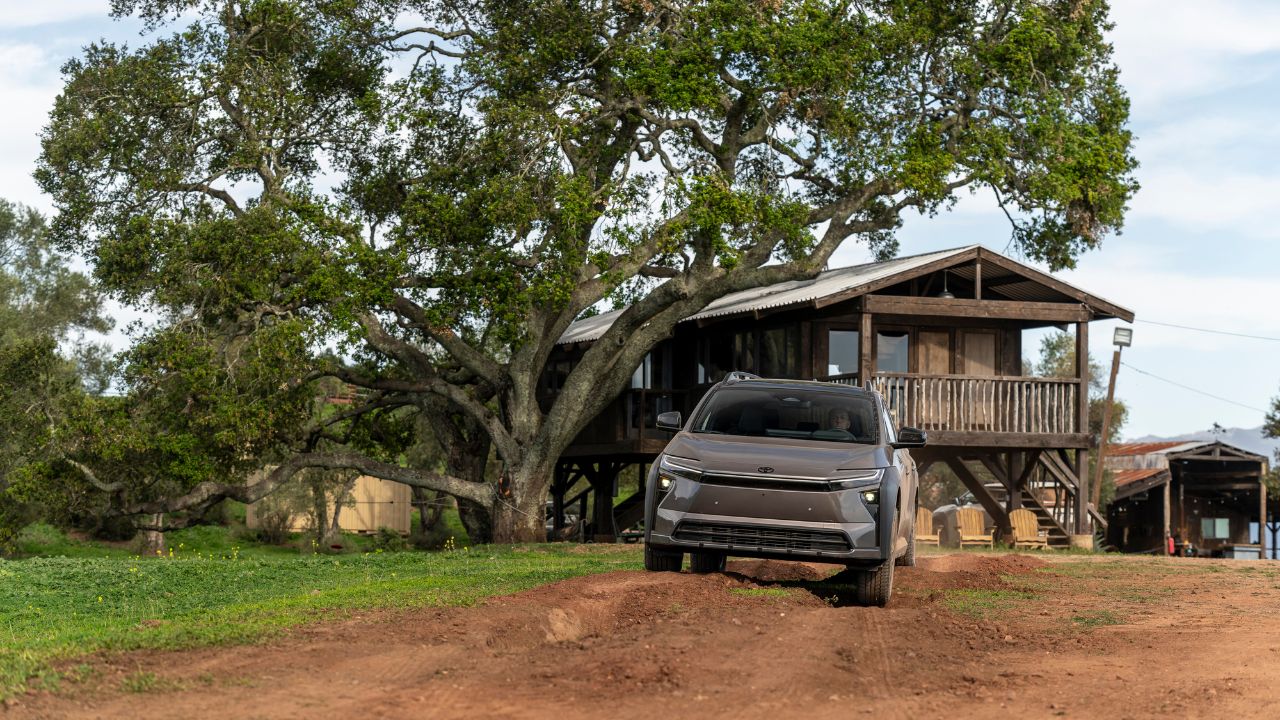
Toyota’s decision to make all wheel drive standard is one of the most important things about the bZ Woodland. It instantly separates this model from the idea of a lifestyle trim built mostly for appearances.
The electric motors sit in the front and rear eAxles, and Toyota pairs that setup with X MODE and Grip Control. X MODE is designed to optimize brake control and power delivery based on road conditions, while Grip Control works at low speeds to modulate motor output and help the driver maintain a steady pace over more difficult surfaces. In plain English, Toyota is telling buyers that this EV should be able to do more than handle a gravel parking lot gracefully.
That off road leaning theme is strengthened by the rest of the chassis and utility story. Ground clearance rises to 8.4 inches, and optional all terrain tires are available on both trims. Towing capacity reaches up to 3,500 pounds, which gives the Woodland a degree of real usefulness that many electric crossovers in this size class still struggle to deliver.
Toyota also highlights the battery’s low placement under the floor and a battery cross framing structure that contributes to overall rigidity and stable handling. That means the Woodland is trying to blend two things at once, electric smoothness on pavement and enough real capability to encourage drivers to take the scenic route with confidence.
Range, Charging, And The Daily Use Question
Power gets attention, but range and charging decide whether an EV actually fits into someone’s life. Here the bZ Woodland lands on a sensible middle ground. Toyota gives the standard vehicle an EPA estimated 281 miles of range, while models fitted with the optional all terrain tires drop to 260 miles. That tradeoff feels honest.
The Woodland offers a tougher image and more trail ready stance, but Toyota makes it clear that capability hardware has an effect on efficiency. Buyers get to choose which version of the vehicle better suits the way they actually drive.
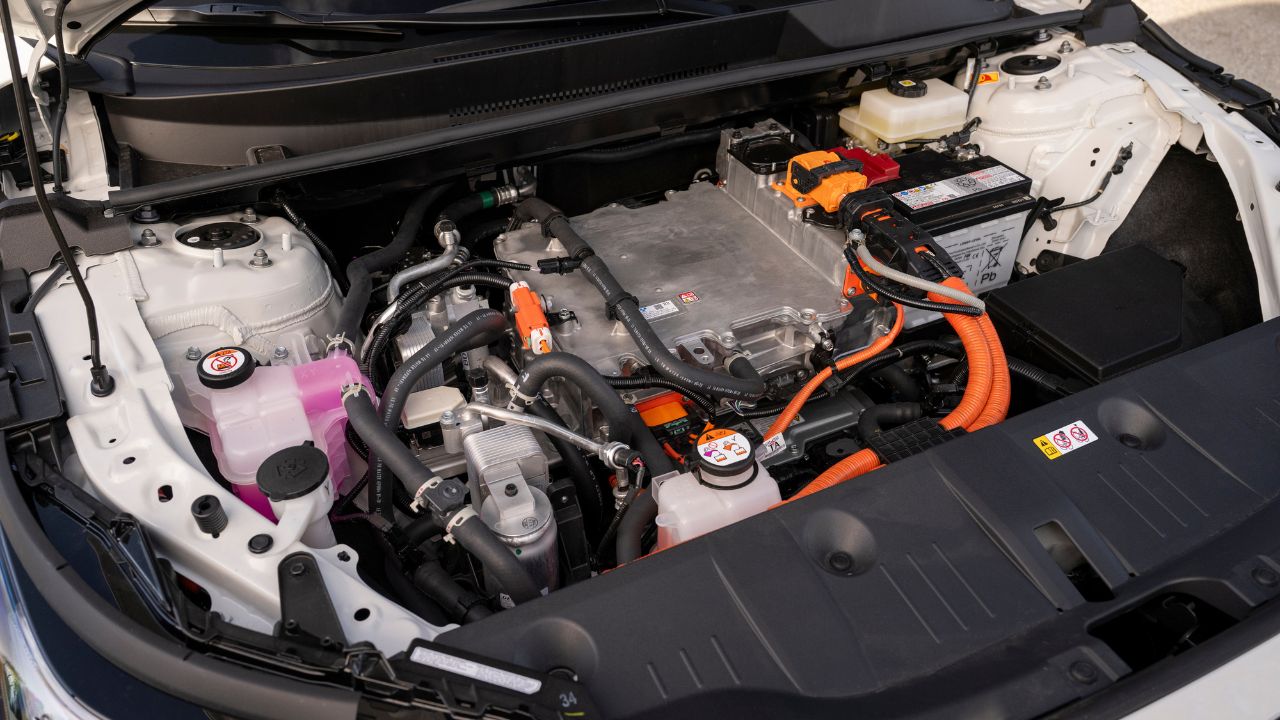
The charging story is stronger than Toyota’s earlier EV efforts. The Woodland uses a 74.7 kWh lithium ion battery and a North American Charging System port, giving it access to a far wider public charging ecosystem in the United States. Toyota says DC fast charging can take the battery from 10% to 80% in around 30 minutes under ideal conditions, and battery pre conditioning is included to help the pack reach the right temperature before a fast charge.
Plug and Charge capability is also part of the package, which simplifies public charging at participating networks. At home, an 11 kW onboard charger and a standard dual voltage 120V and 240V charging cable make the daily routine feel easier and more mature than early generation EV ownership often did.
Bigger Body, Smarter Utility, And A More Rugged Design
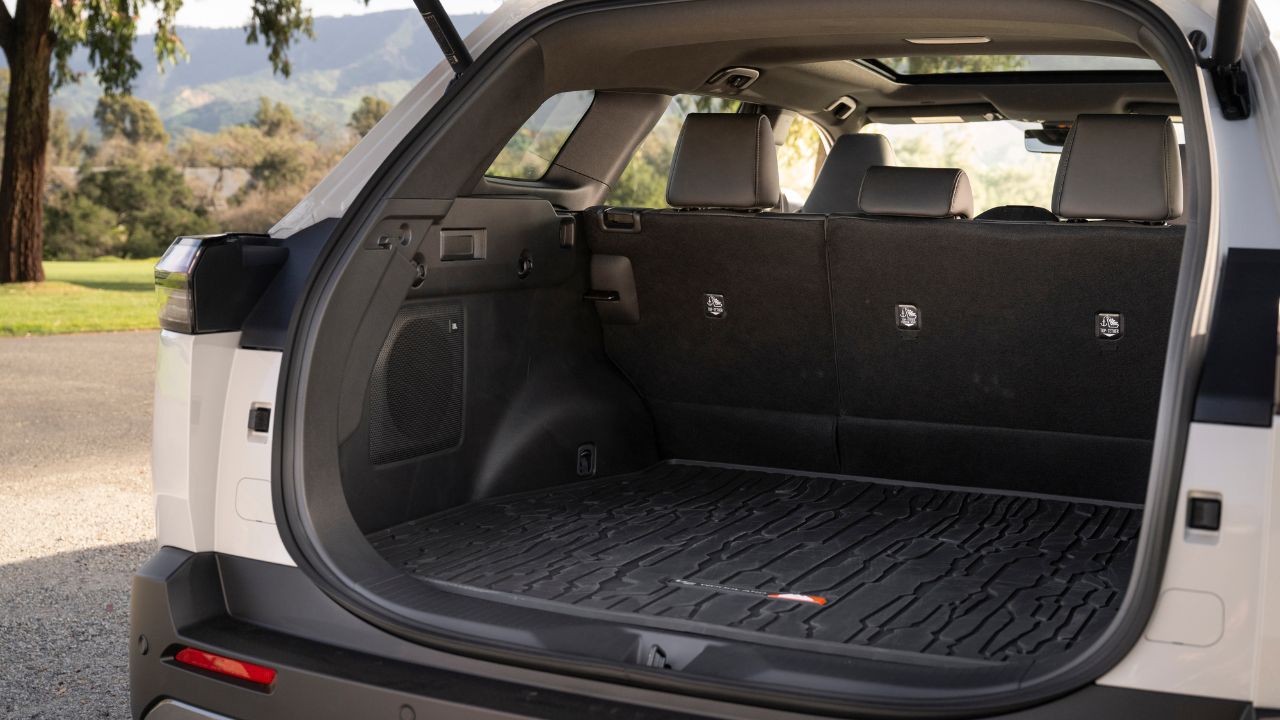
The Woodland works visually because Toyota did more than add a trim badge and call it a day. Compared with the standard bZ, the Woodland gains nearly six inches of additional length and just under an inch of extra rear height. Those changes help give it a more wagon like, adventure leaning profile, and they also create more usable space.
Toyota says storage volume with the second row folded flat rises to 74.3 cubic feet, versus 67.1 cubic feet in the regular bZ. That is a meaningful gain, and it helps explain why the Woodland feels like a separate body style in spirit even if it still belongs to the same family.
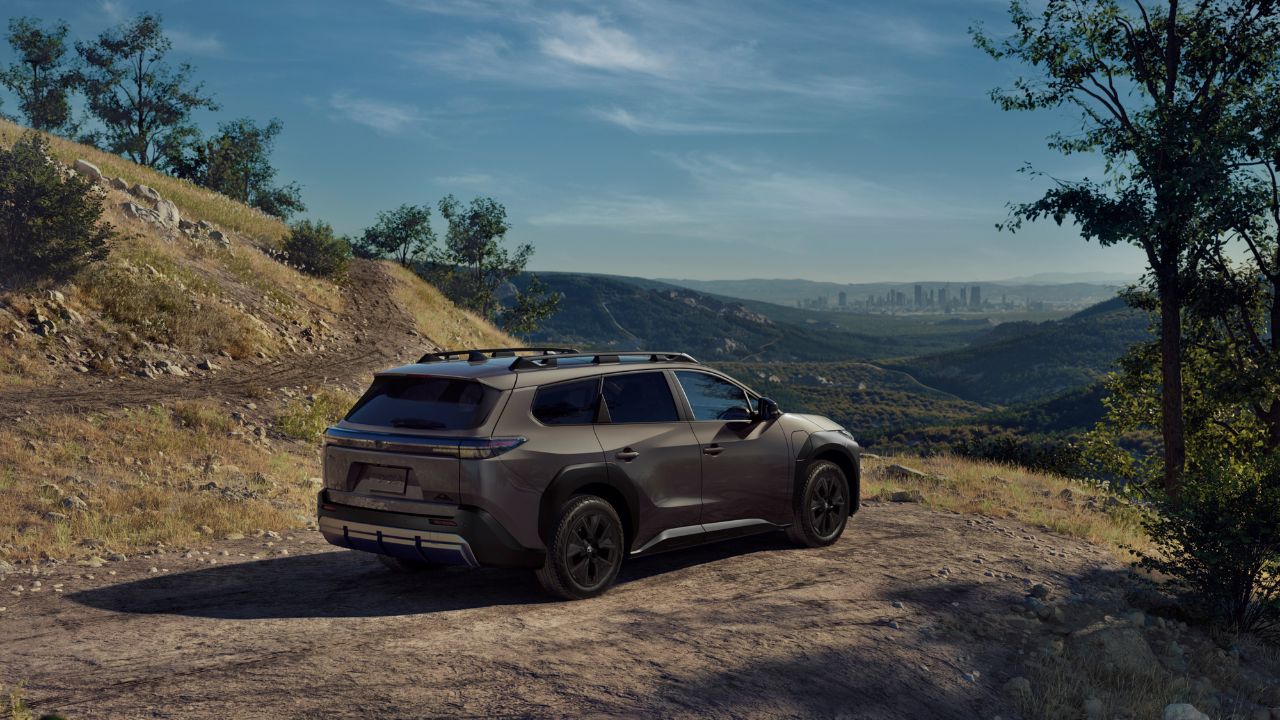
The design details also pull their weight. Toyota keeps the hammerhead front end and full width lighting theme, then adds black overfenders, standard roof rails, and 18 inch wheels with black covers. It sounds simple on paper, but the overall effect matters because many modern EVs still struggle to project toughness without looking forced.
The Woodland’s shape comes across more naturally. It feels like a crossover intended for gear, bikes, muddy shoes, and weekend movement rather than a clean room object polished into abstraction. That shift in tone may be one of the most important things Toyota has done here, because utility is often emotional before it becomes practical.
Cabin Tech And The Difference Between The Two Trims
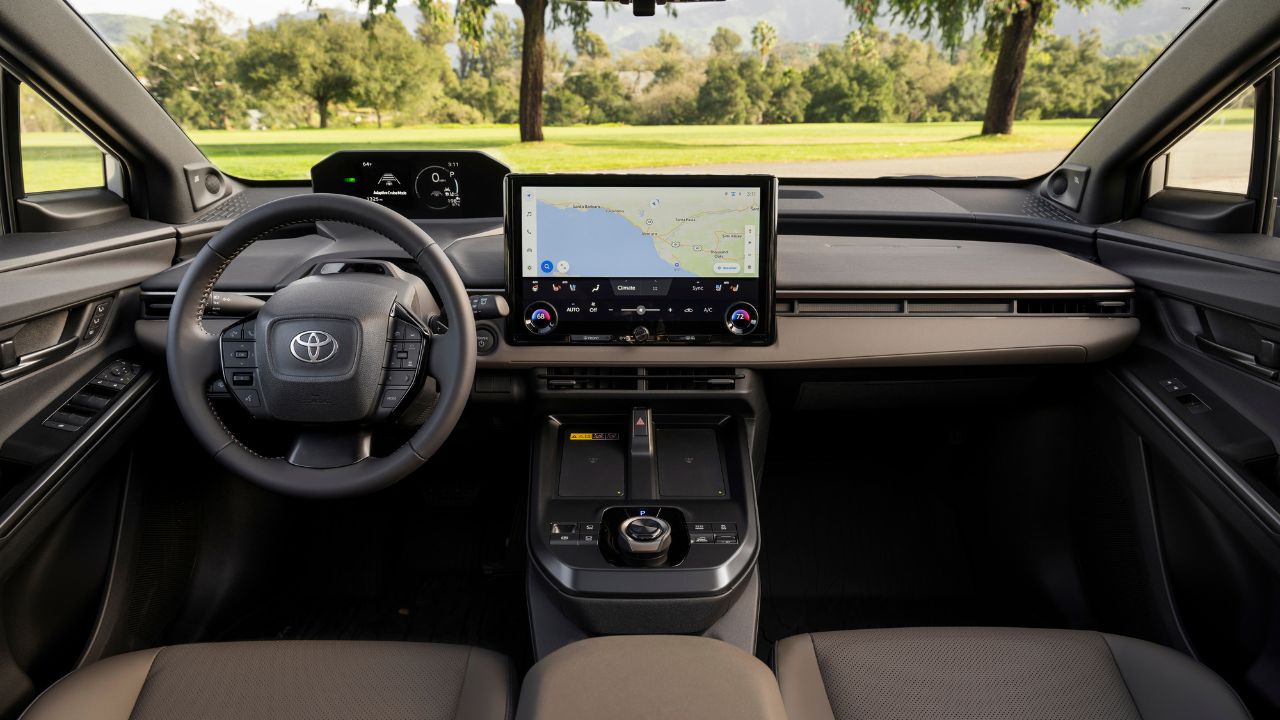
Inside, Toyota has made a smart choice by keeping the standard equipment list strong. The base bZ Woodland comes with a 14 inch Toyota Audio Multimedia touchscreen, dual wireless phone chargers, dual zone automatic climate control, SofTex trimmed seating, eight way power adjustable front seats, a heated steering wheel, heated front seats, and heated outboard rear seats.
Digital Key capability is also included, along with customizable ambient lighting. This matters because vehicles in this price range need to feel finished from the start. Buyers should not have to climb into a higher trim just to get a cabin that feels current and properly equipped.
The Premium trim adds enough to justify itself for buyers who care about comfort and polish. Toyota includes ventilated front seats, front radiant foot and leg heaters, driver seat memory, a digital rearview mirror, a JBL nine speaker audio system with subwoofer and amplifier, and a panoramic fixed glass roof with a power sunshade.
Wireless Apple CarPlay and Android Auto are standard across the line, and Toyota’s connected services suite adds cloud navigation, voice assistant functions, remote climate control, and more through trial subscriptions. It is a thorough package, and it helps the Woodland avoid the trap of feeling rugged but sparse. Toyota clearly wants this EV to be adventurous without giving up the premium expectations that now come with a mid $40,000 electric crossover.
A Toyota EV That Finally Wants To Leave Pavement Behind
The most encouraging thing about the 2026 Toyota bZ Woodland is that it feels like a product with a point of view. Toyota has spent years building a broad electrified lineup through hybrids, plug in hybrids, and fuel cell models, but its fully electric entries have often felt measured rather than memorable. The Woodland changes that tone.
It gives Toyota an EV with genuine pace, a more distinctive silhouette, useful cargo improvements, standard all wheel drive, real towing ability, and a clearer sense of audience. This is the first bZ that feels like it is trying to tap into the same emotional space that made outdoor focused crossovers so successful in the gasoline era.
That does not mean the Woodland needs to conquer a mountain to make sense. Its bigger achievement is more subtle. It makes Toyota’s electric future look broader, more self assured, and more human. It suggests an EV can be practical without feeling clinical, and capable without pretending to be a rock crawler.
In a segment crowded with clean shapes and similar promises, that is a valuable identity to have. The 2026 bZ Woodland may end up being remembered for its 375 hp headline, but the deeper story is that Toyota has finally given one of its EVs a lifestyle, a purpose, and a little bit of dirt under its fingernails.