
Adventure travel looks wonderfully free on a screen, then starts charging you for optimism in real life. The biggest budget wounds usually come from small mistakes: the wrong ID at the airport, a bag fee you forgot to price in, a payment terminal that “helpfully” converts currency, or a permit you assumed you could sort out later. Modern travel is still fun, but it has become strangely skilled at nibbling wallets from six directions at once.
The smartest prep now does two jobs at once. It cuts costs and lowers the odds of a stupid, preventable disruption, whether you are flying abroad, driving to a national park, or heading somewhere remote with hiking boots and questionable confidence. The best tips are not glamorous, which is precisely why they work. A little paperwork, a little research, and a little suspicion toward “convenient” add-ons can save more money than people expect.
1. Handle the Boring Rules Before You Book Anything Nonrefundable

Start with entry requirements, health notices, and local rules, not the romantic part of the itinerary. The U.S. State Department says you should review the current Travel Advisory, entry requirements, local laws, and destination-specific embassy guidance before going abroad, and it also recommends enrolling in STEP so embassy alerts reach you while you are away. CDC destination pages and Travel Health Notices add another layer, covering vaccines, outbreaks, and destination-specific medical risks that can quietly wreck an otherwise well-planned getaway.
For U.S.-based flyers, domestic air travel has its own administrative trap now. TSA says that state-issued driver’s licenses and IDs that are not REAL ID-compliant are no longer accepted for airport screening, although passports and other acceptable IDs still work. Travelers without acceptable identification may have the option of using TSA ConfirmID, and the agency says the service carries a $45 fee for a 10-day travel period. That is a ridiculous amount of money to pay for losing a paperwork game you could have won at home.
2. Pack Like Airlines and Checkpoints Are Waiting for You To Improvise Badly

Packing light still matters because airlines keep monetizing clutter. The Department of Transportation says extra airline charges such as checked-bag fees and other ancillary fees can add significant cost to what first looked like a cheap ticket. DOT’s consumer guidance also treats checked baggage, carry-ons, advance seat selection, and meals as optional ancillary services that can materially change the total price of flying. A carry-on-first strategy will not fit every trip, but it remains one of the simplest ways to stop a cheap fare from turning into a costume with hidden fees sewn into it.
At the same time, do not pack so cleverly that you create new problems. TSA says medically necessary liquids can go in carry-on bags in excess of the usual size limit if you declare them, and FAA guidance says spare lithium batteries and power banks must stay in carry-on baggage rather than checked luggage. That leads to a useful rule: keep the irreplaceable and regulated items where you can reach them, not buried in the suitcase that may disappear into the conveyor-belt abyss.
3. Let Payment Terminals and Ticket Sites “Help” You as Little as Possible

One of the sneakiest travel markups now lives on the card reader itself. Visa says Dynamic Currency Conversion lets merchants or ATMs bill you in your home currency, but that option usually includes an exchange-rate markup or additional fees. Visa’s own advice is clear that you should be shown a choice and can decline the conversion. The terminal will often present the home-currency option like a favor from a polite robot. It is usually not.
Ticketing has its own swamp. The Anne Frank House says tickets are available only through its own website and are released every Tuesday at 10 a.m. CET for visits six weeks later. The Vatican Museums warn that only their official portal handles online ticket sales and that lookalike websites may charge significantly higher prices. Primary booking pages are often less flashy than resellers, but that is because they spend less energy dressing up the mugging.
4. Treat Passes, Permits, and Timed Entry as Part of the Trip, Not a Footnote
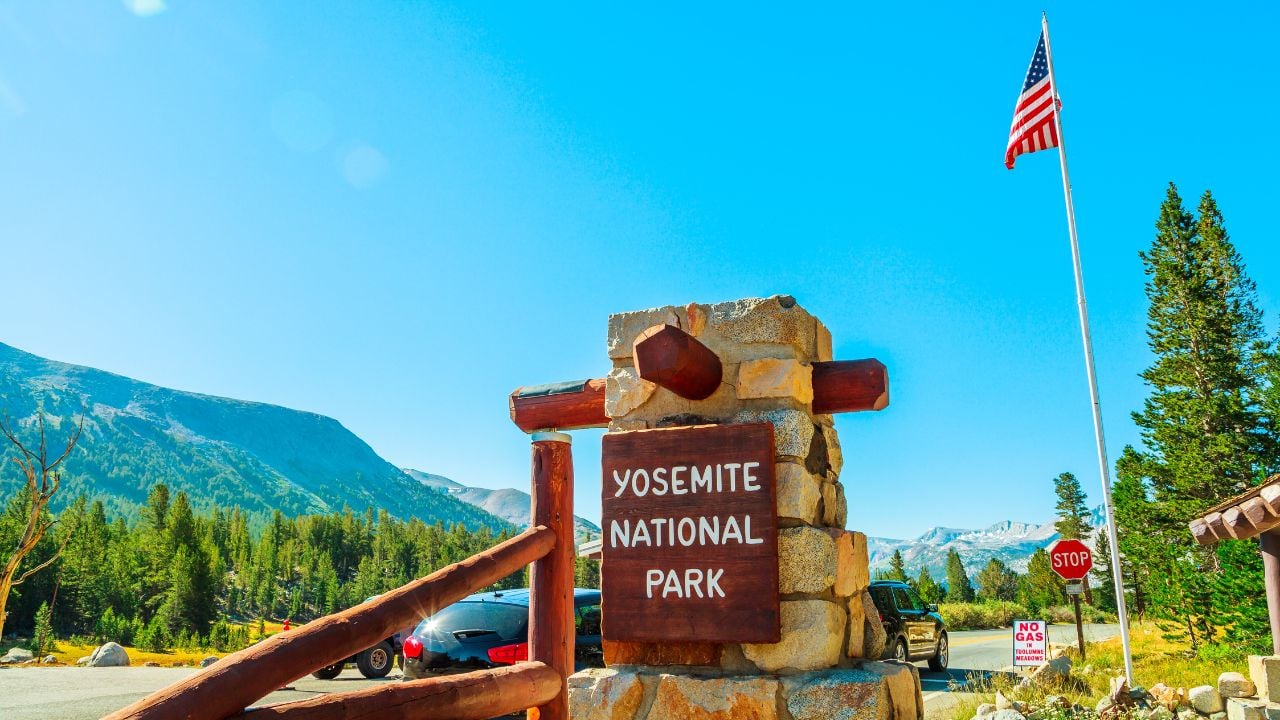
Outdoor travel now runs on reservations more often than many people realize. The National Park Service explains how entrance fees, park-specific passes, and the broader America the Beautiful pass system work across federal recreation sites. For people planning several fee-based public-land stops, comparing single-site charges with a broader pass can save real money.
That said, a pass is not a magic key to everything. At some parks, timed-entry reservations are required in addition to the entrance fee or park pass. NPS makes that explicit on current timed-entry pages such as Arches National Park, where the reservation is separate from the entry fee or pass. This is where official reservation pages beat vibes every single time.
5. Spend a Little on Protection Before a Big Problem Spends a Lot on You
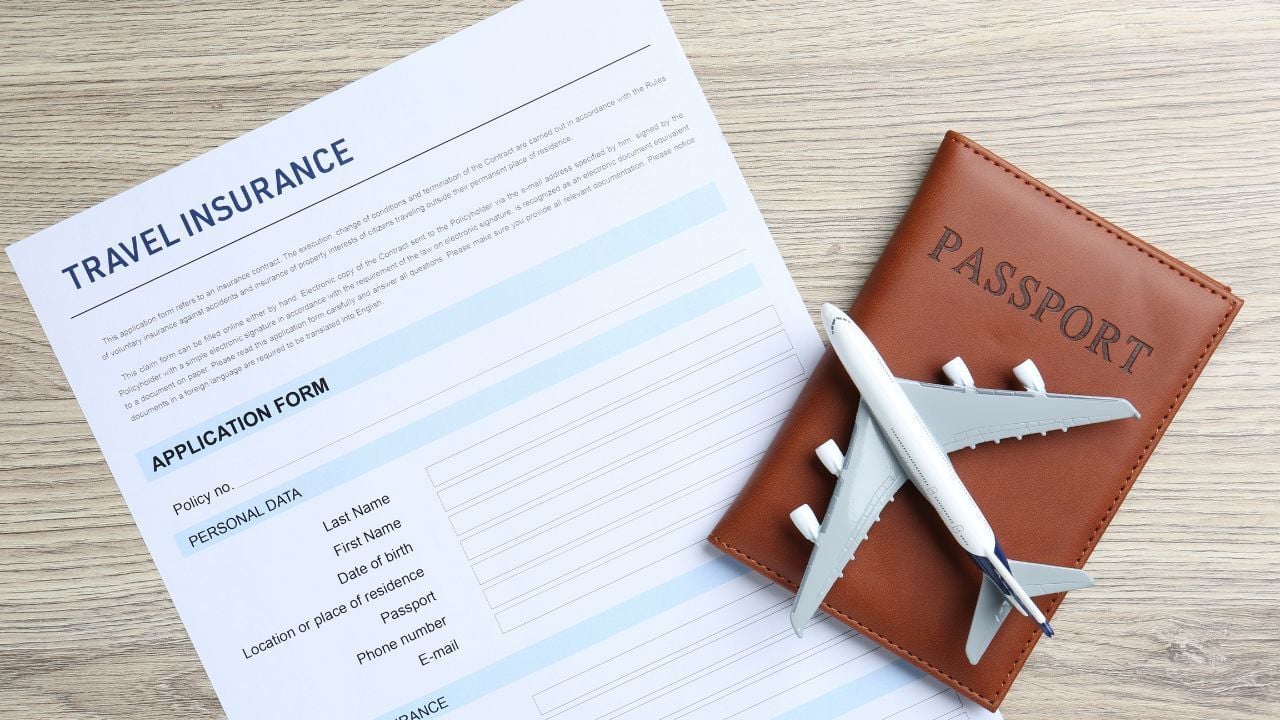
Insurance is the least exciting good decision in travel, which is why people dodge it until reality starts throwing elbows. The State Department’s adventure-travel guidance says evacuation for medical treatment can cost more than $100,000 and strongly recommends medical evacuation insurance, especially for remote or higher-risk trips. It also notes that most hospitals and doctors abroad do not accept U.S. health insurance, and that Medicare and Medicaid generally do not cover expenses overseas. That number has a neat way of turning “I’ll risk it” into “I have made a tactical error.”
One more unglamorous habit pays for itself fast: back up your paperwork. The State Department’s international travel checklist says to make multiple copies of required travel documents, keep one set separate from the originals, give another to someone you trust, and store photos on your phone. It also reminds travelers to review local laws abroad, because mistakes can lead to fines, deportation, or worse. A few minutes of prep can save money, time, and a truly rancid vacation story.