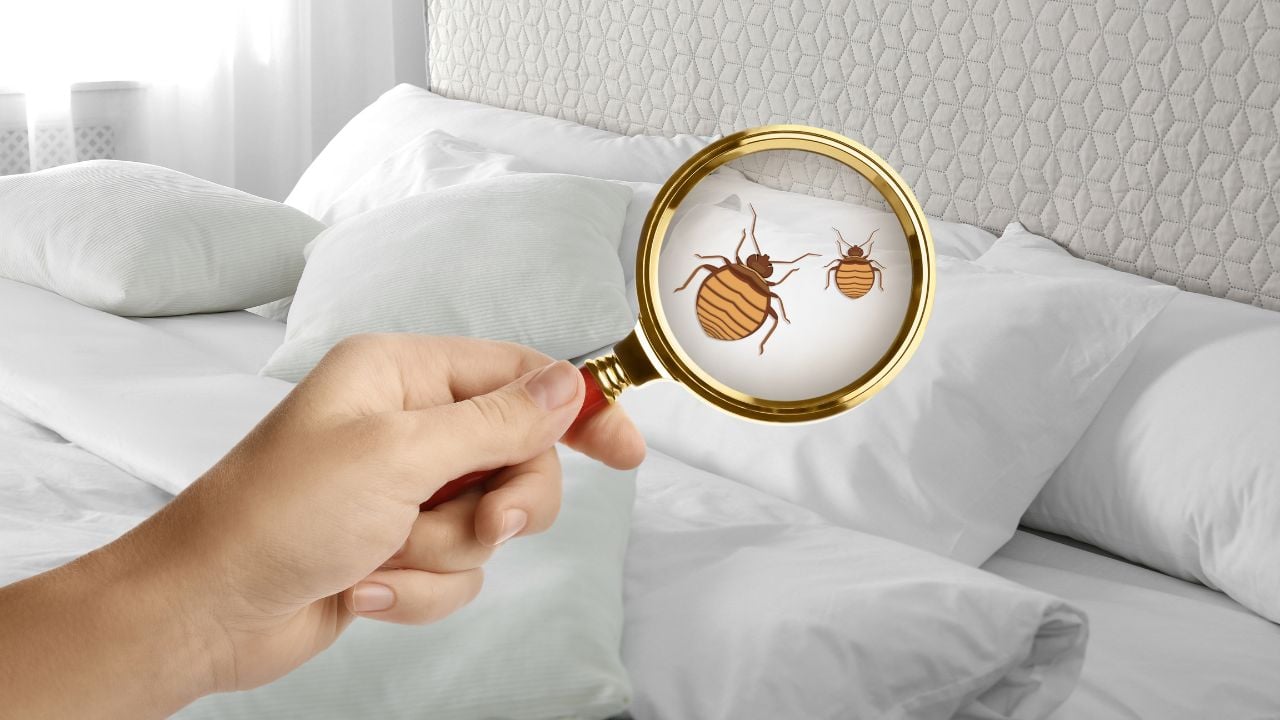
The headline has a real source behind it, but it needs one careful adjustment before anyone starts picturing a coast-to-coast hotel horror reel. The phrase “bed bug boom” comes from Terminix’s 2025 annual list of the top 50 most bed bug-infested U.S. cities, based on 2024 service data from more than 300 branches nationwide. Terminix said the results showed a notable rise in activity, with cities in Ohio, Texas, Florida, California, and Pennsylvania heavily represented.
That said, this is not a hotel-only ranking, and it is not a federal tally of where travelers are most likely to encounter bed bugs. Terminix’s list tracks where the company performed service, while Orkin’s separate 2025 ranking used its own treatment data and produced a very different order, with Chicago at No. 1 and Philadelphia much lower. The broader point still holds: bed bugs remain a real travel concern, but these city lists measure metro-area pest activity, not a tidy ranking of which hotel lobbies are secretly cursed.
1. Philadelphia Tops This Version of the Map

On the Terminix list, Philadelphia claimed the top spot for the second straight year. New York City ranked second, Cleveland-Akron third, Los Angeles fourth, and Dallas-Fort Worth fifth, followed by Atlanta, Houston, Washington, D.C., San Francisco-Oakland-San Jose, and Indianapolis. If that top 10 feels clustered around dense, heavily traveled metro areas, that is because it is.
On Orkin’s 2025 list, Chicago held the No. 1 spot, followed by Cleveland, Detroit, Los Angeles, Indianapolis, Washington, D.C., Grand Rapids, Columbus, Champaign, and Milwaukee. Philadelphia fell to No. 25 and New York to No. 15 on that ranking, which is a useful reminder that these are company-specific treatment snapshots rather than one definitive national scoreboard. That does not make them meaningless. It just means they should be read carefully.
2. Travel Helps Spread Them, but It Is Not the Only Reason

Terminix tied the surge to increased travel, urban density, and housing conditions. That framing makes sense, because bed bugs move by hitchhiking in luggage, overnight bags, folded clothes, bedding, and similar belongings rather than by any dramatic march across a city. They are excellent stowaways, which is a terrible trait in a travel context.
Federal guidance backs that up. The CDC says people who travel frequently and share living and sleeping space where others have previously slept are at higher risk, and it notes that bed bugs spread through seams and folds of luggage, clothing, bedding, and other belongings. EPA’s travel advice tells people to inspect the room, check the mattress and headboard, inspect the luggage rack, and keep bags off the bed and floor.
3. Hotels Are Part of the Story, but Not the Whole Story

The travel angle is fair, though it can be oversold. The CDC says bed bugs can turn up in five-star hotels and resorts, and cleanliness alone does not determine whether they are present. The agency also notes that infestations can happen in hotels, cruise ships, buses, trains, dorm rooms, shelters, apartments, and houses. That matters because the bug follows people and sleeping areas, not one single type of property.
Research from the University of Kentucky makes the distinction even clearer. In a study on hotels and travelers, researchers noted that infestations are most common in homes and apartments, even though 75 percent of U.S. pest-management professionals reported finding bed bugs in hotels and motels. So the hotel warning is legitimate, but the city rankings should still be read as a broader urban pest picture rather than a direct league table of doomed room keys.
4. Guests React Strongly, Even When Many Cannot Identify the Bug

One reason these stories get attention is that bed bugs produce an unusually intense reaction from travelers. A University of Kentucky survey summarized by the Entomological Society of America found that 60 percent of U.S. travelers would switch hotels if they found evidence of bed bugs in a guest room. That reaction was stronger than the response to other room problems, including signs of smoking or dirty towels or linens.
The slightly maddening wrinkle is that many travelers are not very good at spotting the insect itself. The same survey found that just 35 percent of business travelers and 28 percent of leisure travelers could correctly identify a bed bug in a lineup of common insects. People fear the creature intensely, which is understandable, while often lacking the recognition skills to play entomologist with much confidence.
5. The Smartest Takeaway Is Caution, Not Panic

Bed bugs are miserable, but the public-health picture needs a little precision. The CDC says bed bugs are not known to spread diseases to people, though bites can cause itching, loss of sleep, and, in rare cases, allergic reactions. The EPA similarly describes them as a pest of significant public health importance even though they are not known to transmit disease.
For travelers, the practical playbook is fairly simple. The EPA says to inspect the room before settling in and to use the luggage rack instead of the bed or floor. When you get home, unpack directly into the washing machine, dry clothes at high heat, and store suitcases away from the bedroom. AHLA says hotels emphasize proactive measures such as regular inspections and monitoring, and its fact sheet advises guests to check mattress seams, headboards, and nearby furniture before unpacking. That will not make travel bug-proof, but it does reduce the odds of bringing home the world’s least welcome souvenir.