What makes something iconic in film and television? From a character to a moment or significant object, the most iconic things stand out visually and thematically. When it comes to the seminal automobiles of film, these vehicles have become a part of our collective consciousness.
Some of these cars have multiple iterations being a part of a popular franchise, while others remain a singular element in our minds. Likewise, these vehicles will spring to mind equally iconic music and moments that live rent-free in our heads. Indeed, the most iconic cars of TV and Movies remain an indelible part of entertainment history and culture.
1. Back to the Future’s Delorean
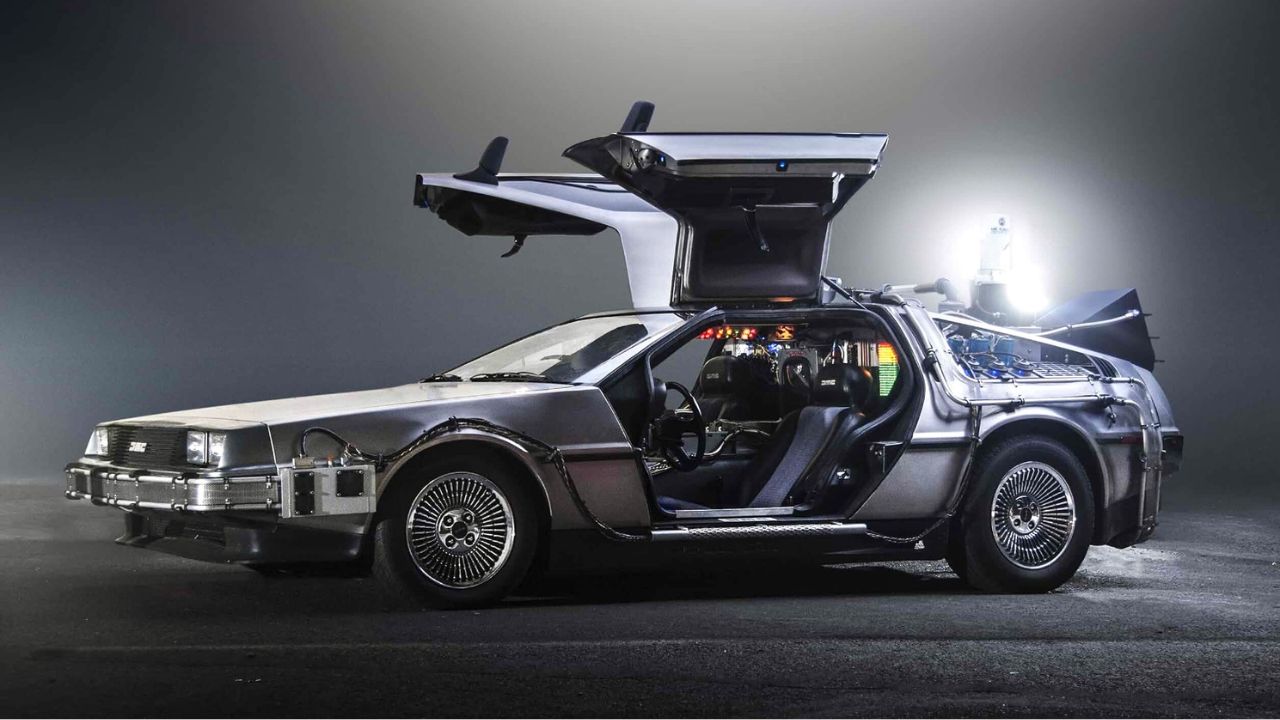
When Director Robert Zemeckis and Screenwriter Bob Gale created Back to the Future, they did something few have ever done. They took a gimmicky, borderline odd car of the 1980s and turned it into an icon. Not only that, they added a component that makes it one of the most unique in film history- time travel.
As Doc Brown (Christopher Lloyd) says in the film, “If you’re going to build a Time Machine into a car, why not do it with some style?” As a result, if someone mentions a DeLorean, audiences will automatically think of Alan Silvestri’s score, the flux capacitor, and Marty McFly going 88mph to travel through time.
No other automobile comes close to Back to the Future’s iconic status, so much so that it’s become something of a status symbol to collect, recreate, or step into this “out of time” car.
2. Batmobile
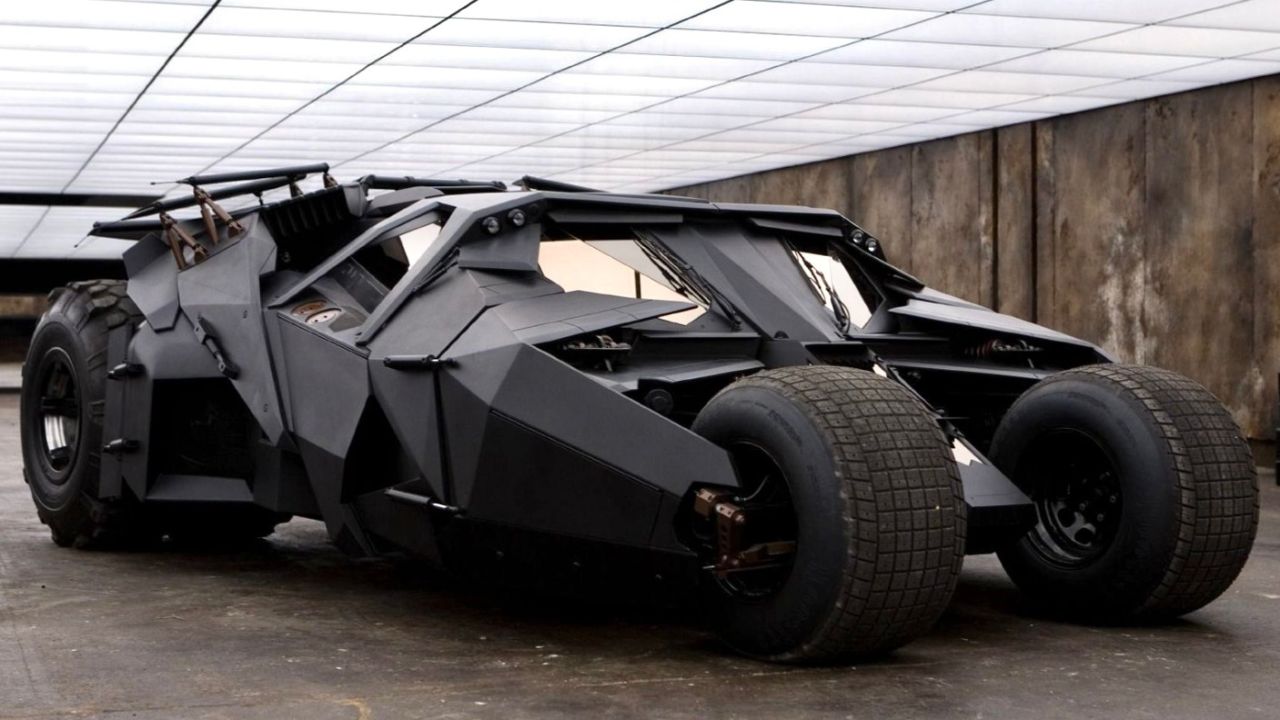
If there’s one car that could compete with the DeLorean’s status, it would be the Batmobile. Originating in the Batman comic books in 1939, the Batmobile has undergone numerous transformations and iterations, with its first on-screen appearance in the 1966 television series. This Batmobile was a 1955 Lincoln Futura, featuring an array of gadgets, including a telephone, lasers, a police beacon, and the ability to turn 180 degrees quickly, all of which matched the zany tone of the series.
Throughout the years, the Batmobile has evolved into sleeker, darker models with even more sophisticated devices, particularly in Tim Burton’s Batman (1989) and Batman Returns (1992) and Christopher Nolan’s Dark Knight Trilogy (2005-2012). The latter, especially, allowed the driver to change seat positions, offering unprecedented flexibility and protection.
No matter which Batmobile is your favorite, they each maintain that undeniable cool factor and unmistakable imagery.
3. Ghostbusters Ecto-1
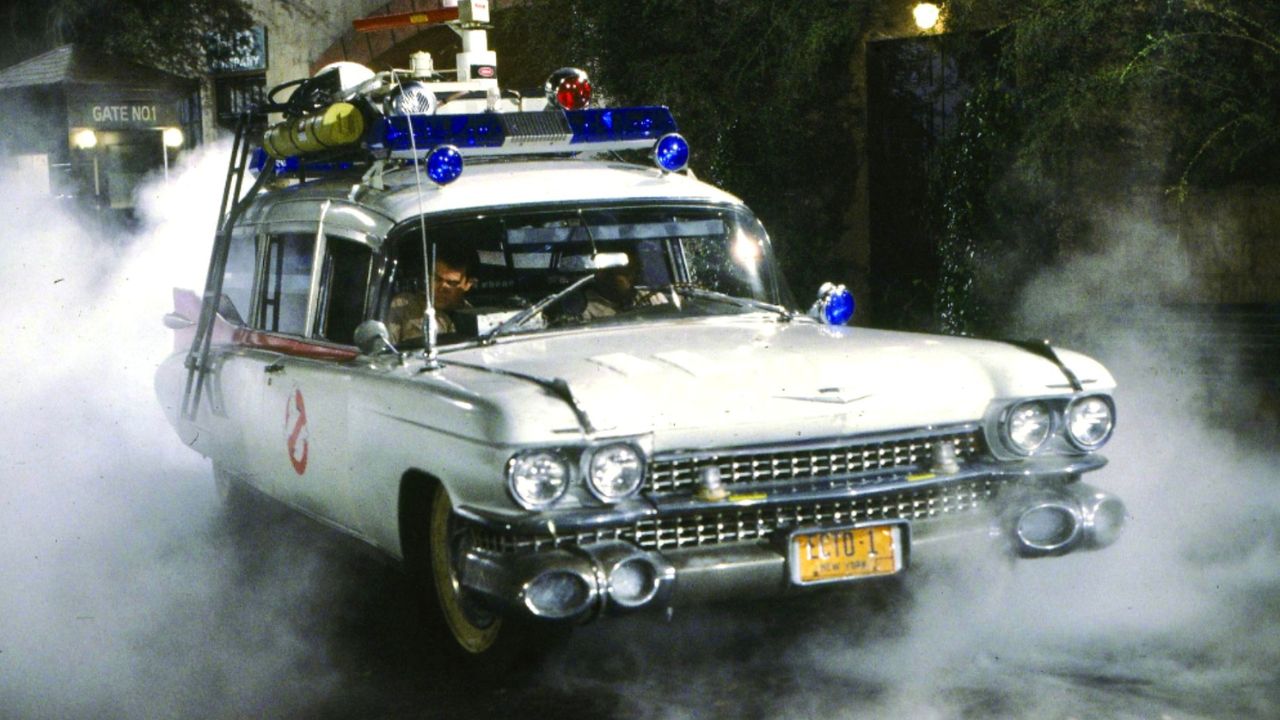
If someone utters the phrase, “Who you gonna call?” nine times out of ten, the response will be “Ghostbusters.” That one person who doesn’t, no doubt, live under a rock. Everyone else will instantly hear Ray Parker’s song in their mind and see any number of Ghostbusters answering the call and driving through New York City in their Ecto-1 car.
The Ecto-1, also known as the Ectomobile, is a 1959 Cadillac professional chassis and ambulance/hearse combination. In the 1984 original Ghostbusters, Peter Venkman, Ray Stantz, Egon Spengler, and Winston Zeddmore used it to travel from one “ghost-busting” job to the next, with enough space for their proton packs and other equipment. In 2024’s Ghostbusters: Frozen Empire, the car received a few upgrades, notably a “gunner’s chair.”
All in all, the image of the Ecto-1 has become synonymous with the Ghostbusters franchise, so much so that one cannot exist without the other.
4. Herbie, the Love Bug
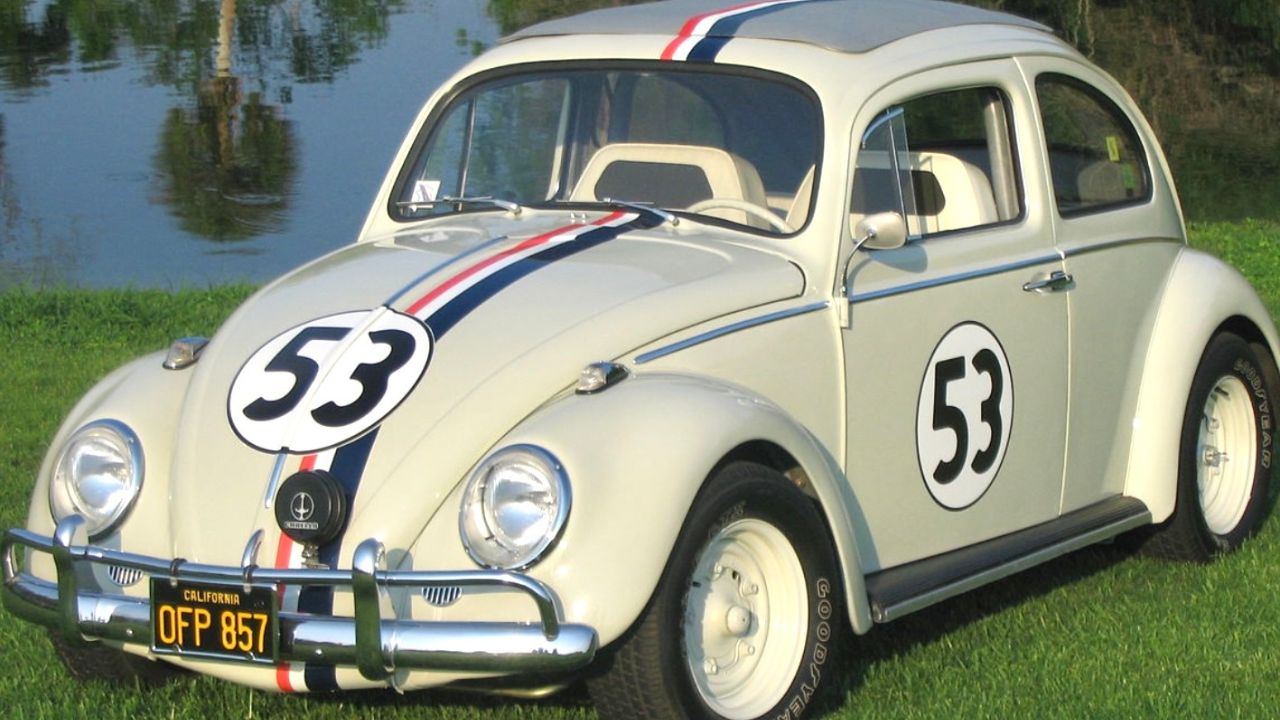
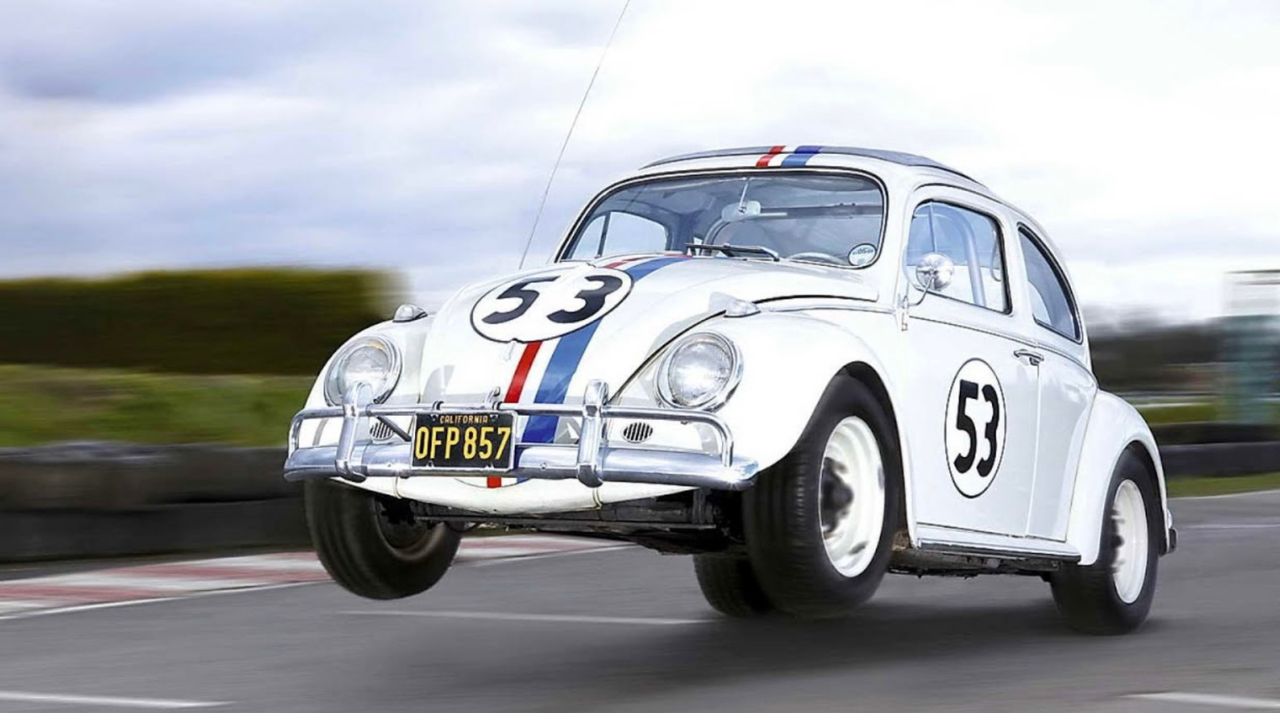
Debuting in the 1968 film, The Love Bug, Herbie stands out for myriad reasons that make this little car iconic. Visually, this white VW bug is characterized by its red, white, and blue stripes and number 53 on the hood and doors.
Of course, Herbie stands out because he’s not merely a car. Herbie is essentially alive, with a mischievous personality and surprising vulnerability. The ability of this car to express moments of sadness, despair, excitement, and cheekiness remains a remarkable feat. Audiences fell in love with Herbie, not just as a car but as a character.
5. The Mystery Machine
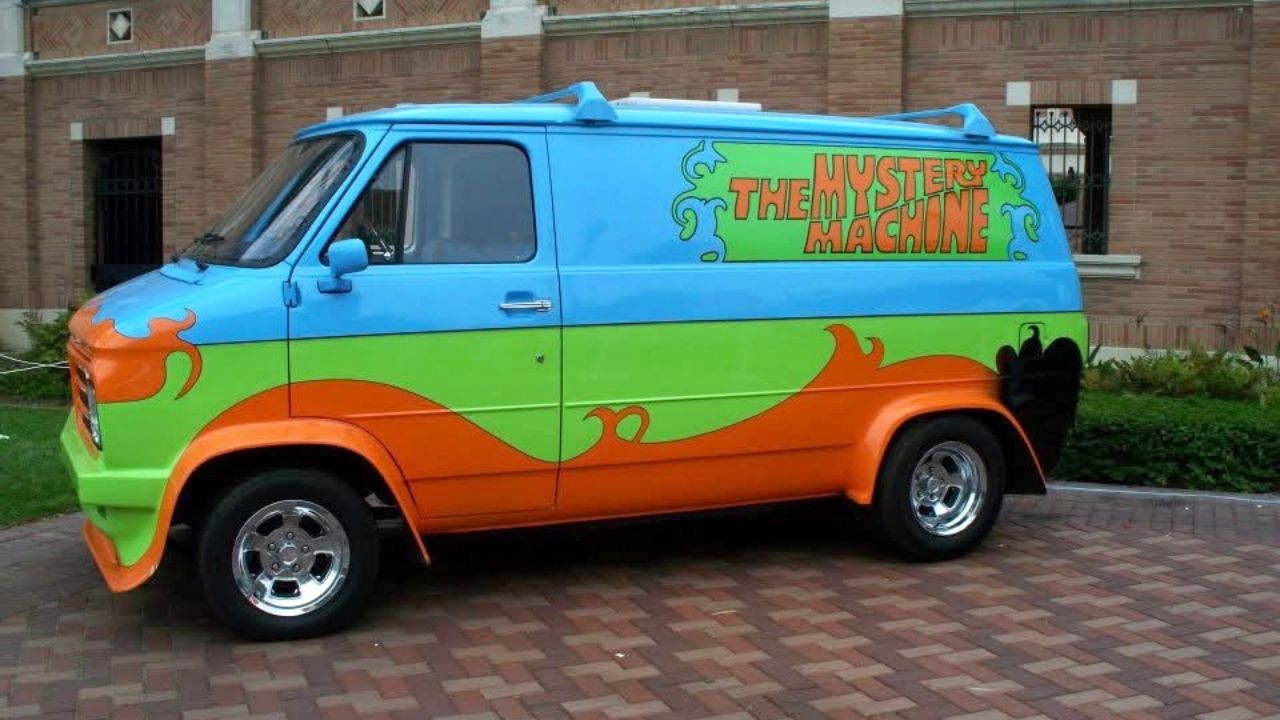
Much like other vehicles on this list, viewers automatically associate anything Scooby-Doo with their trusty, brightly colored van, appropriately named The Mystery Machine. In both the cartoon series and live-action films, the Mystery Machine is painted blue, green, and orange, with large orange flowers or swooshes, and its name in large letters.
With no official model, Autoweek.com says the van could be either a mid-60’s Chevy, Dodge A100, or Ford Econoline. Despite this, because of the outward design, The Mystery Machine is instantly recognizable, and known by even those with little knowledge of Scooby-Doo. For fans, it remains a piece of iconographic imagery, reminiscent of a fun, psychedelic era.
6. Knight Rider’s K.I.T.T.
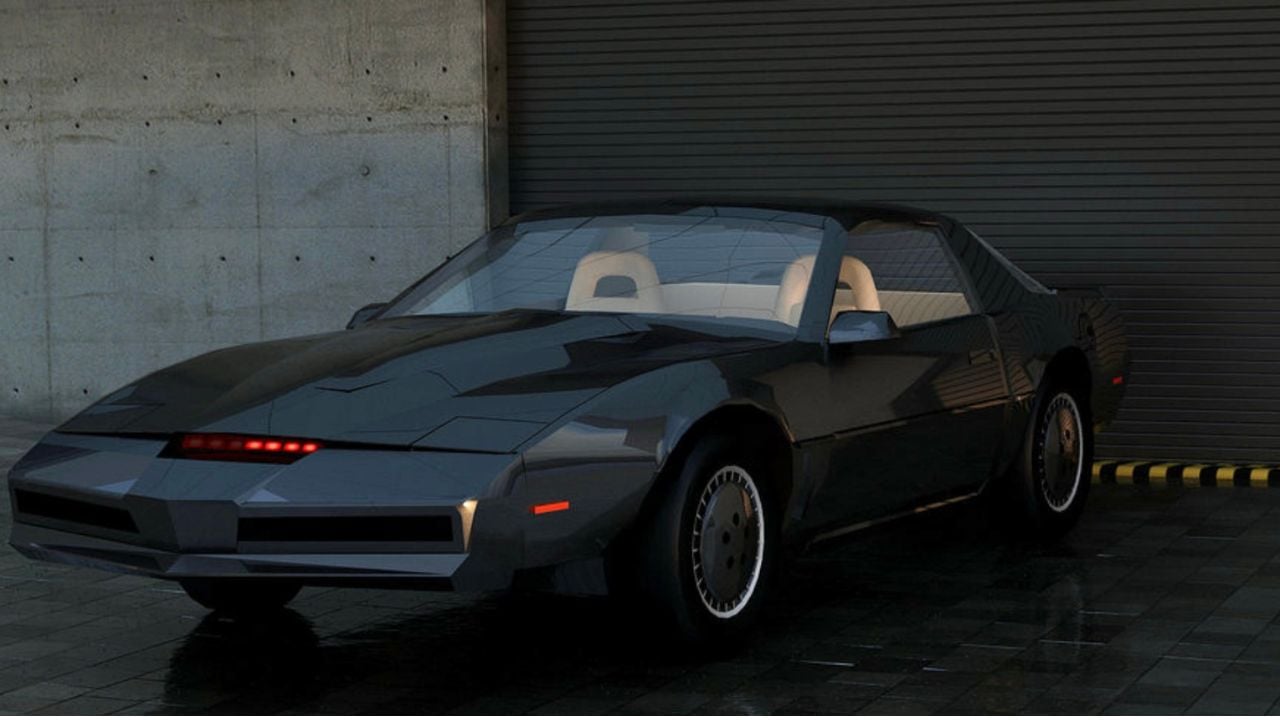
Although it may amuse some today, in the 1980s, no other car seemed as cool and state-of-the-art as Knight Rider’s K.I.T.T., or Knight Industries Two Thousand. In the series that ran from 1982 through 1986, K.I.T.T was the artificial intelligence module (voiced by William Daniels) inside the modified 1982 Pontiac Trans Am.
Along with its iconic theme song, K.I.T.T. became synonymous with a sense of innovation, edge, and excitement. Unlike Herbie, this personality comes from invention rather than otherworldly magic, making it ever relatable in today’s A.I. age.
7. Chitty Chitty Bang Bang
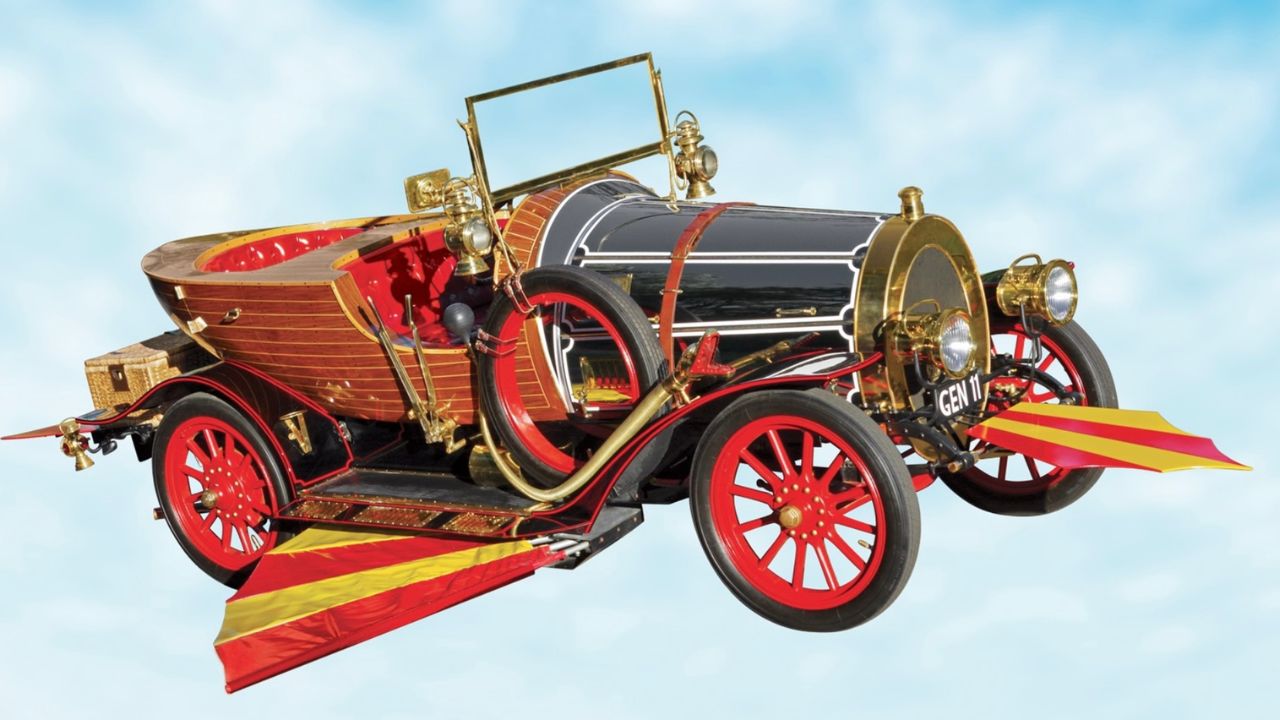
Another car that audiences instantly know for its appearance, personality, and music, Chitty Chitty Bang Bang makes the oldest type of car on this list, but one of the most fun and unique. In the 1968 musical film, based on the children’s book by Ian Fleming, inventor Caractacus Potts takes the remains of a 1908 race car, specifically a Ford Granada, and restores and transforms it into the classic beauty with surprising magical qualities.
The car gets its name from the sound the engine makes, while Potts and his two children make up a song of the same name. Chitty can turn into a boat and fly, but it’s the car itself that remains an iconic turn-of-the-century-esque symbol of whimsy. Several were made for the film, as well as subsequent replicas. Notably, the screen used, road-worthy Gen-11 is owned by director Sir Peter Jackson.
8. The Munsters “Koach”
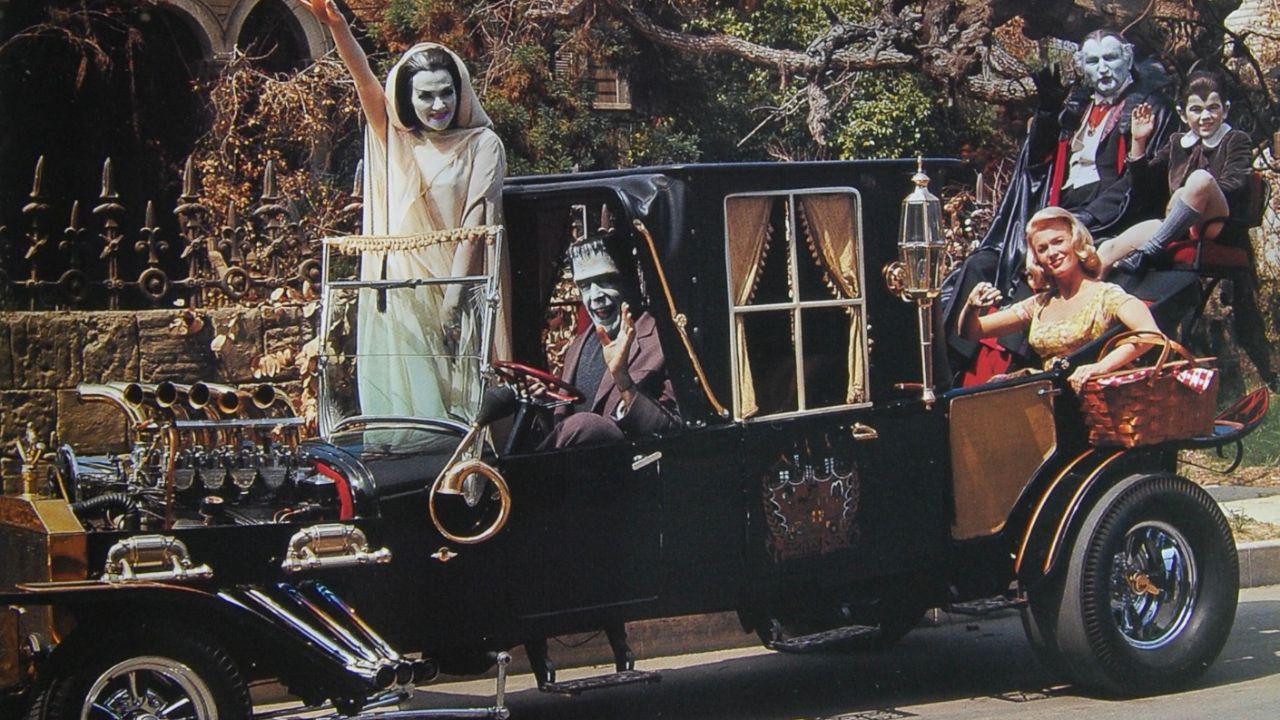
Much like the characters in this quirky 1960s sitcom, no one would mistake the Munsters “Koach” as being from any other series. And much like its theme song, fans know it the minute they see it.
In the series, the Munster family car was created as a gift from Lilly to her husband, Herman, for his 114th birthday. It combined a T-Bucket roadster with a 1920s hearse and was made by car designer George Barris in only 21 days.
Characterized by its black pearl finish and blood red velvet interior, the Munster Koach evoked the macabre but zany style of the show, appearing in numerous episodes and the film, Munster, Go Home (1966).
9. Steve McQueen’s “Bullitt” Ford Mustang GT Fastback
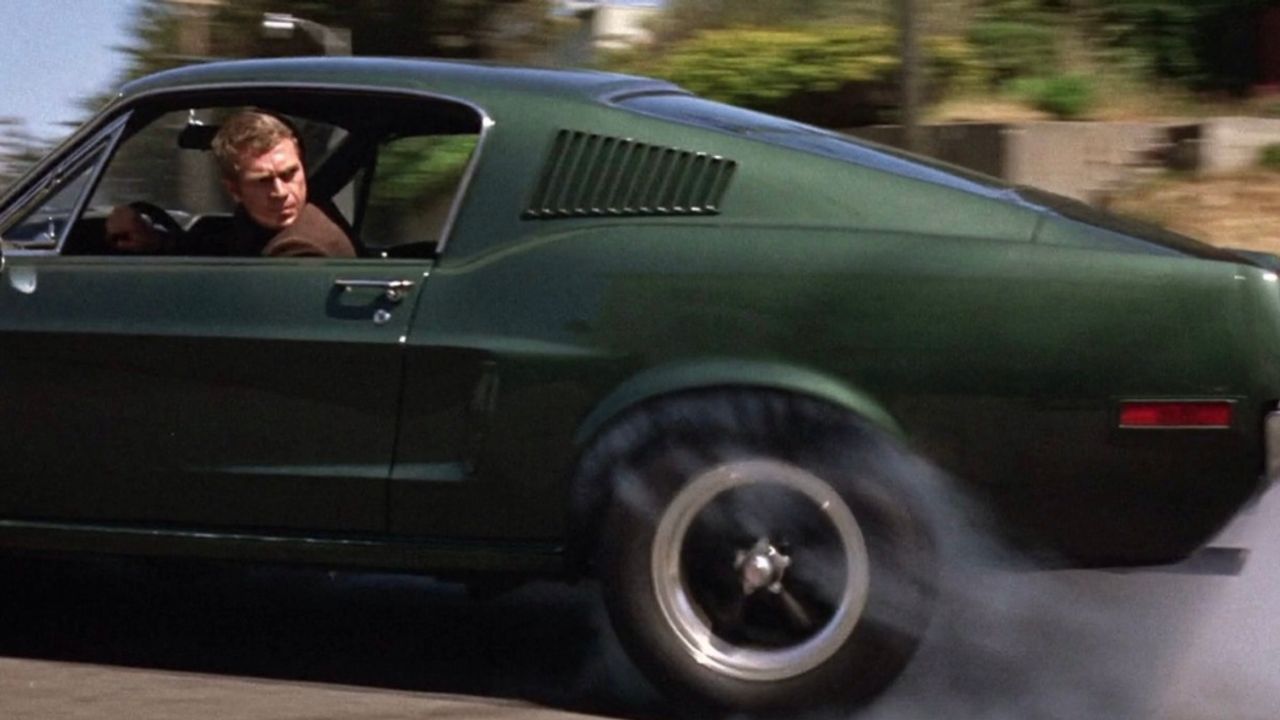
In the 1968 film, Bullitt, the undeniable “King of Cool” and Hollywood icon elevated that seminal status with his character’s equally cool car. Bullitt is a Ford Mustang GT Fastback, but what really stands out is the green color that allows it to pop on screen.
Additionally, McQueen’s and Bullitt’s coolness factor is not merely a result of appearances but due to the thrilling use of the vehicle in the film. The movie’s climactic 10-minute car chase utilizes sound and unique camera perspectives to create a spectacular visual experience, cementing this vehicle in cinema history.
10. Magnum P.I.’s Ferrari
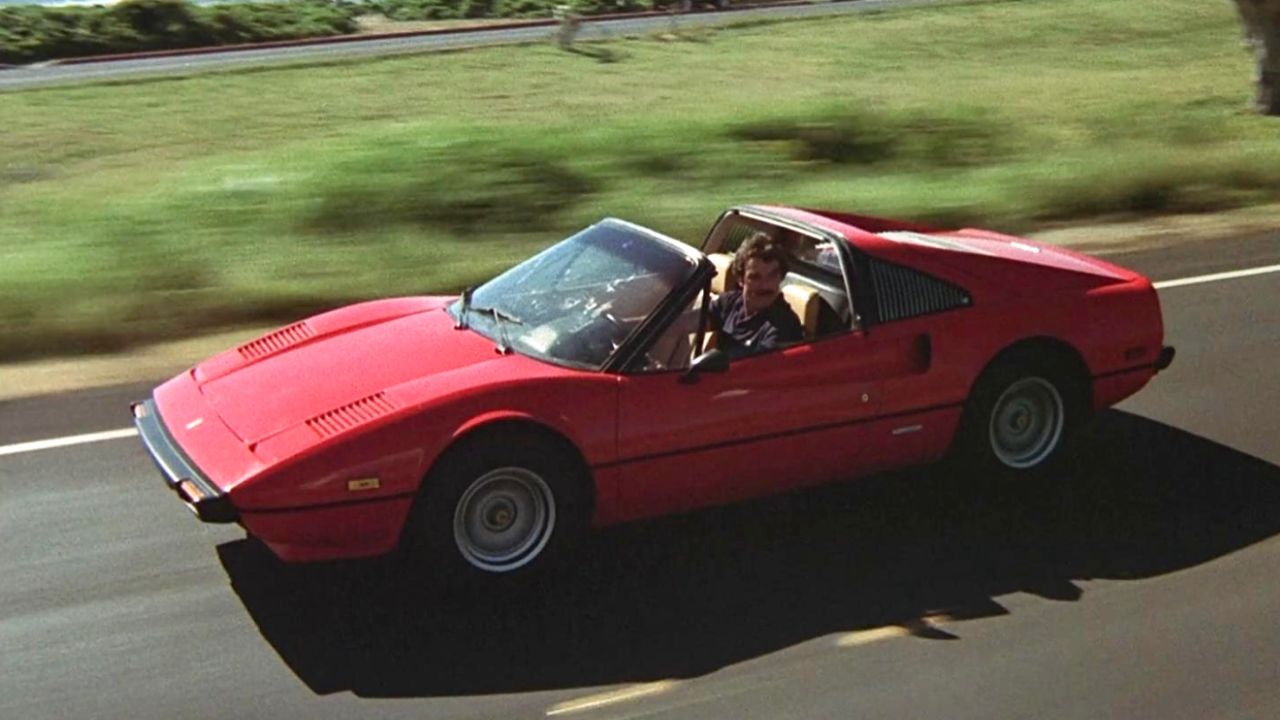
In the 1980s series, Magnum P.I., Tom Selleck created an iconic character defined by his mustache, trademark Hawaiian shirt, Detroit Tigers cap, and a cherry red Ferrari. What’s impressive is that despite the character not owning the car himself, most viewers associate one with the other.
Indeed, the imagery of the show is undeniably this Red convertible racing through the lush landscape of the Hawaiian Islands. Private investigating never looked as appealing as Selleck in this iconic automobile.
11. Lightning McQueen
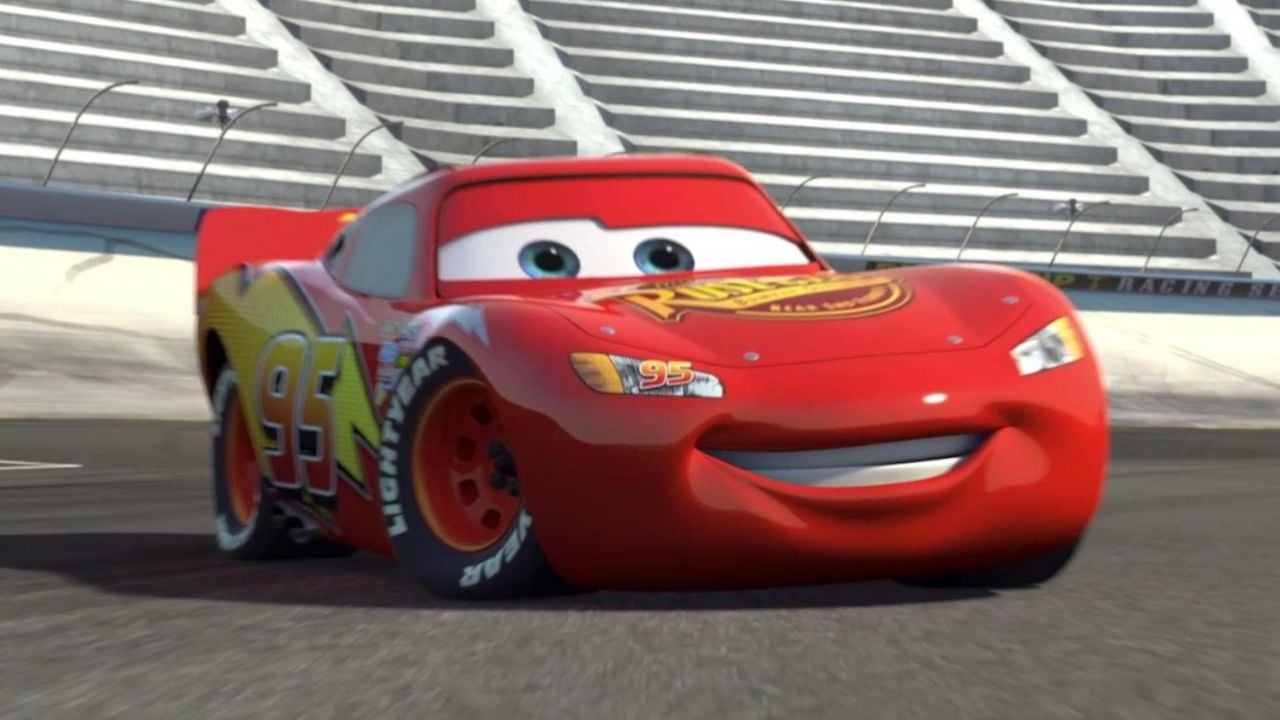
Not many iconic cars from TV and film have their own catchphrase, but Lightning McQueen does for one important reason. He’s from an animated film. Indeed, Cars (2006) and its sequels revolve around a world with anthropomorphic cars, with distinct personalities and traits, both physical and mental.
Montgomery “Lightning” McQueen is a bright red race car and a hotshot winner of the Piston Cup. His model is an amalgam of a Ford GT40, Charger SRT-8, and other models to create a unique stock car. With his impressive speed, skills, and signature catchphrase “Ka-chow,” Lightning McQueen has legions of fans inside the movie. Of course, he goes through a journey of humility in Cars, and the character has become one of the most recognizable in film car history.
Uniquely, everyone has the opportunity to see Lightning McQueen at a real-life Radiator Springs in Disney California Adventure in Anaheim, California, delighting fans of all ages.
12. Cruella DeVille’s Car
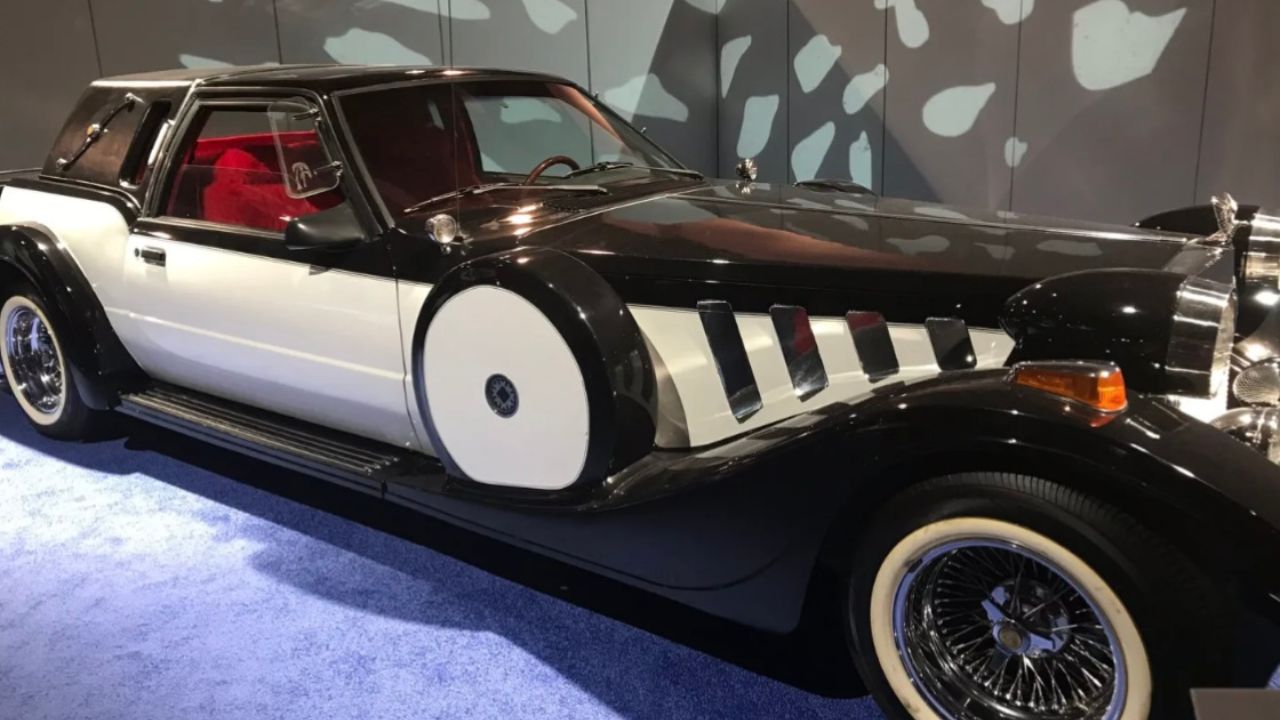
Another car whose iconic status began in animation, Cruella DeVille’s car is as iconic as the villain herself. The custom-bodied vehicle has a distinctive look and model with each iteration, but all feel so cohesive that one knows it belongs to the stylish character.
In the 1961 animated film, Cruella’s car is a burgundy (at times plum-looking) Daimler Empress MKIII DF 308. In the 1996 live-action remake, it’s changed to a black and white Panther DeVille, while the series Once Upon a Time uses a black and white Zimmer Golden Spirit.
The style matches the character to a “T,” with a sleek, sophisticated, and elegant design with a hint of edge and danger, which Cruella embodies with her reckless driving and bombastic personality.
13. Smokey and the Bandit Pontiac Trans Am
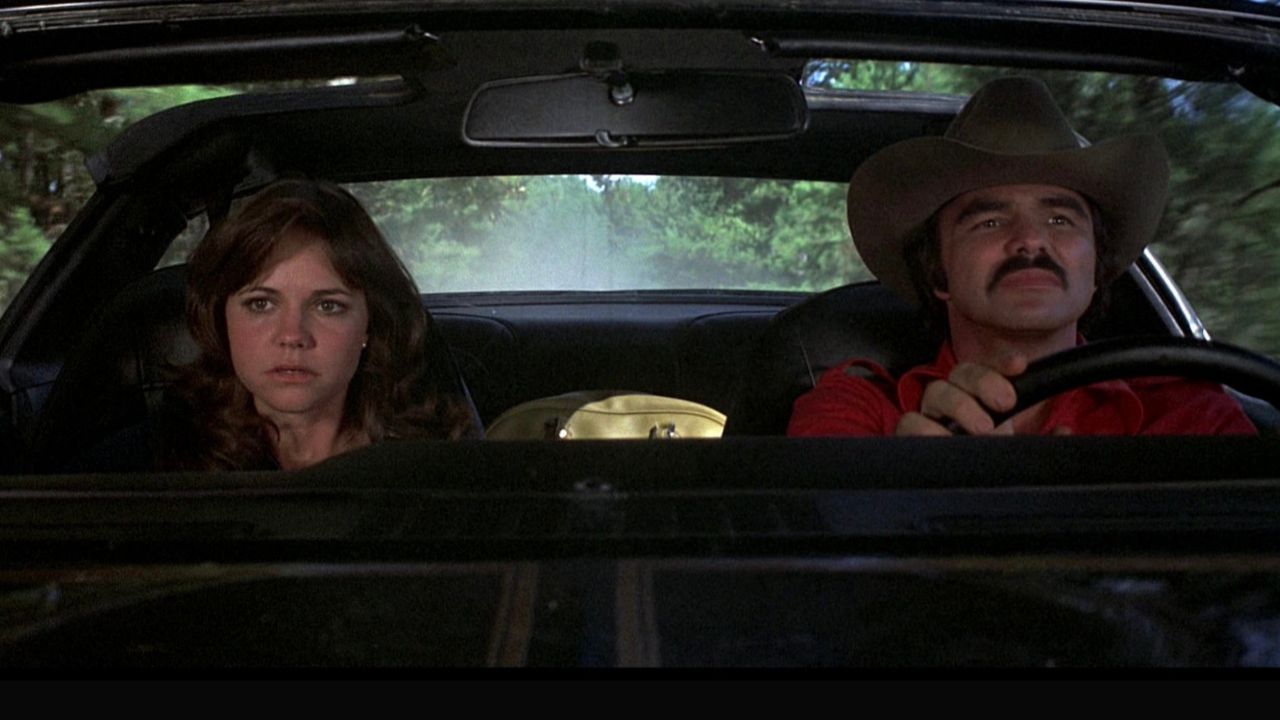
The Burt Reynolds and Sally Field film creates a 1970s cinematic classic and another iconic car. Also known as the “Bandit” car, the black 1977 Pontiac Trans Am features a large Firebird on the hood, appropriate for the character’s free and wild nature.
Like other cars in this list, the car becomes as important to film as the actors, becoming a character in itself and synonymous with the film. Indeed, anyone who mentions Smokey and the Bandit will remember the car in the same moment as Reynolds and Field. The film and its car became so popular that sales of the Pontiac Trans Am skyrocketed, making it another indelible film icon and part of the cultural zeitgeist.