Choosing a great place to sleep outdoors has become a small strategy game of its own. Scenery still matters, but so do reservation windows, access roads, seasonal rules, and whether a campground actually feels easy to use once you arrive. For this roundup, the focus stays on places with standout scenery and clear public guidance from agencies such as the National Park Service and Recreation.gov. That keeps these recommendations grounded in real planning information rather than vague travel copy.
All seven picks are in the United States, and each one offers a different kind of tent-based escape. One is rocky and Atlantic-facing, another is built around granite walls and famous waterfalls, while others trade in red canyon stone, glacial scenery, surf, rainforest, and barrier-island solitude. Together, they make a strong case for camping trips that feel memorable without turning the planning process into a mess.
1. Acadia National Park, Maine
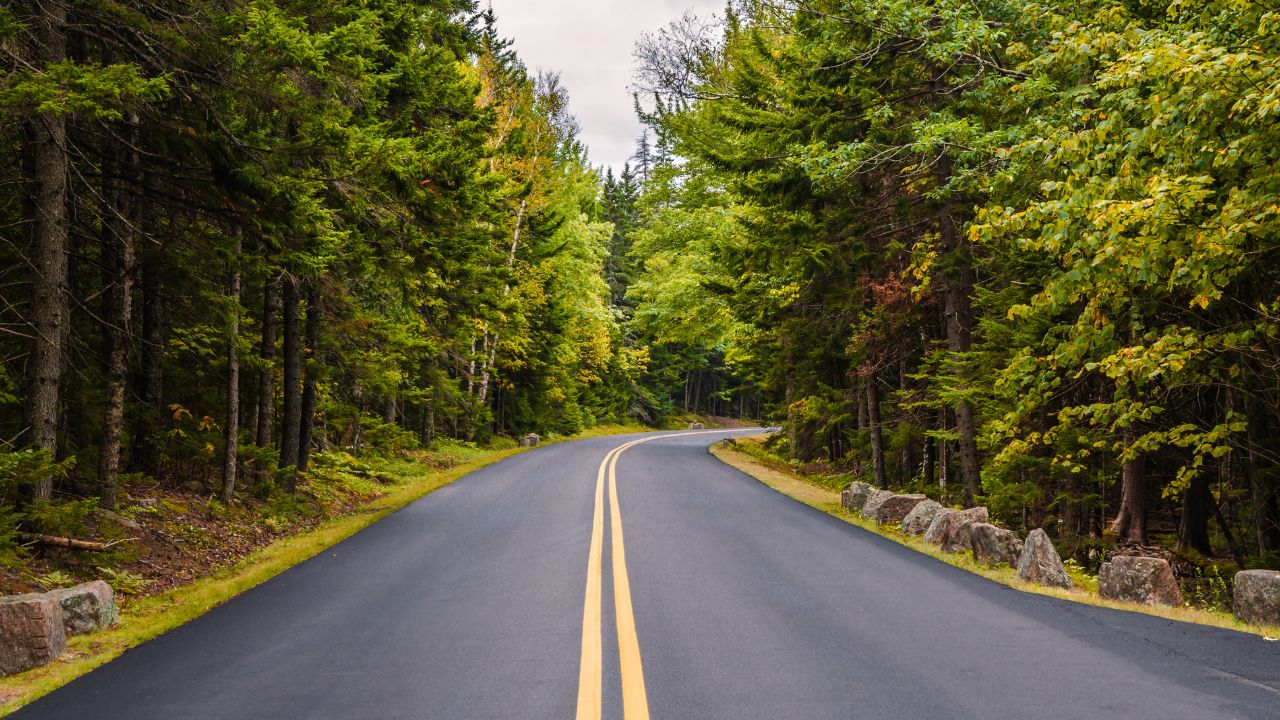
Acadia National Park belongs near the top because few coastal escapes pack this much variety into one relatively compact area. The National Park Service says the park protects the highest rocky headlands along the Atlantic coastline of the United States, along with 158 miles of hiking trails and 45 miles of carriage roads. That gives campers ocean views, forest walks, and car-free cycling routes from the same base.
Blackwoods Campground is a smart choice for travelers who want strong access to Mount Desert Island’s most popular areas. NPS guidance says all sites must be reserved in advance, with 90 percent released six months ahead and the rest released 14 days before arrival on a rolling basis. In plain terms, this is a beautiful, high-demand campground where planning ahead is part of the deal.
2. Yosemite National Park, California
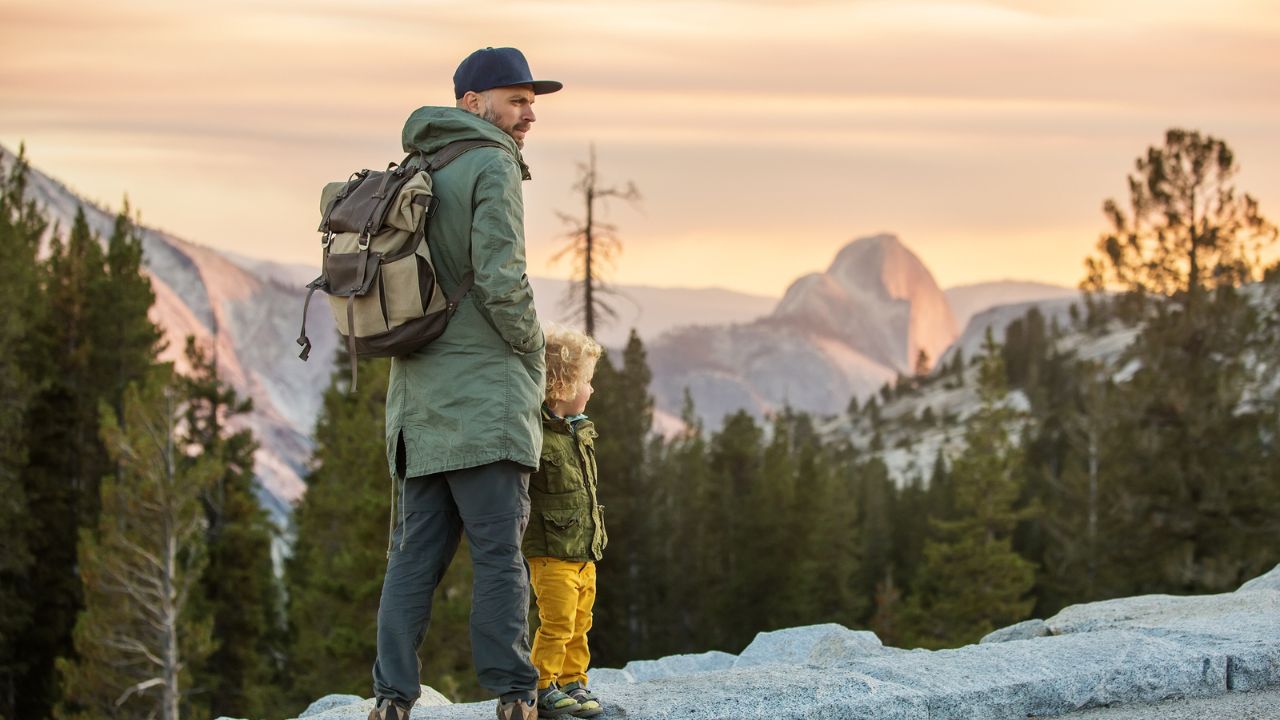
Some landscapes look exaggerated even when you are standing inside them, and Yosemite is one of them. Granite walls, domes, and famous waterfalls give the valley a scale that still feels almost unreal in person. According to park information on Yosemite’s waterfalls, Yosemite Falls drops 2,425 feet and usually peaks in spring, giving early-season overnights an especially strong payoff.
This Sierra Nevada classic also works because the camping setup is more functional than the scenery might suggest. North Pines, Lower Pines, and Upper Pines offer the practical basics that matter on a multi-night stay, including drinking water, flush toilets, picnic tables, food-storage lockers, and nearby shuttle access. That makes a world-famous valley feel surprisingly workable as a base camp.
3. Zion National Park, Utah

Zion delivers the kind of scenery that barely needs an introduction. Red rock walls, narrow canyon sections, and changing light do most of the work. The park gets an extra practical boost from the free shuttle system, which runs from the visitor center to key stops for Angels Landing, Emerald Pools, the West Rim Trail, and the Narrows when the route is operating. Less time dealing with traffic usually means more time actually hiking.
For convenience, Watchman Campground stands out. The Park Service notes that it is near the Zion Canyon Visitor Center and pedestrian entrance, is open year-round, and requires the primary reservation holder to present photo ID at check-in. In a park this popular, a campground with a simple, well-explained setup is a real advantage.
4. Glacier National Park, Montana
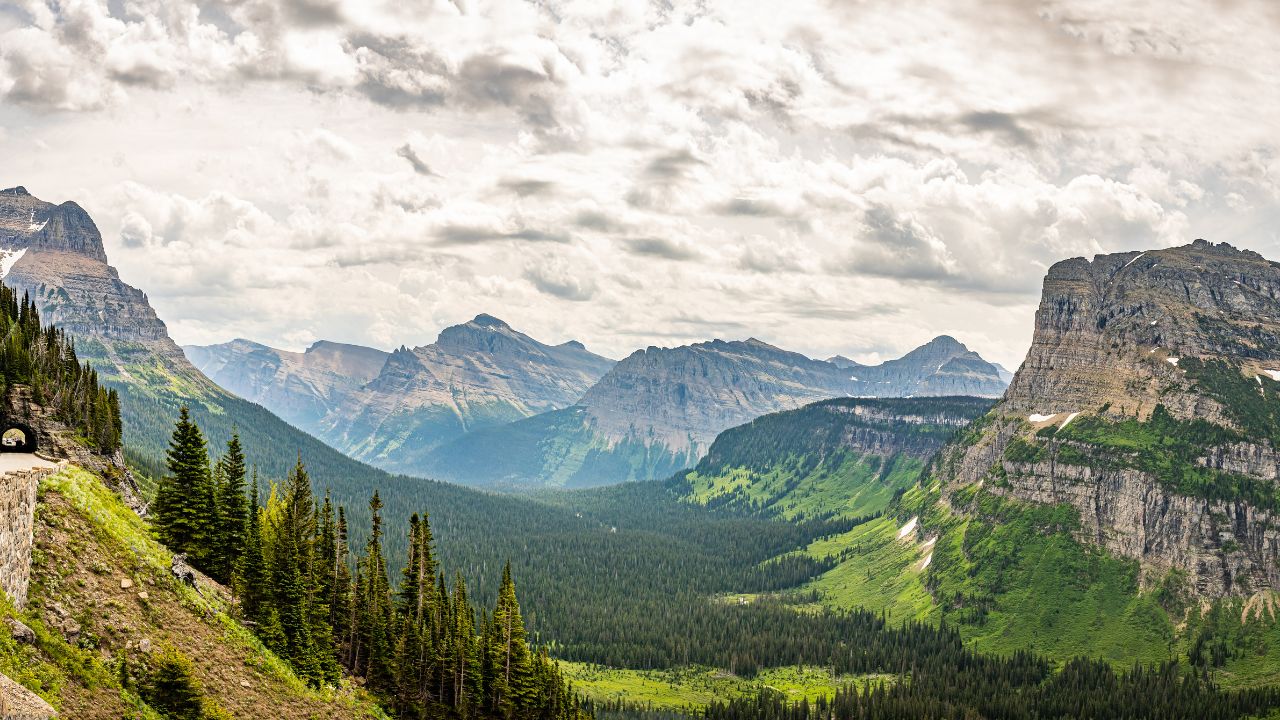
Glacier rewards anyone who likes huge scenery, crisp air, and campgrounds that feel close to genuinely wild country. The park’s camping guidance says Glacier has 13 front-country campgrounds, with several positioned along or near the Going-to-the-Sun Road corridor. Apgar, the largest campground in the park, is especially appealing for campers who want easier access to Lake McDonald and the west side of the park.
The 2026 planning picture is also clearer than many travelers may expect. According to Glacier’s 2026 visitor guidance, vehicle reservations will not be required anywhere in the park this year. At the same time, the park will pilot a ticketed shuttle system on Going-to-the-Sun Road, and private vehicle parking at Logan Pass is scheduled to be limited to three hours or less beginning July 1, weather permitting. That still calls for planning, but at least the rules are easy to understand.
5. Olympic National Park, Washington
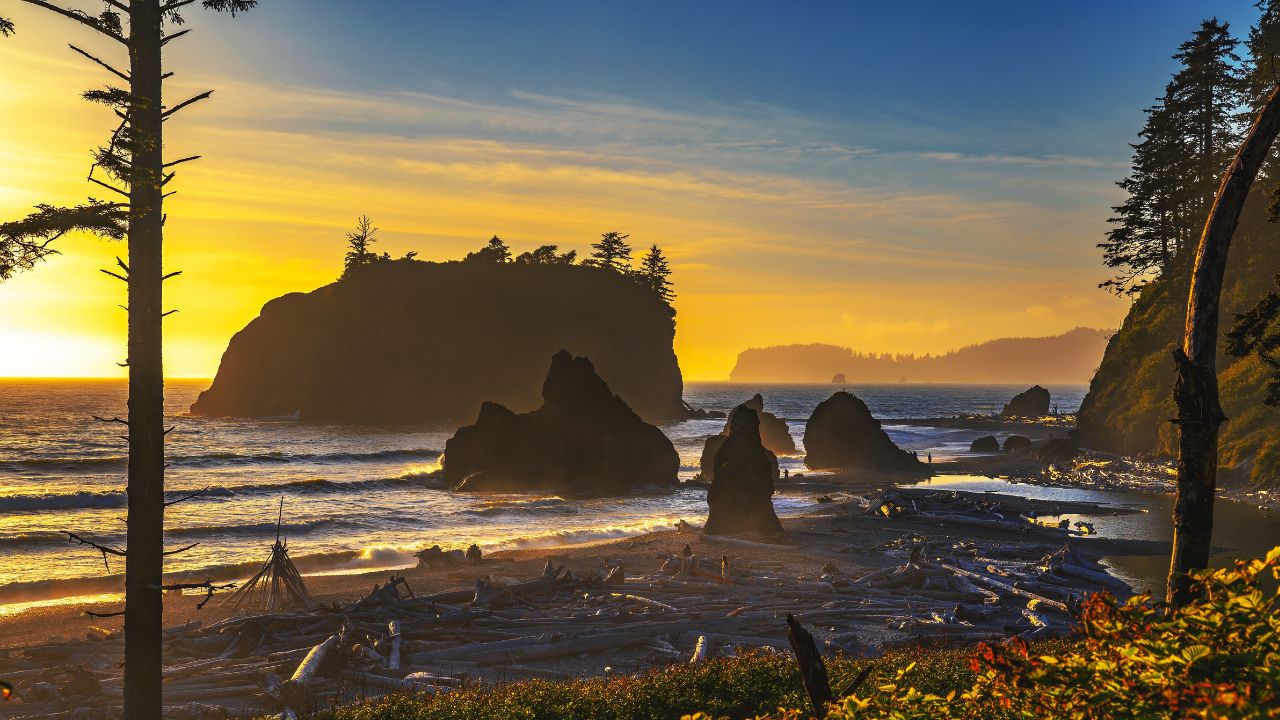
Olympic is one of the best picks here for travelers who do not want one-note scenery. The park’s 73-mile wilderness coast gives it an edge few places can match, and the Kalaloch area alone offers a mix of sandy beaches, rocky headlands, tidepools, and sea-carved shoreline. It is the kind of park where one trip can feel coastal, forested, and mountain-adjacent without forcing constant hotel changes.
For car campers, the logistics are part of the appeal. Kalaloch Campground is open year-round, with some sites overlooking the Pacific, and reservations are required from May 15 through September 20, 2026. The Hoh Rain Forest campground is also open year-round, with peak-season reservations available online up to six months in advance. Add the park’s constantly shifting weather and road conditions, and Olympic becomes a place where checking the latest conditions before leaving is part of camping smart.
6. Great Smoky Mountains National Park, Tennessee and North Carolina
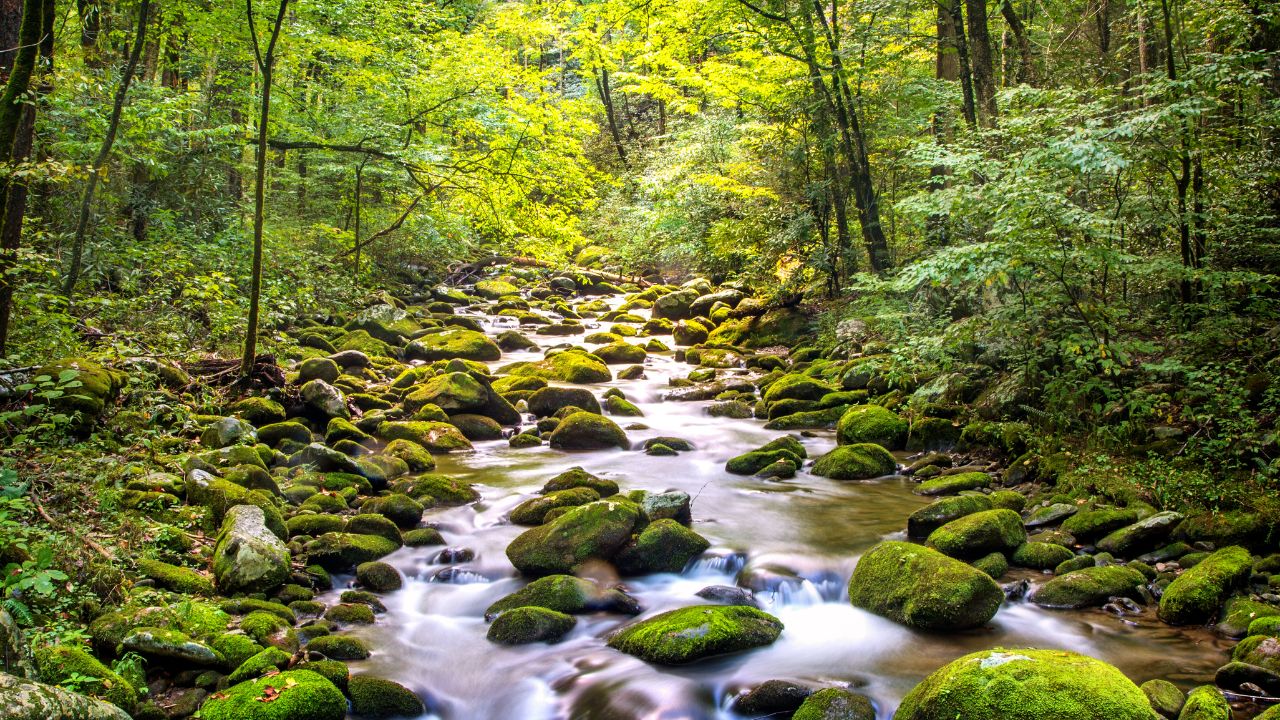
The Smokies remain a perennial crowd-puller because they combine easy visual appeal with genuine ecological depth. The Park Service describes Great Smoky Mountains National Park as America’s most visited national park, and its wildlife pages note that more than 13,000 animal species have been documented there. That richness gives even a short camping stay the sense that the landscape is constantly active, whether the payoff comes from misty ridgelines, birdsong, or a simple walk through the woods.
Campground choice matters here because each area has a different feel. Elkmont, located eight miles from Gatlinburg, is identified by NPS as the largest and busiest campground in the park. At the same time, the park’s frontcountry camping guidance says that Cades Cove and Smokemont are the only campgrounds open year-round. That gives travelers a useful split between convenience, scenery, and better shoulder-season flexibility.
7. Assateague Island National Seashore, Maryland and Virginia
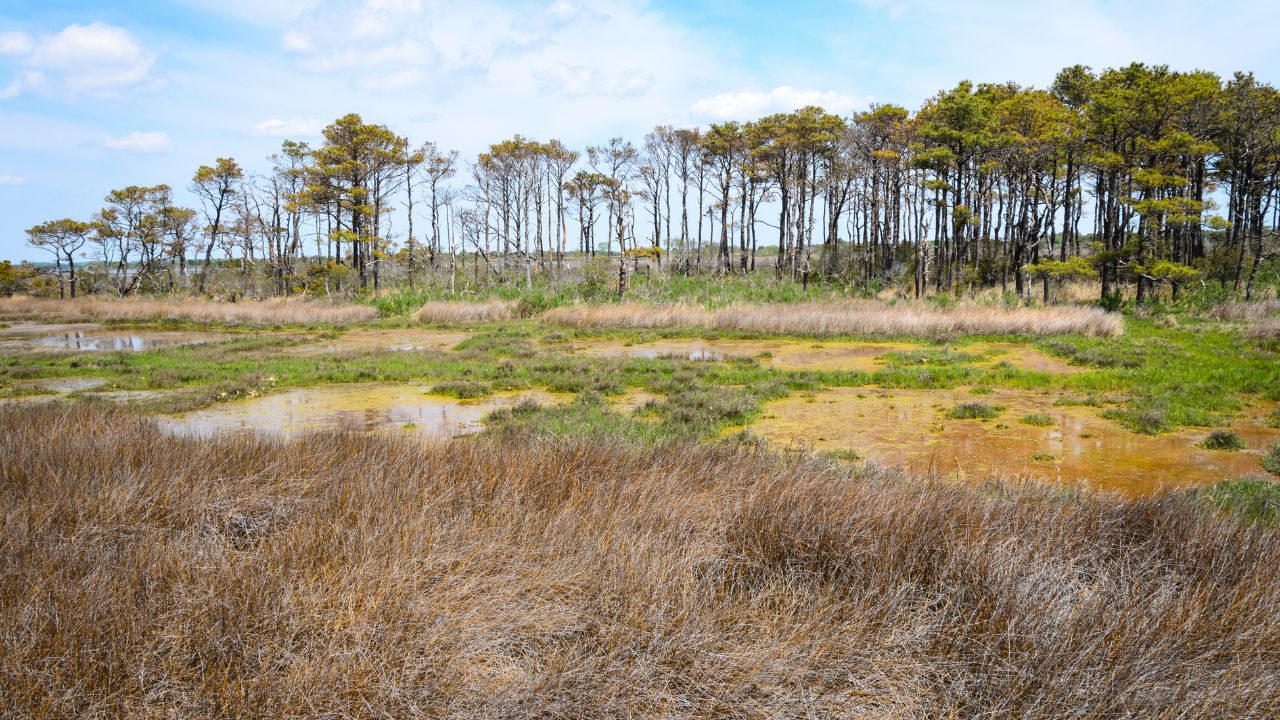
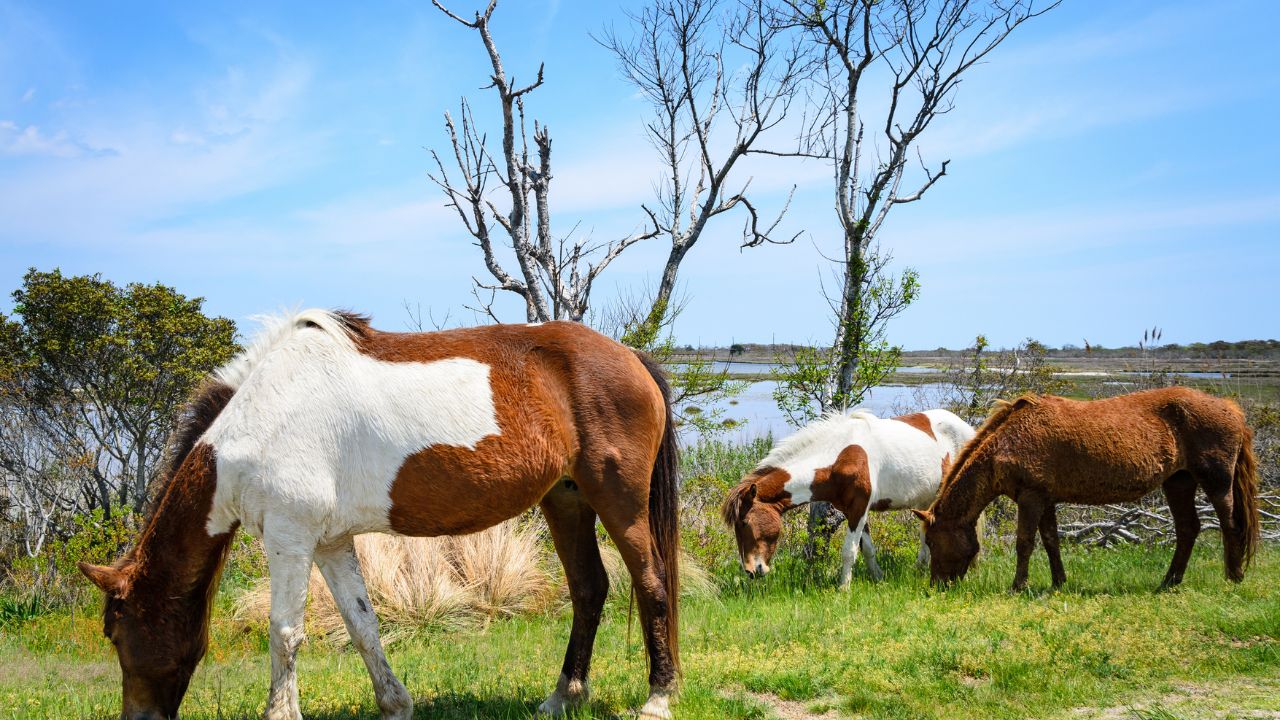
Assateague offers a completely different kind of camping trip from the mountain-heavy parks on this list. Instead of granite walls or alpine views, visitors get a barrier island shaped by wind, salt, and shifting weather, with beaches, marshes, bays, and maritime forest running along the same narrow strip. The island’s best-known residents are its horses, which the Park Service says are feral descendants of domestic animals. NPS also reminds visitors not to approach, touch, or feed them.
Reservations are a major part of the planning reality here. The Park Service says on its campground reservations page that bookings are required from March 15 through November 15, sites become available six months ahead, and nearly all weekend reservations are snapped up on the first day they open. That makes Assateague one of the most memorable tent-camping picks on this list, but definitely not one to leave to last-minute optimism.