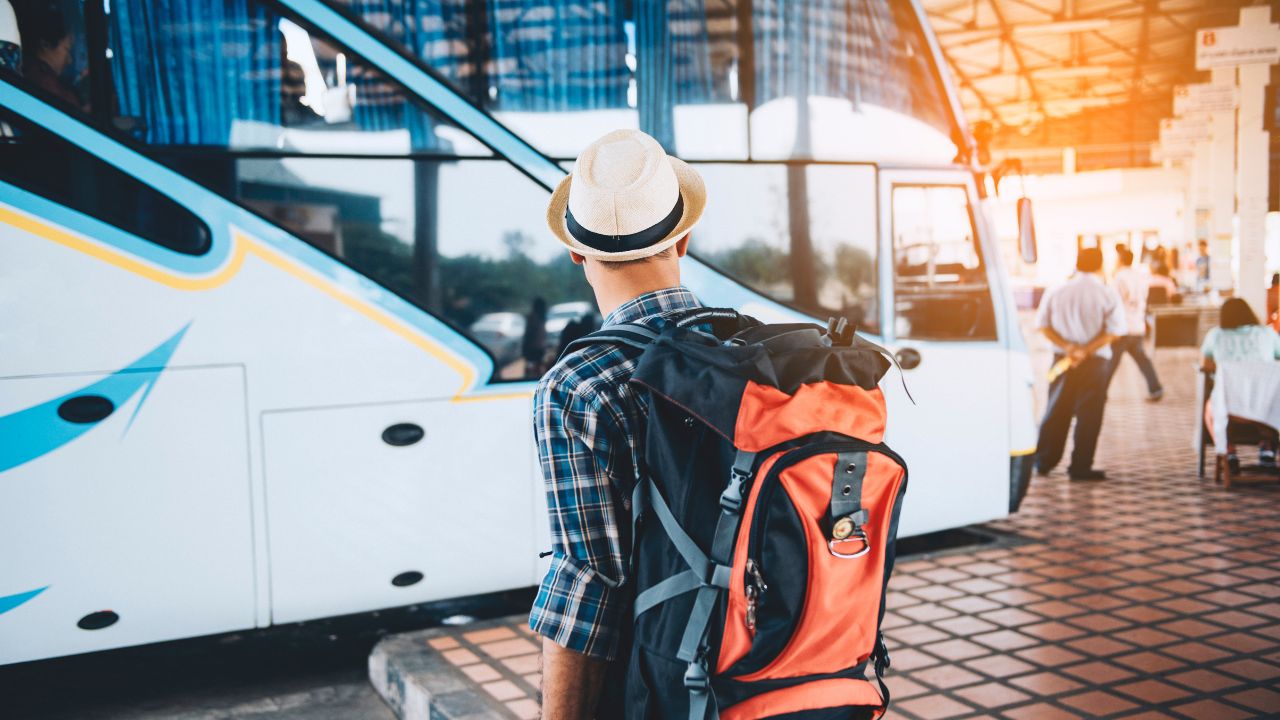
Buses have not fallen out of favor as a category. The Federal Motor Carrier Safety Administration says bus travel is among the safest forms of passenger transportation, and that is worth stating before the panic gremlins show up. What changes the equation for some travelers is the overnight version, where the promise of saving money starts competing with broken rest, awkward arrivals, and a next day that often feels half-spent before breakfast. The bargain stops looking clever once the real cost gets counted.
That shift in thinking comes from how night travel stacks several unhelpful things together. NHTSA says drowsy-driving crashes occur most often between midnight and 6 a.m., while CDC guidance says inadequate sleep is linked with impaired cognitive functioning. That does not make every overnight coach a terrible idea, but it does explain why some travelers now pause before clicking book.
1. The Sleep Rarely Feels Like Real Sleep
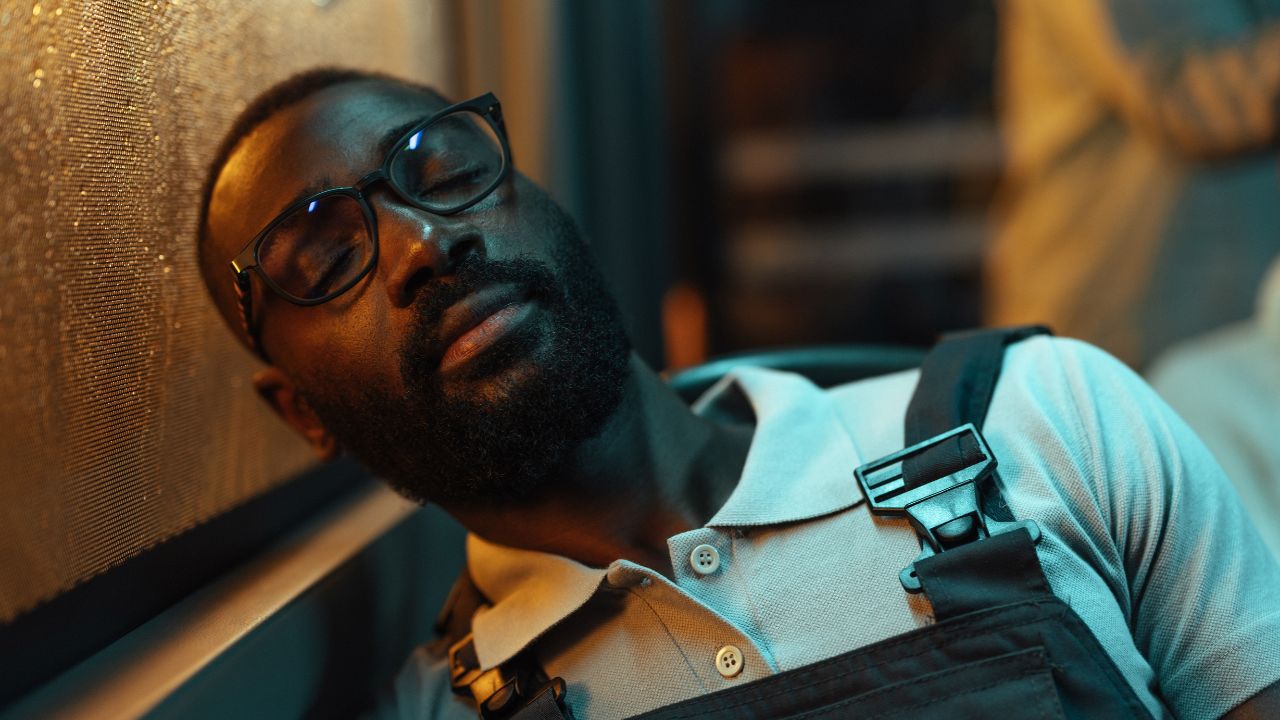
A reclining seat can mimic a bed about as well as a vending machine can mimic dinner. NHTSA says getting seven to eight hours of sleep is the only real way to protect against drowsy-driving risk, and the CDC links inadequate sleep with impaired cognitive functioning. People can drift in and out on a night coach, but many do not arrive feeling restored. Usually they arrive feeling negotiated with.
That matters because the first day is part of the trip, not a disposable warm-up act. When travelers step off groggy, simple things get harder: finding the hotel, reading a map, keeping track of bags, or pretending to be charmed by anything before coffee. A ticket that saves one room night can quietly charge it back in attention, patience, and mood. The spreadsheet looks efficient, but the body is not fooled.
2. The Road Is Working Against You Too
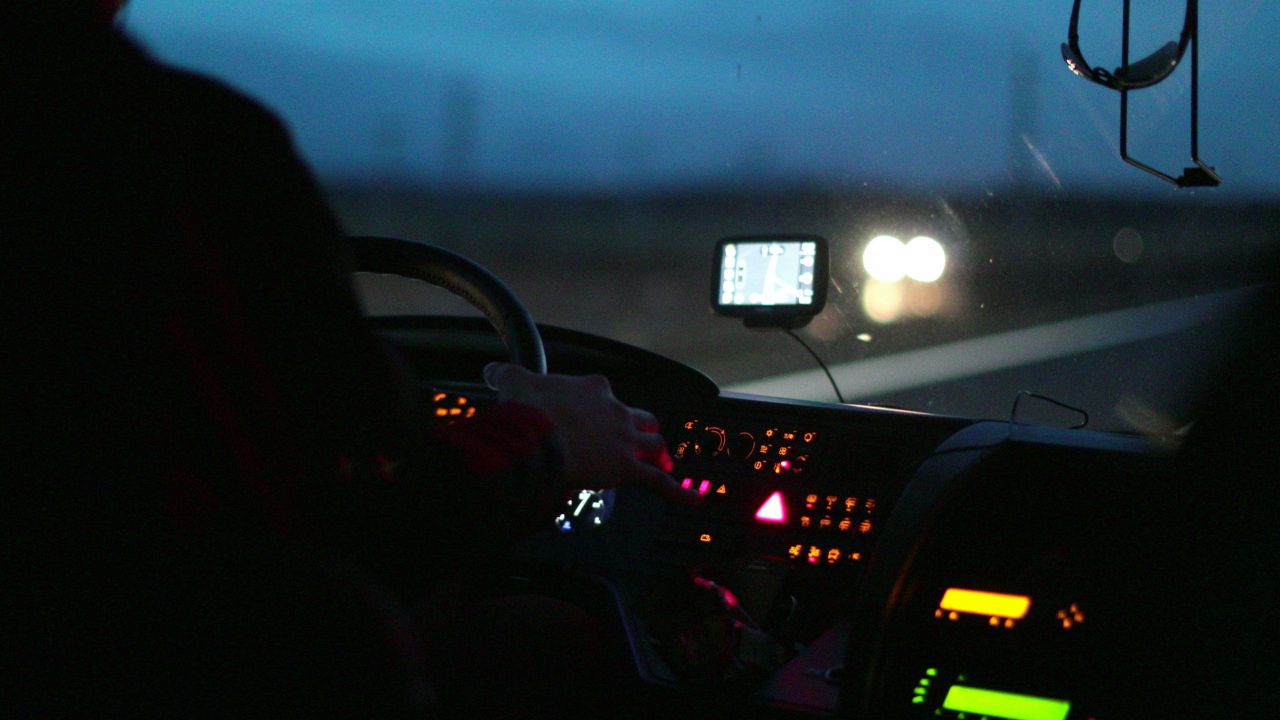
Night driving has a built-in problem that romance does not erase. NHTSA says drowsy-driving crashes happen most frequently between midnight and 6 a.m., and on that same page it says there were 91,000 police-reported crashes involving drowsy drivers in 2017, leading to about 50,000 injuries and nearly 800 deaths. It also warns that the true toll is likely underestimated. That is a road-safety backdrop many travelers would rather not volunteer for unless they have a very good reason.
None of this means coaches are inherently sketchy death tubes rolling through the dark. FMCSA still describes bus travel as one of the safest passenger modes, which is why this is not an anti-bus sermon. The hesitation is narrower than that. Some travelers simply do not love choosing the stretch of the clock when human alertness is already least cooperative.
3. Long, Cramped Sitting Gets Old Fast
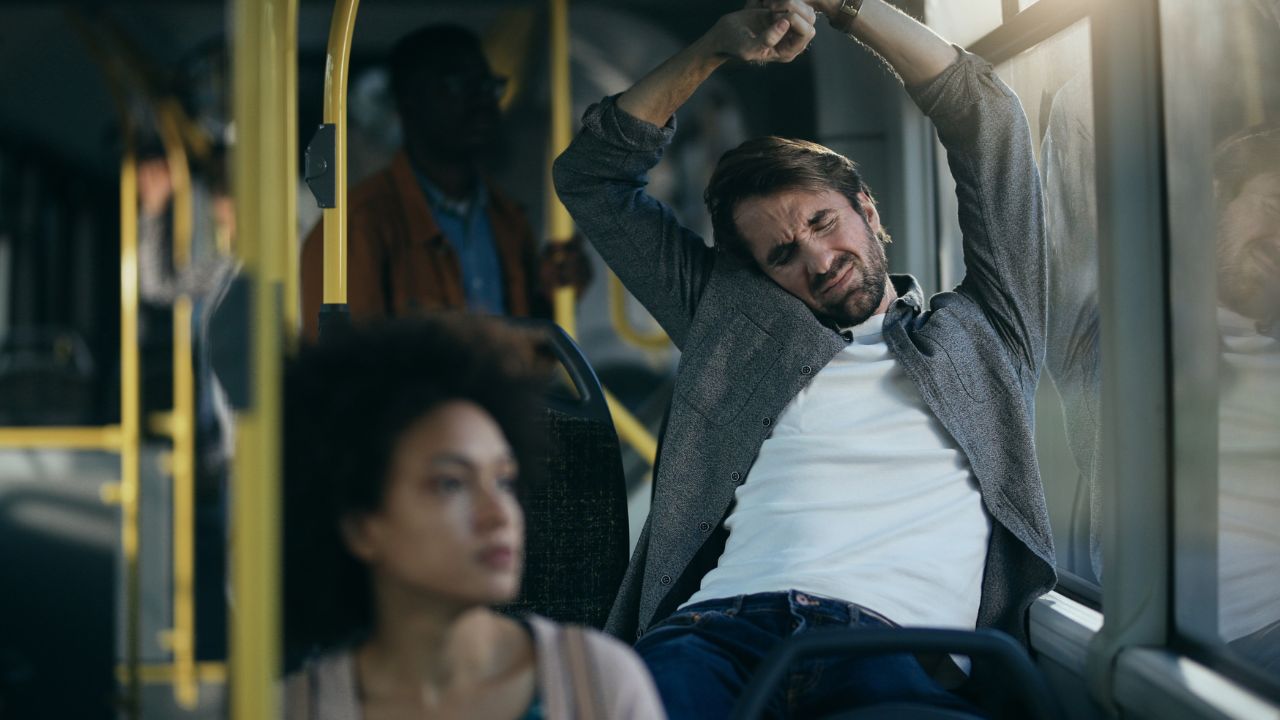
The body has its own opinion about marathon sitting, and it is not always polite. The CDC says anyone traveling more than four hours by air, car, bus, or train can be at risk for blood clots, although it also notes that the overall risk is generally very small and rises mainly when other risk factors are present. Night routes often bundle together the exact ingredients travelers would rather separate: long duration, tight posture, dehydration, and fewer chances to move around naturally.
The sensible response is not fear, just realism. CDC guidance recommends moving your legs frequently and walking around every one to two hours when possible, but that advice is easier to follow on a daytime run than when someone is half asleep, boxed in by bags, and trying not to body-check a stranger at 3 a.m. So even when the medical risk is low, the physical experience can still be deeply unimpressive.
4. Security Depends Heavily on Route, Country, and Timing
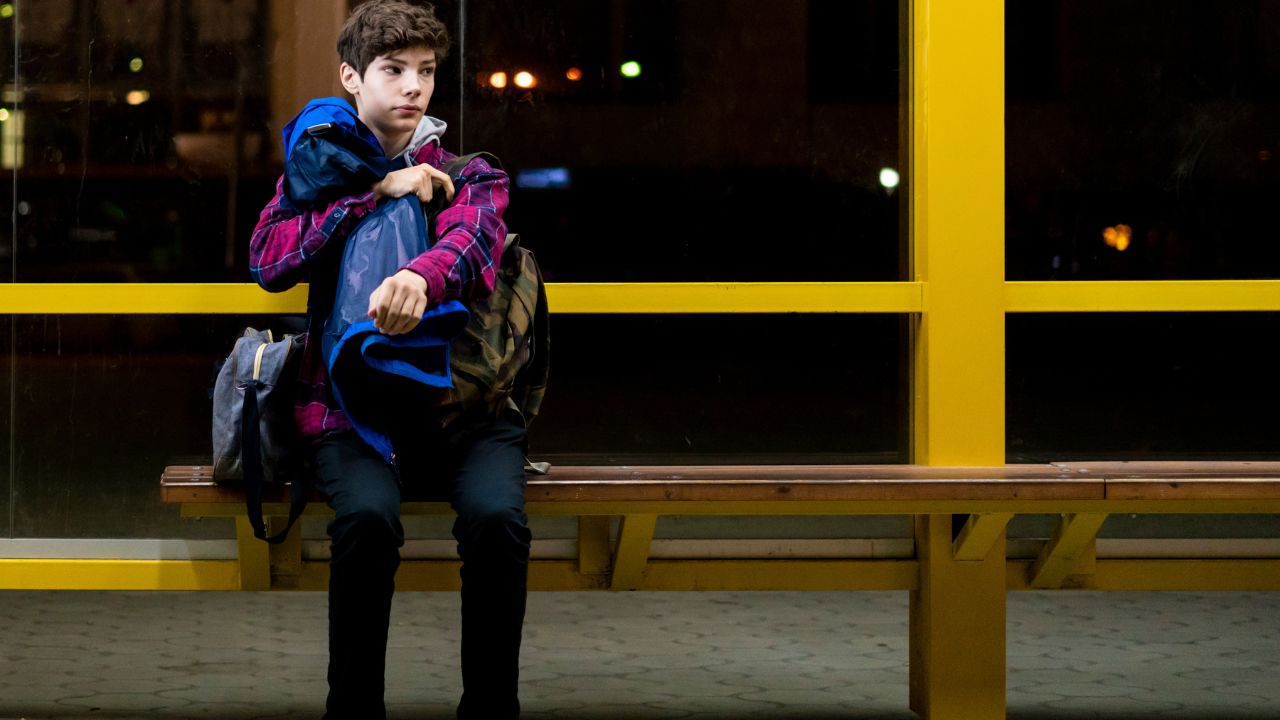
Another thing that pushes some travelers away is realizing how much the risk picture changes after dark. The U.S. State Department tells travelers in Greece not to leave bags unattended on public transportation and warns that thieves often strike near bus or train doors. Its Brazil page says U.S. government employees are advised not to use municipal buses because of a serious risk of robbery and assault, especially at night. That is not proof that every overnight ride is unsafe. It is proof that ground transport deserves more scrutiny than “loads of people do it” tends to imply.
Those warnings are best read as a reminder, not a universal verdict. Fatigue, darkness, unfamiliar stations, and odd-hour arrivals all make little mistakes easier to commit and harder to recover from. Lose focus for five minutes in daylight and it may feel foolish. Lose it before dawn in an unfamiliar terminal and the whole trip can get expensive in a hurry.
5. Buses Still Have a Place, Just Not This Version
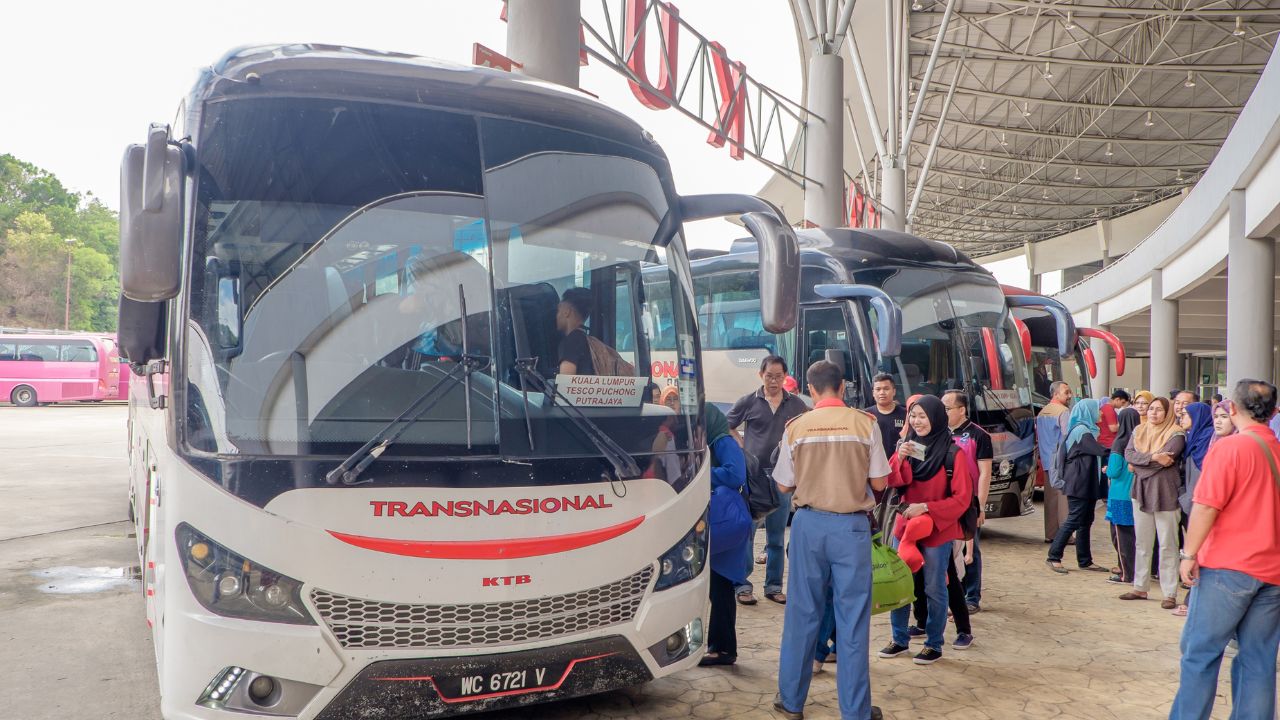
These days, many travelers use coaches more selectively and less romantically. FMCSA advises passengers to wear seat belts if available, and it notes that large buses manufactured after November 2016 must provide them. It also offers tools such as Bus Safety Search so travelers can check a company before booking. That nudges a lot of people toward daytime departures, shorter segments, and operators they can actually vet before handing over their night and their spine.
When the distance is long, the better choice is often a train, a daytime bus, or one extra hotel night followed by a morning departure. That costs more on paper, but it often buys a usable arrival day, clearer judgment, and a trip that starts with curiosity instead of recovery. Buses still have a place in many travel plans. Some travelers just no longer expect one ticket to double as transport, accommodation, and decent sleep without a little chaos sneaking in through the cracks.