Georgia makes a stronger family case than many people realize. Georgia’s official tourism site makes that point pretty clearly, steering visitors toward places such as Mtatsminda Park in Tbilisi, Mushtaidi Garden, Batumi Dolphinarium, and the Borjomi Cable Car. That is a revealing signal from the country’s own tourism board. This is not a destination where children are expected to spend a week quietly orbiting adult plans.
The geography helps too. Mtskheta sits about 20 kilometers northwest of Tbilisi. Stepantsminda is listed at about 2 hours and 55 minutes by road from the capital, while Bakuriani is about 2.5 hours away by road. Batumi is listed at about 5 hours and 30 minutes from Tbilisi. In western Georgia, Prometheus Cave is described as about 40 kilometers from Kutaisi, while Sataplia is only 7 kilometers away. In plain English, one trip can combine city streets, mountain scenery, seaside time, caves, and history without requiring heroic transfers every single day. For families, that matters more than glossy marketing ever will.
1. Tbilisi Is Far Easier With Children Than People Expect
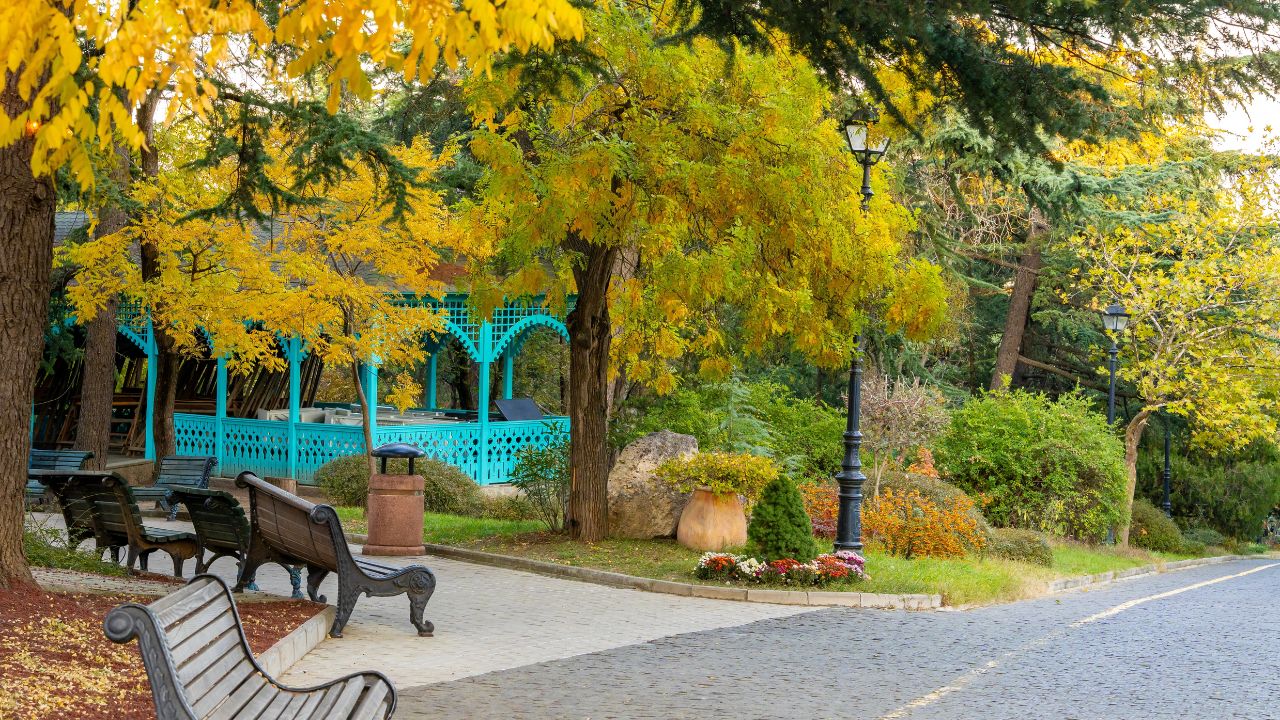
Tbilisi has enough built-in fun to keep the capital from becoming a cultural endurance test. Mtatsminda Park alone spreads across 100 hectares and mixes rides, cafés, viewpoints, and open space in a way that feels designed for lingering instead of rushing. A capital city with a hilltop amusement park is already playing a clever hand.
The city also has family stops that feel more playful than dutiful. Georgia Travel’s family guide points to Mushtaidi Garden, where a real children’s railway still runs, while Experimentorium gives kids hands-on ways to explore physics, mathematics, biology, anatomy, and chemistry. That combination gives parents options when attention spans start wobbling. Tbilisi can do churches and old streets, but it can also do trains, science, and room to run.
2. The Country Packs Huge Variety Into Sane Distances
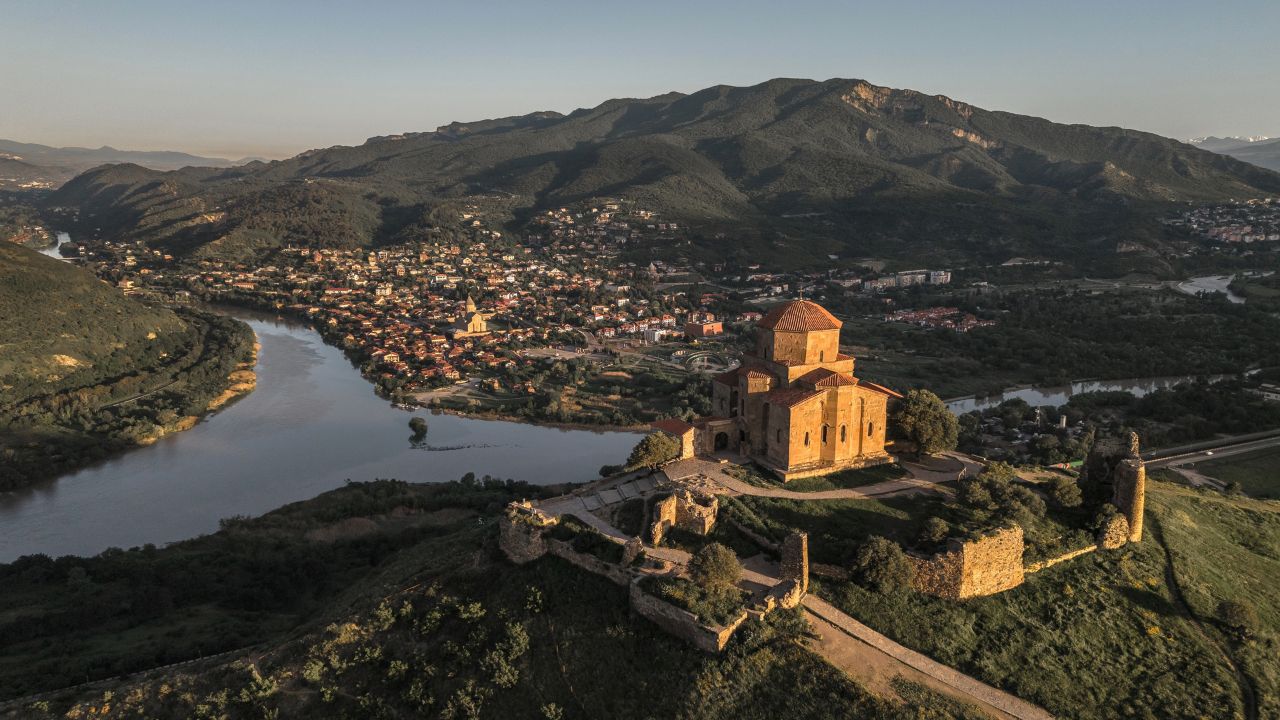
Georgia’s family appeal is not one single city or one resort strip. Mtskheta, the ancient capital, is close enough for an easy outing from Tbilisi and brings serious historical weight with it. UNESCO’s listing covers Jvari Monastery, Svetitskhoveli Cathedral, and Samtavro Monastery, which gives families a history day that feels scenic rather than dry. You are not dragging children through abstract dates on a wall when rivers, hilltop churches, and old-town streets are part of the same stop.
Then the landscape changes again with surprising speed. Borjomi-Kharagauli National Park is 170 kilometers from Tbilisi and described by Georgia Travel as one of the largest national parks in Europe, while Bakuriani is close enough to work as a practical mountain leg from the capital. That means forest walks, picnic country, cable cars, alpine air, and mountain-resort energy can all fit into the same wider itinerary. Families do not need to choose one mood and stick with it.
3. The Adventure Side Actually Works for Kids
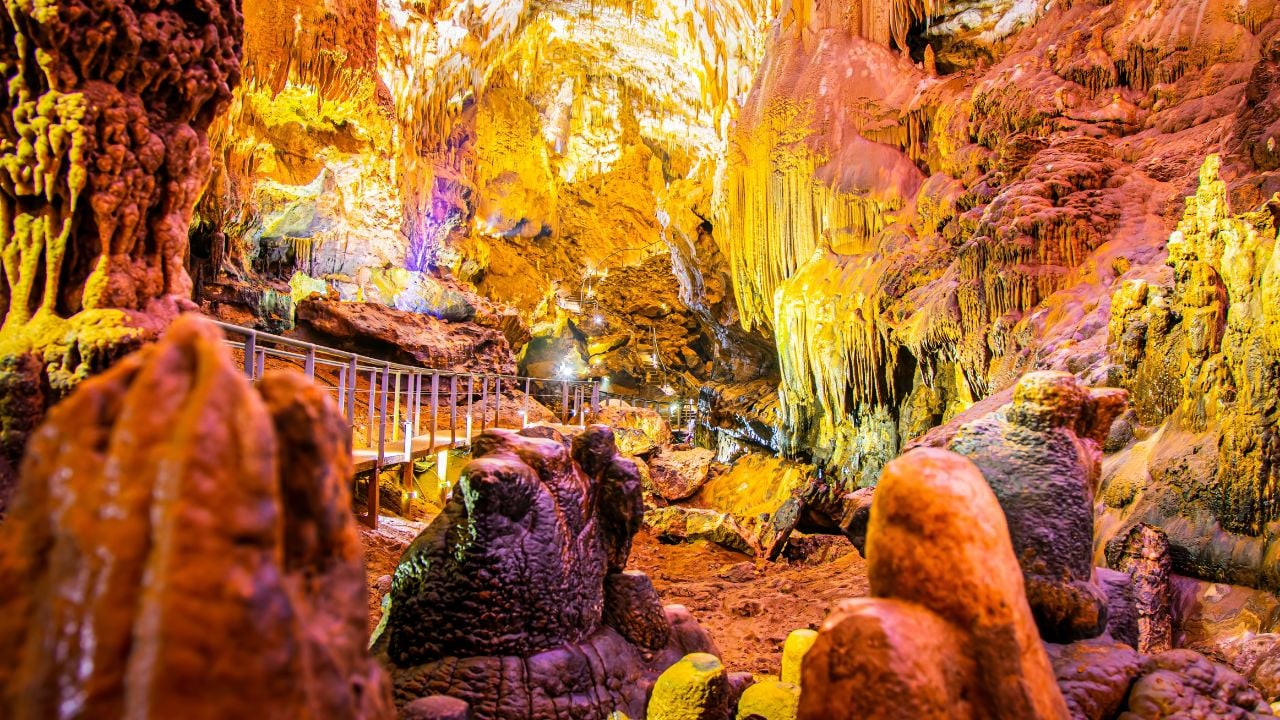
Western Georgia is where the family wow factor starts showing off. Prometheus Cave is a 60 to 70-million-year-old karst cave near Kumistavi, about 40 kilometers from Kutaisi. Georgia Travel says it is 1.8 kilometers long, 40 meters deep, and has 22 caverns, six of them open to visitors. That is the sort of outing that lands immediately with children because it looks like fantasy before anybody says a single educational word.
Sataplia strengthens the case. The reserve near Kutaisi is known for dinosaur footprints, forest walks, panoramic viewpoints, cave spaces, signposted trails, cafés, and family-day-trip infrastructure, all within a short distance of the city. Few destinations can casually offer “you can go look at prehistoric tracks this afternoon” and expect that line not to win the room. For parents, this is the sweet spot between educational and gloriously weird.
4. The Beach Leg Feels Like a Real Trip, Not a Holding Pattern
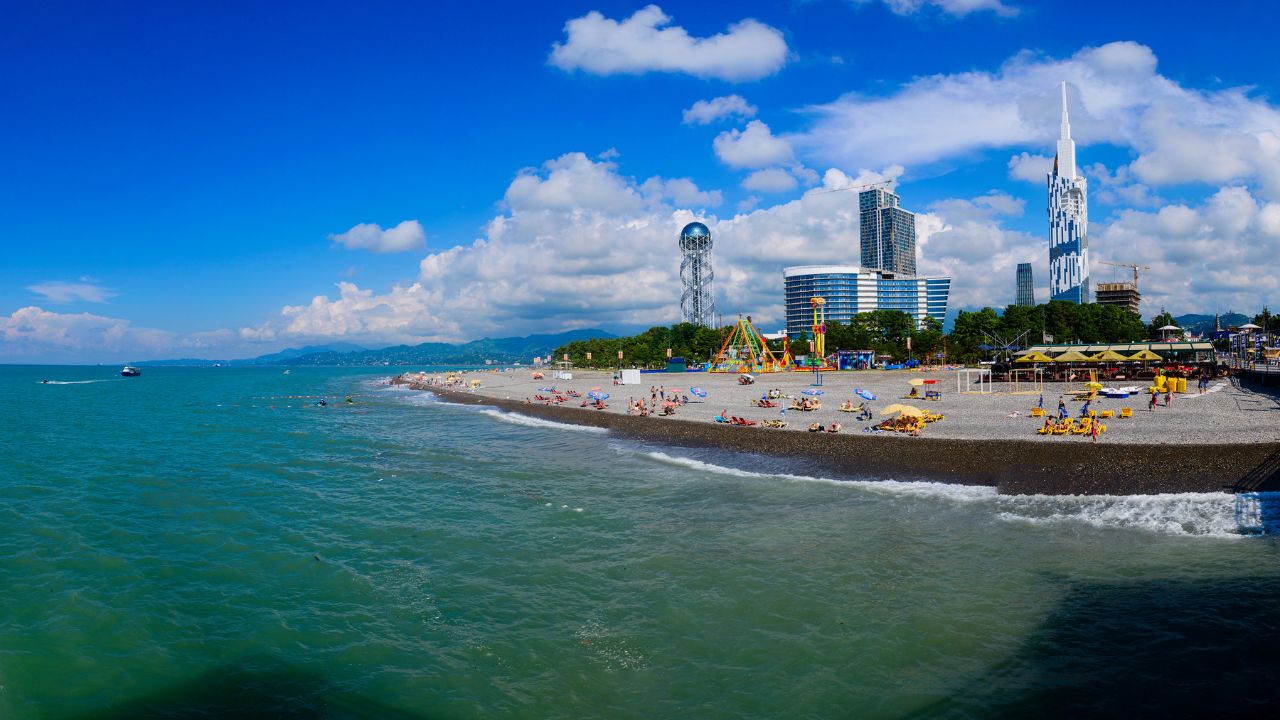
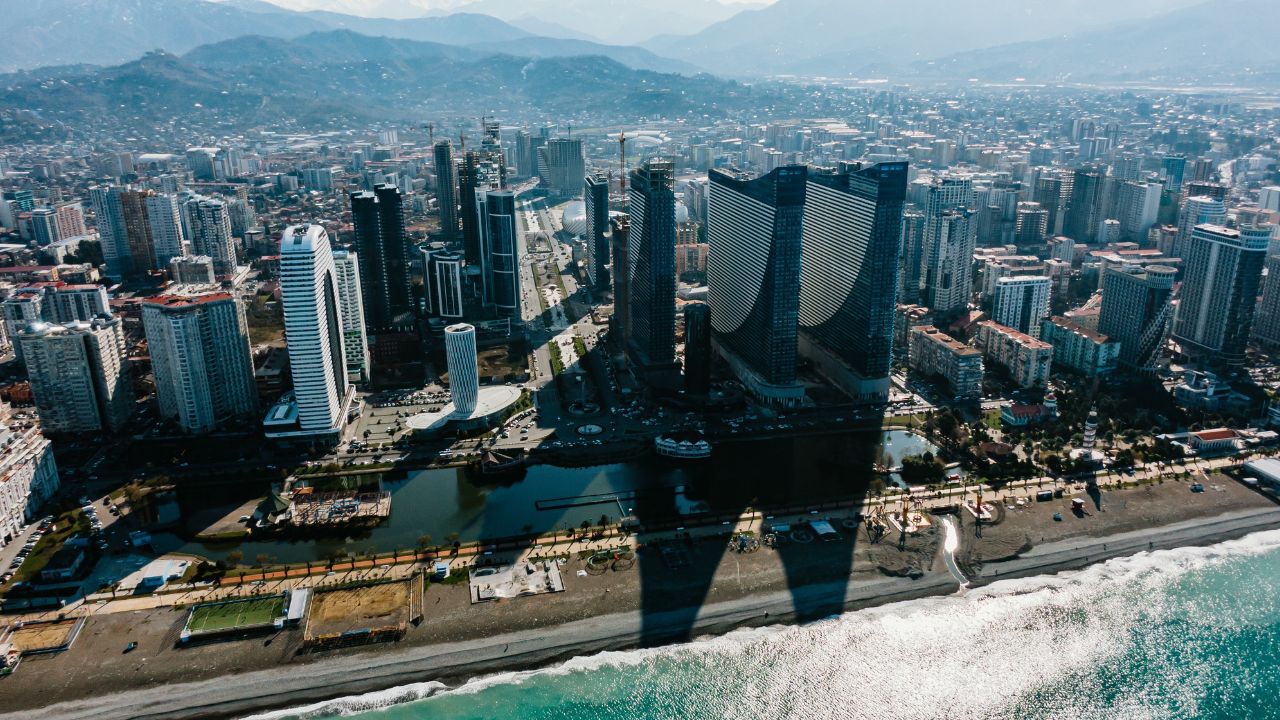
Batumi gives Georgia a second act. Official tourism material describes it as the country’s signature seaside destination on the Black Sea, and the city mixes a long urban beach with a botanical garden, dolphinarium, Ferris wheel, fountains, and a broad promenade. That matters because many family beach breaks run out of ideas once everybody has had enough sun. Batumi has enough moving parts to keep the day from flattening into towel logistics.
The practical side is good too. Georgia Travel says the main stretch of Batumi Beach runs for about 7 kilometers and can be reached quickly from most parts of the city. The wider Adjara tourism framing also treats Batumi as a gateway to more of the Black Sea coast. So the seaside portion of the holiday does not need to be isolated from everything else. It can be one chapter in a larger family route that still includes mountains, parks, and inland stops.
5. It Slips History and Local Culture Into the Trip Without Making It Feel Like Homework
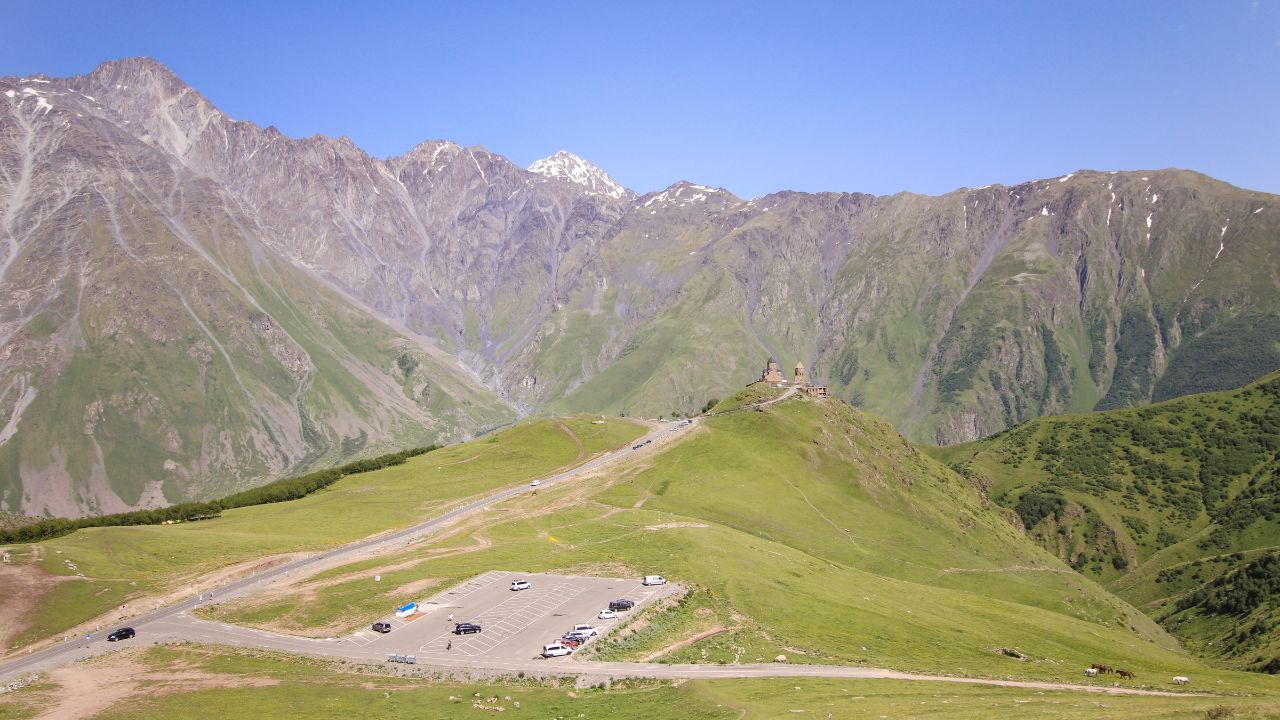
Georgia is very good at making old things look dramatic enough for younger travelers to care. In Mtskheta, UNESCO-listed churches sit in a compact, walkable setting, and near Stepantsminda, Gergeti Trinity Church rises above the valley at about 2,200 meters, reachable either by local cab or a 30- to 40-minute uphill walk. Those are not museum-glass experiences. They are places where the setting does half the storytelling before anyone reads a plaque.
Food helps seal the deal. Georgia Travel calls khachapuri the symbol of Georgian cuisine and says there are around 40 kinds across the country, including the well-known Ajarian version from the Black Sea region. A destination becomes easier for families when one of its signature dishes is warm, cheese-filled bread shaped by regional tradition rather than culinary daredevilry. Georgia still has depth, history, and serious cultural weight. It just happens to deliver them in a form that children are far more likely to meet halfway.