

A Formula One fan’s attempt to resell extra tickets to the Canadian Grand Prix turned into a costly ordeal.
The situation got people talking about secondary ticket marketplaces, how it works, and the risks faced by sellers using them.
The Plan: Nine Tickets, One Race Weekend, and a Ski Accident
Paul Mann, a longtime Formula One supporter from Oakville, Ontario, initially had a simple plan. Like many motorsport fans eager to attend one of North America’s most popular races, he purchased a bundle of passes for the 2025 Canadian Grand Prix in Montreal.

Each three-day ticket cost about $840, and Mann bought nine in total so he could attend the race weekend with friends and family.
The plan unraveled when circumstances changed. Mann’s wife broke her leg in a skiing accident, and several of the people who had planned to attend the race backed out. Suddenly he was left holding seven expensive tickets that nobody in his group could use.
With the event approaching and thousands of dollars tied up in unused passes, Mann decided to try his luck on the secondary ticket market. He listed the tickets on the online resale platform StubHub, a well-known marketplace that connects ticket buyers and sellers for major sporting events, concerts, and festivals.
At first, everything about the listing looked good and straightforward. StubHub already featured many listings for Formula One tickets, and the company promotes its platform as a secure place for fans to buy and sell seats. But the situation soon took an unexpected turn.
The Disappearing Tickets and a $3,000 Penalty
According to Mann, the tickets he uploaded to the platform suddenly disappeared from his seller account. Without the tickets attached to the listing, the sales could not be completed or transferred to buyers. Mann says he contacted StubHub for help but struggled to get the issue resolved.
The situation escalated when StubHub informed him that he would face penalties because the tickets had not been delivered to buyers. Under the platform’s rules, sellers can be fined if they fail to provide tickets that were listed and purchased on the marketplace.
The penalties were steep. Mann says StubHub charged him more than $3,000 in fees linked to the missing tickets. On top of that, he lost the potential revenue from the resale transactions themselves.
By the time the situation settled, Mann estimated his total financial loss had climbed to more than $9,000. And that was how a man’s effort to recover money from unused race passes turned into a significant financial hit.
Why the Tickets Vanished: A Digital Handshake Gone Wrong
The disappearance of Mann’s tickets from StubHub wasn’t random. The ‘magic’ stemmed from how F1 tickets for the Canadian Grand Prix are issued and transferred.
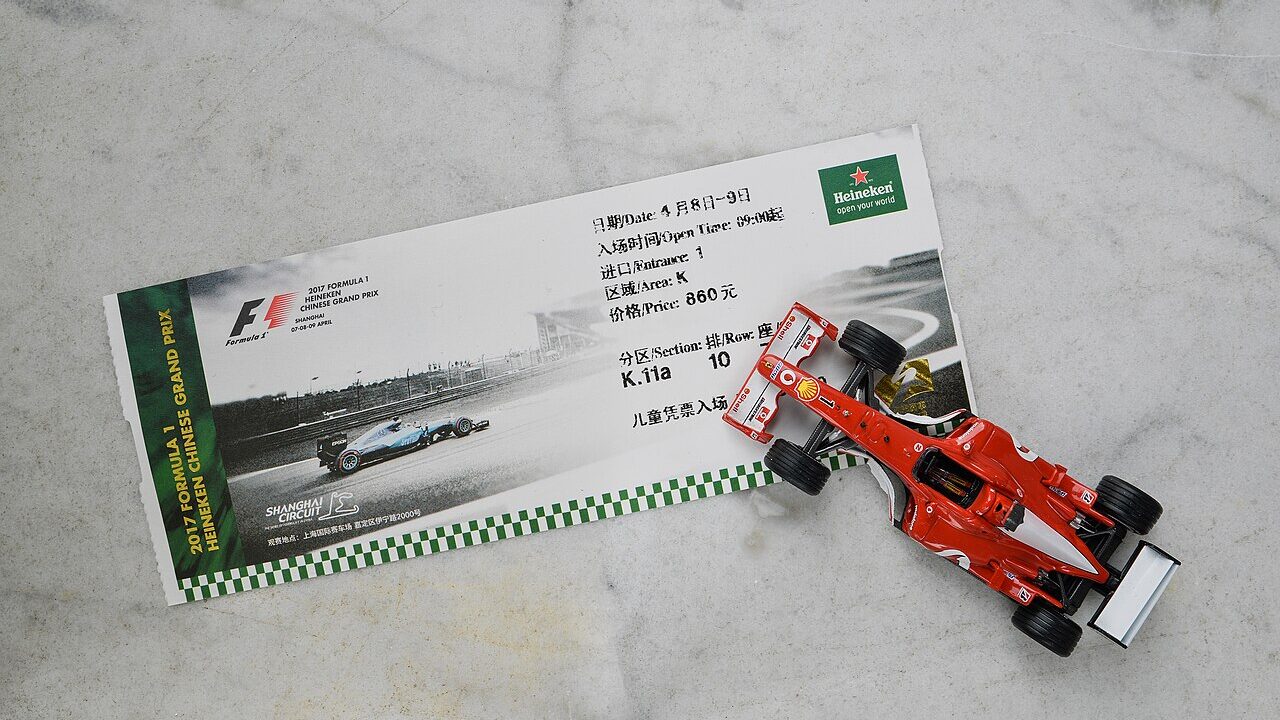
Unlike many concert or sports tickets that can be directly uploaded and transferred through StubHub’s system, Canadian Grand Prix passes are distributed digitally via the official event organizer’s ticketing platform. That system requires transfers to happen within its own framework, not through third-party marketplaces.
That structure can create confusion for sellers who attempt to move tickets through outside marketplaces. If a transfer cannot be completed exactly as required, the resale platform may still enforce penalties even if the seller believes the problem was technical or outside their control.
When Mann uploaded his tickets, StubHub’s platform couldn’t complete the digital handshake with the official Formula One ticketing system. As a result, the tickets effectively “vanished” from his seller account because they weren’t validated or transferable in StubHub’s environment.
In other words, the tickets weren’t technically lost—they were incompatible with StubHub’s resale process. This mismatch between the official distribution rules and StubHub’s resale mechanics is what caused the disappearance, leaving Mann stuck with penalties despite his good faith attempt to resell.
StubHub insist its policies are designed to protect buyers and maintain trust in the marketplace. Because tickets are sold person to person on the platform, the company requires sellers to guarantee delivery once a sale is completed.

If tickets are not provided as promised, penalties can be applied to compensate buyers and maintain confidence in the system.
Read the Fine Print Before You Resell
Still, Mann’s experience has people online debating the fairness of those rules, especially in cases where technology or platform issues play the bigger role.
Apparently, secondary ticket marketplaces come with risks for both buyers and sellers. While these platforms can make it easier to find seats to sold out events, they also operate under complex rules that may surprise users who are unfamiliar with the fine print.
For Formula One fans hoping to attend marquee races like the Canadian Grand Prix, the safest option is purchasing directly from official sellers or authorized resale channels.
Secondary marketplaces can still provide access when events sell out quickly, but the experience of one disappointed fan shows that navigating those platforms can sometimes be more complicated than expected.
Sources: CBC Canada