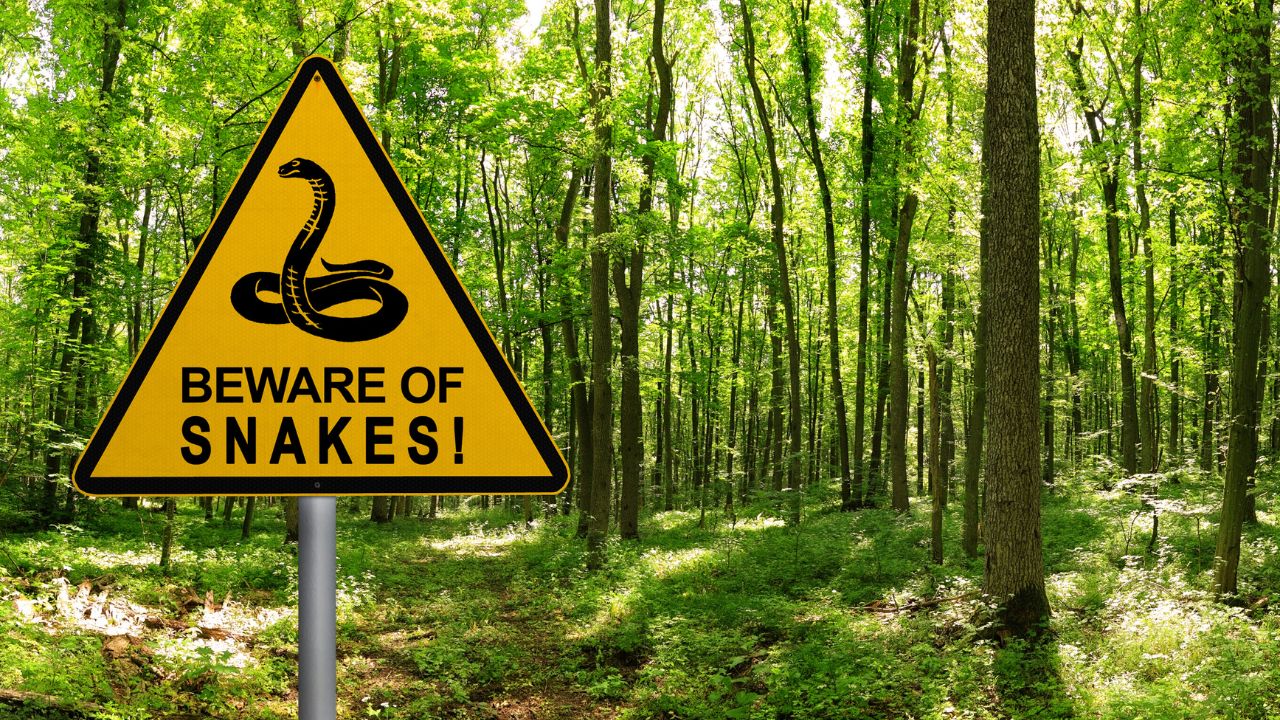
Family hikes can feel a lot less relaxing once every curved stick starts looking suspicious. The good news is that rattlesnakes are usually defensive, not aggressive, and bites are rare when people give them space. Yellowstone says its prairie rattlesnake is usually defensive rather than aggressive, while Zion says rattlesnake bites are very rare.
That still leaves one important truth for parents. Trouble usually starts when someone steps blindly, reaches into a hidden spot, or decides to mess with the snake. Bryce Canyon says nearly half of all rattlesnake bites nationwide happen when people are trying to kill, capture, or otherwise harm the snake, and Petroglyph notes that rattlesnakes rarely attack humans unless provoked.
1. Stay Where You Can Actually See the Ground
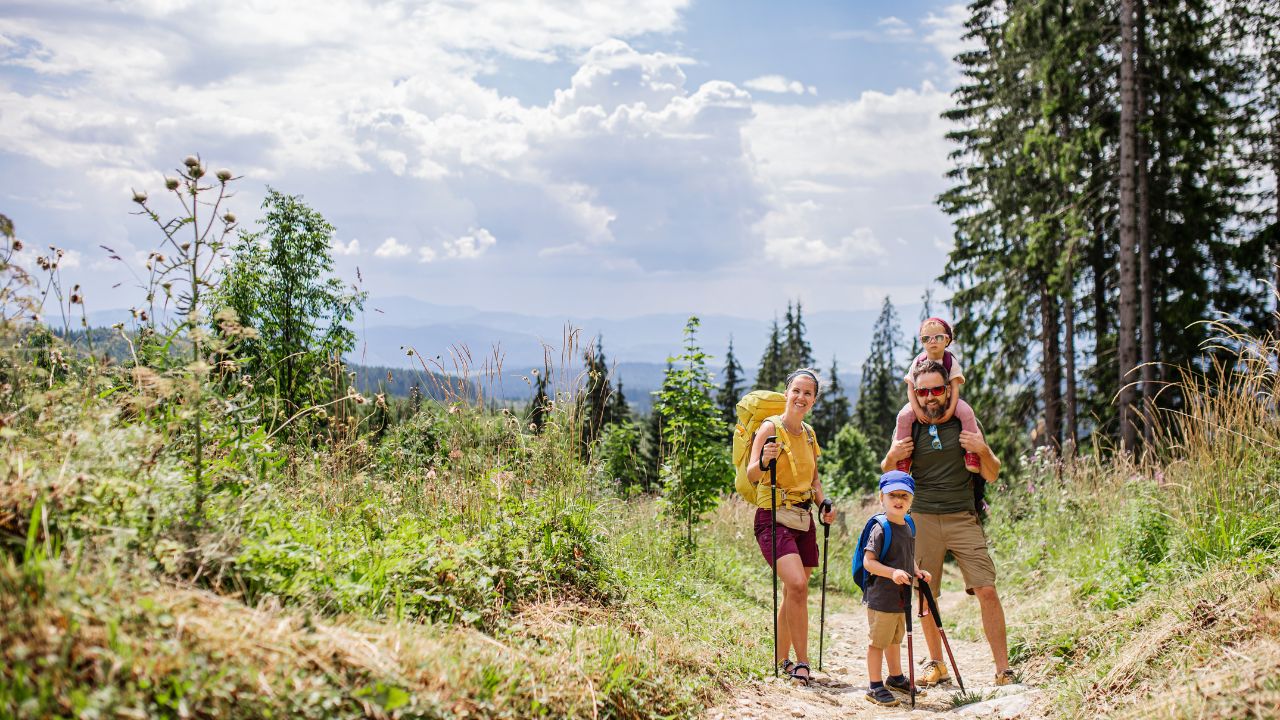
The simplest rule is also one of the most useful. Yosemite tells hikers to walk in areas where the ground is clear, and Bryce Canyon says staying on trails greatly reduces the chance of encountering a rattlesnake. That matters even more with children, who have a special talent for drifting toward exactly the sort of little edge zone a snake might like.
Timing changes the risk pattern too. Agate Fossil Beds says rattlesnakes may sun themselves on roads and trails in cool weather, but in hot weather they are more likely to hide under rocks, in grasses, or in holes. A family that understands that rhythm is less likely to make the classic mistake of stepping over a log or letting a child poke around in shady ground cover.
2. Dress for the Trail, Not the Brochure
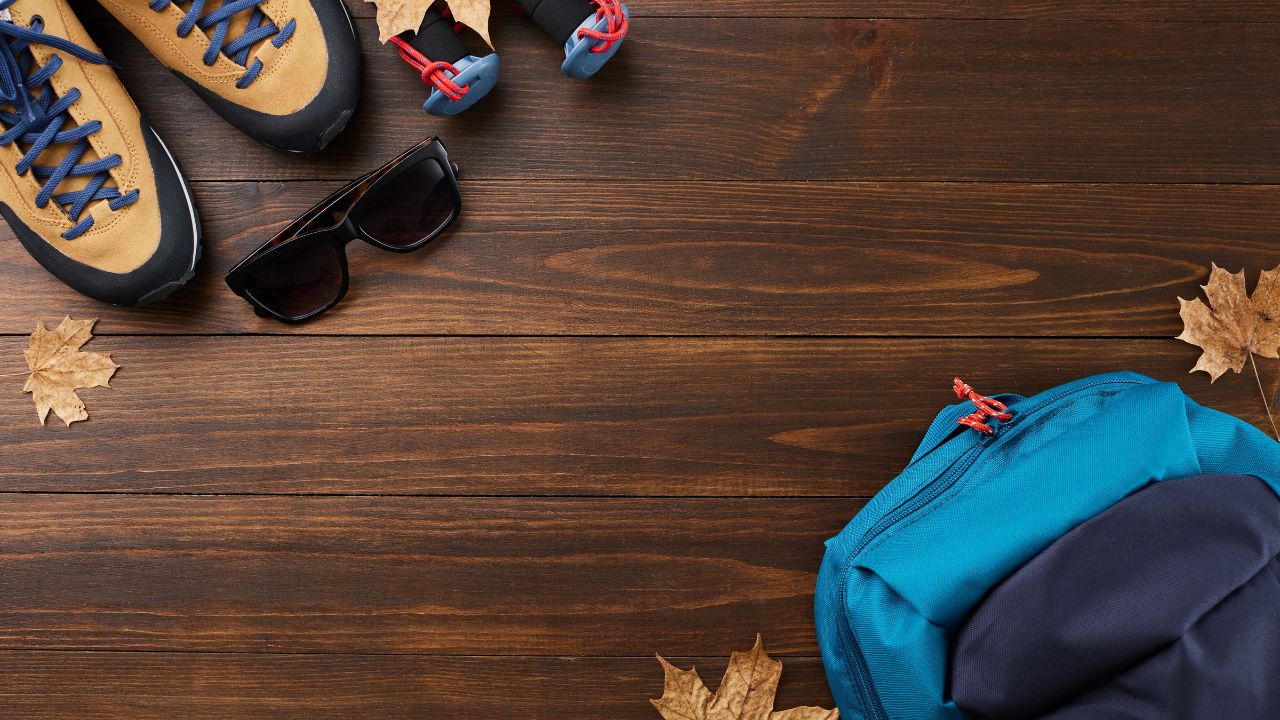
Park advice is pleasantly unglamorous here. Yosemite recommends long, heavy pants and high boots; Great Basin says to wear high, sturdy boots; and Saguaro advises boots and loose-fitting pants. Petroglyph also specifically warns against sandals and other open-toed shoes. It is not fashion advice, but it is excellent hiking advice.
Hands matter as much as feet. Yosemite tells hikers never to put their hands where they cannot see, and Saguaro says not to put hands or feet where your eyes have not been first. For families, that becomes a simple rule kids can actually remember: no grabbing rocks, logs, cracks, or holes without checking first.
3. Teach One Calm Reaction and Practice It Before the Hike
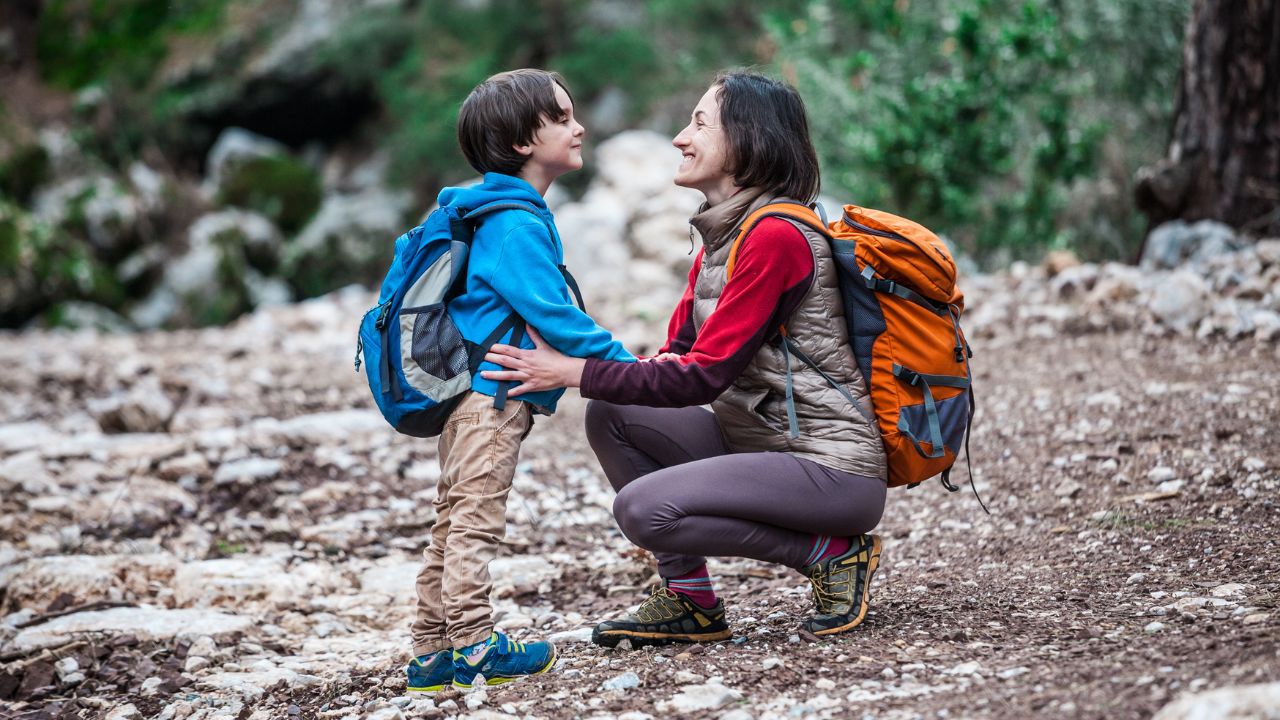
Children do better with a script than with a lecture. Yosemite says that if you think you hear a rattlesnake, stand still until you locate it, then move away. The same page warns not to rely on hearing a rattle, because baby rattlesnakes do not have one and adult rattles can break off. That makes the best family drill wonderfully simple: stop, spot, step back.
Once the snake is visible, the rule is distance, not drama. Zion advises hikers to back away slowly and give the animal plenty of space; Great Basin says to give rattlesnakes a wide berth and allow them room to escape; and Saguaro gives a useful benchmark by telling visitors to stay at least 10 feet away. That last one works especially well with kids because it leaves very little room for brave nonsense.
4. Treat Breaks, Campsites, and Dusk Like Part of the Hike
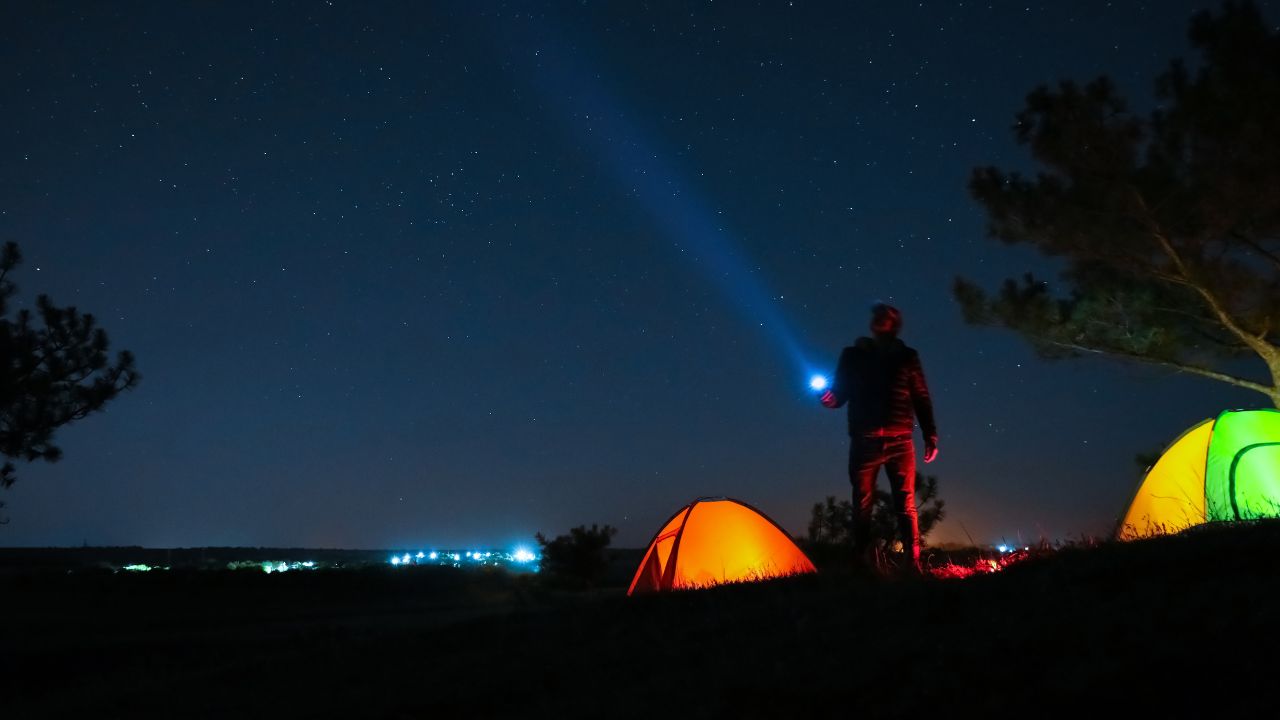
A lot of parents relax once the walking stops, which is exactly when attention can wobble. Shenandoah warns that snakes can hide under dead leaves and logs, and it also says a flashlight or headlamp matters after dusk because snakes are active at night. Great Basin adds that if you see a rattlesnake in your campsite, you should contact a ranger.
This is where small habits do a lot of work. Do not let children wander barefoot around camp, sit down without looking first, or stick hands into wood piles, brush, or rock gaps just because the trail portion is over. That is simply the campsite version of Yosemite’s warning that ledges, cracks, and holes are common resting spots, and it is a very good reason to keep evening routines tidy and well lit.
5. If a Bite Happens, Skip the Cowboy Tricks and Get Help Fast
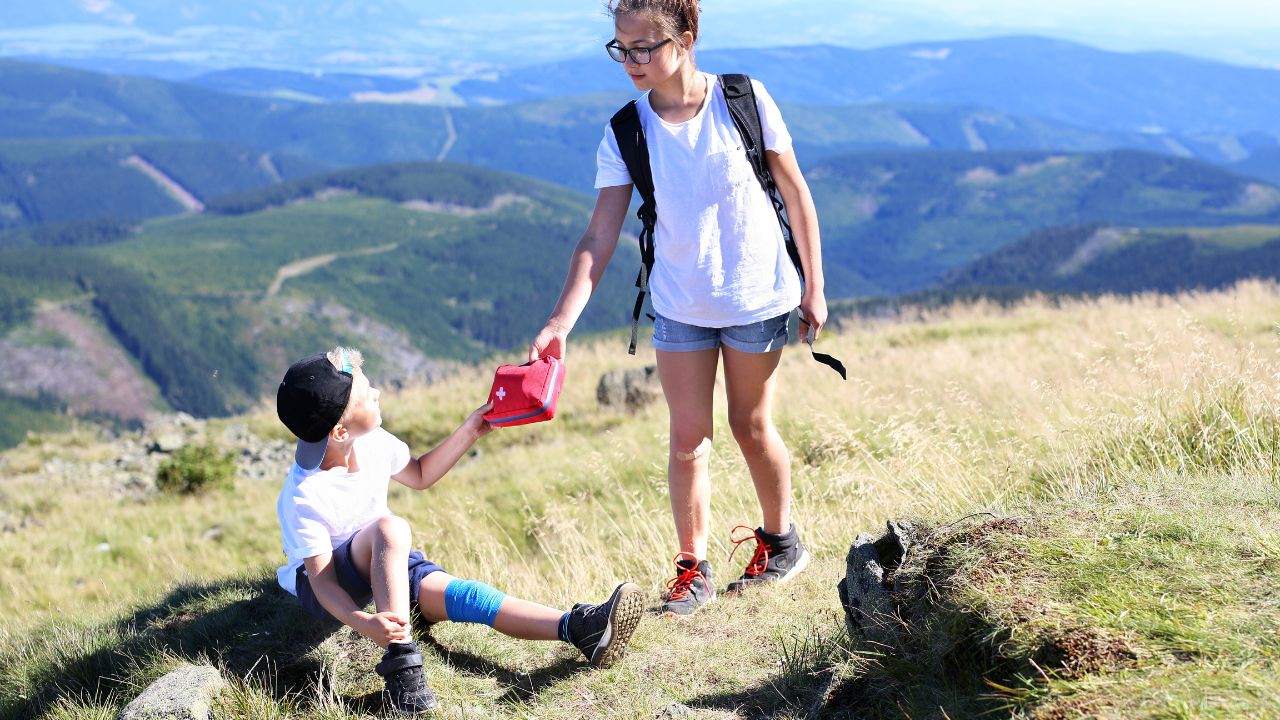
Every official source says the same thing. Yosemite calls all rattlesnake bites a medical emergency, while the CDC says to keep the bitten person still and calm, seek medical attention as soon as possible, call 911 or local EMS, and contact Poison Control at 1-800-222-1222. The same CDC guidance says that if you cannot get the person to a hospital right away, lay or sit them down with the bite below the level of the heart.
The old movie tricks are worse than useless. CDC/NIOSH says not to apply ice, not to use a tourniquet, and not to cut the bite or try to draw out the venom. The CDC also says not to pick up or try to trap the snake. If it is safe, remember the snake’s color and shape or take a photo from a distance, and then focus on getting professional treatment instead of trying frontier medicine in the parking lot.
With kids, the safest snake plan is gloriously boring: stay on the path, watch the ground, keep your distance, and act calmly. It may lack cinematic flair, but this is the kind of dull competence that keeps a national park day fun instead of memorable for all the wrong reasons.