A lot of travel advice about drinking water is folklore, like wearing a backpack. For this slideshow, the backbone is the World Bank indicator for people using safely managed drinking water services, which draws on the WHO/UNICEF Joint Monitoring Programme. That measure is stricter than simple access. It covers water from an improved source that is available on the premises when needed and free from sewage and priority chemical contamination.
One important footnote is that country pages do not all update in the same year, so the percentages below reflect the most recent figure surfaced for each place. A strong national score still does not guarantee that every faucet in every building is flawless. Old plumbing, temporary utility work, and local advisories can change the picture at street level, especially in older properties or remote areas. Read this as a practical guide, not a magic spell.
1. Iceland
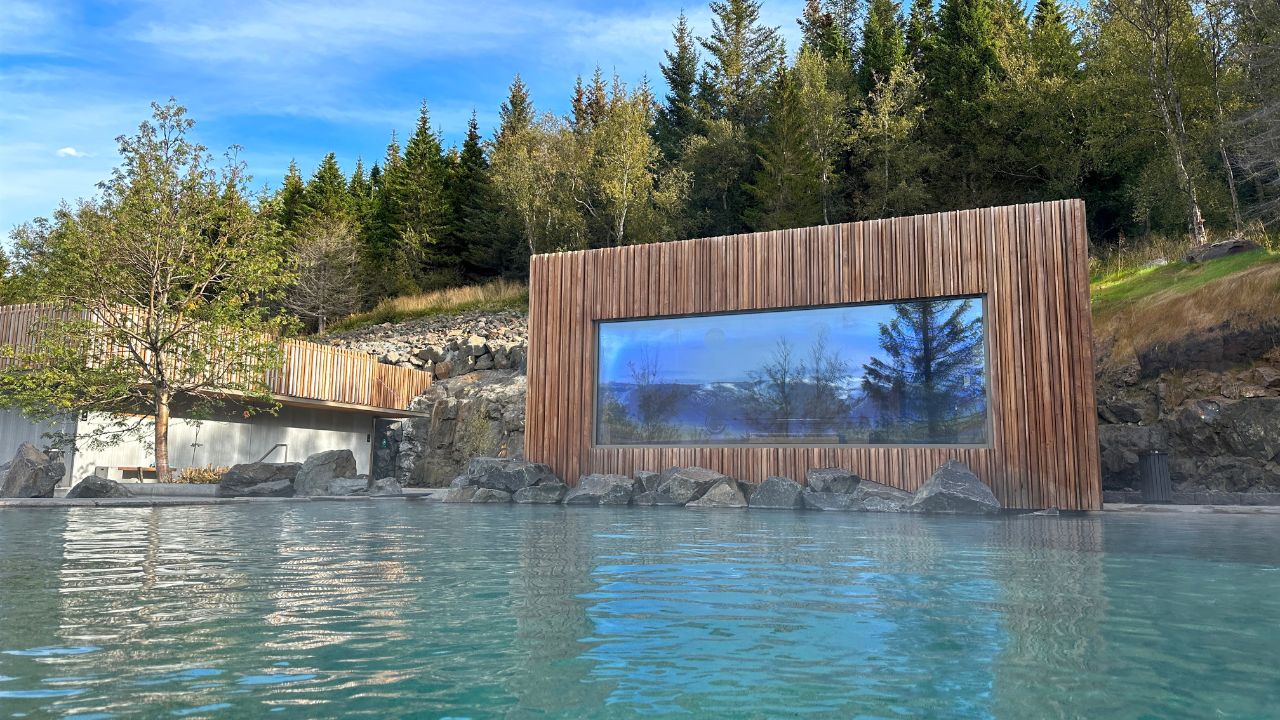
Iceland belongs right at the top of the easy-refill category. The most recent World Bank figure lists Iceland at 100% (2024) for safely managed drinking water services. Reykjavík’s official visitor guide also says the city’s tap water is well monitored and encourages visitors to drink it freely. See Visit Reykjavík’s practical information page.
That makes daily travel simpler in the best possible way. Instead of treating hydration like a logistics puzzle, most visitors can just refill a bottle and move on. In Iceland, buying bottled water all day usually feels less like caution and more like forgetting where you are.
2. Denmark
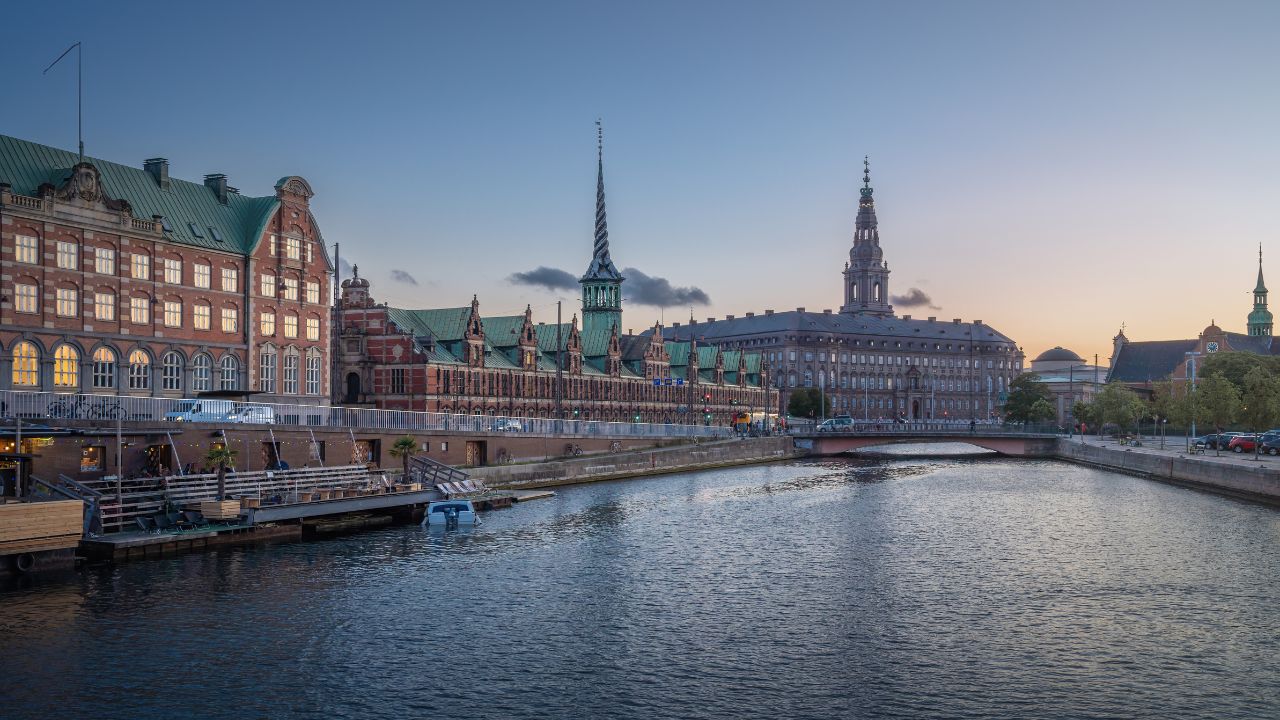
Denmark scores extremely high as well. Trading Economics, using World Bank data, lists Denmark at 99.92% (2022) for safely managed drinking water services. VisitDenmark is also refreshingly direct about it: you can drink water straight from the tap during your stay.
Part of the appeal is how ordinary this is in daily life. The Danish Environmental Protection Agency says drinking water in Denmark is produced from groundwater, and its groundwater mapping page notes that more than 99% comes from groundwater. Copenhagen’s utility, HOFOR, adds that the city’s supply undergoes strict daily quality controls. A refill here is routine, not a gamble.
3. Finland
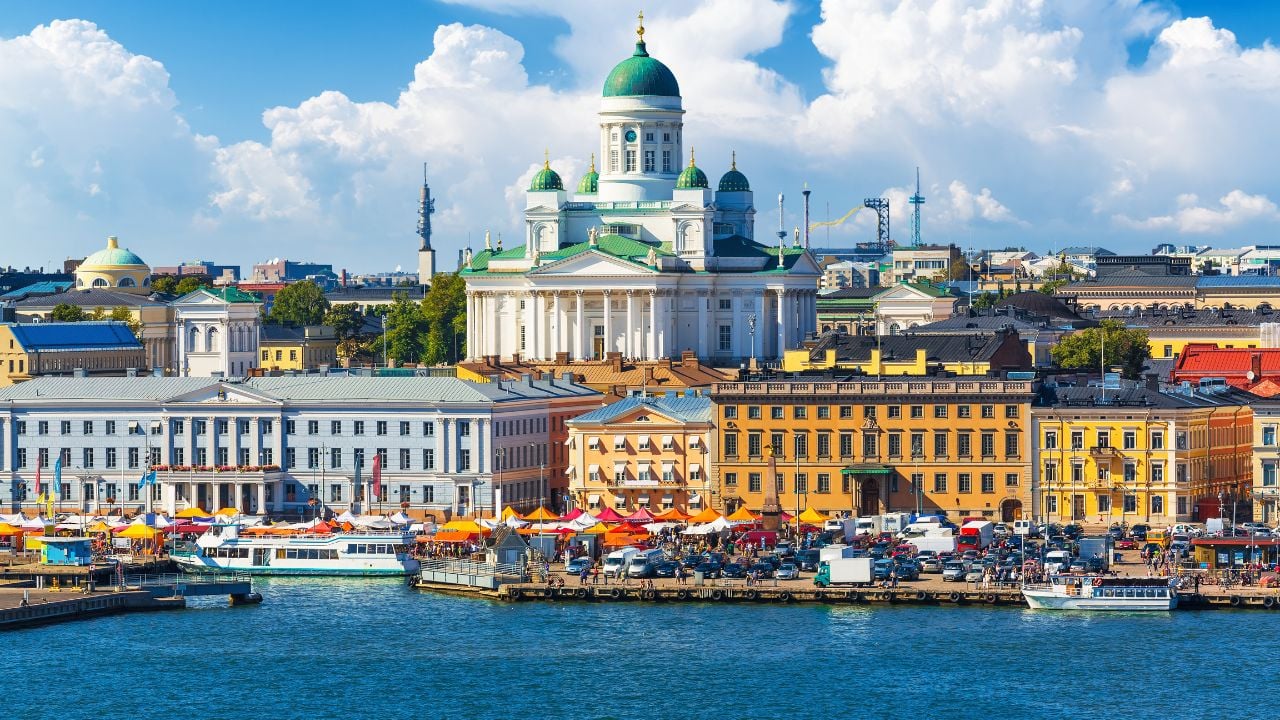
Finland rounds out the safe side nicely. Trading Economics, using World Bank data, lists Finland at 99.64% (2022) for safely managed drinking water services. Finland’s public-health authority, the Finnish Institute for Health and Welfare, says drinking water supplied by water plants is of very good quality and safe to use.
That changes the travel rhythm in a pleasant way. Instead of buying plastic bottles between museum stops or train rides, most visitors can simply refill and move on. For extra clarity, Finland’s foreign ministry says on its practical information page that tap water is safe to drink everywhere in Finland unless clearly indicated otherwise.
4. Indonesia
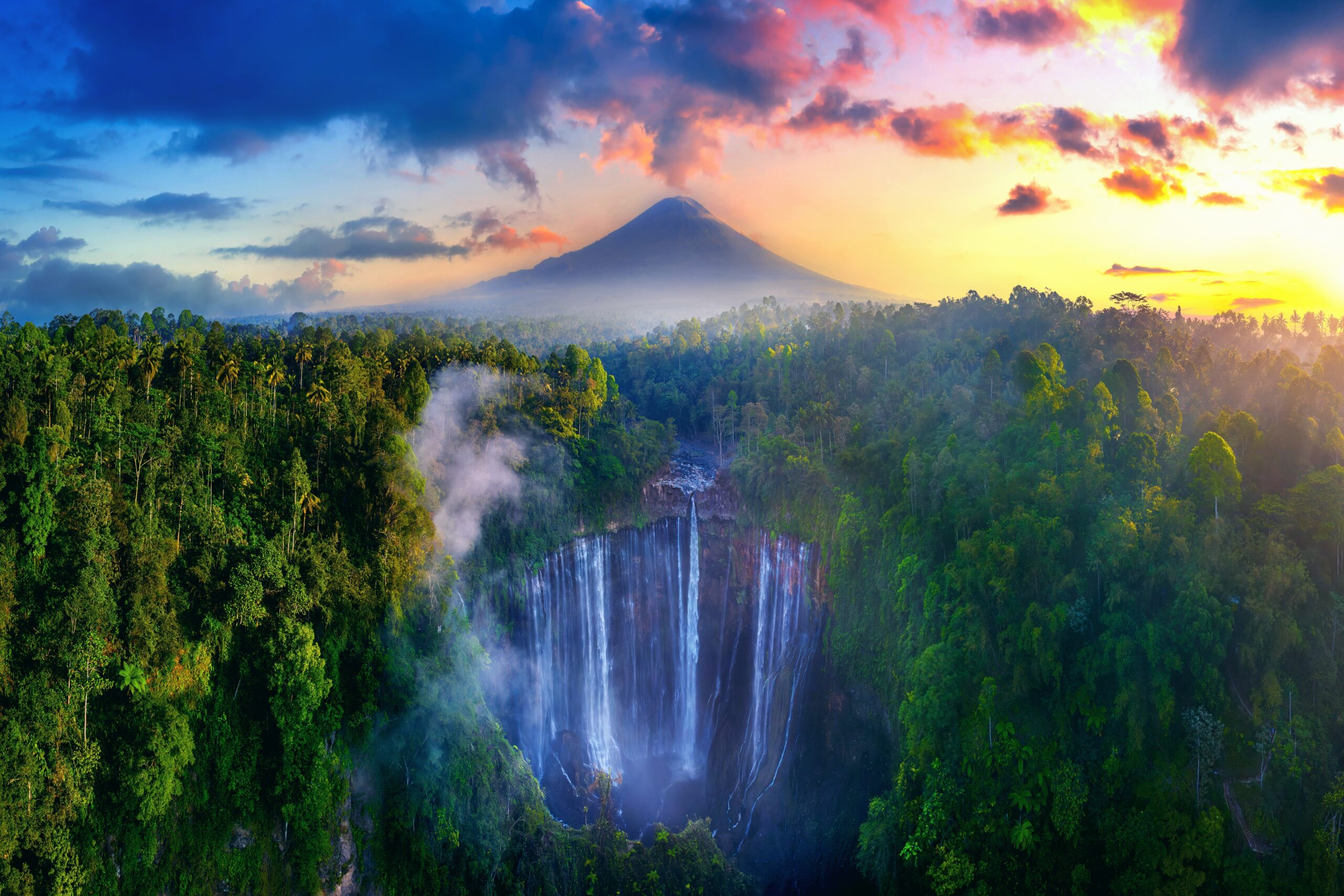
Indonesia lands on the caution side without much ambiguity. A World Bank-linked data page carried by CEIC reports 30.461% (2024) of the population using safely managed drinking water services. The U.S. State Department’s Indonesia page is equally blunt: tap water is not potable and should not be consumed.
For tourists, the practical rule is simple. Stick to sealed bottled water or properly treated water, and remember that ice can be part of the same problem if the source is uncertain. In a country with huge regional variation, overconfidence is a deeply unglamorous travel accessory.
5. Peru
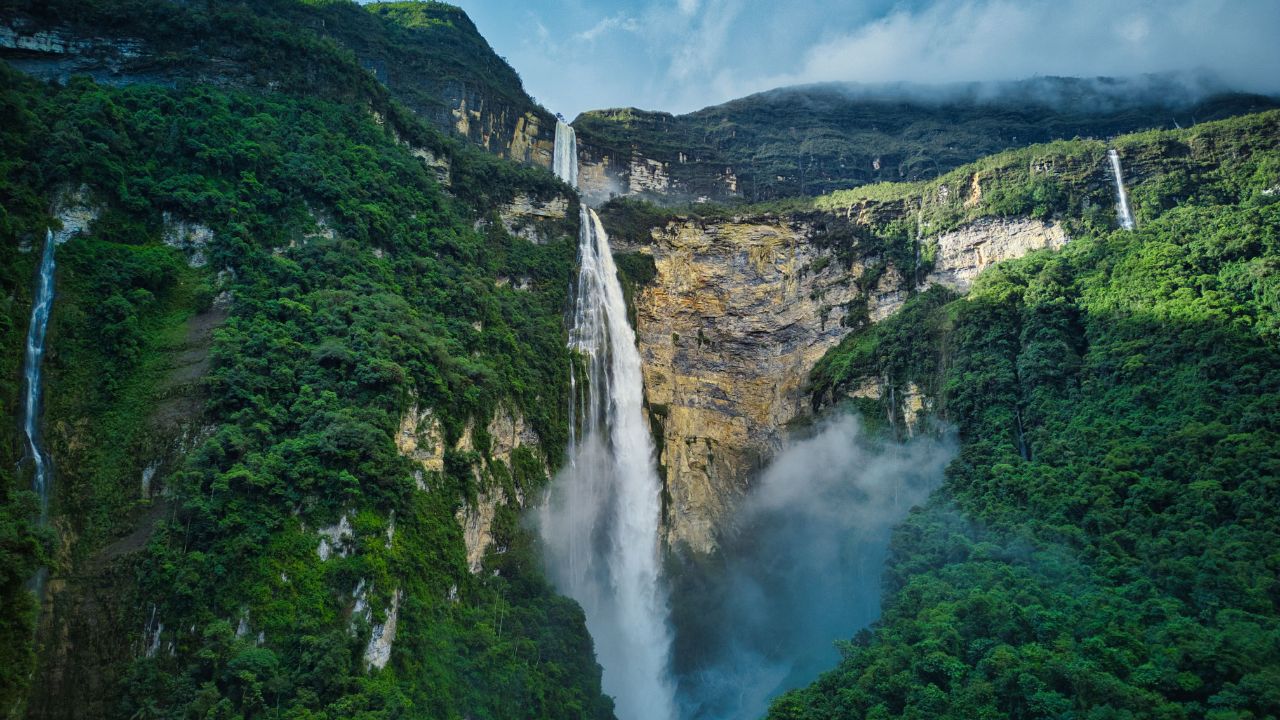
Peru is another place where caution makes sense. Trading Economics, citing World Bank data, reports 51.99% (2022) for safely managed drinking water services. The CDC Yellow Book entry for Peru advises travelers to avoid untreated water, including tap water at hotels and restaurants.
That matters because Peru is a country many people explore across multiple environments in one trip. Lima, Cusco, the Sacred Valley, and Amazon gateways do not all present the same local conditions, so a casual assumption can age badly by lunchtime. A sealed bottle, filtered refill, or boiled supply is usually the smarter play.
6. Mexico
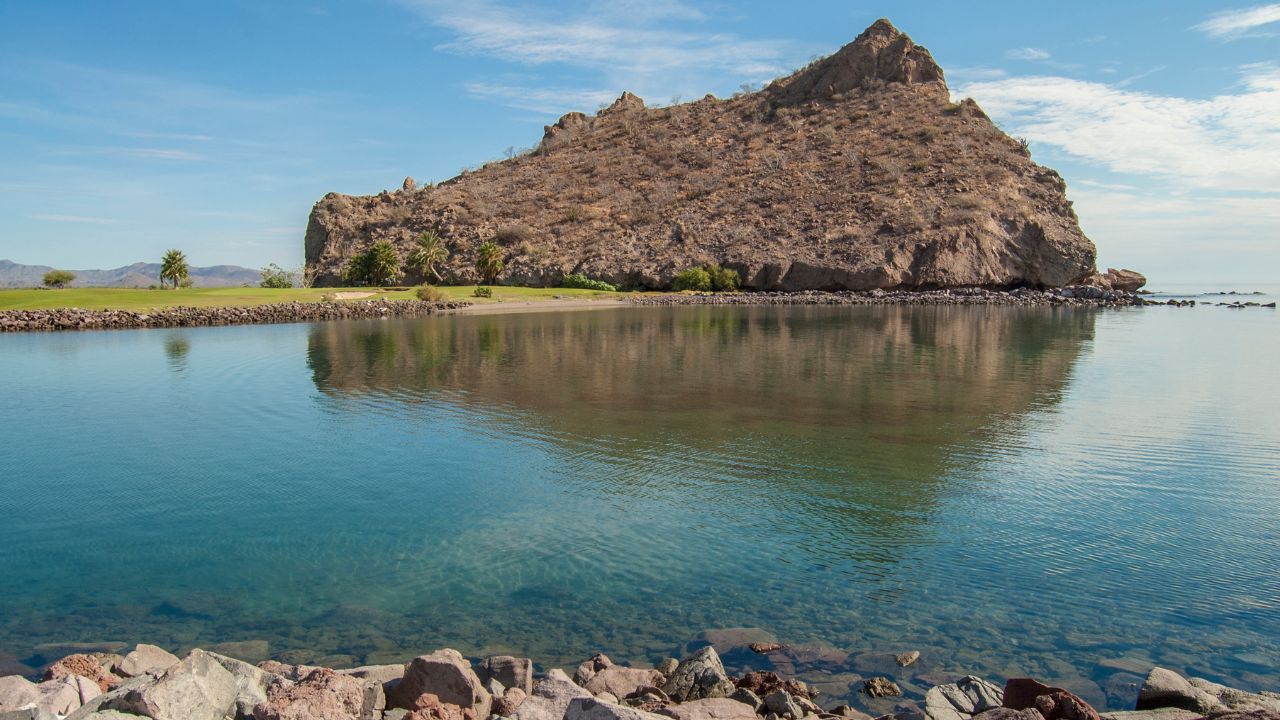
Mexico also belongs in the careful category. Trading Economics reports 43.04% (2022) for safely managed drinking water services using World Bank data. The CDC Yellow Book states plainly that tap water in Mexico is not safe to consume, and the U.S. State Department says tap water in many areas is not safe to drink.
That does not mean every glass in every neighborhood is a disaster. It does mean travelers should stop treating the sink as automatically trustworthy, especially outside tightly controlled settings. Use bottled or disinfected water for drinking, and stay alert with ice and anything else that quietly sneaks liquid into the equation.
7. India
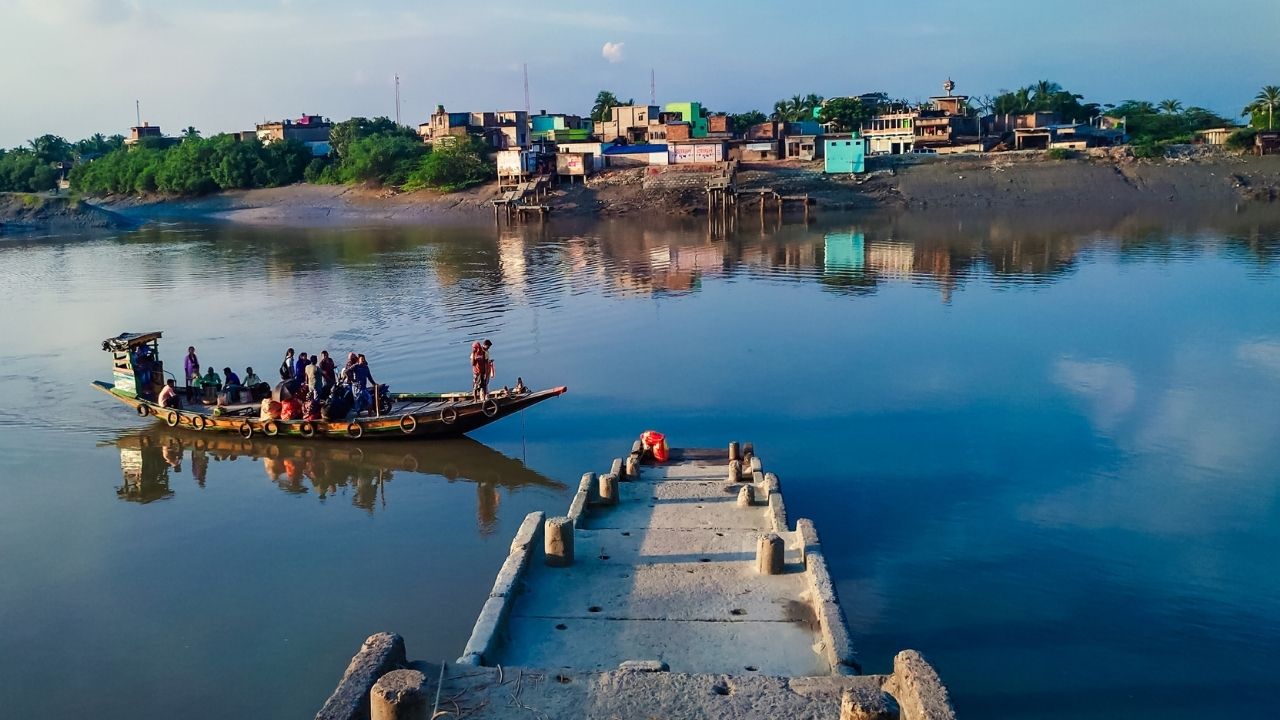
India’s picture is more mixed, but visitors should still be cautious. The latest World Bank entry for India shows 76% (2024) of the population using safely managed drinking water services. At the same time, the CDC Yellow Book entry for India tells travelers to avoid drinking tap or surface water and to use boiled, bottled, or filtered water instead.
Scale is part of the story. A huge country with sharp regional differences can produce a decent national number while still demanding stricter habits from outsiders. The wise move is not panic, just discipline: use treated water for drinking and be equally careful with ice and food preparation.
8. Morocco
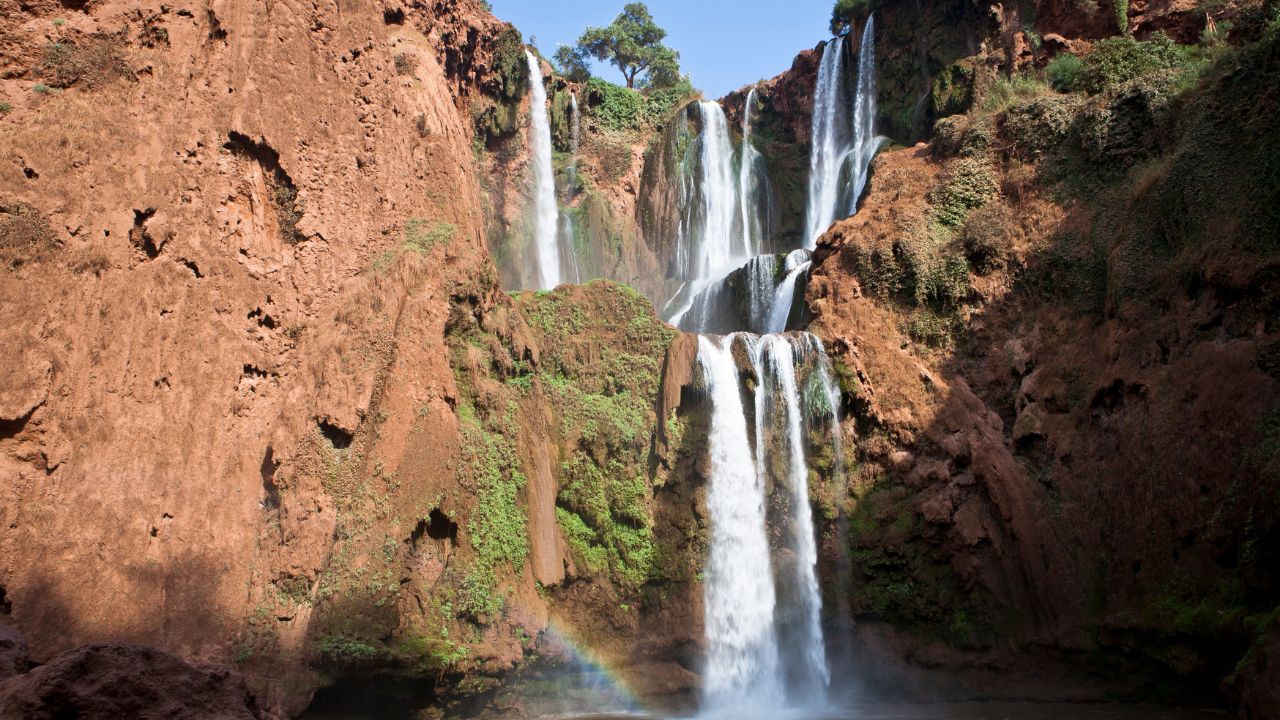
Morocco sits closer to the global middle than the top tier. Trading Economics, using World Bank data, reports 74.82% (2022) for safely managed drinking water services. The U.S. State Department’s Morocco page adds an important travel-level reality check: in many areas, tap water is not potable.
That is not a reason for melodrama. It is a reason to ask locally, follow hotel guidance, and keep a backup plan instead of assuming Northern European rules apply everywhere. Morocco can work perfectly well for cautious travelers, but this is not the place to freestyle your hydration strategy and hope for applause.