Performance cars have become dramatically more expensive over the past decade. A new Porsche 911 can easily push well past $120,000, and even many “attainable” sports cars now land in price ranges that once belonged to serious exotics. For enthusiasts who still want serious performance without a six-figure budget, that reality has pushed many buyers toward the used market.
One smart place to look is at the cars that built their reputations as underdogs. These were machines that delivered far more performance than their price tags suggested when they were new. In period tests, they often kept pace with, or even outperformed, far more expensive sports cars. That combination of value and driving engagement helped many of them develop loyal followings.
Today, those same cars still hold strong enthusiast appeal. While many have appreciated over time, they are often still far less expensive than the high-end machines they once challenged. For buyers seeking real driver involvement and the potential to hold value, these performance standouts remain among the most interesting options in the used market.
How These Six Cars Earned Their Reputation
This list focuses on six production cars that built their names by outperforming their apparent class or price bracket. Each one earned its reputation through a clear record of overachievement, whether that meant exceptional handling, strong acceleration for the money, or performance that reached into much more expensive territory. Price mattered because the appeal of these cars comes from how much performance they delivered for their cost. Factory engine figures and original launch pricing helped narrow the field. Instrumented test data mattered too, since stopwatch proof usually settles arguments quickly.
Another requirement involved long-term reputation. Plenty of fast cars flash brightly for a moment, then slip out of the conversation. The cars here kept their standing because the driving experience stayed memorable long after newer models arrived. Mechanical character also shaped the final cut. The best performance cars feel alive from the driver’s seat, not merely quick on paper. That is why this group mixes lightweight coupes, rally-bred sedans, a humble roadster, and a technologically ambitious Nissan. Each demonstrated performance value in a different way.
Honda S2000

Honda gave the S2000 all the ingredients of a great performance bargain. When it arrived in 2000, it brought a 2.0-liter naturally aspirated four-cylinder with 240 horsepower, an 8,900-rpm redline, a six-speed manual, and a base price around $32,000. On paper, that looked like a serious sports car for sensible money. On the road, it felt even sharper.
Car and Driver tested the S2000 against the BMW M Roadster, Mercedes-Benz SLK, and Porsche Boxster, and the Honda finished first. That result explained the car perfectly. It delivered razor-sharp responses, a thrilling high-revving engine, and real precision from behind the wheel. The S2000 never needed huge torque or exotic branding to make its point.
Clean S2000s today often sell for about what a new one cost back then. That might not sound cheap, but for a lightweight, high-revving sports car with this kind of reputation and driver engagement, it still represents strong value, and it’s a car that continues to gain appreciation from both longtime fans and a younger generation discovering it for the first time.
Editor’s Note: This might be surprising for today’s 2000 fans to hear, but when the car was new, it wasn’t nearly as well-known outside enthusiast circles as you might imagine. I purchased a new AP2 S2000 in 2006 and saw that contrast firsthand.
If you were at autocross events, import clubs, or around the Fast and Furious crowd, everyone knew exactly what the car was. In those spaces, it felt like one of the most popular enthusiast cars on the road, and everyone understood why it was special.
Outside that bubble, the reaction could be very different. On road trips, I was often surprised by how many people would ask what the car was. And of course, there were always “those” car guys who felt obligated to point out that I should have bought a Boxster, a BMW, a Miata, or whatever their personal favorite happened to be instead.
Acura Integra Type R
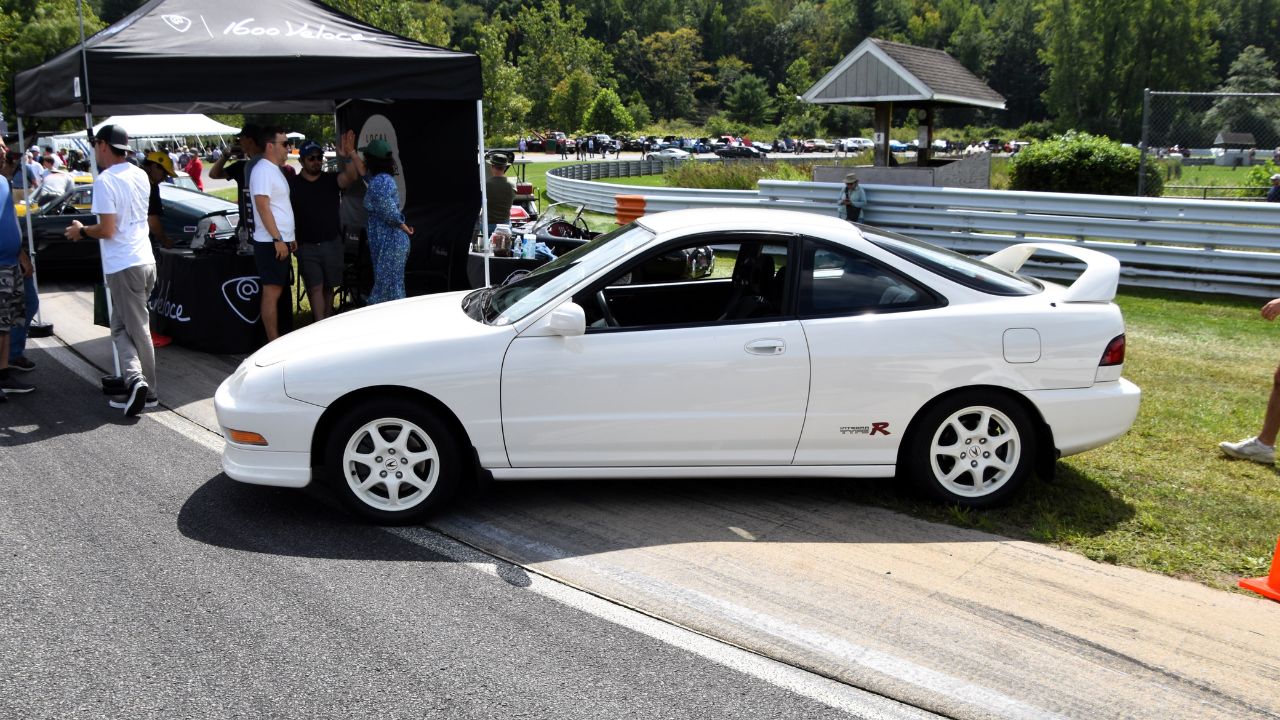
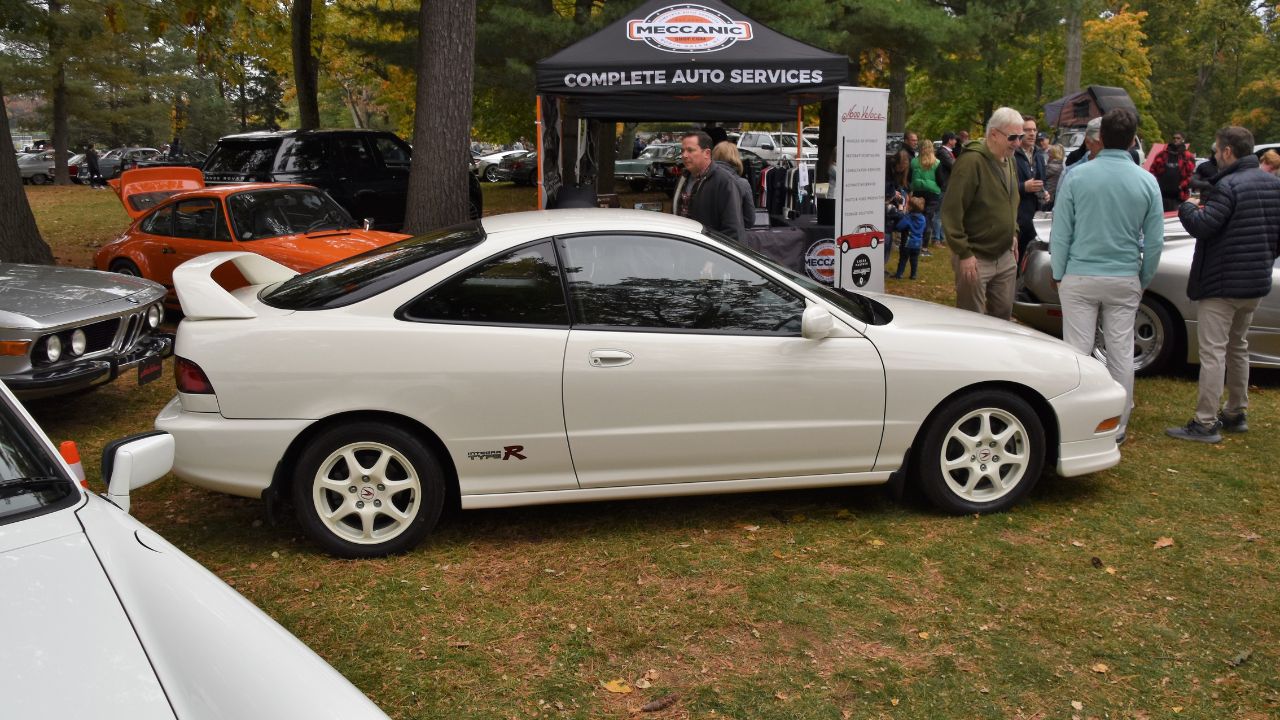
Few front-wheel-drive cars have ever built a reputation as fierce as the 1997 Acura Integra Type R. Acura priced it at $24,000, fitted it with a hand-assembled 1.8-liter four-cylinder making 195 horsepower at 8,000 rpm, and kept curb weight to just 2,560 pounds. That recipe sounds simple. On the road, it felt anything but ordinary.
Today, the Integra Type R is well known among enthusiasts, but like many cars on this list, it is also being discovered by younger drivers who never saw it new on showroom floors.
The shifter moved with rifle-bolt precision, the chassis rotated with rare clarity, and the engine begged to live near the top of the tachometer. Car and Driver later described it as raw, compelling, and already a true classic, noting that even the NSX from the same brand could not match its mechanical engagement. Bigger and faster cars could beat it in a straight line, yet very few delivered the same purity per dollar.
Lotus Elise
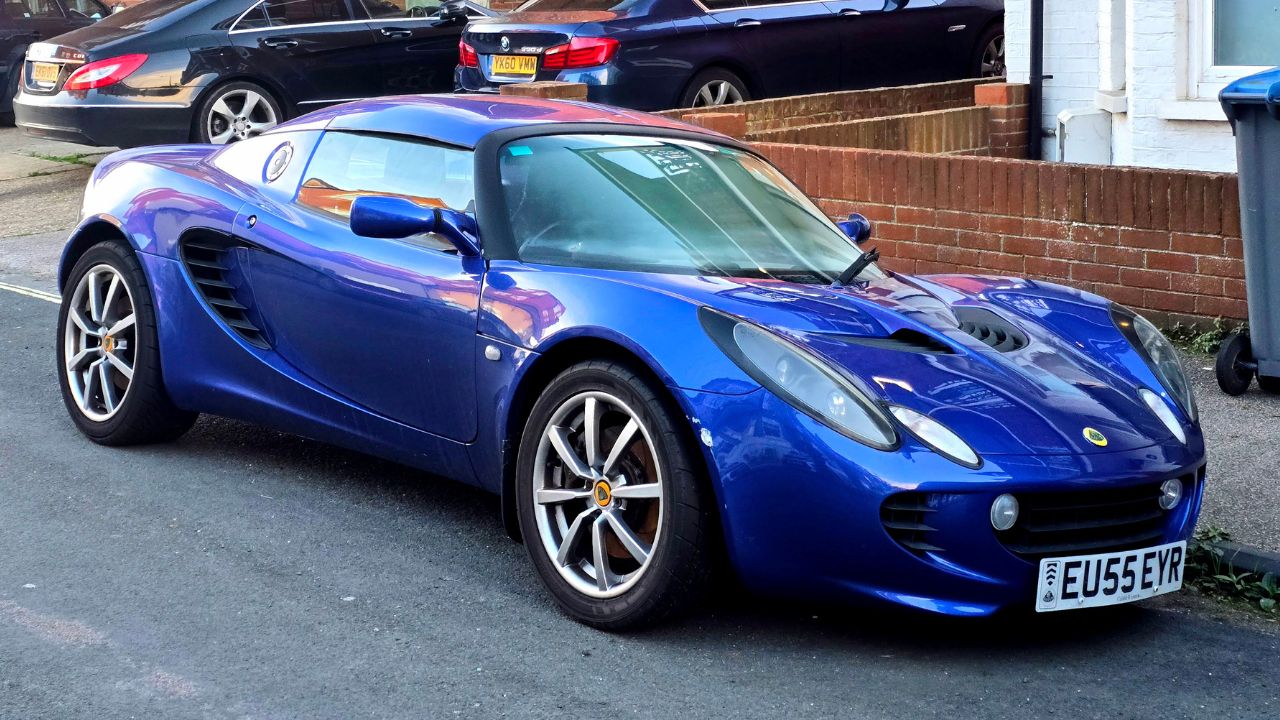
Like the S2000, the Lotus Elise is another car that car enthusiasts know well. It shows up constantly in track-day discussions, forum debates, and “best driver’s car” lists. But if you actually spend time driving one around in the real world, the reactions can be very different. You quickly realize that not every car enthusiast spends their time buried in magazines or arguing on car Reddit.
Lightness became a guiding philosophy at Lotus, and the 2005 Elise demonstrated it with unusual conviction. U.S. buyers saw a base price of $40,780, a Toyota-sourced 1.8-liter four-cylinder with 190 horsepower, and a curb weight just under 2,000 pounds. Those numbers created a car with a 5.1-second sprint to 60 mph, a 0.99 g skidpad result, and a personality that felt far more exotic than its engine output suggested.
MotorTrend called it a class of one regardless of price. Car and Driver later ranked the Elise SC second in its best-handling car in America test, praising its unmatched purity and steering feel. A Porsche Boxster Spyder edged it on overall polish, yet the Lotus still stood out for its clarity and engagement. For drivers who care more about feel than horsepower numbers, it remains one of the clearest examples of how much performance careful engineering can deliver without massive power.
Subaru Impreza WRX STI

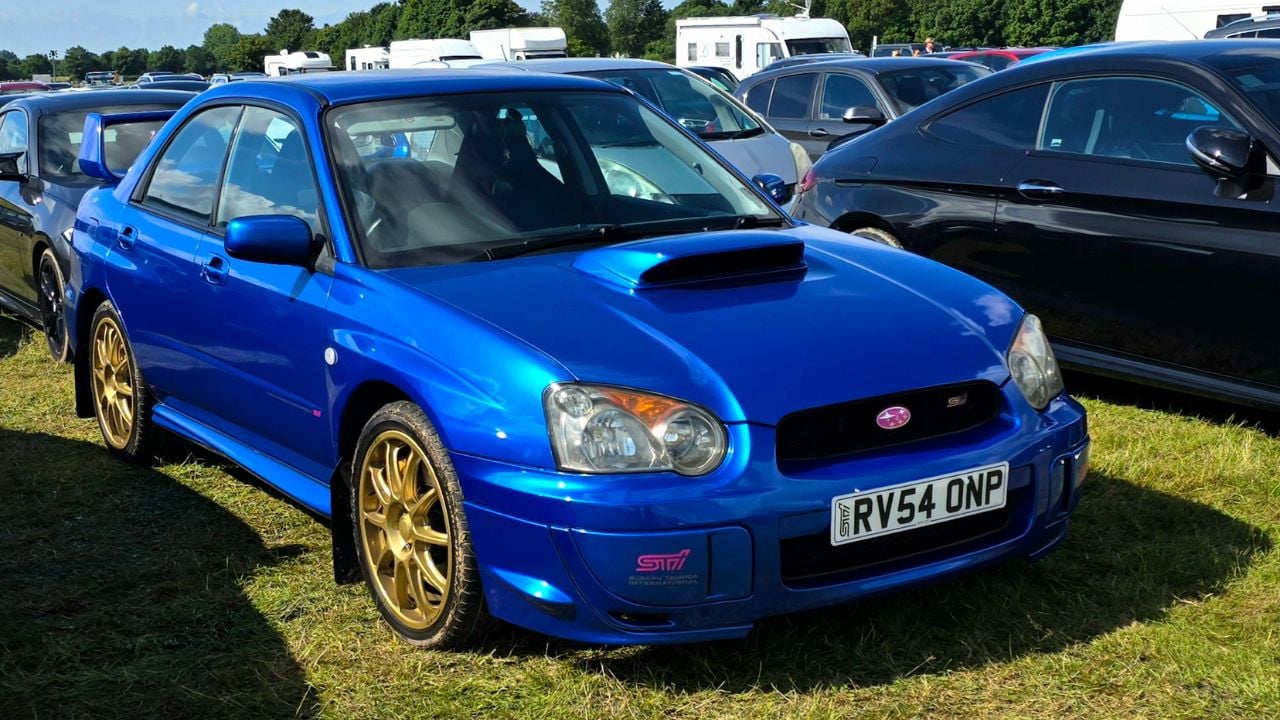
Rally heritage gave the 2004 Subaru Impreza WRX STI a completely different kind of performance value. Here was a compact four-door sedan with a turbocharged 2.5-liter flat four producing 300 horsepower, a six-speed manual, all-wheel drive, and a base price of $31,545. MotorTrend recorded a 4.9-second run to 60 mph and called it the ultimate blue light special.
Another MotorTrend long-term verdict went even further, saying nothing else on the market could match it for the money. It looked like a practical sedan, yet its grip and acceleration gave it performance that surprised drivers accustomed to more expensive sports cars.
Chevrolet Corvette Z06
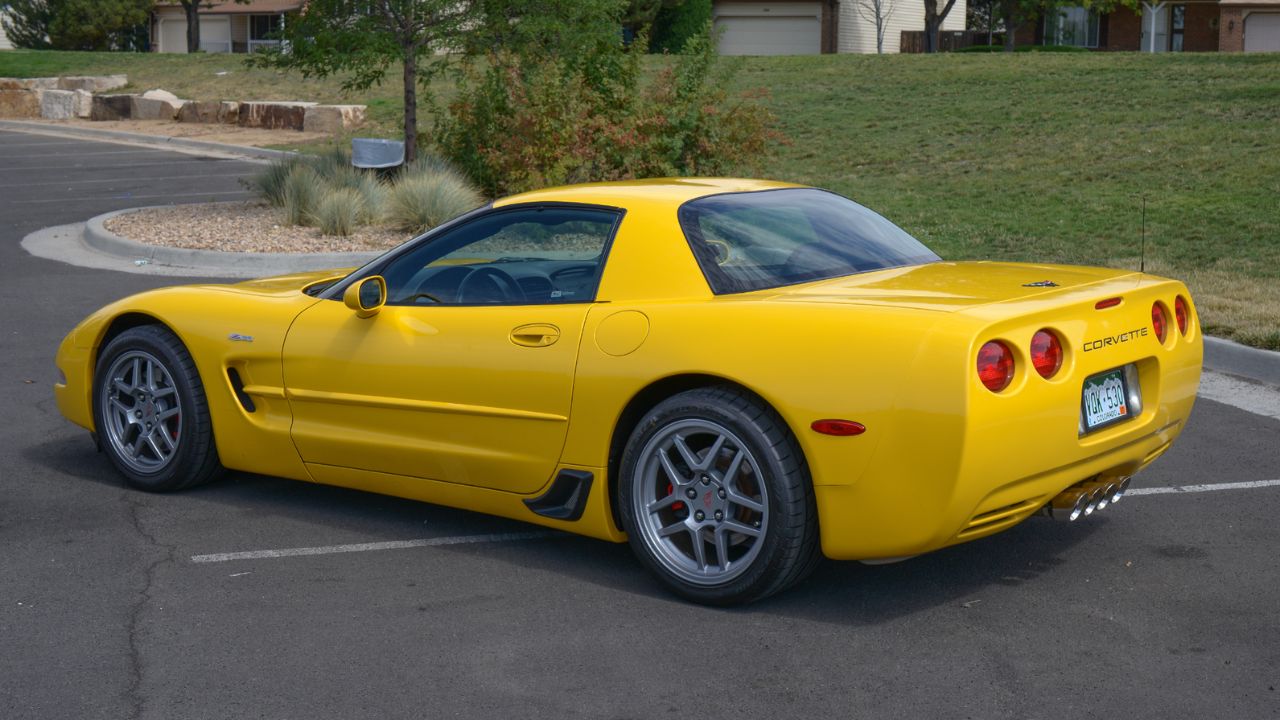
Chevrolet reached a particularly sharp point with the 2002 Chevrolet Corvette Z06. Output from the 5.7-liter LS6 V8 rose to 405 horsepower, and the price landed around $50,844. Car and Driver quickly pointed out what that meant in the wider market. The next rung on the ladder included the $74,050 Dodge Viper GTS ACR and the $118,098 Porsche 911 Turbo.
Even better, the Z06 weighed just 3,181 pounds, about 300 pounds less than the Porsche Turbo. That combination gave American buyers serious performance for the money. The Z06 offered huge grip, strong acceleration, and the kind of long-hood V8 character that felt unmistakably American while delivering performance close to far more expensive sports cars.
Nissan GT-R
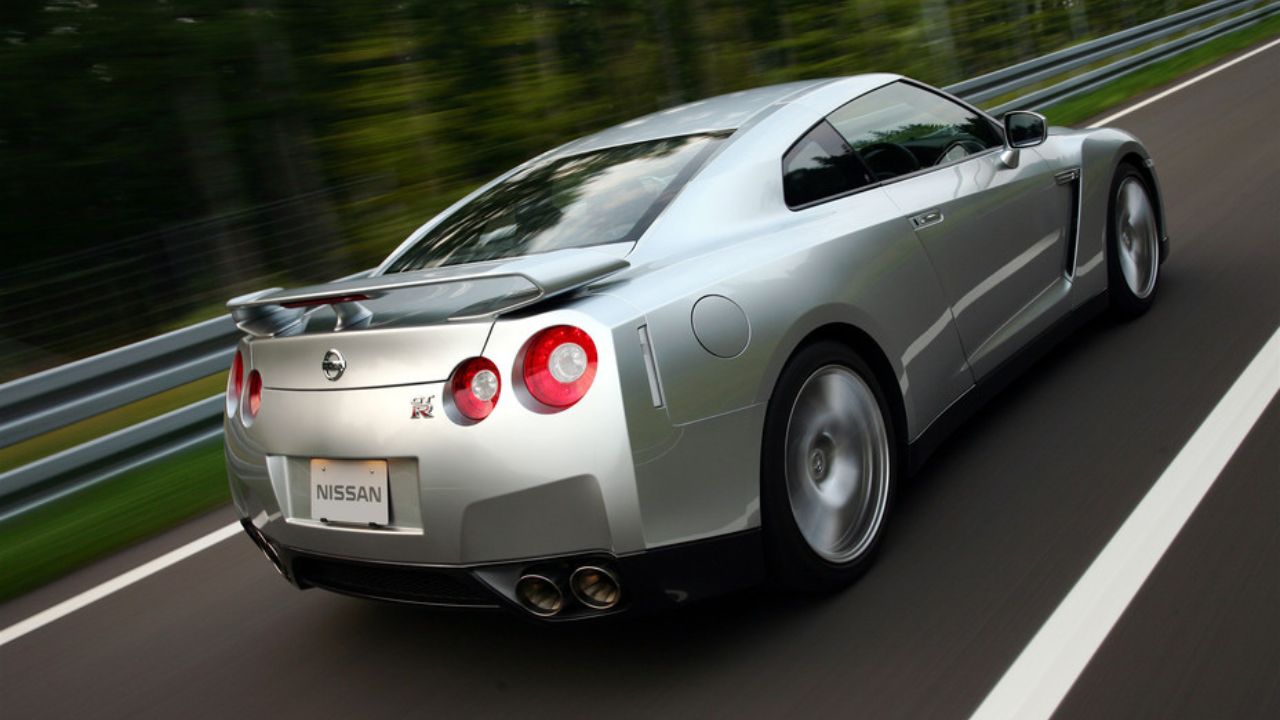
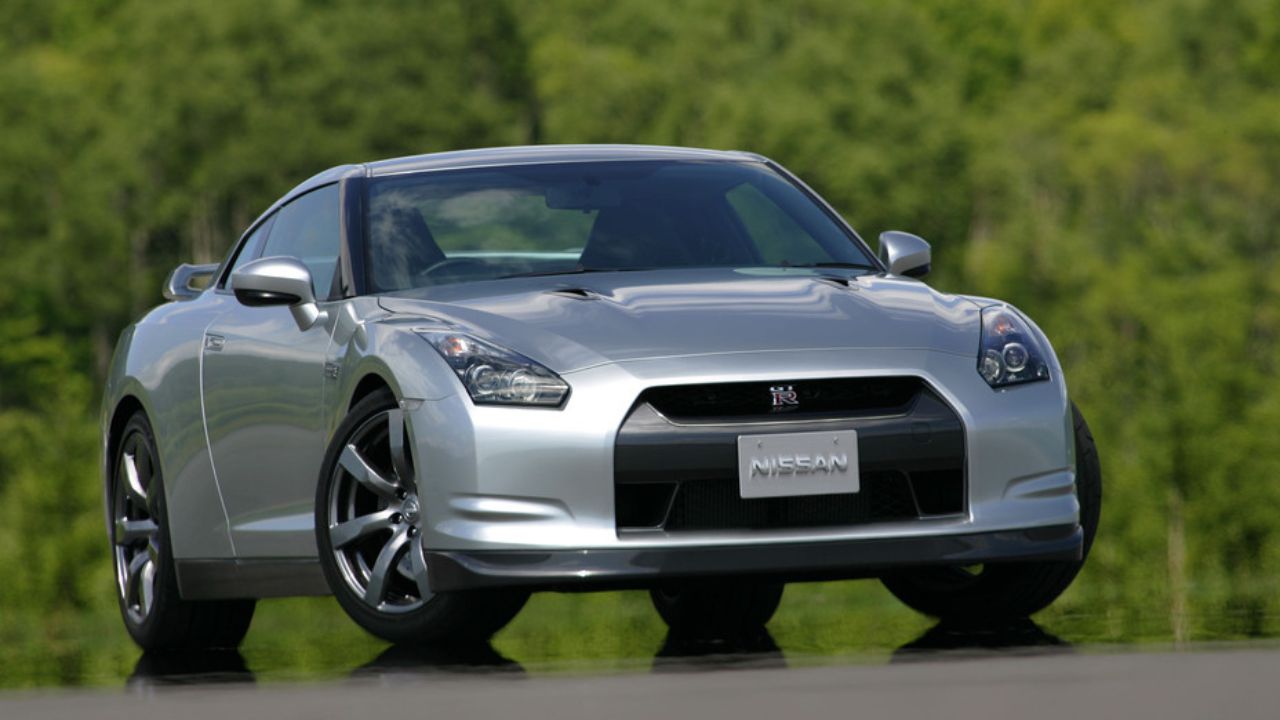
Then Nissan introduced the 2009 GT-R and reshaped expectations almost overnight. The base price landed at $70,475, which already looked bold for a Nissan badge, until the performance numbers came in. A twin-turbo 3.8-liter V6 produced 480 horsepower, the dual-clutch transmission shifted instantly, and Car and Driver recorded 3.3 seconds from zero to 60 mph plus an 11.5-second quarter mile at 124 mph.
Those figures placed it firmly in the territory of far more expensive European performance cars. The GT R achieved that performance through advanced electronics, immense traction, and highly sophisticated engineering. It felt very different from the analog heroes on this list, yet it delivered remarkable speed for the price.
Why These Cars Still Matter
These cars remain relevant because they represent something increasingly rare: performance that feels deeply engaging without requiring exotic budgets.
Many enthusiasts already know these models well. At the same time, a new generation of drivers is discovering them for the first time through online communities, racing games, and car culture media.
The common thread is focus. Each of these cars followed a clear performance idea and executed it well enough that enthusiasts still talk about them decades later. Some have become collectible, others remain relatively attainable, but all of them show how much performance smart engineering can deliver without exotic price tags. Which one would get your garage key today?