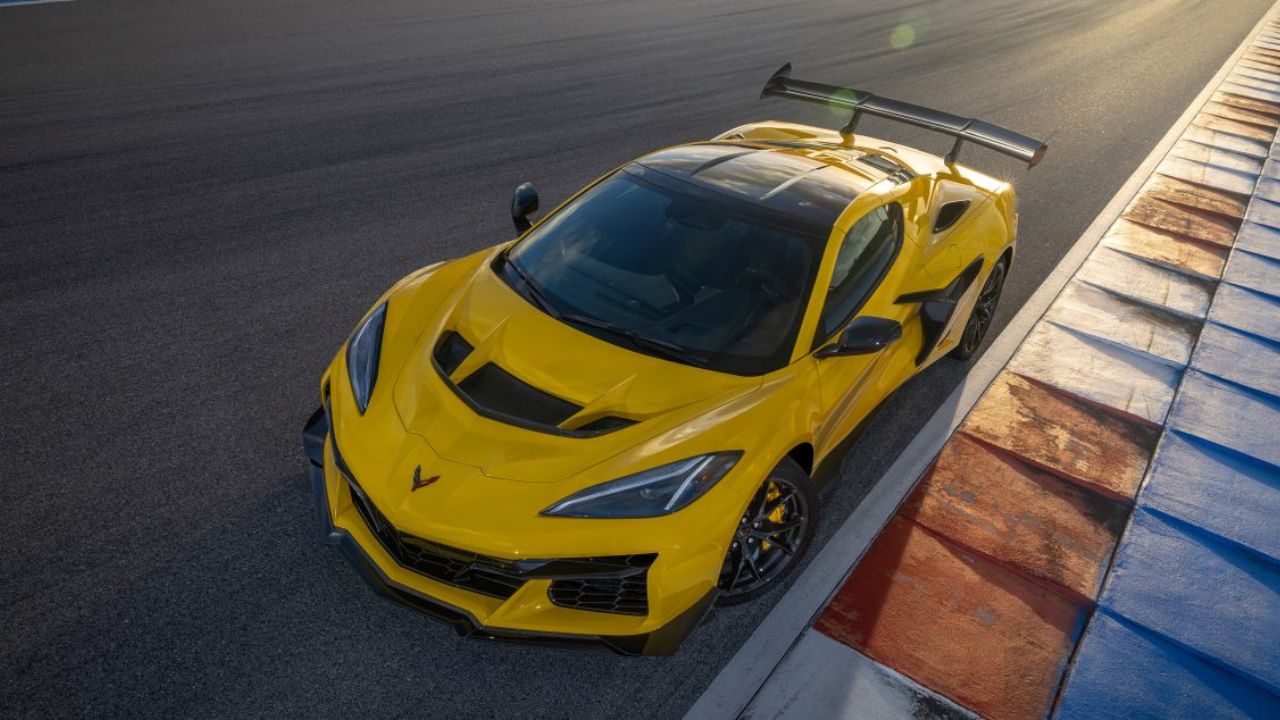
American performance cars spent decades living with a familiar stereotype. They were loud, fast in a straight line, and priced far below the rarefied European elite. Then the numbers started changing. Chevrolet, Dodge, and Dodge again, with the Viper, began building machines that could stare down Ferraris, Porsches, and Lamborghinis with a straight face.
Magazine tests, track records, and acceleration figures gave those cars real credibility. Price tags made the story even better. In several cases, the American option cost around half as much. A few undercut the Europeans by far more than that. That gap turned value into a weapon. The seven cars below prove America built far more than brute force specials. They became genuine giant killers.
When Value Turns Into A Performance Weapon
This list focuses on factory-produced American performance cars with clear published prices and measurable wins over European supercars. “Beat” can mean a quicker sprint, a stronger quarter mile, a higher top speed, or a faster lap at a major circuit. That approach matters because supercar performance lives in more than one category. A car that loses a launch by a tenth can still own the top end. A road course specialist can give up raw horsepower and still crush a lap. Pricing also needed context. I used launch era sticker prices or widely cited base prices rather than collector market spikes and dealer markups. That keeps the comparison close to what buyers actually faced when these cars arrived.
European rivals also needed real supercar credentials, so this group leans toward Ferrari, Porsche, Audi, and similar names with exotic status. Several American cars in this story cost far less than half the price of their targets. That only strengthens the argument behind the headline. Another theme appears quickly once the pairings come together. America found different paths to victory. One car used top speed, another used drag strip violence, another used track focus, and another simply matched a Ferrari for far less cash. Put them together and the pattern becomes impossible to ignore.
Chevrolet Corvette ZR1
Start with the current king from Bowling Green. The 2025 Corvette ZR1 arrives with a twin-turbo 5.5-liter V8 producing 1,064 horsepower, a starting MSRP of $174,995 including destination, and a claimed top speed of 233 mph. Those numbers move it straight into rare company. Ferrari’s SF90 Stradale brought 986 horsepower, an estimated starting price around $507,000 for the 2021 model year, and a 211 mph top speed, according to Car and Driver estimates.
The Ferrari still owns a savage launch, yet the Corvette wins the top speed battle by a huge margin and does it for a little over one-third of the money. That sort of gap changes the conversation fast. Instead of feeling like a value alternative, the ZR1 feels like a genuine supercar disruptor. It carries American thunder, current technology, and the kind of raw output that usually comes with a far more painful invoice.
Chevrolet Corvette Z06
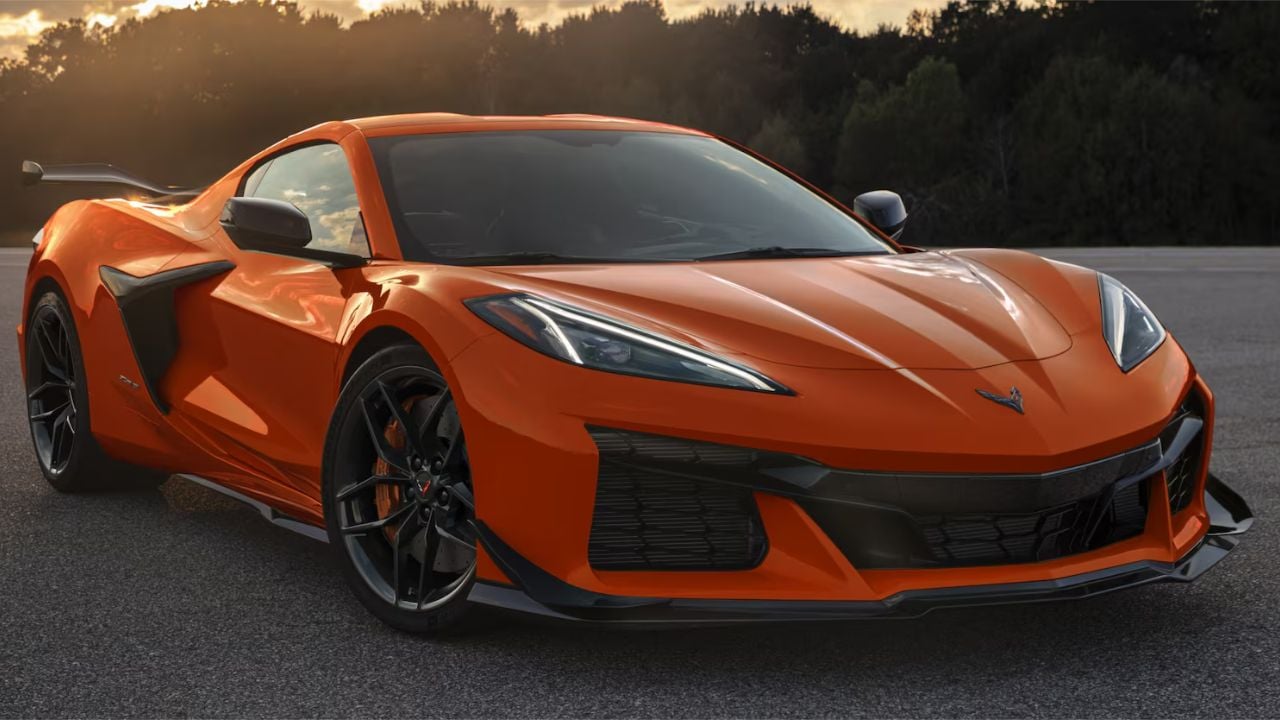
Flat-plane-crank fury gave the Z06 one of the most exotic engines ever fitted to an American production car. Chevrolet’s 5.5-liter LT6 V8 makes 670 horsepower, and Car and Driver recorded a 2.6-second run to 60 mph. The same outlet also noted that this Z06 beat the 2022 Porsche 911 GT3 to 60 by two tenths and later reported that a 2023 Z06 returned from 150 mph to a stop almost two seconds quicker than a Porsche 911 GT3 RS.
Then comes the money part. A 2025 Corvette Z06 opens at $116,995, while a 2025 Porsche 911 GT3 starts at $224,495 and climbs to $251,995 in GT3 RS form. That is classic Corvette math at its best. The American car serves up world-class pace, a shrieking naturally aspirated V8, and track credibility that reaches deep into Porsche territory, all for a price that keeps the Z06 in the giant killer lane.
Chevrolet Corvette E-Ray

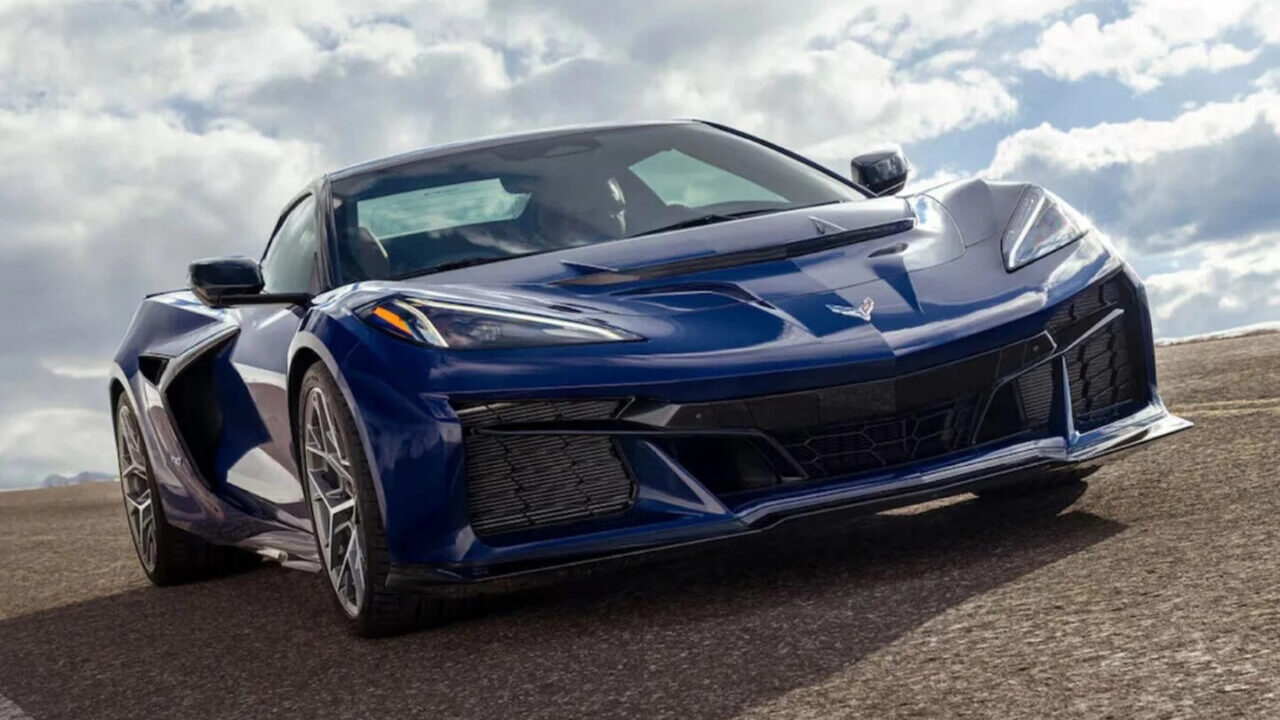
All-wheel drive changed the Corvette story in a fascinating way. The E-Ray combines a 6.2 liter V8 with a front electric motor for a total of 655 horsepower, and Car and Driver clocked it from zero to 60 mph in 2.5 seconds. That gave it the quickest Corvette launch the magazine had ever recorded at the time.
The price also stayed far more grounded than the European exotica it could embarrass. A 2024 E-Ray carried a base price of $106,595. A 2020 Ferrari F8 Spider, by contrast, listed at $302,500 and posted a Car and Driver estimated 2.8-second run to 60 mph. That means the hybrid Corvette reached 60 quicker than a Ferrari supercar that cost almost three times as much. The E-Ray also widened the Corvette audience because it paired huge speed with easier all-season usability. Suddenly, one of America’s great performance bargains had learned a new trick and still kept the price advantage.
Chevrolet Corvette ZR1 From The C7 Era
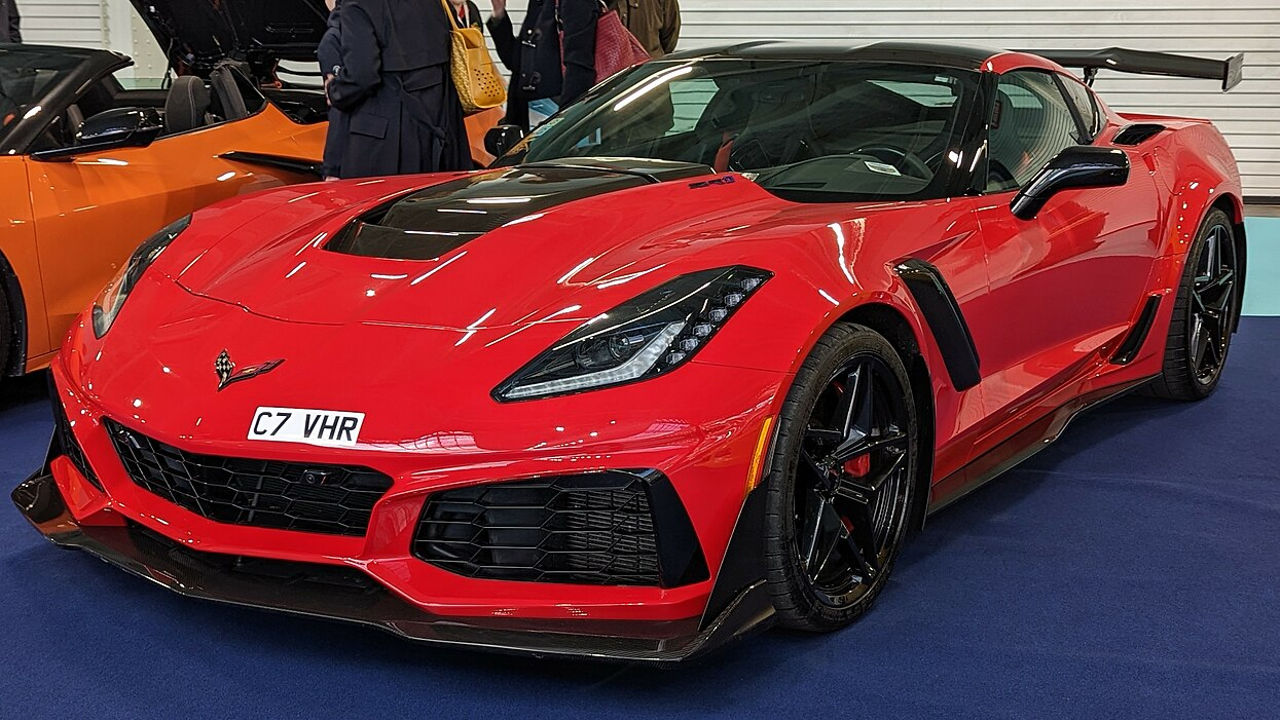
Before the mid-engine revolution, the last front-engine ZR1 already had a talent for ruining expensive European arguments. The 2019 version used a supercharged 6.2 liter V8 with 755 horsepower, hit 60 mph in 3.0 seconds in Car and Driver testing, and reached 212 mph in standard aerodynamic form. That alone made it absurdly fast for the money.
The starting price sat at $119,995. Ferrari’s 488 GTB generated 661 horsepower, carried a 2019 starting MSRP around $262,647 before options, and was estimated by Car and Driver at 3.0 seconds to 60 mph with a 205 mph top speed. So the Corvette matched the Ferrari in the sprint to 60, then beat it on top speed, and did it for less than half the Italian entry point. That is the kind of comparison Corvette fans remember forever. It was front-engine America at full volume and full confidence.
Dodge Challenger SRT Demon 170
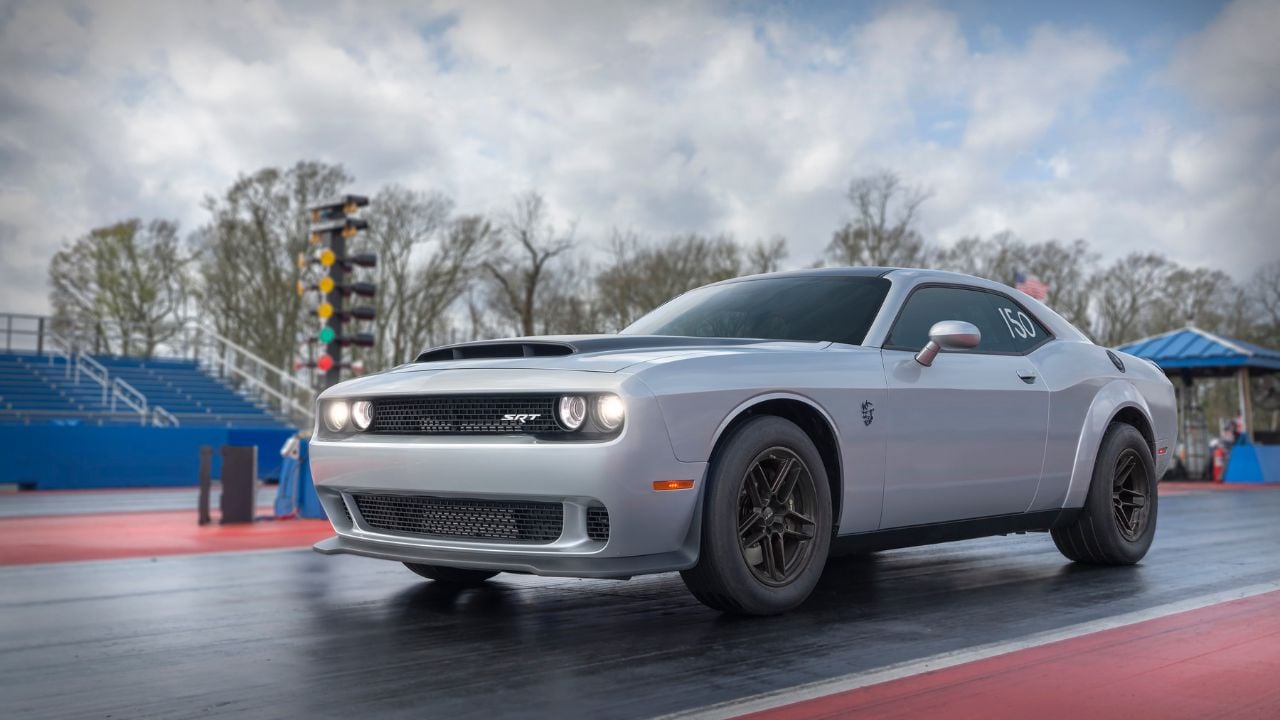
Drag strips gave Dodge its greatest mic-drop moment. The 2023 Challenger SRT Demon 170 packs a supercharged 6.2-liter V8 that makes 1,025 horsepower on E85, blasts to 60 mph in 1.66 seconds, and rips through the quarter mile in 8.91 seconds at 151.17 mph, according to Dodge. Its U.S. MSRP was $96,666.
Ferrari’s SF90 Stradale sits in a completely different social circle with a $507,000 base price in 2021 and a Car and Driver-estimated 9.9-second quarter mile. The Ferrari is a technical masterpiece, yet the Demon 170 is simply more vicious in a straight line. It launches harder, runs the quarter quicker, and asks for a fraction of the money. American muscle rarely looked more outrageous than it did here. This car turned a factory drag special into something capable of humiliating half-million-dollar European hardware under the right lights.
Dodge Viper ACR

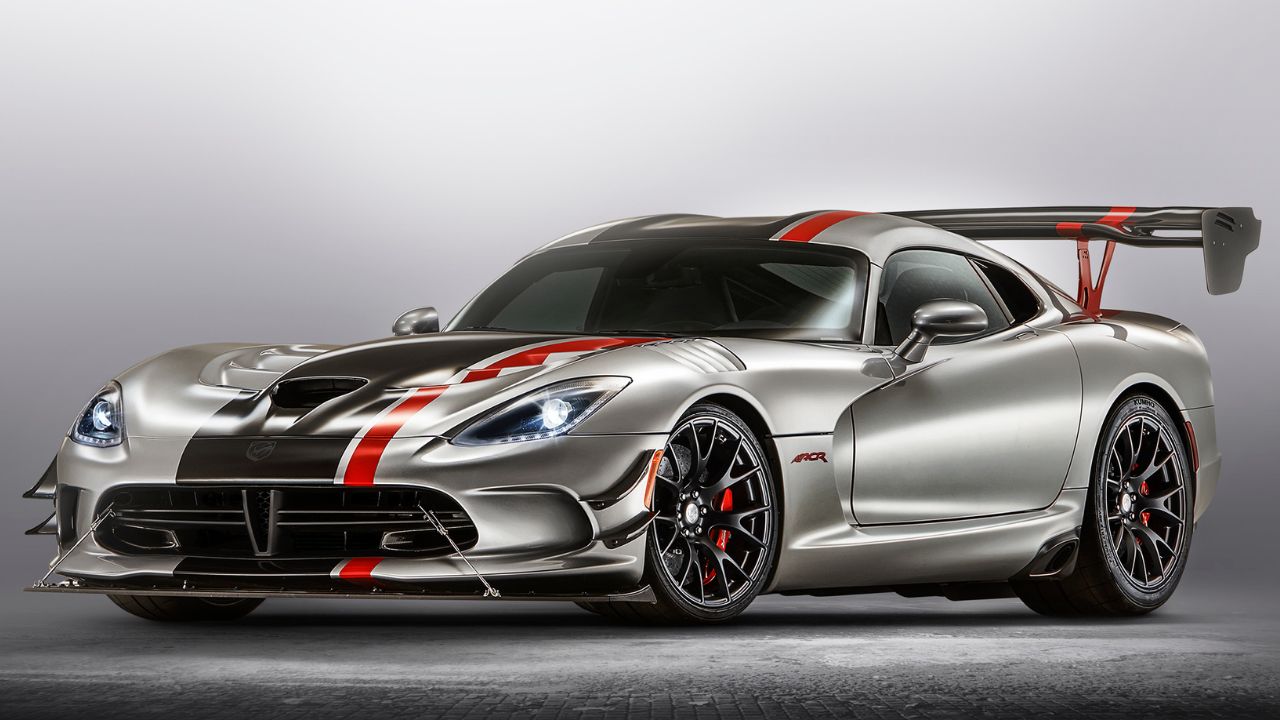
Track days gave the Viper ACR a legend that still feels slightly unbelievable. The 2016 car used an 8.4-liter V10 with 645 horsepower and carried a starting price of $122,490. At Laguna Seca, Randy Pobst drove it to a 1:28.65 lap. That mattered because MotorTrend noted the previous production car record at the track belonged to the Porsche 918 Spyder at 1:29.89.
The Porsche also lived in a different financial universe. Car and Driver listed the 2015 918 Spyder at $931,975. So here sat a huge V10 American bruiser, priced at roughly one eighth of the Porsche, taking the lap record away from one of Europe’s great hybrid halo cars. The Viper never chased polish. It chased commitment. In ACR form, that commitment translated into aero, grip, and one of the boldest value statements any American track weapon has ever delivered.
Chevrolet Camaro ZL1 1LE

Then came the Camaro that made Nürburgring talk sound far more serious than anyone expected. The 2018 Camaro ZL1 1LE carried a starting price of $71,295 and lapped the Nordschleife in 7:16.04. That figure alone was staggering for a front-engine American coupe with a six-speed manual and a supercharged 6.2-liter V8 making 650 horsepower.
That 7:16.04 lap put it ahead of the BMW M4 GTS time of 7:27.88 and close to the 2018 Porsche 911 GT3 time of 7:12.07, which is staggering for the money. The lap turned the Camaro into something much bigger than a muscle car with a track package. It became proof that engineering focus can erase an enormous price gap. The ZL1 1LE brought aero, damping, tire grip, and serious chassis discipline together in one bruising package. Europe still had its glamour. Chevrolet had the stopwatch.
America Built More Than Bargains

These cars tell a simple story. American performance stopped asking for permission a long time ago. It started taking wins wherever the numbers allowed. Sometimes that meant a quarter-mile ambush. Sometimes it meant a lap record. Sometimes it meant matching a Ferrari or Porsche for far less cash and then beating it somewhere else that mattered just as much.
The price gap remains the best part of the story. A buyer could reach into the low six figures, or even far below that, and still land in true supercar territory. Which one makes the strongest case for you? The wild Dodge drag monster, the Nürburgring Camaro, or one of the Corvettes that kept humiliating Europe across two generations?