
Some destinations practically dare you to open a rideshare app. Others make that impulse feel unnecessary by the time you leave the airport. For this slideshow, the backbone is the World Economic Forum’s 2024 Travel & Tourism Development Index, whose Ground and Port Infrastructure pillar includes measures such as road and rail coverage and the efficiency of public transport services. It does not track taxi use directly, but it helps spotlight places where public transport works so well that taxis often become the backup plan.
What matters for travelers is the real-world effect. When a country pairs strong networks with visitor-friendly passes, simple payment systems, and frequent service, the usual taxi habit starts to look expensive, slow, or unnecessary. That does not mean cabs vanish from the equation. It often means they stop being the default.
1. Switzerland

Alpine scenery gets the postcards, yet the real flex is coordination. Switzerland’s Swiss Travel Pass covers unlimited travel by train, bus, and boat, and it also includes local public transport in more than 90 towns and cities. A lake crossing, a city tram, and an intercity rail leg can feel like one continuous motion instead of three separate chores.
For visitors, the consequence is obvious. A nation that lets you glide between mountain bases, urban cores, and museum districts with one product gives taxis very little room to impress. The same pass also includes free entry to more than 500 museums, which reinforces the idea that the network is built for roaming, not only commuting.
2. Japan

Japan has the kind of rail culture that quietly reprograms your brain. The Japan National Tourism Organization’s “Getting Around” guide highlights how heavily day-to-day travel leans on trains and other public transport. The Japan Rail Pass covers JR lines across the country and most Shinkansen services, though Nozomi and Mizuho require an extra ticket.
Long distances are where the system really shows off. You can move from Tokyo to Kyoto, continue onward by regional rail, then finish with a local bus without treating every transfer like a crisis. That makes taxis feel less like freedom and more like a pricey shortcut for luggage-heavy moments. In a place where public mobility is already the normal choice for many arrivals, visitors tend to fall into the same rhythm fast.
3. Singapore

Compact size helps, but design discipline does the heavy lifting. Singapore’s Tourist Pass offers unlimited travel on public bus services plus MRT and LRT for one, two, or three days. That setup strips away fare anxiety and makes it easy to bounce from hawker centers to gardens to waterfront districts.
The city-state also benefits from clarity. English signage is widespread, transfers are usually straightforward, and major visitor zones sit neatly within the transit grid. Under those conditions, taxis start losing on convenience, not only on price. For a first-timer, that is the trick: the system feels usable almost immediately.
4. The Netherlands
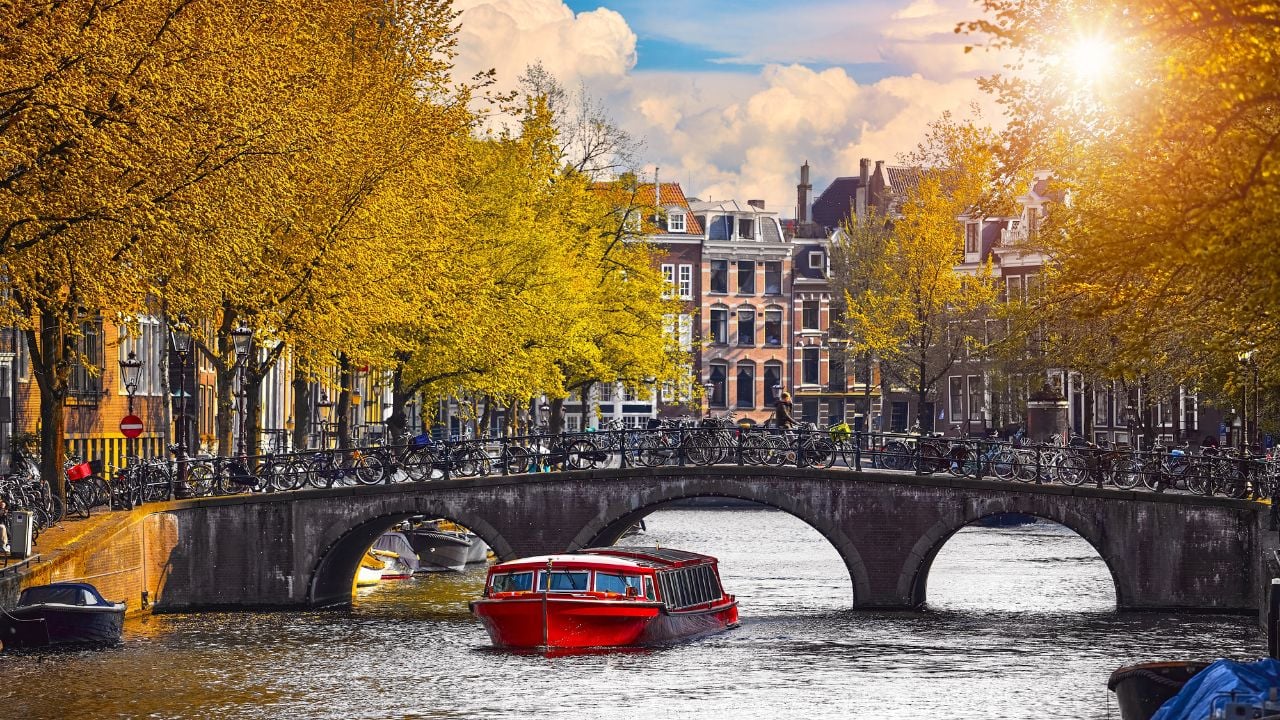
Dutch transport has a wonderfully unromantic superpower: friction removal. Holland’s official tourism site says OVpay lets visitors check in and out with a debit or credit card for travel by train, tram, bus, or metro. The OVpay explainer makes the same point from the system side: tap in, tap out, and skip the separate-card hassle.
That convenience matters because the Netherlands rewards multi-stop wandering. You might spend the morning in Amsterdam, drift to The Hague, then head elsewhere without turning the whole outing into an administrative puzzle. In that context, a taxi is rarely the elegant choice. Public transport wins by combining national reach with low mental overhead.
5. Germany

Germany’s strength is breadth. Deutsche Bahn’s Deutschlandticket overview says riders can use local public transport nationwide for a flat monthly price, and in 2026 it is listed at €63. The official Deutschlandticket site is useful for the plain-language “what it covers” basics. It covers local and regional transport rather than long-distance ICE services, but it still simplifies travel in a big way.
For visitors, the appeal is not glamour. It is the ability to step onto buses, trams, U-Bahn, S-Bahn, and regional trains without repeatedly decoding a new ticket system every few days. Taxis still have a role late at night or when luggage turns mutinous, yet they no longer feel like the obvious answer.
6. Denmark

Copenhagen often steals the headlines, but it earns them honestly. Visit Copenhagen states that all metro lines run 24/7 with frequent departures. In the capital region, City Pass options offer unlimited travel for 24 to 120 hours, including airport-to-city coverage for the relevant zone areas. That combination covers two classic pain points at once: late-night movement and airport transfers.
Denmark’s official public transport site also calls the country’s public transport infrastructure among the most efficient and reliable in the world. Marketing always deserves a skeptical eyebrow, but the 24-hour metro and practical ticketing options give the claim real weight. For tourists based around Copenhagen, cabs can quickly start to seem like the slower, costlier move.
7. South Korea
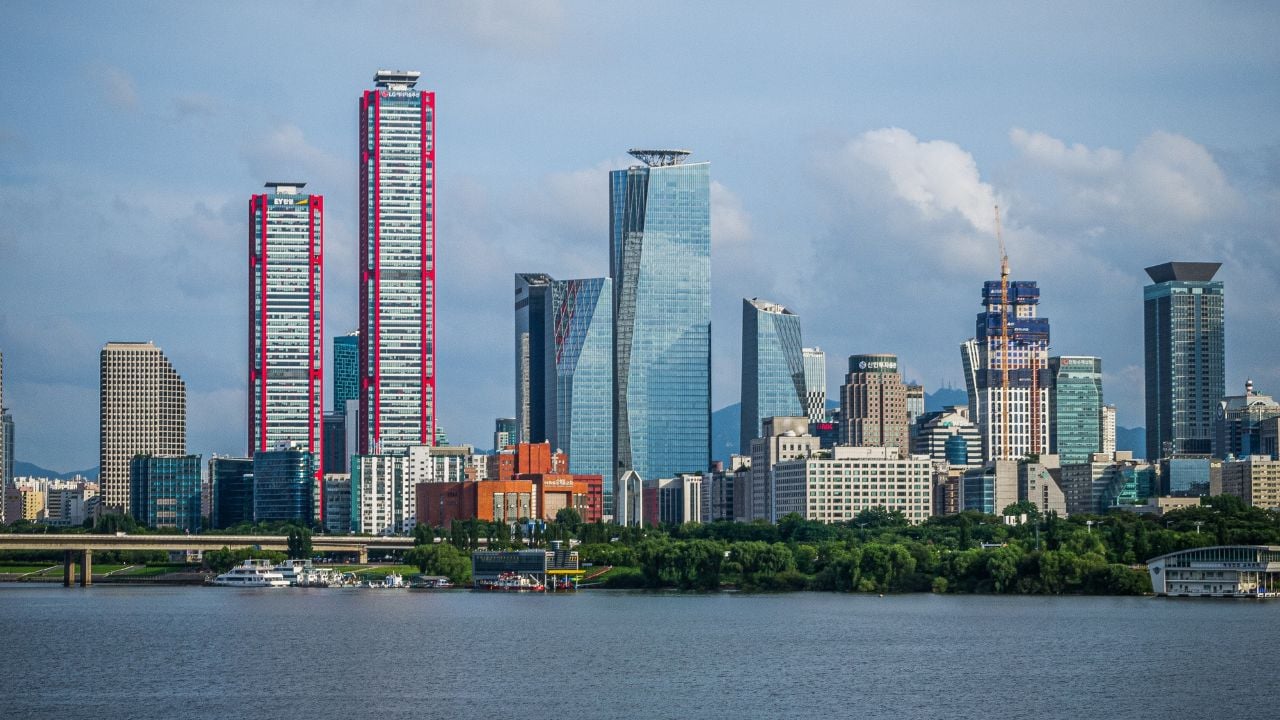
South Korea deserves a spot because convenience is built into the payment layer as well as the network. Transportation cards are easy to top up, they do not require a local bank account, and they make everyday movement feel routine. T-money’s English overview also describes how the card can be used across common modes (including buses and subways), which removes one of the biggest barriers for newcomers.
Seoul is the obvious showcase, but the bigger story is usability. Because the same tool works across multiple modes, taxis often shift into niche territory rather than everyday necessities. That is the pattern this list is really about.