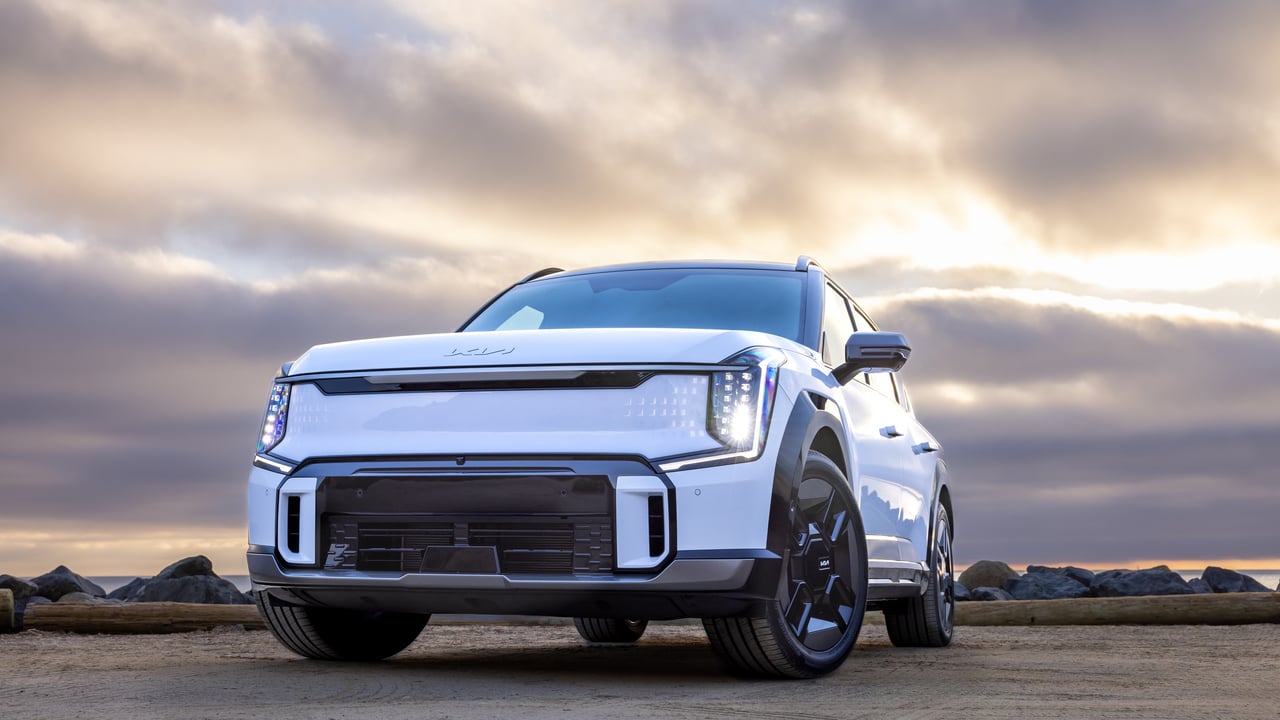
Hyundai and Kia helped make fast-charging EVs feel mainstream, but two of their most important models are suddenly in limbo. Car and Driver reports that the standard Hyundai Ioniq 6 will be dropped in the U.S. after 2025, leaving only the high-performance Ioniq 6 N for 2026. Meanwhile, Kia says the EV6 remains in the lineup, but the EV6 GT is delayed “until further notice.” With Ioniq 6 sales sliding and the post-incentive EV market turning cautious, this is what a product lineup recalibration looks like—and it could mean fewer choices and more end-of-run deals for shoppers in 2026 in the U.S.
The Ioniq 6 Is Going N-Only for 2026
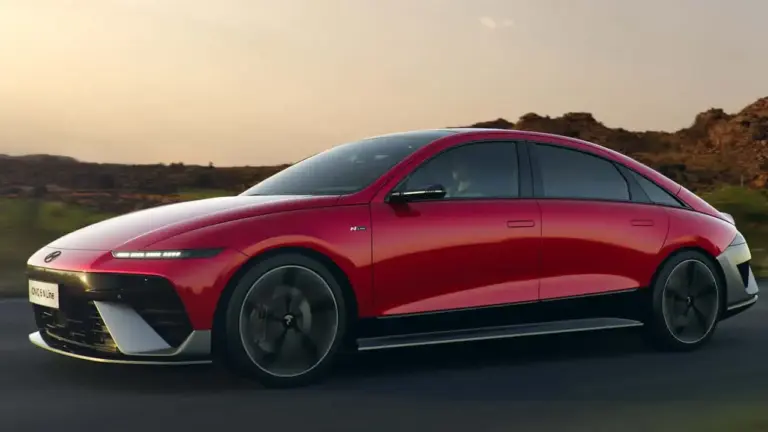
The biggest headline is also the simplest. Hyundai has confirmed that the standard Ioniq 6 will not return for the 2026 model year in the United States. The only version set to continue is the performance-focused Ioniq 6 N, which Hyundai has said will be sold in limited quantities.
That is a meaningful shift because the Ioniq 6 was never meant to be a niche model. It has been the sleek, efficiency-first counterpoint to the Ioniq 5’s crossover shape, and it gave Hyundai a credible answer for buyers who still prefer a sedan. If you’re reading between the lines, Hyundai is choosing to preserve the halo and drop the mainstream trims rather than maintain a full lineup that may not be moving enough volume.
EV6: Not Dead, but the GT Is on Pause

Kia’s situation is more nuanced. The EV6 itself has not been canceled. According to Kia, the EV6 remains in the lineup, and the delay does not impact the availability of other EV6 trims.
However, Kia has also said the EV6 GT is delayed “until further notice.” That matters because the GT is more than a fast trim. It is the attention-getter that keeps the EV6 in enthusiast conversations and helps the whole lineup feel more aspirational. Pausing the GT reads like a risk-management move: if the market is soft and inventory discipline matters, halo variants become easier to delay without jeopardizing the core business.
Why This Is Happening Now
This is not about Hyundai and Kia suddenly “giving up” on EVs. It is about product planning responding to a market that has become less predictable. EV demand has cooled from its earlier growth curve, pricing pressure has intensified, and incentive structures have shifted in ways that can quickly change the math for imported models, performance trims, and lower-volume body styles.
There is also a practical timing element. A refreshed Ioniq 6 has existed on paper and in global reveals, but a refresh still requires a clean model-year plan, certification work, marketing spend, and a confident view of demand. When sales are sliding, automakers tend to simplify: keep the strongest sellers, keep the models with the clearest business case, and trim everything that adds complexity or inventory risk.
What This Means for Shoppers
If you are cross-shopping an Ioniq 6, the clock is now real. If the standard model is ending after 2025, that creates two immediate realities: remaining inventory may become more discountable, and future supply for shoppers who specifically want an efficient EV sedan may tighten.
If you are an EV6 shopper, the mainstream trims should remain the practical play. The bigger implication is for GT buyers: the timeline is uncertain, and “wait for the GT” is no longer a clean strategy if you need a car on a predictable schedule.
More broadly, this is a reminder that EV lineups are no longer expanding in a straight line. The next phase looks more like selective trimming and reallocation, where brands keep their best-selling foundations and treat niche variants as optional.
The Guessing Headlights Take

Hyundai and Kia have not suddenly built “bad EVs.” The Ioniq 6 and EV6 are strong on fundamentals: efficiency, charging performance, daily usability, and tech. What changed is the market environment around them.
Hyundai’s move is blunt: keep the performance flagship, drop the mainstream sedan. Kia’s move is tactical: keep the EV6, pause the GT halo. Different strategies, same signal. The easy-growth phase is over, and 2026 will reward manufacturers that can balance excitement with inventory discipline.
For shoppers, that can be good news. Uncertainty often creates opportunity, especially if you are flexible on trims and timing. If you want an Ioniq 6 before it becomes N-only, or you want an EV6 while incentives and pricing remain competitive, this is the kind of moment where paying attention can save real money.