
Dropping bags in an urban core should lower stress, not raise it. In recent years, Airbnb-style stays in major hubs have started to feel like a gamble—especially when the clock is ticking and plans are tight.
After too many trips where the lodging created extra work, my priorities flipped. I still like extra space and a kitchen, but reliability now ranks first, followed by comfort, then character. Here is the breakdown for anyone who wants fewer surprises on arrival.
The Price You Expect Is Rarely the Price You Pay
A listing can look cheap until you compare the total and actually read the fee and tax breakdown. Airbnb says total-price display is now standard globally (total price with fees shown in search results, before taxes), but the “all-in” number can still shift once taxes, refund rules, and odd add-ons are accounted for.
Cleaning charges are the classic culprit. One U.S. city-by-city analysis using AirDNA data found an average cleaning fee around $145 per booking, but the spread is wide by market and listing type—so short stays can still get hit hard by fixed fees.
Regulations Shift Faster Than Itineraries
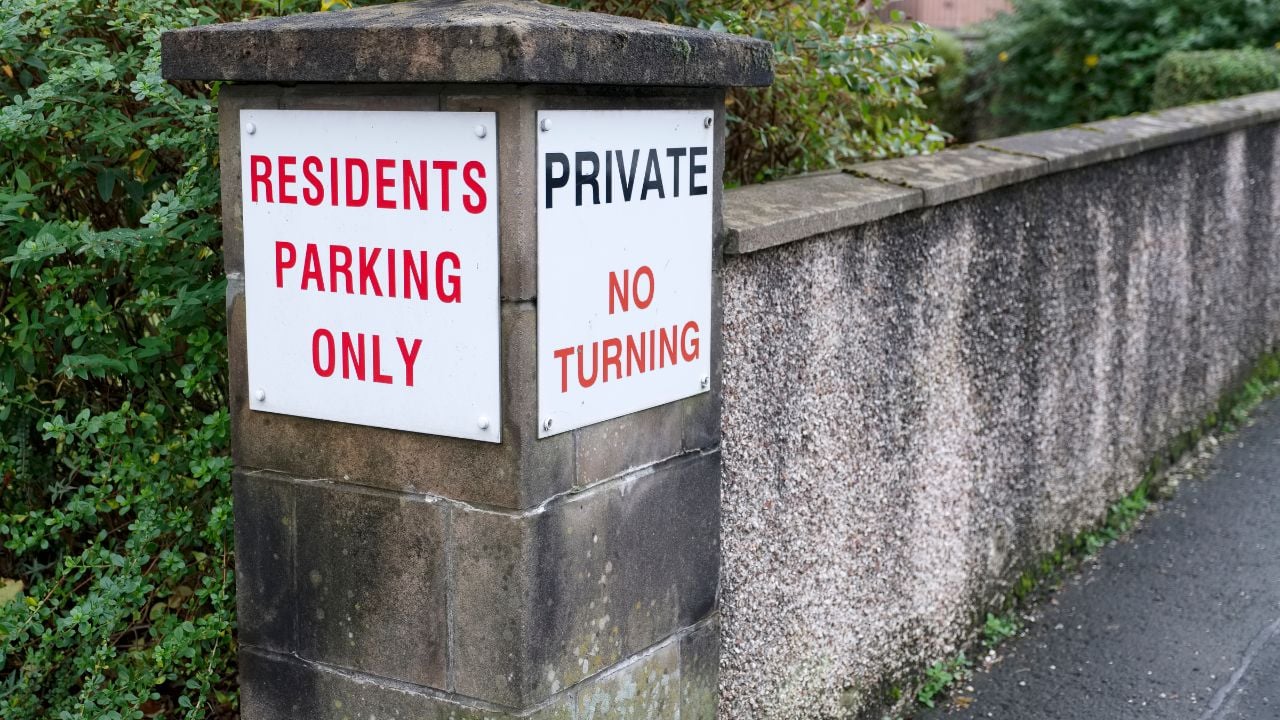
Municipal crackdowns can erase options overnight or leave only a narrow slice of legal inventory. New York City, for example, requires hosts to register for short-term rentals and prohibits booking platforms from processing transactions for unregistered units.
Even where rentals remain allowed, compliance varies by building, block, and district. Primary-residence limits, occupancy caps, and condo bans are rarely obvious from photos. When enforcement hits, the traveler is the one hunting a fallback at the last minute.
Official overview: NYC Short-Term Rental Registration Law (OSE)
Arrival Logistics Can Turn Into an Obstacle Course
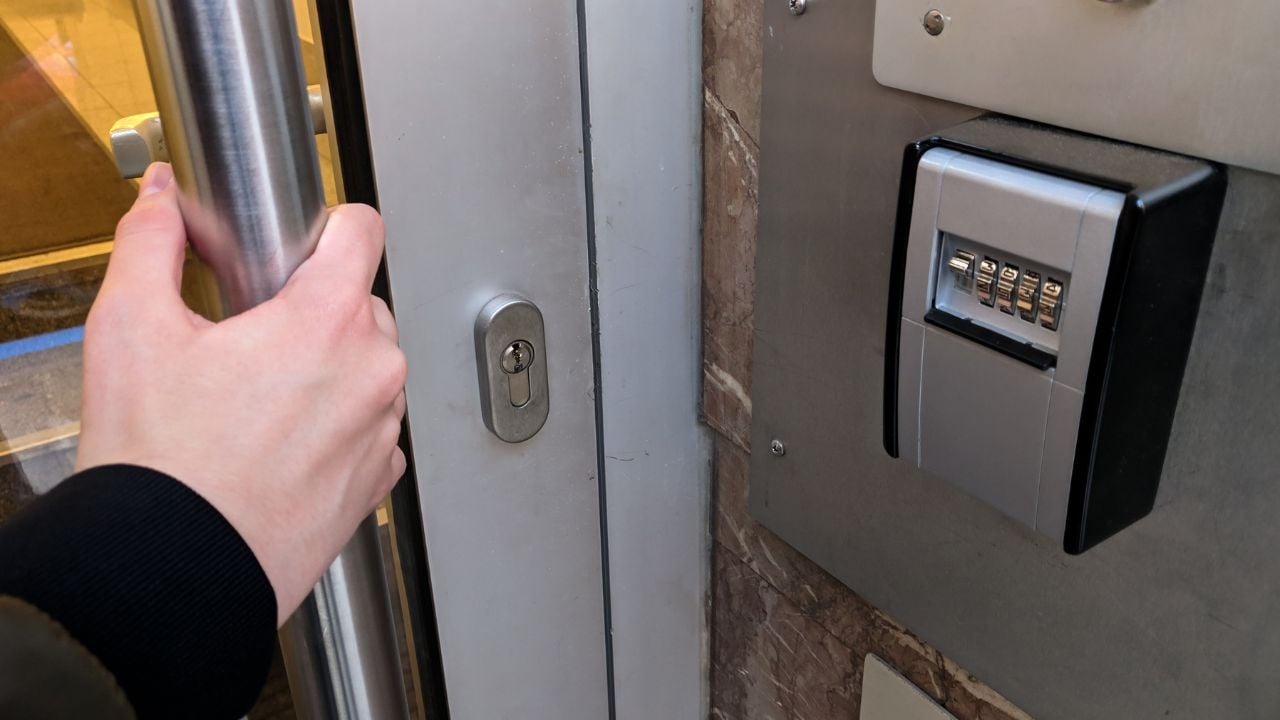
Keys in lockboxes, keypad codes, or a neighbor handing over a fob all sound fine in a calm scenario. After a delayed flight, a late meeting, or a long transfer, I want a staffed desk that can solve problems in person. Remote messaging works only when everything goes perfectly.
Platform protections exist for cancellations or major misrepresentation, but they kick in after something goes wrong. Getting rebooked can still cost hours, plus the emotional tax of uncertainty. Smooth entry should be the baseline, not the reward for luck. AirCover for guests (what it covers):
Responsibility Feels Blurry When Something Goes Wrong

If a heater fails or a door lock jams, the fix depends on one individual responding quickly. With a traditional property, maintenance is part of the operating model, not a favor. That difference matters most in dense neighborhoods where access and security are shared.
Insurance is another gray area. Standard homeowners insurance typically does not cover short-term rentals the same way it covers normal personal use, because renting can be treated as business activity.
My Default Swap for Brief Urban Visits

For two to four nights, I start with hotels, then apply filters that mimic the best parts of an apartment. A kitchenette, laundry access, strong cancellation terms, and late checkout cover most needs. Loyalty programs can also soften costs in pricey downtown zones.
Location beats brand, so I pick a transit-rich neighborhood first. Then I choose a place with 24-hour staff, recent verified reviews, and clear policies on noise and visitor limits. The result is less friction, fewer headaches, and a calmer first evening.
My Go-to Option for Longer Stays

When the trip runs a week or more, serviced apartments and aparthotels hit the sweet spot. You get a studio-style layout plus reception support, consistent linens, and on-call repairs. That hybrid setup keeps the independence without the chaos.
If I truly need a whole home, I look for professionally managed listings with standardized rules and taxes shown up front. I still read the fine print, but the process is faster when the operator is a real business. The goal is simple: spend trip energy on the streets outside, not on troubleshooting the place you sleep.