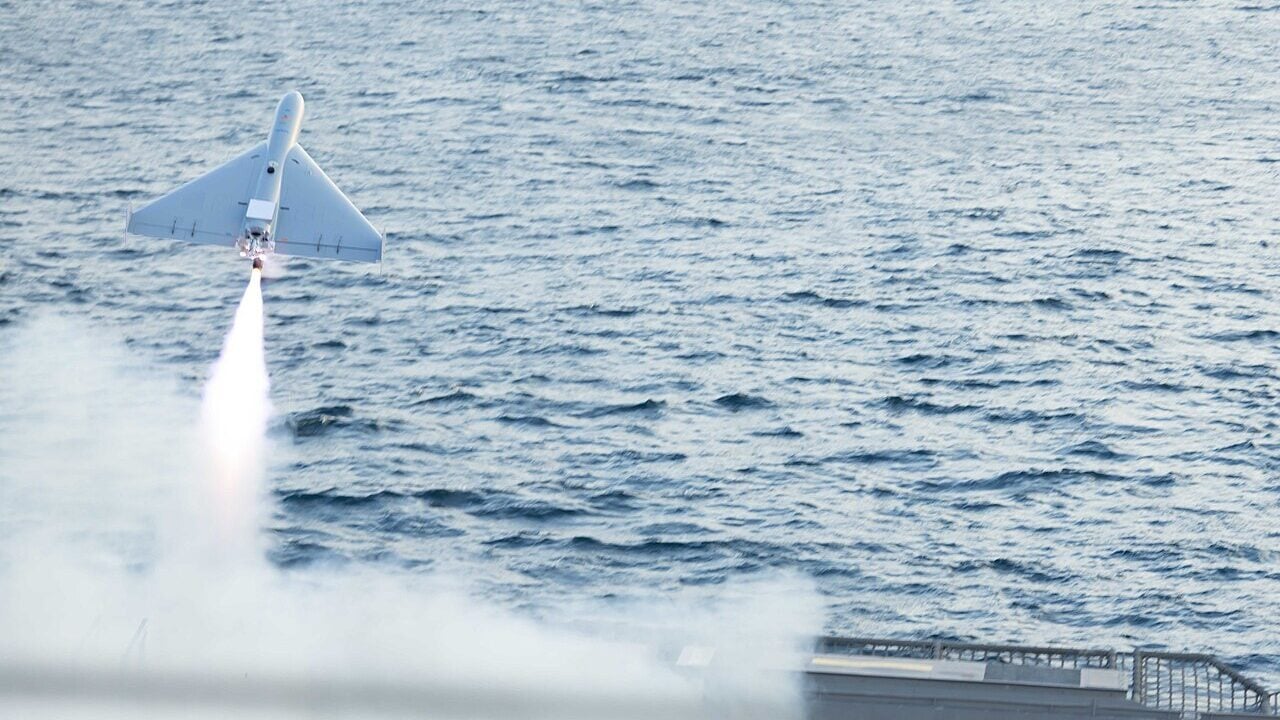

The U.S. military just deployed a new class of low-cost drones in combat for the first time. By “low-cost” drones, it means these aren’t your standard fighter jets or precision missiles.
They are small, agile, one-way attack drones designed to mimic the Iranian Shahed series that have made headlines around the world. The U.S. calls them LUCAS, short for Low-Cost Unmanned Combat Attack System.
These drones are particularly remarkable for their simplicity and price tag. They are cheap enough to be used in swarms, yet sophisticated enough to strike specific targets with deadly accuracy.
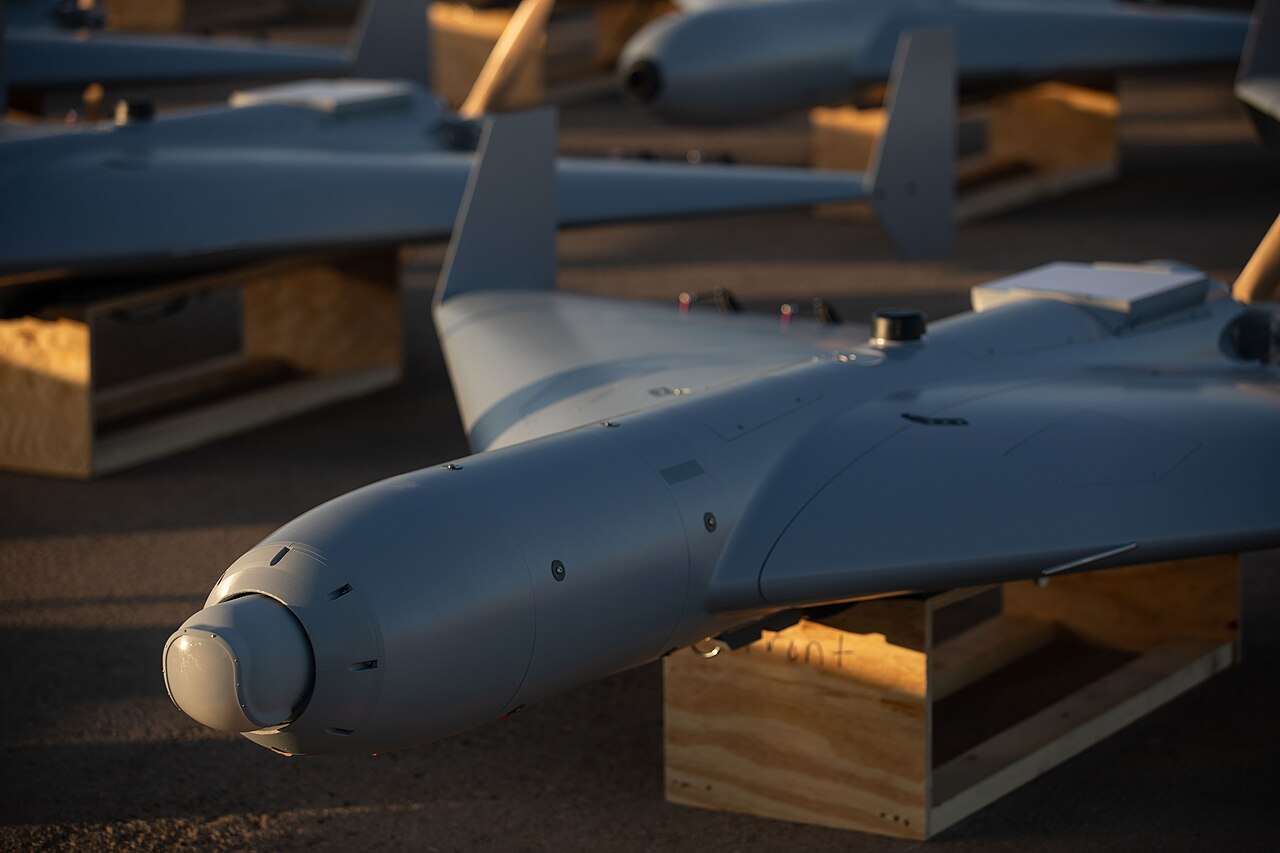
Unlike traditional airstrikes, where a single missile or jet costs millions of dollars, LUCAS drones can be produced at a fraction of the cost, making quantity a part of their strategy.
Imagine a fleet of micro-attack drones buzzing toward their target in formation, each one expendable yet capable of inflicting serious damage. It is a glimpse into the future of warfare that feels equal parts science fiction and reality.
Inside the First Combat Mission
The operation was conducted by the newly formed Task Force Scorpion Strike. The unit slots under U.S. Central Command dedicated to testing and deploying one-way drones. According to military sources, this was the first time the task force used these drones in a live combat scenario.
They were launched alongside conventional weapons like Tomahawk missiles and HIMARS rocket artillery, demonstrating a hybrid approach where low-cost drones complement heavy, expensive ordnance.
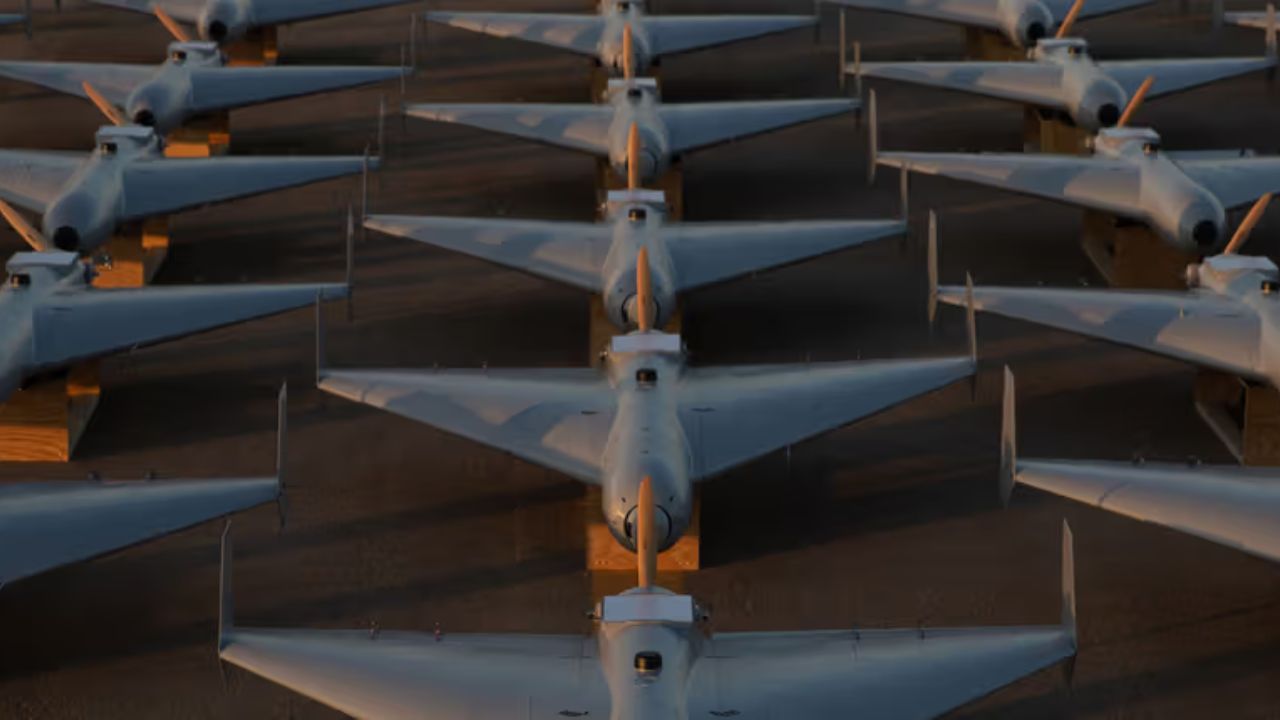
Another standout feature of the LUCAS drones is that they resemble Iranian Shahed drones, a design that has proven effective in conflicts from Ukraine to the Middle East. Yet these American versions are not clones—they integrate advanced U.S. navigation and targeting systems, enabling precise strikes on designated targets.
The drones can loiter above a battlefield, gathering intelligence in real-time, and then dive onto a target when the timing is right. Each strike is one-way, a calculated gamble where the drone is meant to be destroyed, but its mission completed.
Why This Changes the Game

LUCAS deployment signals a shift in strategy from relying solely on expensive, high-tech aircraft toward embracing low-cost, mass-produced drones capable of overwhelming defenses.
The U.S. is effectively taking a page from adversaries like Iran and Russia, who have demonstrated the power of cheap, expendable drones used in swarms. But with U.S. engineering and tactical planning, LUCAS adds a layer of precision and coordination that sets it apart.
The debut of these drones also raises bigger questions about the future of conflict. When cheap, one-way drones become part of the standard arsenal, the dynamics of air warfare change. Cost becomes less of a limiting factor, and scale becomes a weapon in itself.
Modern battlefields may increasingly see swarms of these drones moving in synchronized patterns, testing air defenses while providing real-time battlefield intelligence.
The Human Element
Beyond the technical fascination, there is a human story here. Task Force Scorpion Strike is still a young unit and is experimenting with a weapon that could redefine military operations.
There is excitement in military circles over the flexibility LUCAS provides, and caution about the ethical and strategic implications of mass-deployable, autonomous strike systems.
In essence, the U.S. has quietly entered a new era of warfare. LUCAS drones represent a marriage of low-cost production and sophisticated engineering, a combination that could make future conflicts faster, more unpredictable, and far more reliant on unmanned systems.
This is not a glimpse of distant sci-fi—it is happening now with the Middle East as the testbed, and it could set the tone for the next generation of aerial combat.
Sources: Business Insider