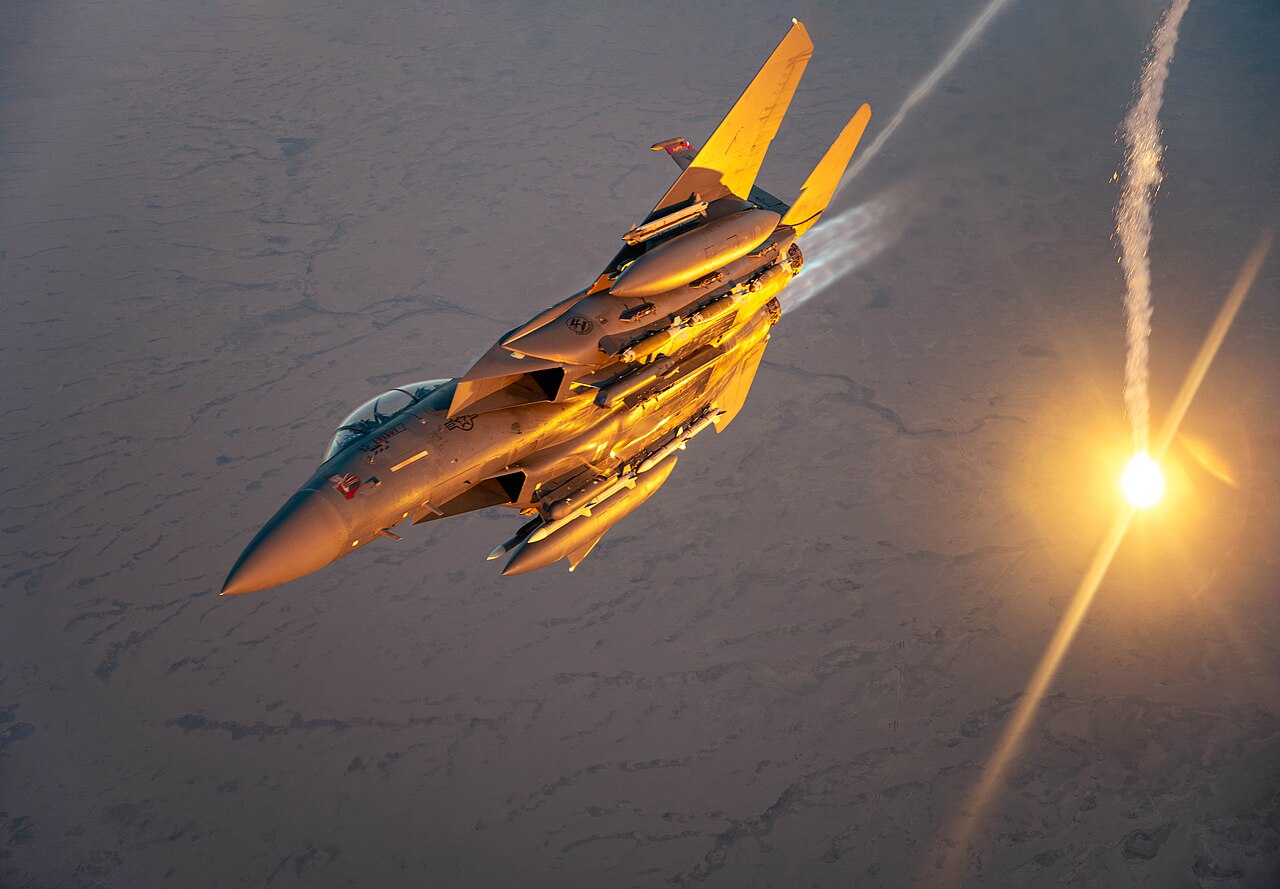

Tensions across the Gulf erupted into a dramatic new phase after Iran launched coordinated attacks targeting U.S. allies and critical infrastructure across the region.
Within hours, reports surfaced of American fighter jets crashing in Kuwait, attempted drone strikes on Saudi oil facilities, and air defenses activating in Qatar and Bahrain.
The unfolding events are now raising urgent questions about the vulnerability of some of the most advanced military aircraft in the world, including the formidable F-15E Strike Eagle.
US Fighter Jets Crash in Kuwait
According to officials from Kuwait’s Ministry of Defense, several U.S. aircraft went down within the country’s territory during the escalation. While authorities did not release an exact number, they confirmed that all pilots survived and were recovered during rapid search and rescue operations.
Videos circulating online appeared to show one aircraft spiraling downward while trailing smoke and flames. Analysts examining the footage believe the jet was an F-15E Strike Eagle, one of the United States’ most capable combat aircraft.
The aircraft’s two pilots successfully ejected moments before impact. Eyewitness footage later showed local civilians assisting the aircrew after landing.
Iranian military officials later claimed responsibility for at least one of the downed aircraft, stating that a U.S. fighter jet was shot down near the Kuwaiti border. However, investigations remain ongoing and defense officials have not ruled out alternative causes such as mechanical failure or even friendly fire during the chaotic air defense environment.
The F-15E
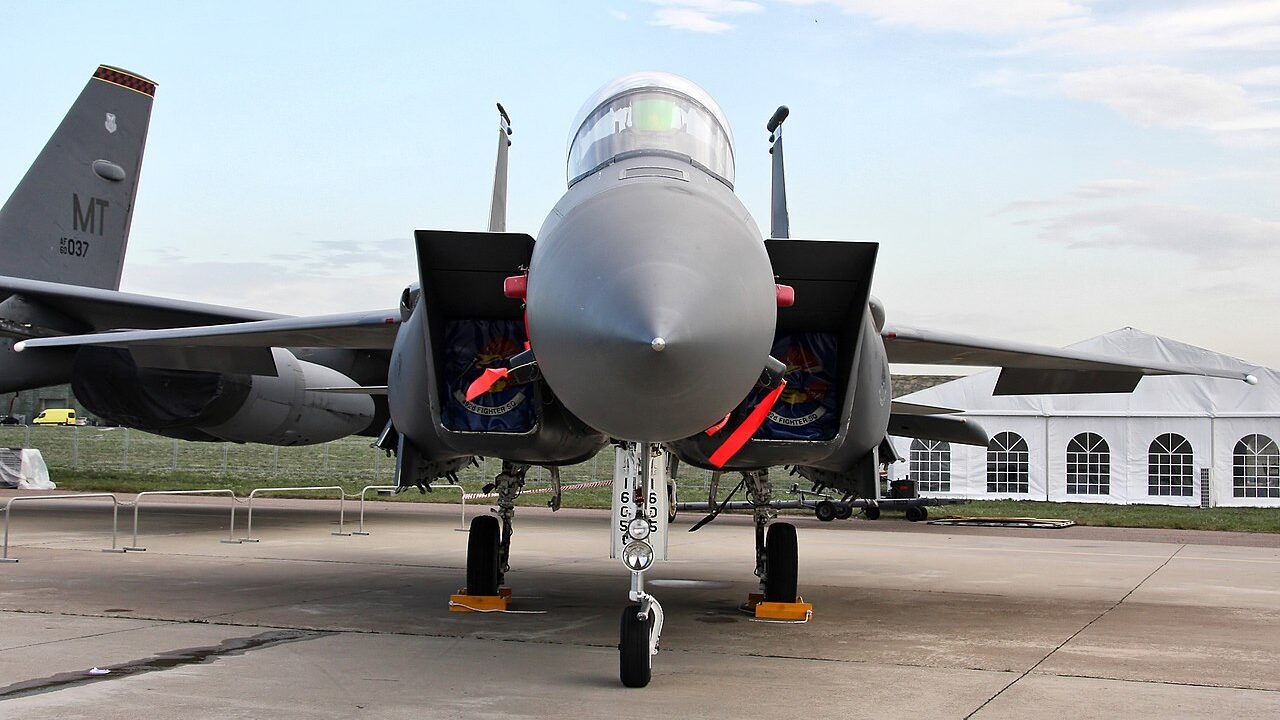
The F-15E Strike Eagle is a heavily armed evolution of the original F-15 platform; a twin-engine fighter that combines air superiority capabilities with deep strike missions.
Powered by two powerful turbofan engines, the aircraft can exceed Mach 2.5 and carry a payload of more than 23,000 pounds of weapons. Advanced radar systems allow it to detect and track targets at long range, as sophisticated electronic warfare systems help it evade enemy defenses.
Yet, as proven during the ongoing conflict in the Middle East, the F-15E is not invulnerable.
Despite its speed and electronic countermeasures, the Strike Eagle can still be threatened by modern surface-to-air missiles, long-range radar tracking systems, and advanced air defense networks.
In contested airspace, even a highly capable fighter can become vulnerable if detection occurs early or if multiple missiles are launched simultaneously.
The chaotic conditions of modern warfare also introduce risks from misidentification or system malfunction. With multiple nations deploying missile defenses, aircraft, and electronic warfare systems across the Gulf, the possibility of friendly fire incidents cannot be dismissed.
Oil Infrastructure Targeted
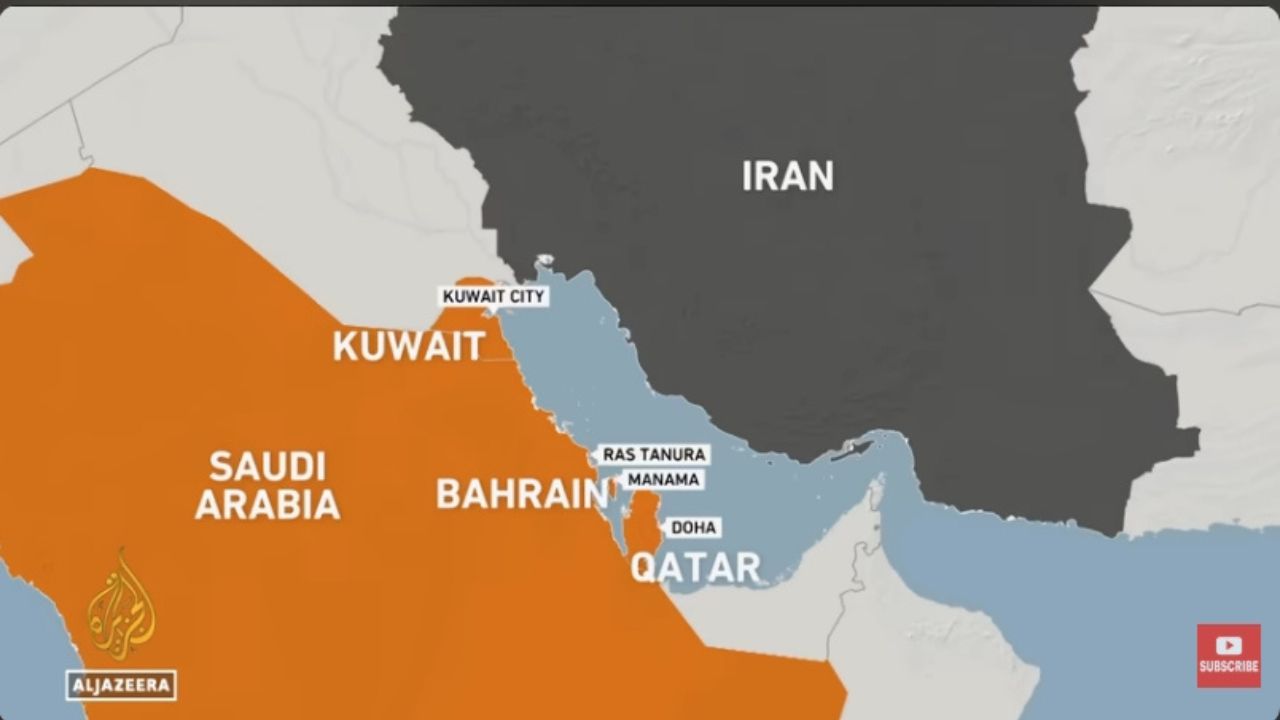
Beyond the air incidents, Iran’s broader strategy appears aimed at economic pressure through attacks on energy infrastructure.
Saudi Arabia confirmed that drones attempted to strike a major refinery operated by the national oil giant Saudi Aramco. The facility in question was the critical Ras Tanura refinery, one of the largest oil export terminals in the world.
Saudi air defenses successfully intercepted the incoming drones. However, debris from the interception caused a limited fire within the facility.
As a precaution, operations at the refinery were temporarily halted while safety inspections were carried out. Even a short disruption at Ras Tanura can ripple across global energy markets because the terminal handles a massive share of Saudi crude exports.
Regional Defenses Activated
Across the Gulf, military defenses were quickly activated as Iranian strikes spread beyond a single location.
In Bahrain, smoke was reported near the port that hosts the U.S. Navy’s Fifth Fleet headquarters in the capital, Manama.
Meanwhile in Doha, air defense systems intercepted incoming threats near military facilities that host American and coalition forces.
These interceptions highlight the region’s layered defensive systems, which combine radar networks, missile interceptors, and fighter aircraft patrols. While these defenses can neutralize many threats, drone swarms and cruise missiles present a growing challenge due to their low altitude and unpredictable flight paths.
A Dangerous Escalation
The strikes mark a dramatic widening of an already volatile conflict that has seen thousands of targets hit across Iran in recent days.
Iran has warned that any nation assisting attacks against it will face retaliation. The latest wave of strikes suggests Tehran is now willing to target both military installations and strategic infrastructure across the Gulf.
One big takeaway: even the most sophisticated machines can be brought down when warfare expands across multiple fronts at once.
Note: This article contains embedded video. Embedded media may not display on all platforms. The video is available on our website here.
Sources: Aljazeera