Canada has plenty of places that still feel wide open, yet a handful of famous small towns get squeezed hard in peak season. The pattern is predictable: limited parking, narrow main streets, fragile shorelines, and infrastructure designed for locals, not nonstop day-trippers. When the crowd curve spikes, the destination can feel less like a getaway and more like a queue.
This slideshow looks at towns where visitor pressure has become a real management issue, not a mild inconvenience. In many cases, the evidence shows up in the rules: paid parking zones, reservation systems, and official plans written to reduce congestion. These are still fantastic stops, but timing and logistics matter more than they used to.
1. Banff, Alberta
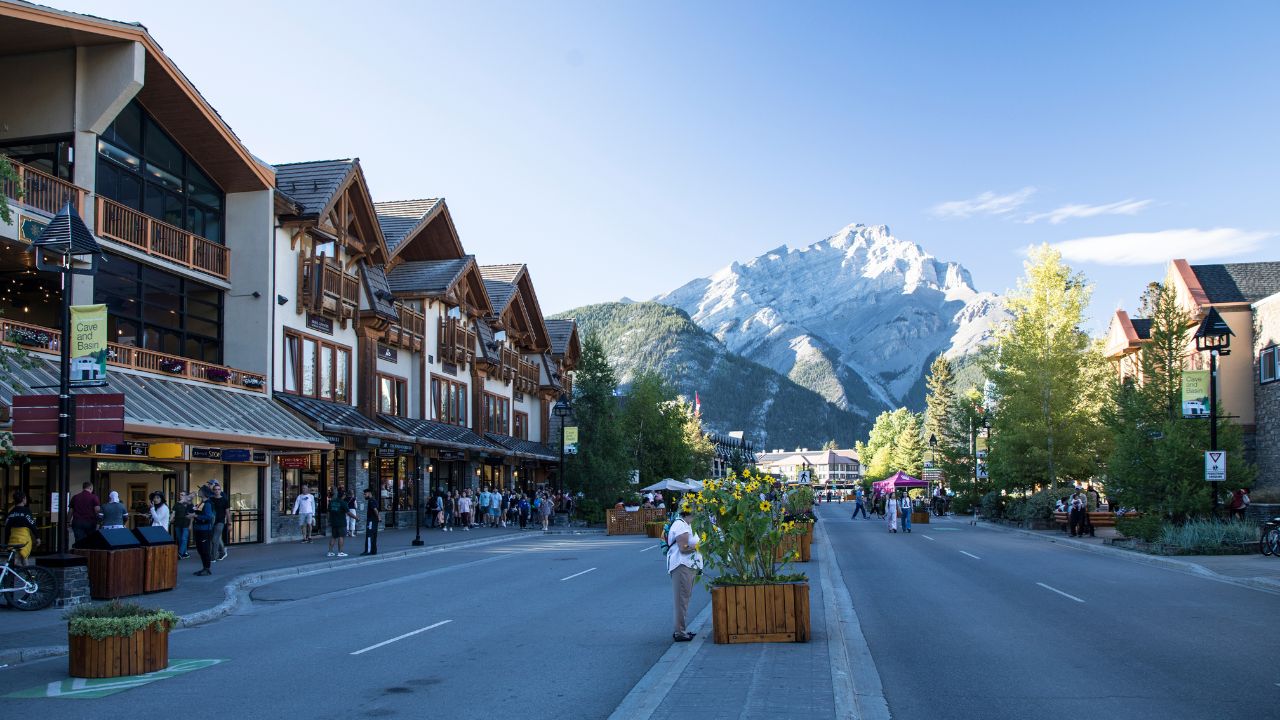
Banff sits at the front door of Canada’s most famous national park, and the numbers are enormous. Parks Canada notes Banff National Park logged 4.28 million visits in 2023/24, the busiest year on record. The same page reports that between 2010 and 2019, vehicle traffic on Lake Louise Drive increased by over 70%, a clear sign of mounting pressure in the area.
The Town of Banff has leaned into demand management through Visitor Pay Parking, introduced in 2021 and explained on the town’s official parking pages (Visitor-Pay Parking). Plan for park-and-ride habits, earlier starts, and fewer car hops between sites, since that is where the day often falls apart. A smooth Banff day usually looks like one major outing, then a quieter loop in town.
2. Canmore, Alberta
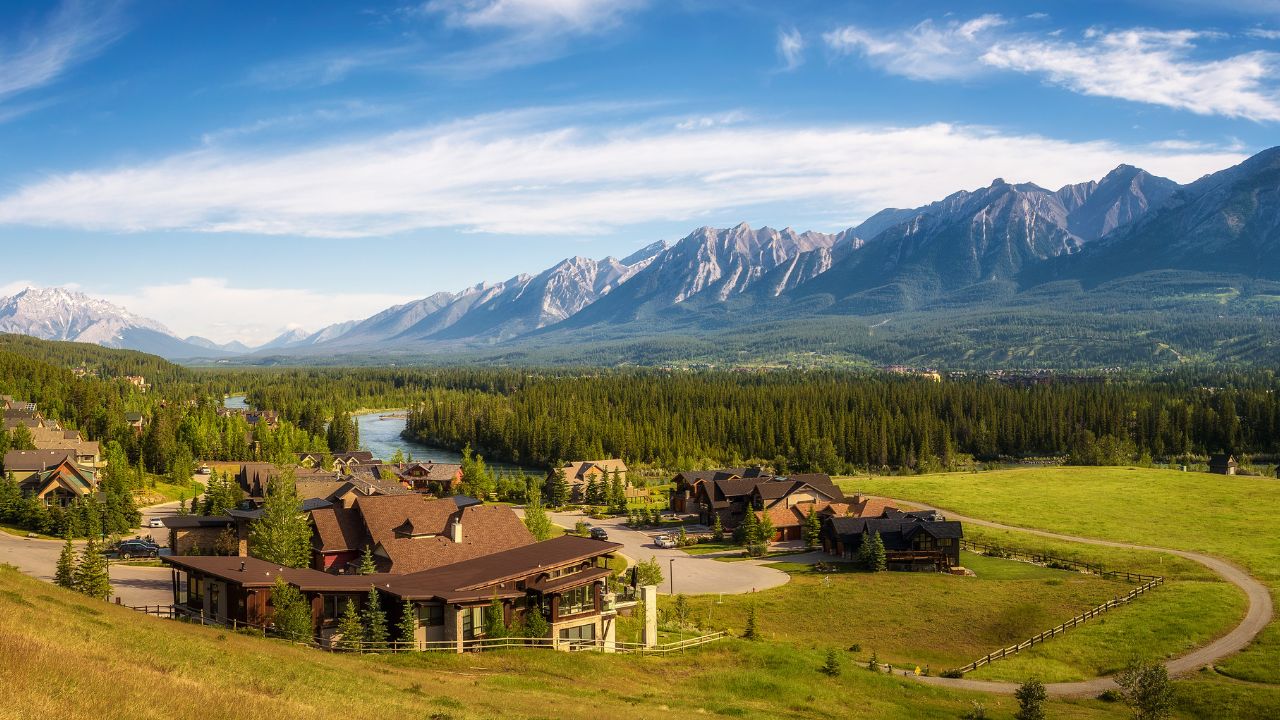
Canmore often absorbs the overflow when Banff gets too tight, which creates its own bottlenecks. The town runs a structured system with paid parking in key areas (Canmore parking info) and a resident parking permit program tied to the paid zones (Resident Parking Permit). When a place needs rules for where cars can go, it is usually a sign the old “show up and park” era is gone.
The practical reality is that driving “just a few minutes” around town can turn into slow hunting for a stall. Using longer-stay lots, walking, cycling, or local transit will usually beat circling the core, especially on summer weekends. A calmer visit comes from picking one trailhead or one main-street block, then staying put instead of bouncing around.
3. Whistler, British Columbia
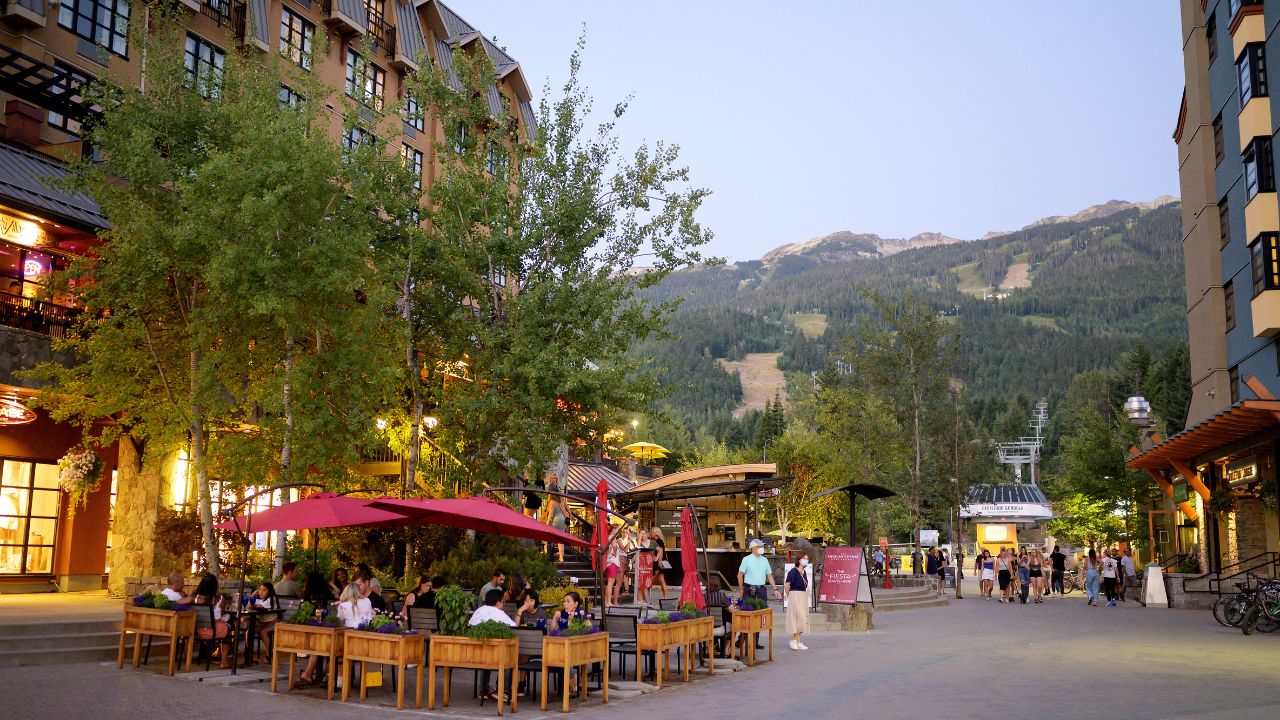
Whistler’s popularity is the point of the place, but it also means peak days can feel crowded before skis even click in. The Resort Municipality of Whistler operates major day lots and publishes guidance shaped around heavy demand in a tight resort footprint (Where to park in Whistler). When parking becomes part of trip planning, that is a strong signal the destination is operating near capacity in key windows.
Whistler Blackcomb has introduced reservation-style approaches for some parking during high-demand periods, including Reserve ’N Ski weekend and holiday reservations for certain lots (Reserve ’N Ski Parking). Municipal planning language also points toward transportation demand management, including shifting travel demand away from critically congested links during peak periods (Whistler Transportation OCP). Arriving early, using transit, and avoiding the busiest arrival windows can change the whole day.
4. Tofino, British Columbia
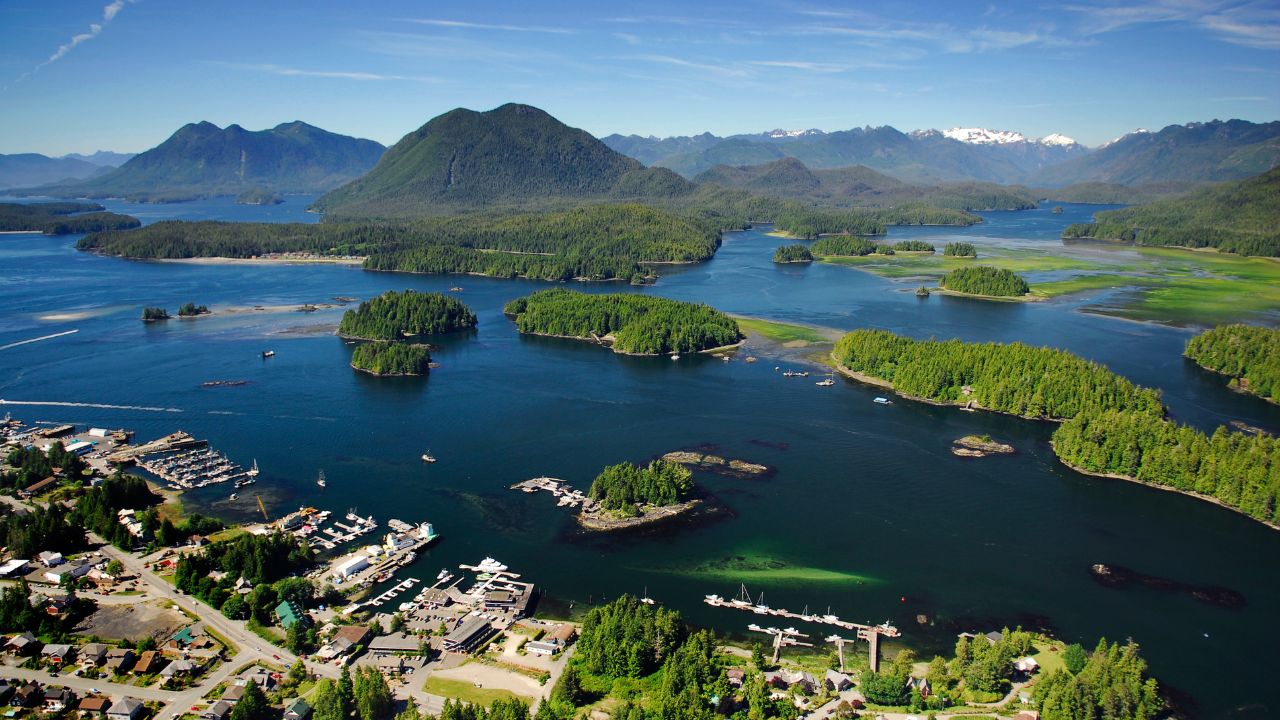
Tofino’s draw is its wild coastline and small-town feel, which is exactly why crowding hits hard. The district adopted a Limits to Growth policy on December 10, 2024, aimed at managing development while prioritizing a constrained water system (Limits to Growth Policy). That kind of move does not appear when everything is comfortably sized.
It’s also a good example of how fast “rules on the ground” can evolve: at a February 24, 2026, council meeting, the district voted to repeal the Limits to Growth policy as a governance tool, shifting instead to established operational practices for water management (Limits to Growth Policy Repealed). For travelers, the practical takeaway stays the same: book ahead, treat shoulder season as a feature, and respect local parking and neighborhood rules that prevent spillover. Tofino tends to reward longer stays with fewer daily logistics battles, especially when plans focus on one beach zone at a time.
5. Niagara Falls, Ontario
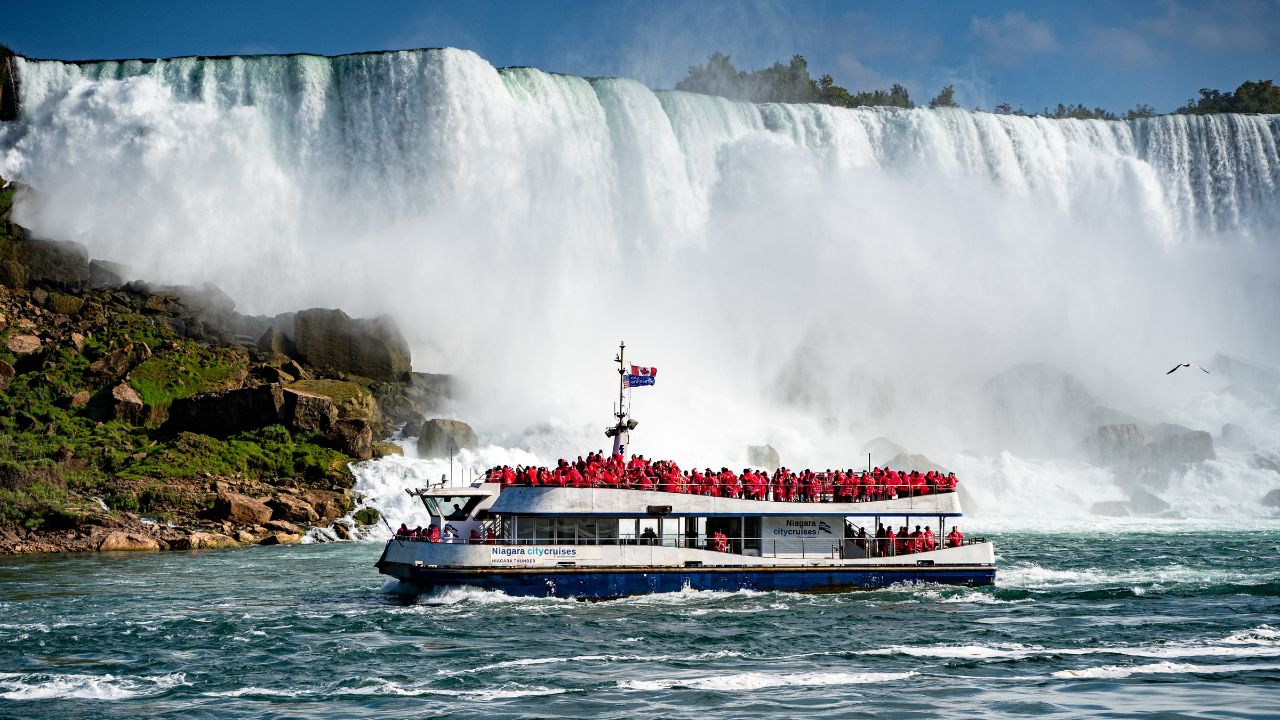
Niagara Falls is built around one of the most famous natural attractions on the continent, and the visitor scale is massive. Niagara Falls Tourism reports the Niagara Region welcomes approximately 14 million visitors yearly, with the city of Niagara Falls welcoming approximately 12 million (Tourism Research). Niagara Parks’ 2023/24 annual report also notes significant year-over-year increases in visitation across many attractions (Niagara Parks Annual Report 2023/2024 (PDF)).
The classic mistake is treating the Falls like a quick stop at midday, when parking, lines, and sidewalks are at their busiest. Better outcomes come from early starts, timed-ticket planning for popular attractions, and using transit options where possible rather than driving short distances repeatedly. A quieter strategy is staying slightly outside the core and entering the main zone for one focused block, then leaving before the evening rush.
6. Picton and Sandbanks, Prince Edward County, Ontario
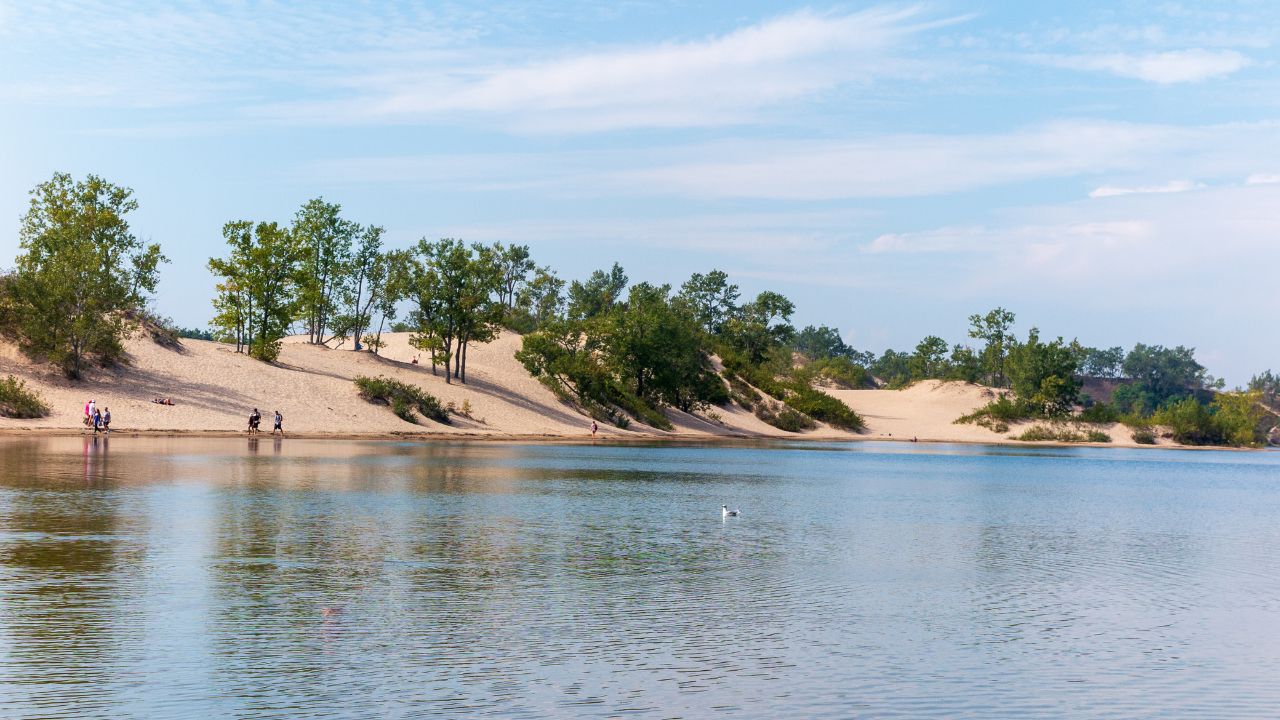
Prince Edward County’s beach scene has become so popular that access now often requires planning like a concert ticket. County updates note that advance reservations for day-use vehicle permits are required to access Sandbanks and North Beach Provincial Parks, with bookings available five days in advance (Prince Edward County beach updates). Ontario Parks explains the reason plainly: parks can get busy, capacity is limited, and booking in advance is required to guarantee a spot (Ontario Parks day-use permits).
For travelers, this means spontaneity can fail on the exact day the weather turns perfect. The smart approach is grabbing permits as soon as your preferred date opens, then building backups around wineries, farm stands, quieter shoreline areas, or shoulder-hour beach time. Midweek visits often feel less frantic, and leaving extra time for county-road traffic will save nerves.
7. Peggy’s Cove, Nova Scotia
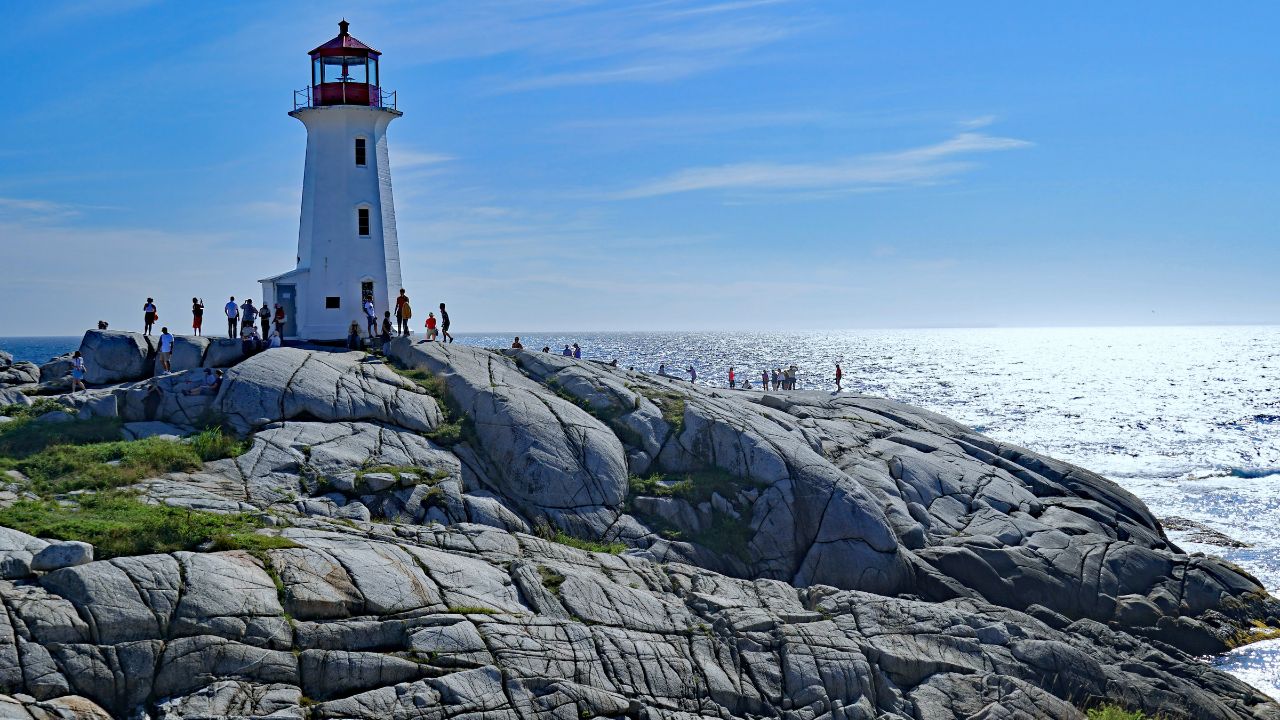
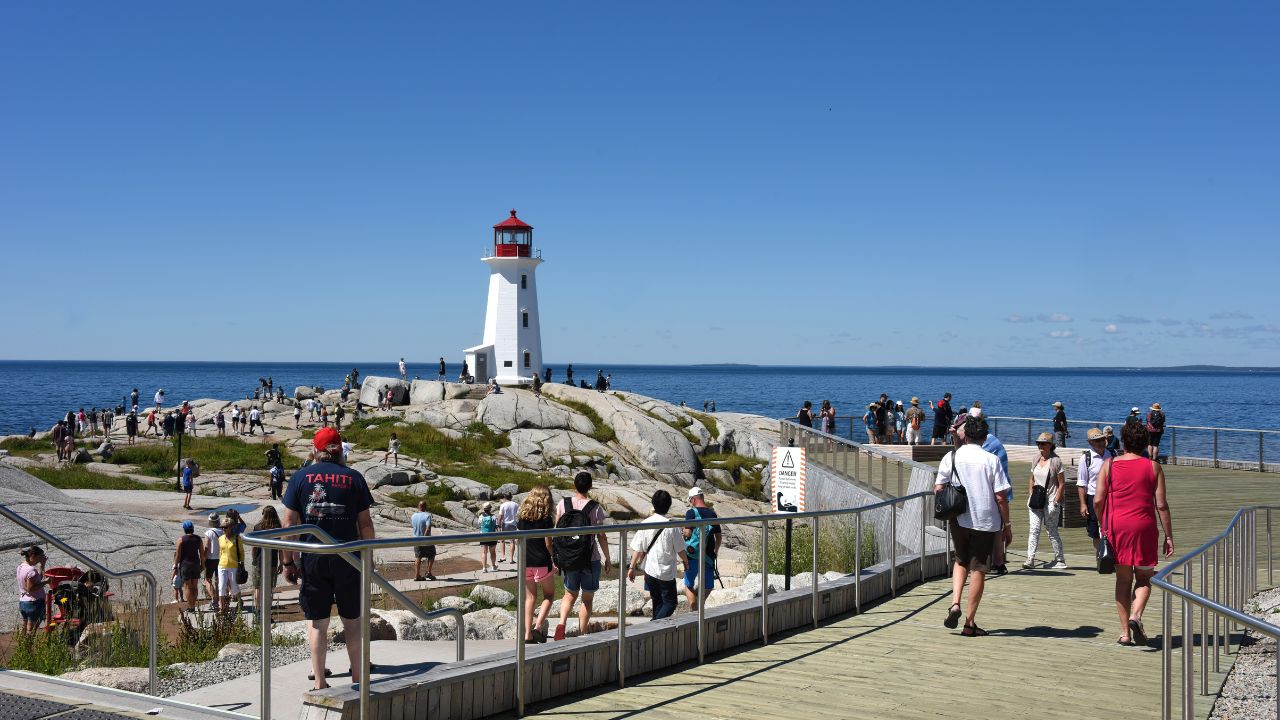
Peggy’s Cove is iconic, compact, and exposed, which makes it vulnerable to crowding and safety issues at the same time. Halifax-area tourism planning documents describe a total investment of nearly $10 million from provincial and federal governments to support the first phase of the Peggy’s Cove Infrastructure Improvement Strategy, including road and parking improvements and pedestrian infrastructure (Halifax Regional Integrated Tourism Master Plan (PDF)).
Safety management has also become a visible part of the experience. Build Nova Scotia’s Safety + Harm Prevention Program places on-site safety attendants throughout the cove during the season to monitor activity on the rocks and warn of unsafe conditions (Peggy’s Cove Safety + Harm Prevention Program). A better visit comes from staying on marked, stable areas, arriving outside the busiest midday window, and treating signage as physics, not suggestions.