
Holiday headlines can make it sound like traveler fatalities cluster in “dangerous” places, but the data tells a more boring truth: volume matters. The U.S. State Department publishes a public list of non-natural deaths of U.S. citizens abroad (accidents, homicide, drowning, suicide, and similar categories) that are reported to U.S. embassies and consulates. It is one of the few public sources organized by location and cause.
One important precision note: this dataset is U.S. citizens, not strictly “tourists.” It can include visitors, long-stay travelers, and residents overseas, and not every death abroad is necessarily reported to U.S. officials. Still, the totals help show where tragedies are most often recorded and what kinds of incidents repeat.
1. Mexico

In the State Department’s 2020 to 2022 records, Mexico ranks first by a wide margin (roughly the mid-500s in recorded non-natural deaths of U.S. citizens). Proximity to the United States and enormous cross-border travel volume push totals higher than anywhere else. The most common categories include homicide and road crashes, which fits long-running travel health guidance that injuries, especially traffic incidents, dominate many overseas death tallies.
For travelers, the practical lesson is not “never go,” it is “plan like the roads and nightlife can punish mistakes.” Stick with reputable transport, avoid late-night driving outside well-lit corridors, and treat alcohol as a risk multiplier rather than a vacation accessory. In coastal areas, swim where conditions are clearly managed, since drownings appear regularly in the same dataset.
2. Costa Rica
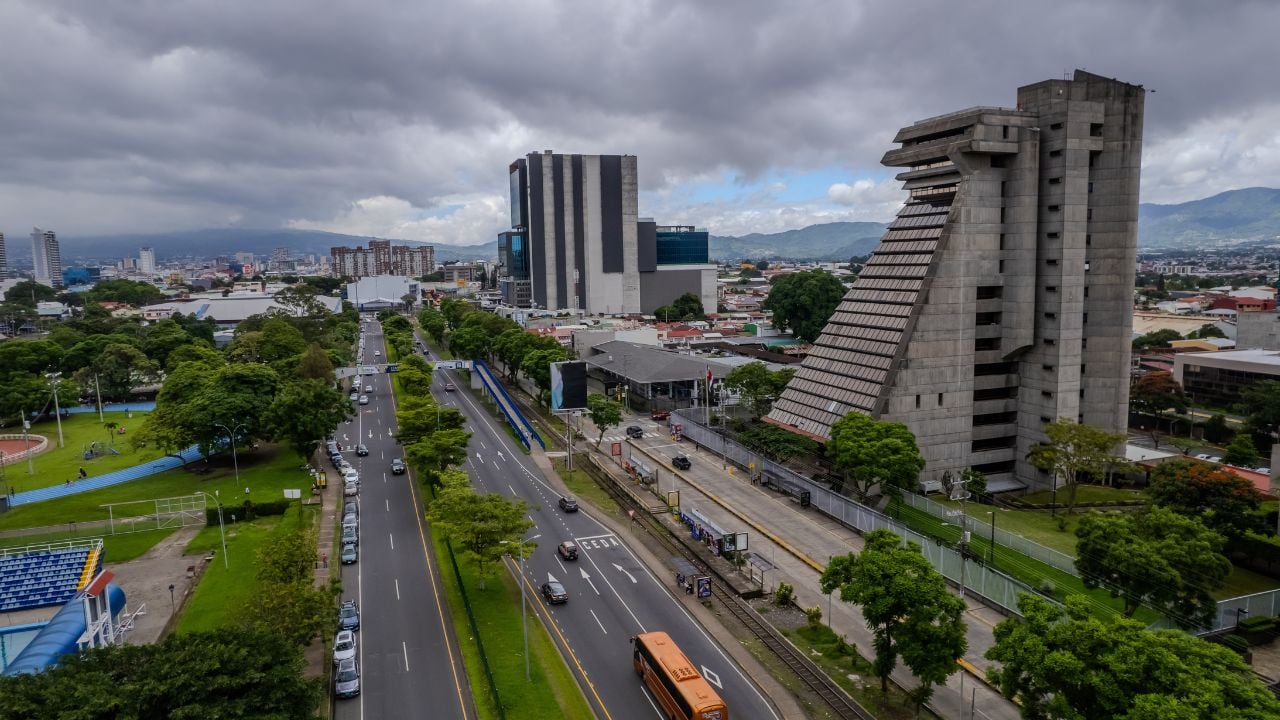
Costa Rica shows up near the top from 2020 to 2022. In the dataset, drowning is the standout category, which fits a destination built around surf beaches, river tours, and waterfall swimming. The point is not that Costa Rica is “unsafe,” but that water and adventure activities can turn unforgiving fast.
A safer Costa Rica trip is mostly about boundaries. Choose beaches with lifeguards when possible, take rip currents seriously, and do not treat “looks calm” as a scientific measurement. For zip-lines, rafting, and ATV outings, pick operators that emphasize safety briefings and gear checks instead of hype.
3. Dominican Republic

The Dominican Republic lands in the upper tier of the 2020 to 2022 file. The log includes a mix of categories, with road incidents and water deaths appearing frequently, alongside other causes. Resort travel can create a false sense of control, even though the riskiest moments often happen on roads, in transit, or during excursions.
The simplest risk reduction is boring, which is exactly why it works. Use trusted transport arranged through reputable providers, wear a seatbelt whenever one exists, and avoid informal rides after dark. For beach and boat days, follow local warnings and skip swimming in rough conditions, since ocean physics does not care about vacation plans.
4. El Salvador

El Salvador appears next from 2020 to 2022 with recorded non-natural deaths of U.S. citizens in the low-30s range. In the same records, water incidents and vehicle crashes are prominent categories, which mirrors a broader pattern in travel health guidance: injury deaths abroad often come from transportation and water exposure rather than rare movie-plot scenarios.
A smart itinerary focuses on timing and terrain. Favor daytime intercity travel, use well-reviewed guides for hikes and coastal outings, and avoid swimming in areas known for strong surf unless conditions are clearly safe. If you rent a vehicle, keep routes simple, and do not assume signage and road design will match U.S. norms.
5. Japan

Japan shows up in the upper tier despite its reputation for overall safety. The takeaway is that “safe country” does not mean “zero risk,” especially when travel includes hiking, coastal activities, urban rail corridors, and nightlife. A country can be highly orderly and still appear in a dataset tracking non-natural causes.
Travelers can lower risk by treating the basics as mandatory rather than optional. Stay alert around water, follow posted warnings on coasts and near rivers, and avoid shortcuts in unfamiliar terrain. In cities, fatigue is the silent enemy, so build in rest and do not stack long transit days back-to-back.
6. Thailand

Thailand rounds out this top group for 2020 to 2022. In the State Department dataset, motorcycle crashes are a major theme, which aligns with long-running travel health guidance about road injury risk abroad. This is especially relevant in tourist areas where scooters feel like the easiest way to get around.
If one habit saves lives here, it is skipping the “vacation scooter confidence.” Use licensed drivers or reputable ride services, and if you do ride, wear a real helmet and avoid nighttime roads where visibility and impairment risks rise. For island trips, take boat safety seriously as well, because water incidents show up across multiple countries in the same dataset.