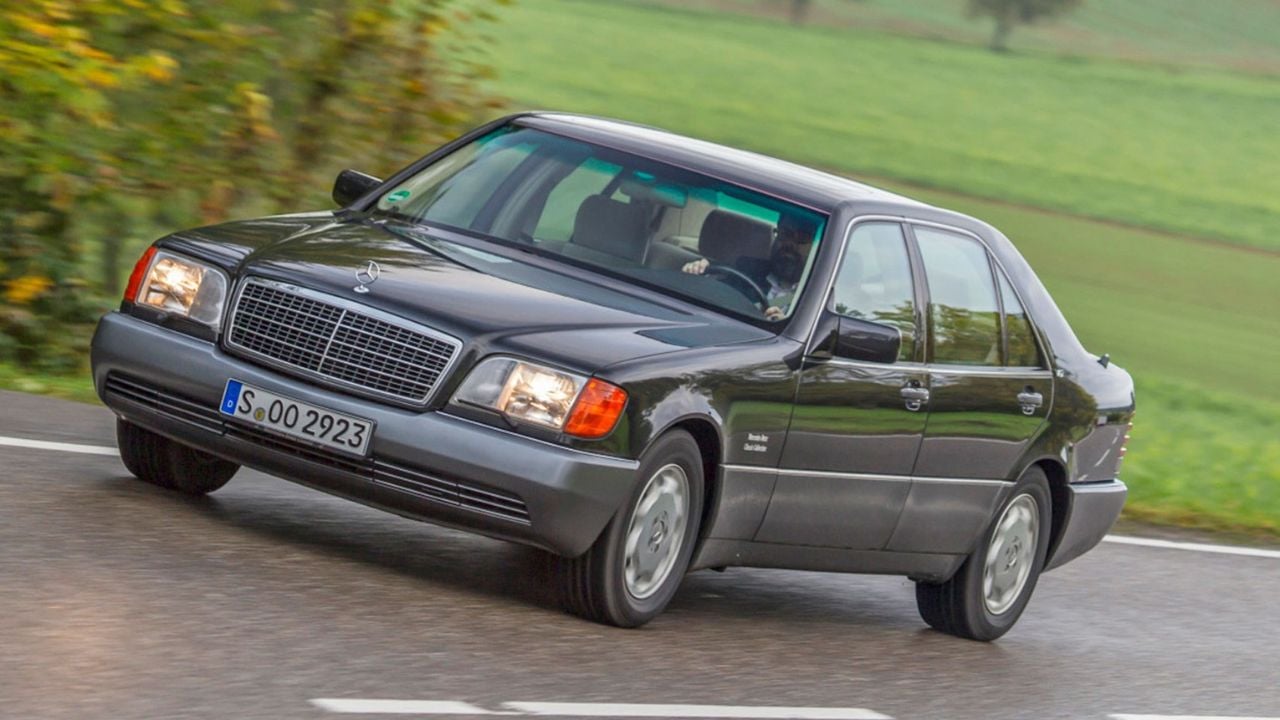
During the 1990s, Mercedes-Benz seriously explored one of the most ambitious engine ideas ever considered for a luxury sedan: a W18 powertrain designed for the flagship S-Class.
Yes, an eighteen-cylinder engine for a production four-door luxury car was genuinely discussed inside the company. At the time, the W140 generation S-Class represented the peak of Mercedes engineering and prestige.
The brand was looking for ways to push the gap between itself and competitors even further, both technologically and symbolically.
The Idea Behind The W18 Project
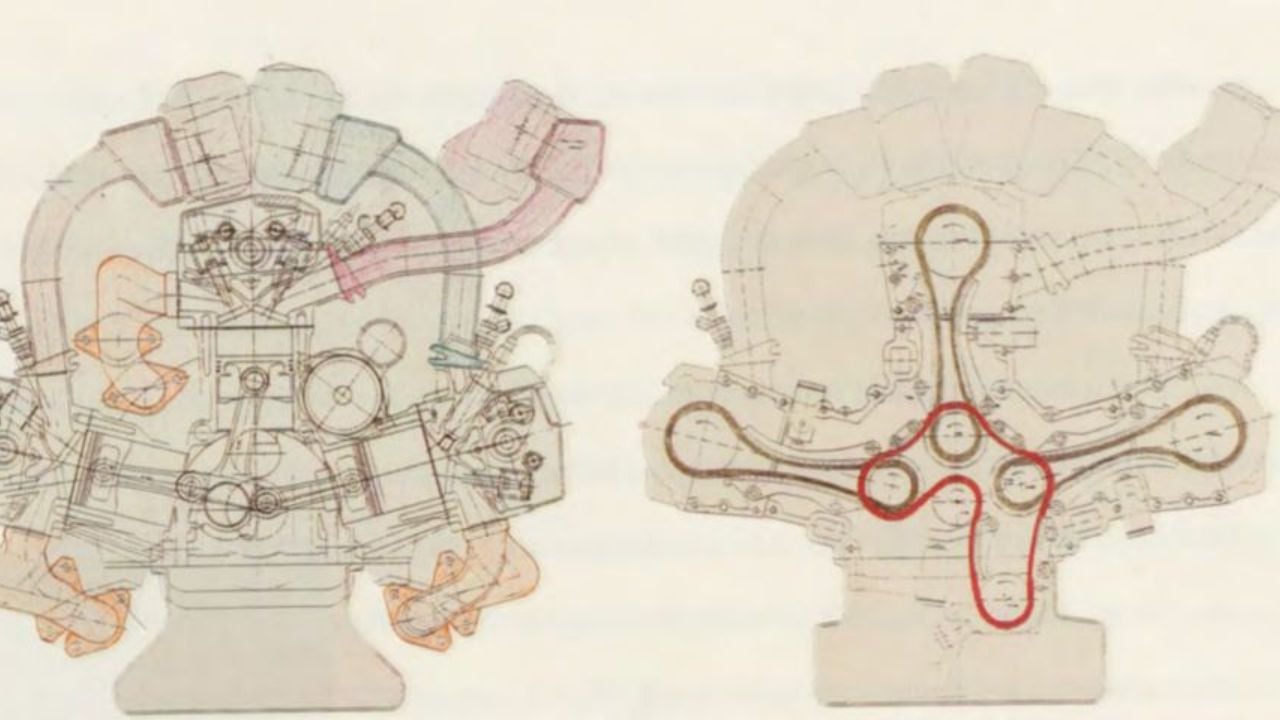
The proposal came from Mercedes’ engineering team, which suggested creating a massive W18 engine as a halo powerplant. According to reports later referenced by German media, engineers believed the design could be packaged more easily than many might assume.
The planned W18 layout would have been only slightly longer than the inline six-cylinder engines used by Mercedes at the time. That meant it could potentially fit under the S-Class hood without major structural changes to the engine bay, an impressive packaging achievement considering the number of cylinders involved.
The concept reflected an era when luxury automakers often competed through mechanical excess, using cylinder count and engine displacement as symbols of engineering supremacy.
Planned Versions And Performance Targets

Reports from AutoBild, later cited by Carscoops, suggest Mercedes planned two potential versions of the W18-powered S-Class.
The entry model was expected to carry the name 800 SEL and would have produced around 490 horsepower with 553 lb ft of torque. A more powerful variant was projected to reach approximately 680 horsepower and 590 lb ft of torque, numbers that would have been extraordinary for a luxury sedan in the early 1990s.
For context, these figures would have placed the car in performance territory far beyond most production sedans of the era, approaching what only exotic supercars could achieve at the time.
Why Mercedes Chose The V12 Instead
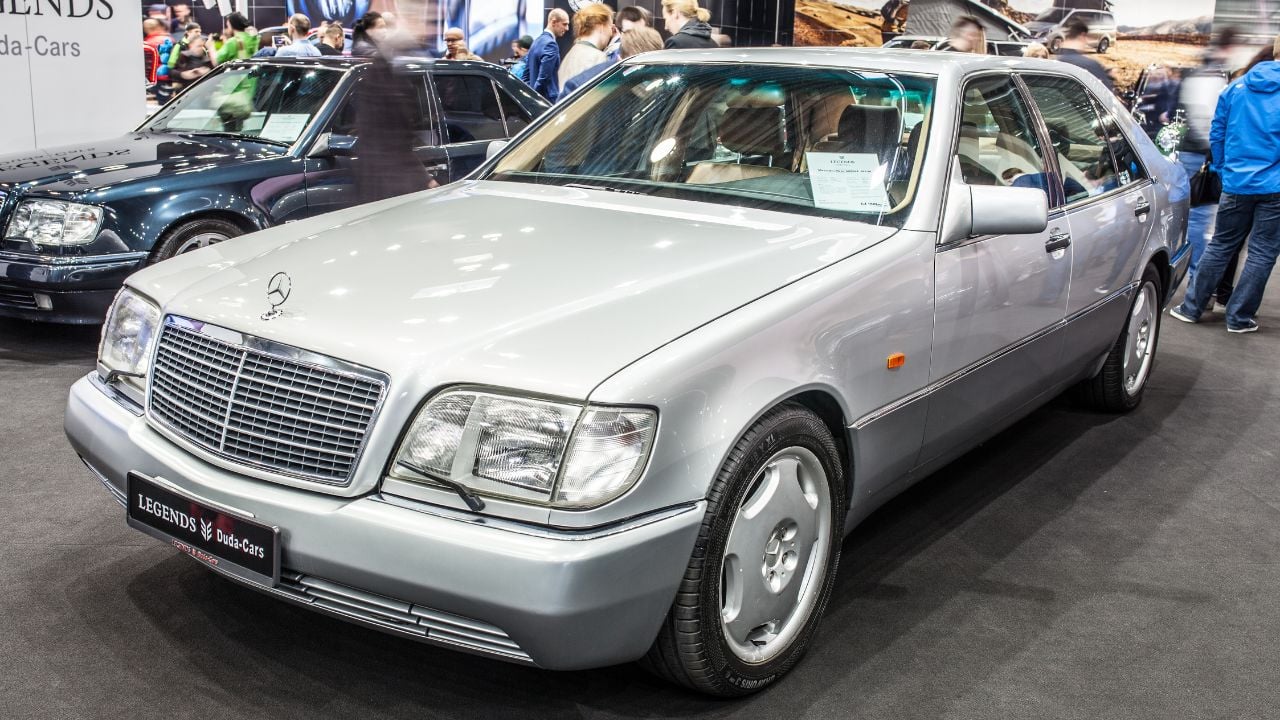
While development of the W18 concept moved forward, Mercedes was simultaneously working on another high-end powertrain. Ultimately, company leadership decided to abandon the proposed 8.0-liter W18 engine and instead move ahead with a 6.0-liter V12, which equals approximately 366 cubic inches.
Management concluded that the V12 met all performance, refinement, and packaging requirements while offering greater practicality for both luxury applications and potential performance-oriented models. The V12 also aligned better with long-term production and cost considerations.
That decision shaped Mercedes’ high-end lineup for decades. The V12 would go on to power not only flagship S-Class models but also exclusive AMG performance vehicles, becoming one of the brand’s defining engineering signatures.
Lessons That Influenced Future Engines
Although the W18 never reached production, the project was far from wasted effort. Knowledge gained during its research phase reportedly influenced later Mercedes engine development, particularly in areas involving packaging efficiency, vibration control, and refinement. Some of these lessons were later applied to inline six-cylinder engines and other advanced powertrain projects.
A Fascinating “What If” From A Different Era
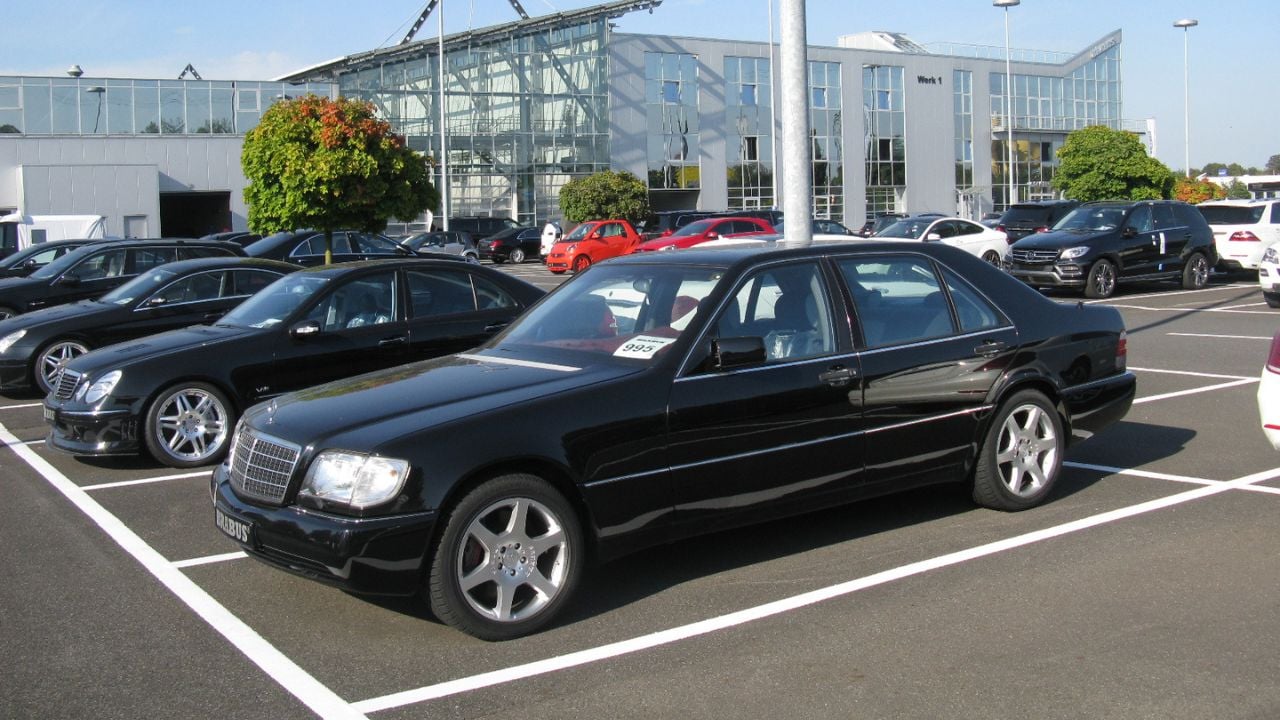
Looking back, the W18 concept represents a uniquely ambitious moment in automotive history, an era when manufacturers were willing to pursue extreme engineering ideas simply to demonstrate what was possible.
If the project had gone ahead, the S-Class could have become one of the most mechanically extravagant sedans ever built. Instead, Mercedes chose a more balanced path with the V12, a decision that proved successful and sustainable in the long run.
Still, the idea that an eighteen-cylinder S-Class nearly existed remains one of the most intriguing behind-the-scenes stories from Mercedes’ engineering past, a reminder that some of the most fascinating automotive innovations are the ones the public never actually gets to drive.
This article originally appeared on Autorepublika.com and has been republished with permission by Guessing Headlights. AI-assisted translation was used, followed by human editing and review.