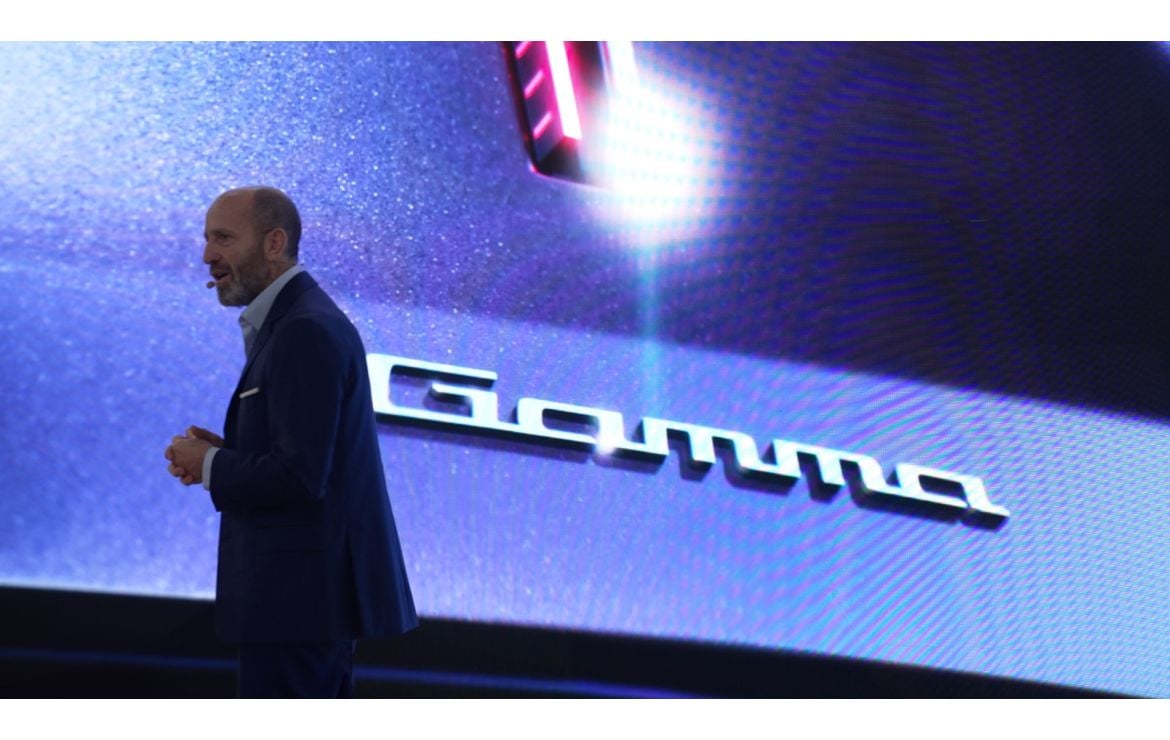
The Lancia Gamma is returning at a time when the European auto industry is undergoing one of the largest transformations in its modern history. Once associated with elegant sedans and bold engineering choices, the Gamma name now reappears on a large, premium-focused crossover developed within the Stellantis group.
The new model will share its mechanical foundation with the third-generation Peugeot 3008 and the upcoming DS No7, but it aims to stand apart with a distinctly Italian identity and the broader mission of restoring Lancia’s relevance in the European market.
Early prototypes have already been spotted during winter testing, a critical phase where automakers validate durability and powertrain efficiency in extreme conditions. Despite heavy camouflage, several design cues are visible. The new Gamma appears to adopt styling elements introduced on the latest Lancia Ypsilon, including a reinterpretation of the brand’s Y-shaped front signature. The headlights sit lower on the fascia, giving the crossover a more serious and dramatic appearance.
The overall shape is stretched and dynamic, with a sharply angled rear pillar that pushes the car into coupe SUV territory. In terms of design philosophy, it seems closer to models like the Cupra Tavascan and Ford Capri EV than to traditional family crossovers.
Shared Stellantis Architecture With Multiple Powertrains
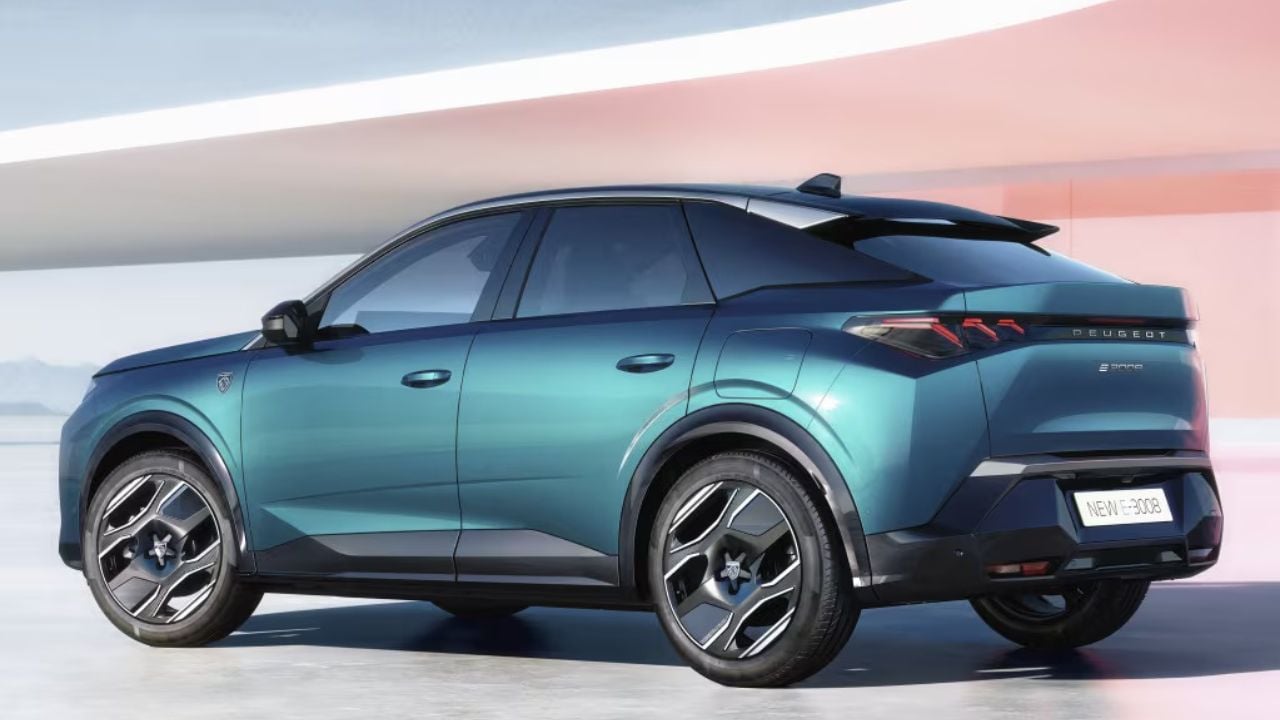
The Gamma will ride on the STLA Medium platform, one of Stellantis’ key next-generation architectures. This allows a wide range of powertrain choices, including conventional gasoline engines, hybrid variants, and fully electric configurations.
Based on observations from recent testing, the prototype seen on public roads appeared to be powered exclusively by electric motors, suggesting that the battery electric version will play a central role in the lineup. Expectations include a competitive range, fast charging capability, and performance levels strong enough to compete directly with established players in the fast-growing midsize crossover segment.
For American readers, it is worth noting that while Lancia itself is not currently sold in the United States, the underlying technology and platform strategy closely mirror what global brands are doing as they transition toward modular electric-friendly vehicle architectures.
More Than Just Specifications For Lancia
For Lancia, however, technical specifications represent only part of the story. Brand CEO Luca Napolitano has described the Gamma as a “turning point toward the future,” a model intended to symbolize innovation, style, and a renewed commitment to excellence.
Since Stellantis announced Lancia’s revival strategy through the Pu+Ra Zero concept in 2022, it has been clear that the company’s next moves would be carefully planned. The Gamma now becomes the first real test of that strategy in a higher-margin, more profitable segment, one where premium positioning and brand identity matter just as much as engineering.
The Commercial Pressure Behind The Project

The stakes are high because Lancia currently faces a significant decline in sales volume. According to data from the European Automobile Manufacturers’ Association (ACEA), the brand delivered just 11,747 vehicles in Europe last year, representing a dramatic 64% drop compared with 2024. Heavy reliance on the Ypsilon alone has proven insufficient to sustain long-term growth.
In that context, the Gamma carries a much broader role than simply expanding the lineup. It is expected to redefine public perception of Lancia as a modern, technologically relevant, and emotionally appealing brand. At the same time, the vehicle must deliver real profitability, since commercial success is essential for the long-term survival of any revival strategy.
A return to markets such as the United Kingdom, which Lancia exited back in 1994, has not yet been confirmed. That decision suggests a cautious approach focused primarily on strengthening the brand within continental Europe before considering broader expansion.
A Critical Model For Lancia’s Future
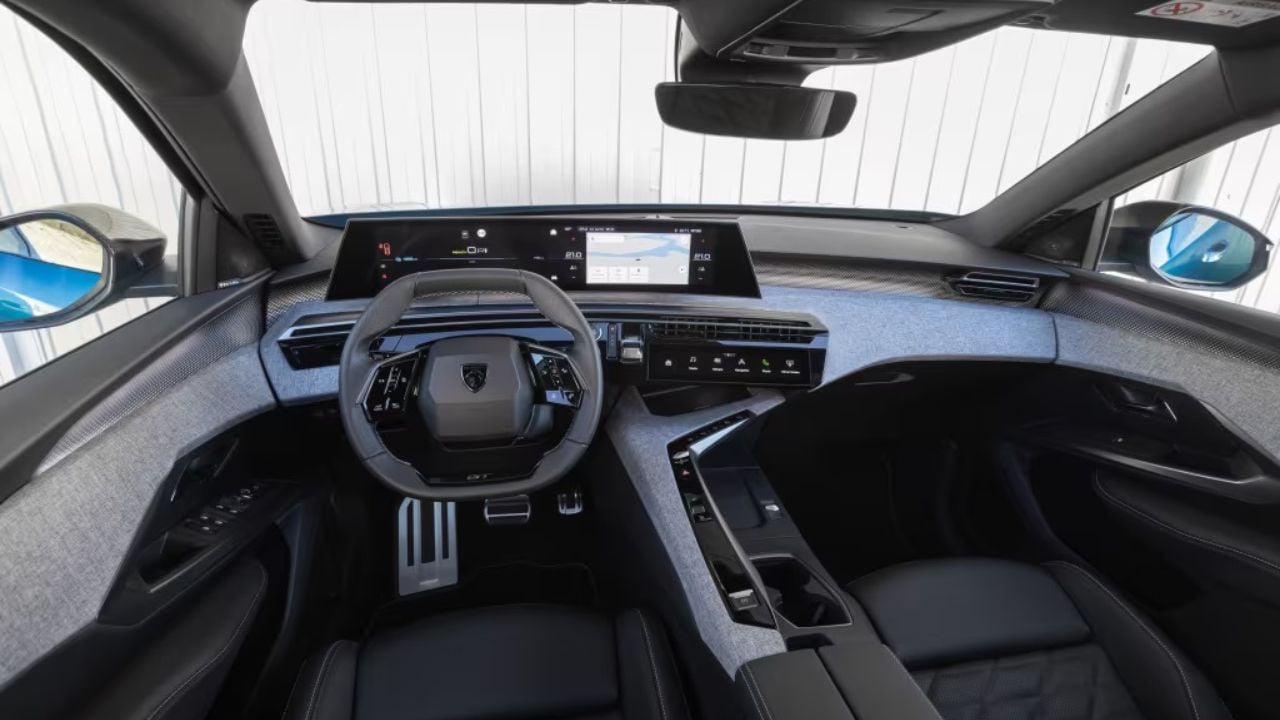
If the Gamma successfully combines recognizable Italian styling with modern technology, efficient powertrains, and a fully digitalized interior, it could become the foundation of a new era for the brand. If it fails, the risks are substantial, because today’s crowded crossover market leaves little room for mediocrity.
That is why the Gamma represents more than just another product launch. It stands as a symbol of hope that one of the most historic names in European automotive history can once again become relevant in a rapidly changing market shaped by electrification, digitalization, and intense competition.
This article originally appeared on Autorepublika.com and has been republished with permission by Guessing Headlights. AI-assisted translation was used, followed by human editing and review.